

Aksanları ve dil öğrenimindeki rolünü anlamak

Charlotte Guest
Charlotte Guest
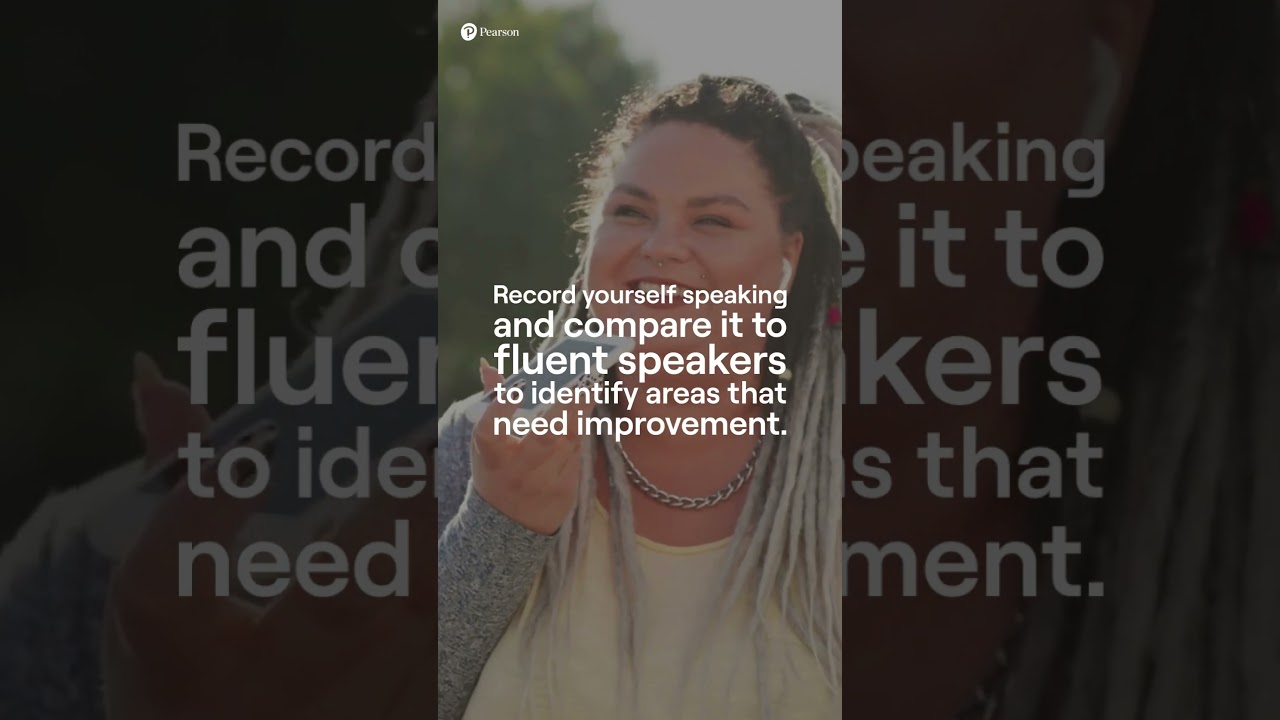
Bir şehirde açık havada telefonuyla gülümseyen bir kadın
Okuma zamanı: 4 dakikadır.

Aksanlar, bir kişinin geçmişi ve deneyimleri hakkında çok şey ortaya çıkarabilen, dilin büyüleyici bir yönüdür. Dil öğrenenler için, aksanlar genellikle merkezi bir odak noktası haline gelir, bazen daha önemli dil becerilerinin zararına. Bu yazıda, aksanın ne olduğunu, insanların neden bunlara sahip olduğunu ve anlaşılırlığın neden bir aksana hakim olmaktan daha önemli olduğunu keşfedeceğiz.

Dil anlaşılırlığınızı geliştirmenin yolları
Gizlilik ve çerezler

İçeriği izleyerek, Pearson'ın bir yıl boyunca pazarlama ve analiz amacıyla izleyici verilerinizi paylaşabileceğini ve bunu çerezlerinizi silerek geri alabileceğinizi onaylamış olursunuz. 

Aksan nedir?

Aksan, belirli bir bölgenin, sosyal grubun veya ana dilin özelliği olan kelimeleri telaffuz etmenin ayırt edici bir yoludur. Fonetik, tonlama ve ritimdeki varyasyonları içerir. Örneğin, Londra'dan bir kişi, Edinburgh'dan birine kıyasla farklı bir aksanla İngilizce konuşabilir.

Aksanlar doğal ve kaçınılmazdır; Herkesin bir tane var. Coğrafya, kültür ve diğer dillere maruz kalma gibi çeşitli faktörlerden etkilenirler. Yeni bir dil öğrendiğinizde, ana diliniz telaffuzunuzu etkiler.

Aksanınıza bağlı olarak, bazı sesleri başka bir dilde yansıtılmayan belirli şekillerde telaffuz edebilirsiniz veya belki de bazı sesler veya kelimeler ana dilinizde bile mevcut değildir. Örneğin, Japonca'da /L/ sesi yoktur, bu nedenle anadili Japonca olan biri "aşk" kelimesini doğru bir /L/ sesiyle telaffuz etmekte zorlanabilir.

Başka bir örnek Khoisan dilleridir. Diğer pek çok dilde bulunmayan tıklamaları genellikle kendi dillerinde kullanırlar ve bu da ana dili İngilizce olmayanların taklit etmesini ve öğrenmesini zorlaştırır. Alışkın olmadıkları bir ses çıkarmak zorunda olan herkes için, ağzın konuşmacıya yabancı bir şekilde hareket etmesi gerektiğinden başlangıçta zor olabilir.

Dişlerinizin şekli, diliniz ve ağız duruşu (dişlerinizin bir arada durma şekli ve dilinizin ağzınızda oturuşu) gibi fiziksel yönlerin aksanı etkileyip etkilemediği konusunda bir tartışma bile var. Sesi/aksanı etkileyip etkilemediği konusunda tartışılan başka birçok fiziksel faktör de vardır.

İnsanların neden aksanları var?

İnsanların birkaç nedenden dolayı aksanları vardır:

  1. Coğrafi etki: Bir kişinin büyüdüğü bölge, aksanını önemli ölçüde etkiler. Aynı ülke içinde bile, aksanlar bir şehir veya kasabadan diğerine büyük farklılıklar gösterebilir.
  2. Kültürel faktörler: Kültürel geçmiş, insanların nasıl konuştuğunu şekillendirmede rol oynar. Örneğin, sosyal normlar ve gelenekler konuşma kalıplarını ve telaffuzları etkileyebilir.
  3. Ana dil etkisi: Ana diliniz, yeni bir dilde sesleri nasıl telaffuz ettiğiniz üzerinde derin bir etkiye sahiptir. Bazı sesler ana dilinizde bulunmayabilir, bu da onları başka bir dilde doğru bir şekilde taklit etmeyi zorlaştırır.
  4. Maruz kalma ve pratik: Yeni bir dille ne kadar çok karşılaştığınız ve pratik yaptığınız aksanınızı etkileyebilir. Akıcı konuşmacılarla düzenli etkileşim, daha anadili benzeri telaffuzları benimsemenize yardımcı olabilir. Yabancı medyada çok fazla zaman geçirirseniz, oradan aksan almaya başlayabilirsiniz.

Hiç biriyle konuştunuz mu ve aksanınızı taklit ediyormuş gibi hissettiniz mi? Ya da bilinçaltında onlarınkini taklit ettiğinizi? Bu, bir kişinin konuştuğu kişinin jestleri veya sesi gibi şeyleri benimsemesi ve taklit etmesi ' bukalemun etkisi' olabilir. Bu, başkalarıyla yakınlık ve bağlantı kurmanın bilinçaltı bir yolu olarak görülür.

Aksanlar neden önemlidir?

Aksanlar önemlidir çünkü kimliğimizin ve dünyayla nasıl ilişki kurduğumuzun temel bir parçasıdır. Dil öğrenenler için aksanlar bir gurur veya hayal kırıklığı kaynağı olabilir.

Bununla birlikte, yabancı bir aksana sahip olmanın tamamen normal olduğunu ve etkili iletişimin önünde bir engel olmadığını anlamak önemlidir. Aslında aksanlar dile çeşitlilik ve zenginlik katar ve benimsenmelidir.

Anlaşılabilirlik neden bir aksana hakim olmaktan daha önemlidir?

Dil öğrenimi bağlamında, aksanınızı ortadan kaldırmak veya değiştirmek yerine, anlaşılabilirlik - başkaları tarafından anlaşılmak - birincil hedefiniz olmalıdır. İşte nedeni:

  1. Etkili iletişim: Yeni bir dil öğrenmenin temel amacı etkili iletişim kurmaktır. Başkaları sizi net bir şekilde anlayabilirse, aksanınız daha az önemli hale gelir.
  2. Azaltılmış baskı: Bir aksanı mükemmelleştirmek yerine anlaşılabilirliğe odaklanmak stresi azaltır ve öğrenme sürecini daha keyifli hale getirir. Bunun yerine kelime dağarcığınızı genişletmeye ve dilbilgisini geliştirmeye odaklanabilirsiniz.
  • Kültürel kabul: Anadili İngilizce olan birçok kişi çeşitli aksanları duymaya alışkındır ve bunları zorluk çekmeden anlayabilir. Aksanınız ne olursa olsun, dillerini öğrenmek için gösterdiğiniz çabayı takdir ediyorlar.
  • Kimliğinizi korumak: Aksanınızı ortadan kaldırmaya çalışmak, kültürel kimliğinizin bir kısmını kaybetmek anlamına gelebilir. Aksanınızı benimsemek, başkalarına nereden geldiğinizle gurur duyduğunuzu gösterir ve kültür ve çeşitlilik hakkında anlamlı sohbetlerin kapısını açabilir.
  • Pratik ilerleme: Anlaşılabilirliğe odaklanmak, yemek sipariş etmek, yol tarifi sormak veya sohbetlere katılmak gibi gerçek dünyadaki durumlarda pratik ilerleme kaydetmenizi sağlar.
  • Anlaşılırlığı artırmak için ipuçları

    • Dinleyin ve taklit edin: Akıcı konuşmacıları dinlemek için zaman ayırın ve tonlamalarını ve ritimlerini taklit etmeye çalışın.
    • Telaffuz alıştırması yapın: Anahtar sesleri doğru telaffuz etmeye Focus .
    • Kendinizi kaydedin: Konuşmanızı kaydetmek ve akıcı konuşmacılarla karşılaştırmak, iyileştirilmesi gereken alanları belirlemenize yardımcı olabilir.
    • Geri Bildirim İsteyin: Akıcı konuşmacılardan telaffuzunuz ve netliğiniz hakkında geri bildirim istemekten çekinmeyin. Anlaşılabilirliğinizi belirlemenin en iyi yolu budur.

    Aksanınızla gurur duyun

    Aksanlar, dilin ve kimliğin doğal bir parçasıdır. Nasıl algılandığımızı etkileyebilseler de, dil öğrenenler için büyük bir endişe kaynağı olmamalıdırlar. Bunun yerine, anlaşılmaya ve yeni bir dil öğrenme sürecinden zevk almaya odaklanın. Unutmayın, aksan bir kusur değildir; Bu senin planın.

    Pearson'dan daha fazla blog

    • A woman and child sitting meditating
      Mindfulness activities for kids to reduce stress
      By Amy Malloy
      Okuma zamanı: 4 minutes

      How can we help children (and ourselves) deal with turbulent situations?

      As humans, we are programmed to position ourselves according to the constants around us: people, structures and boundaries. When those constants shift, it can be unsettling for adults and children. Sometimes we find ourselves in unprecedented situations, and we each have our own approach to managing things. If you feel confused and without direction because of a turbulent situation, please know that is okay.

      We’ll look today at why that is, to help us understand ourselves a little more and why these simple mindfulness activities can help us navigate it.

      What causes social stress?

      There may be many reasons for feeling stressed in life, but during turbulent times in society, it is often due to not feeling safe. Something in our environment is alerting our survival instinct. This makes our brains produce stress hormones, which get us ready to fight the threat, run from it or freeze until it’s gone away. The threat might be to our physical or even social survival – and the two are linked. Things can feel even scarier when we also feel isolated from our social group, which keeps us protected from that threat.

      Human beings are social by nature. We live and work in communities, we connect through love and empathy and we protect each other. There’s truth to the saying “there’s safety in numbers”. But it’s not just about safety. We also define ourselves by comparing ourselves to others and working out what we are not.

      Research has found that we identify deeply with our role in society and the "pack" to which we belong. This holds deep ties with our sense of safety, contentment and self-esteem. If the boundaries by which we define and position ourselves have shifted or continue to shift, we will feel unsafe, threatened and therefore stressed.

      Are children affected by social stress in the same way?

      If we then apply this to children, the constants to whom they look for security are the adults in their life. If the adults are behaving differently, the children will feel a shift and feel unsafe and stressed too. If they don’t have their friends alongside them for social positioning, this too can lead to them feeling confused and uncertain. 

      Here are some key ways we can help:

      Communicating and listening

      Children may often lack the language to express what they are feeling, or even to recognize it themselves. Therefore, we must offer ways to help them make sense of the world around them,to help them feel safe, and to help express their concerns. Communication provides the necessary social interaction and models for them on how to handle the new situation. It firms up their boundaries and provides a safe space where they feel listened to and acknowledged, and this, in turn, helps diffuse their stress. The activity below is a lovely way to invite children to express any worry they might be feeling, mindfully and with support – and give them something to do with their feelings. It also helps them breathe fully and slowly, which can calm their nervous system.

      Breath activity: Worry bubbles

      1. Sit together and invite your child to put their palms together.
      2. Invite them to take a big breath in. As they breathe in, they can draw their palms further and further apart, spreading their fingers as they imagine blowing up a big bubble between their hands.
      3. Invite them to whisper a worry into the bubble.
      4. Invite them to blow the breath out nice and slowly. As they breathe out, they can imagine blowing the bubble (and the worry) away with a big sigh.
      5. Twinkle the fingers back down to the lap, and start again, either with the same worry or a new one

      Helping them find a safety anchor inside themselves

      By helping children focus on breathing, we can teach them that even if things feel wobbly around them, their breath is always there. The act of focusing on the breath also helps settle the fight-or-flight branch of their nervous system into a calmer, more balanced state.

      Breath Activity: Counting breaths

      1. Invite your child to sit with you.
      2. Invite them to place their hands on their tummy and breathe in slowly so they push into their hands, counting slowly up to four.
      3. As they breathe out, invite them to count up to six, as they slowly empty their belly and their hands lower back down.
      4. Continue until they feel calmer. You can do this every morning or evening to help sustain balance. With younger children, they might like a teddy on their tummy to push up and down.

      These two activities can be lovely daily practices to try and provide some safety and structure to your child or students’ mental health right now. They are also enjoyable activities to try for yourself – you may like to increase the in and out count of the breath a little bit for an adult breath.

    • Student and teachers sat outside on grass talking
      Fun assessment ideas for summer language classes
      By Charlotte Guest
      Okuma zamanı: 4 minutes

      Summer language classes can have a different feel from regular classes. Students may be taking a short course, preparing for a new school year or learning English as part of a summer program. Classes may also have changing attendance, different levels of ability or a more relaxed atmosphere.

      This makes summer a good time to try assessment activities that are active, creative and enjoyable. Assessment does not always have to mean a test or a worksheet. Simple classroom activities can help you check what students know, see where they need more support and give them opportunities to use their language skills in meaningful ways.

      Here are some assessment techniques to try in your summer language classes.

      1. Hold a language auction

      Turn grammar and vocabulary practice into a fun competition with a language auction.

      Prepare a list of sentences using language students have studied. Some sentences should be correct and others should contain mistakes.

      For example:

      • “She has lived here for three years.”
      • “I have went to the cinema yesterday.”
      • “They are going to visit their grandparents.”
      • “He don’t like playing football.”

      Put students into small teams and give each team the same number of imaginary points or a set amount of play money. Read out one sentence at a time. Teams decide how confident they are that the sentence is correct and choose how much they want to “bid”. The team that makes the highest bid wins the sentence, but they only keep their points if they are right. After each round, reveal the answer and ask students to explain why the sentence is correct or incorrect.

      This gives you a quick way to check understanding while encouraging students to think carefully about language. It can also reveal areas that need more practice. You can make the activity easier or harder depending on the level of your class. For beginners, focus on simple vocabulary or basic sentence structures. For more advanced learners, use more subtle grammar errors or ask teams to correct the sentences they think are wrong.

    • Two students sat working together with a laptop and looking at a peice of paper
      5 ways you can use your students’ holiday experiences in class
      By Charlotte Guest
      Okuma zamanı: 4 minutes

      After a long school break, students often come back to class with plenty of stories to tell. They may have traveled to another country, visited family, spent time at home, started a new hobby or simply enjoyed time with friends.

      These experiences can be a great resource for language learning. They give students something real to talk about and help connect classroom activities to their lives outside school.

      Here are some ways you can use your students’ holiday experiences to create engaging language activities.

      1. Create a holiday show and tell

      Show and tell is a simple activity, but it can give students lots of opportunities to practice speaking. Ask students to bring in an object, photo or drawing connected to their holiday. It could be a souvenir, a photograph of a place they visited, a book they read or even something they used during their break.

      Give students a few questions to help them prepare:

      • What is it?
      • Where did you get it?
      • Who were you with?
      • Why is it special?
      • How did you feel?

      Students can then present their item to a partner, small group or the whole class.

      For younger learners, you can provide sentence starters such as “I went to…”, “I saw…” and “My favorite part was…”. More advanced students can give a longer description or answer questions from their classmates.

      2. Turn holiday memories into a class map

      If your students traveled during the holidays, use their journeys to create a class map. Put a large map on the wall or display one on the board. Ask students to mark places they visited. They can then talk about their destination and how they traveled there.

      For example:

      “I went to Spain by plane. I stayed in Barcelona for five days.”

      Students can work in pairs to ask and answer questions about different destinations:

      • Where did you go?
      • How did you get there?
      • What did you do?
      • What was the weather like?

      You can also use the map to introduce or review geographical vocabulary, such as country, city, coast, island, north, south, near and far.

      If some students did not travel, make sure the activity includes other types of holidays and experiences. They could mark where they visited family, went on a day trip or spent time doing something interesting.

      3. Make a holiday class survey

      A class survey is a good way to get everyone speaking, even students who do not want to talk in front of the whole class.

      Give students five or six questions about their holidays. For example:

      • Did you travel?
      • Did you visit family?
      • Did you try a new food?
      • Did you watch a film or series?
      • Did you learn something new?
      • Did you play a new game or sport?

      Students move around the classroom and ask their classmates the questions. They record their answers and then use the results to create a simple class report.

      For example:

      “Ten students visited family. Six students traveled. Four students tried a new food.”

      This activity gives students a reason to repeat useful language several times. It also helps them discover what they have in common with their classmates.

      For younger learners, you could turn the survey into a simple “Find someone who…” activity. For example: Find someone who visited another country or Find someone who learned a new skill.

      4. Build a holiday story together

      Use students’ holiday experiences to practice storytelling. Start by putting a few prompts on the board:

      • Where? 
      • Who? 
      • What happened? 
      • Problem. 
      • Ending.

      Students choose a real holiday experience and use the prompts to tell their story to a partner.

      For example:

      “Last summer, I went to the beach with my family. We wanted to swim, but it started raining. We waited in a café and then the sun came out.”

      You can use the activity to practice past-tense verbs, time expressions and sequencing words such as first, then, after that, later and finally.

      You can also make it more creative. Students can take a real experience and change one detail. Perhaps their bus got lost, they met a famous person or they discovered a hidden treasure.

      This gives students a chance to use language creatively without needing to invent an entire story from nothing.

      5. Create a “holiday highlights” class display

      End your holiday activities with a class display. Ask students to choose one favorite memory from their break and write a short description. They could also add a drawing, photograph or small piece of artwork.

      Give students a simple structure:

      • My holiday highlight
      • Where
      • Who I was with
      • What happened
      • Why I liked it

      Put the finished work around the classroom. Students can then walk around, read each other's work and leave a positive comment or question.

      This activity can also become a useful reading task. Ask students to find someone who did something similar to them, find the most unusual activity or choose a memory they would like to experience themselves.

      Make the most of what students bring to class

      The first lessons after a holiday do not have to be about immediately returning to the textbook. Students' experiences can provide useful material for speaking, listening, reading and writing activities.

      Most importantly, remember that not every student will have had an exciting holiday or traveled somewhere. Some may have stayed at home, looked after family members or simply enjoyed having time to relax. Avoid making travel the only focus.

      Instead, give students different ways to talk about their break. A favorite meal, a new hobby, a film they watched or a day spent with friends can be just as useful for language learning.