Öğretimde oyunlaştırmayı kullanma: Etkileşim kurun, eğitin ve heyecanlandırın

Pearson Languages
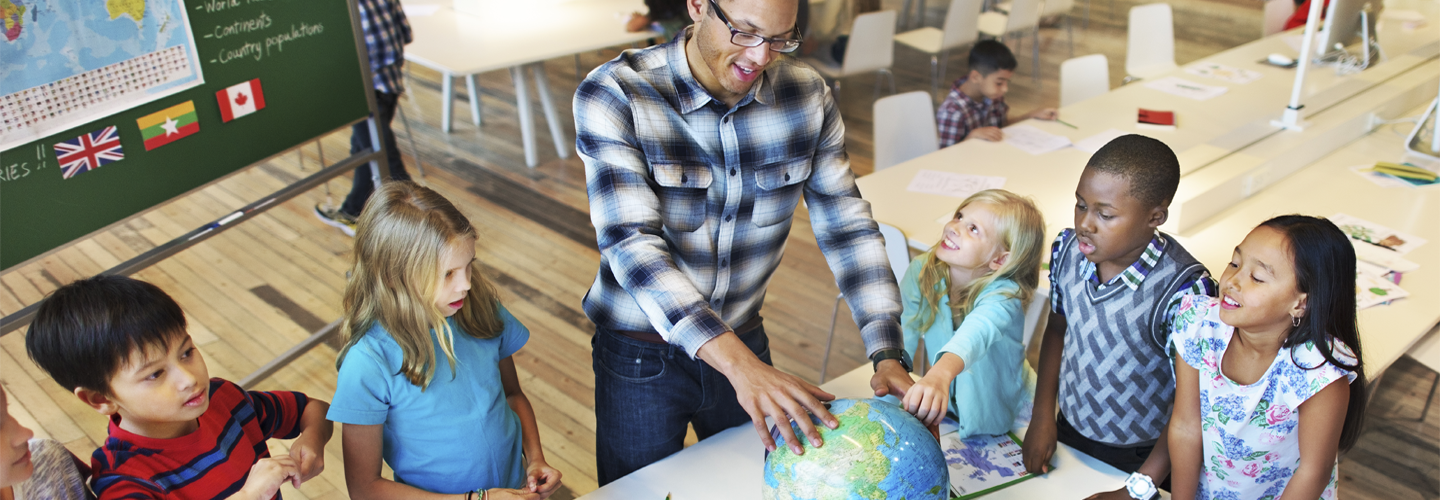
Çocuklu bir öğretmen, çocukların işaret ettiği bir dünya küresinin üzerinde durdu
Okuma zamanı: 6 dakikadır.

Öğrenci katılımının öğretimin kendisi kadar zor olabileceği bir çağda, eğitimciler sürekli olarak dikkat çekmek ve öğrenmeyi geliştirmek için yenilikçi yollar arıyorlar. Oyunlaştırma, eğitimi daha ilgi çekici ve keyifli bir deneyime dönüştürmeyi vaat eden dinamik bir çözüm olarak ortaya çıktı. Ancak oyunlaştırma gerçekten neleri içerir ve öğretimde nasıl etkili bir şekilde uygulanabilir? Hadi bir bakalım:

Oyunlaştırma ile öğretiminizi bir üst seviyeye taşıyın
Gizlilik ve çerezler

İçeriği izleyerek, Pearson'ın bir yıl boyunca pazarlama ve analiz amacıyla izleyici verilerinizi paylaşabileceğini ve bunu çerezlerinizi silerek geri alabileceğinizi onaylamış olursunuz. 

Oyunlaştırma nedir?

Özünde oyunlaştırma, insanları meşgul etmek, eylemi motive etmek, öğrenmeyi teşvik etmek ve sorunları çözmek için oyun tabanlı mekanik, estetik ve oyun düşüncesinin stratejik kullanımıdır. Eğitici bir ortamda, oyunların oyuncuları cezbetme ve ilgilerini çekme şekline benzer şekilde, öğrenme deneyimini daha etkileşimli ve ödüllendirici hale getirerek dönüştürür.

Esasen oyunlaştırma, daha teşvik edici ve sürükleyici bir öğrenme ortamını teşvik etmek için doğuştan gelen rekabet ve başarı arzusundan yararlanır.

Bu strateji sadece eğitimi öğrenciler için daha çekici hale getirmekle kalmaz, aynı zamanda onları kendi öğrenmelerinde aktif rol almaya teşvik ederek olumlu ve teşvik edici bir eğitim atmosferini teşvik eder.

Eğitimde oyunlaştırma neden önemlidir?

Eğitimciler bugün gelenek ve yeniliğin kavşağında duruyor. Teknolojinin ve dijital araçların ortaya çıkmasıyla birlikte, öğretim ve değerlendirme yöntemleri hızla gelişmektedir. Ve bu trendlerin muazzam potansiyelini keşfetmeye devam ederken, bu alandaki uzmanlardan içgörüler toplamak çok önemlidir.

Oyunlaştırmanın ve oyunun öğrenme sürecindeki önemi iyi belgelenmiştir. Johnson, Smith, Willis, Levine ve Haywood'a göre, 'The 2011 Horizon Report' adlı çalışmalarında, oyunlaştırma teknikleri sosyalleşme, öğrenme, ustalık, rekabet, başarı, statü ve kendini ifade etme için doğal arzuyu teşvik ediyor. Bu tekniklerin öğrencileri bilişsel ve sosyal becerilerini öğrenmeye ve geliştirmeye motive etmeye yardımcı olduğunu ve daha ilgi çekici ve etkili bir eğitim deneyimine yol açtığını savunuyorlar.

Bu bakış açısı, öğrencilerin bilgiyi en iyi aktif katılım ve deneyimler yoluyla inşa ettiğini teorileştiren yapılandırmacı öğrenme teorisi ile uyumludur. Bunu göz önünde bulundurarak, eğitimde oyunlaştırma sadece öğretime oyun öğeleri eklemekle ilgili değil, aynı zamanda aktif katılımı ve sürükleyiciliği teşvik etmek için öğrenme deneyimini yeniden tasarlamak, böylece anlamayı derinleştirmek ve öğrenmeyi daha akılda kalıcı hale getirmekle ilgilidir.

Eğitimi bir oyun biçimi olarak ele alarak, her yaştan öğrenci, sınıf dışında yaşanan doğal öğrenme sürecini yansıtarak zorluklarla yüzleşmeyi, başarısızlıkları yönetmeyi ve başarıları kutlamayı daha kolay bulur. Öğretmenler için bu yaklaşım sadece öğrenmeyi daha eğlenceli hale getirmekle kalmaz, aynı zamanda gerçek dünyada karşılaşabilecekleri ödül tabanlı sistemleri de yansıtır.

Oyunlaştırılmış öğrenme öğrencilerin becerilerini nasıl artırabilir?

Oyunlaştırılmış öğrenmenin öğrencilerin becerilerini artırma ve eğitmedeki etkinliği göz ardı edilemez. Oyun mekaniklerini eğitim sürecine entegre ederek, öğrencilerin eğitimlerinde aktif rol almaları teşvik edilir ve bu da daha yüksek düzeyde katılım ve katılıma yol açar.

Bu da, genellikle konunun daha derin bir şekilde anlaşılmasına ve problem çözme becerilerinde önemli bir gelişmeye neden olur. Oyunlaştırma, öğrencilerin merakını harekete geçirir ve onları öğrenme kilometre taşlarında ilerlemeye motive ederek yeni becerilerin kazanılmasını eğlenceli ve ödüllendirici bir sürece etkili bir şekilde dönüştürür.

Öğrencilerin öğrenimlerine katılmalarına yardımcı olur

Ek olarak, Hamari, Koivisto ve Sarsa tarafından yürütülen araştırma, oyunlaştırmanın öğrenci katılımı üzerindeki olumlu etkisinin altını çiziyor. 'Oyunlaştırma İşmi? – Oyunlaştırma Üzerine Ampirik Çalışmaların Literatür Taraması' adlı çalışmalarında, oyunlaştırmanın sonuçlarını farklı ortamlarda analiz ettiler ve gerçekten de katılım ve katılım düzeylerini iyileştirdiğini buldular. Çalışma, düşünceli bir şekilde uygulandığında, oyunlaştırmanın motivasyonu ve katılımı önemli ölçüde artırabileceği ve böylece daha iyi öğrenme sonuçlarını teşvik edebileceği sonucuna varmıştır.

Bu kanıt, oyunlaştırmanın eğitim hedefleriyle uyumlu olduğunda ve geleneksel öğretim yöntemleriyle dengelendiğinde, eğitimcilerin daha etkili öğrenme deneyimlerini kolaylaştırmaları için güçlü bir araç olarak hizmet edebileceği fikrini güçlü bir şekilde desteklemektedir.

Oyunlaştırılmış öğrenmenin dinamik ve etkileşimli doğası, çok çeşitli öğrenme stillerini destekleyerek, onu bireysel öğrencilerin benzersiz ihtiyaçlarını karşılayabilecek kapsayıcı bir aktif öğrenme yöntemi haline getirir.

Sonuç olarak, öğrenmeyi daha etkileşimli ve eğlenceli hale getirerek, oyunlaştırma yalnızca konuya özgü bilgilerin edinilmesini desteklemekle kalmaz, aynı zamanda sınıfın ötesinde paha biçilmez olan ekip çalışması, iletişim ve zaman yönetimi gibi kritik sosyal becerileri de geliştirir.

Elde tutmayı ve hatırlamayı geliştirir

Oyunlaştırma, öğrenciler arasında hafızada tutmayı ve hatırlamayı geliştirme yeteneğinde daha da öne çıkıyor. Oyun tabanlı öğrenme etkinliklerinin ilgi çekici doğası, yeni bilgilerin pekiştirilmesinde kilit faktörler olan tekrarı ve pekiştirmeyi teşvik eder. Wouters ve van Oostendorp'un 'Oyun Tabanlı Öğrenmede Öğretim Desteğinin Rolünün Meta-Analitik Bir İncelemesi' adlı makalelerinde yaptıkları bir araştırmaya göre, oyunlaştırılmış öğrenmeye katılan öğrenciler, geleneksel öğrenme yöntemlerinden geçenlere kıyasla önemli ölçüde daha yüksek kalıcılık seviyeleri gösterdiler.

Çalışma, oyunlaştırılmış öğelerin etkileşimli ve ilgi çekici bileşenlerinin, bilgilerin daha etkili bir şekilde kodlanmasına yardımcı olduğunu ve öğrencilerin gerektiğinde bilgi almalarını kolaylaştırdığını vurguladı. Bu nedenle, oyunlaştırmanın bu yönü, öğrenmeyi yalnızca daha eğlenceli hale getirmekle kalmaz, aynı zamanda özellikle sınıfın ötesine geçen dayanıklı öğrenmeyi teşvik etmede daha etkili hale getirir.

Bir öğretmen, çalışmalarını işaret ederek çalışan öğrencilerinin başında durdu

Oyunlaştırmayı eğitime dahil etmek için en iyi uygulamalar

Öğretimde oyunlaştırmayı uygulamak, eğitim etkinliklerine puan ve rozet eklemekten daha fazlasını gerektirir. Öğrenme deneyimini etkili bir şekilde zenginleştirmesini sağlamak için eğitimciler bir dizi en iyi uygulamaya bağlı kalmalıdır.

İlk olarak, oyun mekaniklerini öğrenme hedefleriyle uyumlu hale getirmek çok önemlidir. Bu, oyunlaştırmanın her bir öğesinin, örneğin bilgiyi pekiştirmek, ekip çalışmasını teşvik etmek veya problem çözme becerilerini geliştirmek gibi net bir eğitim amacına sahip olması gerektiği anlamına gelir.

Anlamlı ödüller kullanın

Anlamlı ödüller sunmak hayati önem taşır. Fiziksel ödüllerin ötesinde, yeni içeriğin kilidini açmak veya daha zorlu seviyelere erişim sağlamak gibi içsel motivasyon kaynakları, katılımı ve motivasyonu önemli ölçüde artırabilir.

Kişiselleştirmenin önemi

Son olarak, kişiselleştirme başarılı oyunlaştırmada önemli bir rol oynar. Öğrencilerin öğrenme yollarını veya avatarlarını seçmelerine izin vermek ve ödülleri ve zorlukları beceri düzeylerine göre kişiselleştirmek, öğrenme deneyimini daha alakalı ve ilgi çekici hale getirebilir.

Oyunlaştırmayı öğretiminizde uygulamanın yolları

İşte sınıfınızda oyunlaştırmayı uygulamanın pratik yolları:

  1. Oyun tabanlı öğelerle motivasyonu artırın: Puan puanlama sistemleri, skor tabloları ve rozetler uygulamak, öğrenmeyi daha eğlenceli hale getirebilir ve öğrencileri daha iyi sonuçlar için çabalamaya motive edebilir.
  2. Olumlu rekabeti teşvik edin: Öğrenciler arasında materyalle daha derinden ilgilenmelerini teşvik etmek için zorluklar ve yarışmalar oluşturun. Rekabetin dostane ve yapıcı kalmasını sağlayın.
  3. Etkileşimli öğrenme modülleri: Yapay zeka web seminerlerimizde tartışılan yapay zeka araçlarına çok benzer şekilde, etkileşimli ve uyarlanabilir oyunlaştırılmış dersler oluşturmak için teknolojiyi kullanın. Bu modüller, dil öğrenimi için çok önemli olan anında geri bildirim sağlayabilir.
  4. Hikaye anlatımı projeleri: Öğrencilerin yapay zeka özellikli yazma araçlarını kullanarak hikayeler oluşturmasına olanak tanıyarak yaratıcılığı teşvik etmede yapay zekanın rolünü benimseyin. Bu sadece dil becerilerine yardımcı olmakla kalmaz, aynı zamanda yaratıcılığı ve hayal gücünü de teşvik eder.
  5. İlerlemeye dayalı öğrenme: Öğrencilerin bir oyunda nasıl ilerleyeceklerine benzer şekilde, ilerledikçe yeni seviyelerin veya konuların kilidini açmalarına olanak tanıyan bir müfredat tasarlayın. Bu, net bir ilerleme ve başarı duygusu sağlar.
  6. Gerçek hayat ödülleri: Ekstra krediden sınıf ayrıcalıklarına kadar değişebilen gerçek hayat ödülleriyle öğrenme hedeflerini teşvik edin. Bunu yapmak, öğrencileri 'oyun' başarılarını ciddiye almaya teşvik edebilir.
  7. Geri bildirim döngüleri: Yapay zeka gibi, oyunlaştırma da geri bildirimle gelişir. Öğrencilerin nerede başarılı olduklarını ve neleri geliştirmeleri gerektiğini anlamalarına yardımcı olmak için sürekli geri bildirim sağlayın.

Bu stratejileri göz önünde bulundurarak, öğretim pratiğinize daha fazla oyunlaştırma unsuru entegre etmeye başlayabilirsiniz. Yapay zeka, öğrencilerin ilgisini çekmek için yeni yollar açtığı gibi, oyunlaştırma da büyüleyici ve etkili eğitim deneyimleri yaratmak için sonsuz olanaklar sunar.

Eğitim artık sadece bilgi aktarmaktan ibaret değil; Bu, öğrenmeyi karşı konulmaz kılacak şekilde öğrencileri aktif olarak meşgul etmekle ilgilidir. Oyunlaştırmayı kullanarak sınıfınızı her dersin bir macera, her görevin üstesinden gelinmesi gereken bir meydan okuma ve öğrenmenin kendisinin kutlanacak bir zafer olduğu bir arenaya dönüştürebilirsiniz.

Oyunlaştırma ve yapay zeka hakkında daha fazla bilgi edinme

Teknoloji aracılığıyla öğrencilerin ilgisini çekmek için anlayışınızı derinleştirme ve araç setinizi genişletme şansını kaçırmayın. Yapay Zekanın eğitimdeki devrim niteliğindeki rolünü keşfettiğimiz AI web semineri serimize göz atın . Web semineri kayıtları aracılığıyla öğretiminizi geliştirmek ve dinamik öğrenme ortamları oluşturmak için pratik ipuçlarını, yenilikçi stratejileri ve gerçek dünya uygulamalarını keşfedin.

Pearson'dan daha fazla blog

  • An older couple, one giving the other a bouquet of roses.
    Valentine's-themed English words and their origins
    By Charlotte Guest
    Okuma zamanı: 3 minutes

    Valentine’s Day is a time to share kind words, sweet messages and warm feelings. If you are learning English, this is also a great time to learn new love-related words. Many of these words have interesting histories. Some come from Old English, others arrived from Latin or French. When you know where a word comes from, it can be easier to remember and use it.

    This post gives you a simple list of common Valentine words and their origins, plus a few with unusual stories. Read the short explanations, say the words out loud and try a few example sentences.

    Core Valentine and love words

    Valentine

    From Latin "Valentinus", based on "valens", meaning “strong” or “healthy.” The day is named after Saint Valentine. A “valentine” can be the card you send or the person you love.

    Love

    One of the oldest English words. In Old English, it was "lufu". It is related to German "Liebe" and Dutch "liefde". It has always meant strong feeling and care.

    Heart

    From Old English "heorte". The heart is a symbol of emotion. The heart shape in art comes from medieval ideas about feeling, not the real organ’s shape.

    Romance

    From Old French "romans". It first meant stories in Romance languages (from Latin). Later, it became linked with love stories and strong feelings.

    Cupid

    From Latin Cupido, meaning “desire.” In Roman myth, Cupid is the god who makes people fall in love with his arrows. Today, he is a friendly symbol on cards.

    Terms of affection and relationships

    Sweetheart

    Made from two old words: "sweet" + "heart". It appeared in Middle English from Old English roots. English often creates new ideas by joining simple words.

    Darling

    From Old English "deorling", meaning “dear little one” or “beloved.” Today, it is a soft, caring way to speak to someone you love.

    Beau

    From French "beau", meaning “handsome.” In English, a beau is a boyfriend or a male admirer, often in an older or formal style. It is pronounced “boh”. Plural: beaux or beaus.

    Fiancé/fiancée

    From French. Traditionally, "fiancé" is male and "fiancée" is female, but many people now use fiancé for anyone engaged to marry. The accent marks show the French origin.

    Paramour

    From Old French "par amour", “through love.” In English, a paramour is a lover, often secret. It shows how words can carry both romance and mystery.

    Dating and romantic behavior

    Date

    In the 19th century, American English started using "date" for a social meeting. The idea comes from marking a day on a calendar. To date means to spend romantic time together.

    Adore

    From Latin "adorare", through French. To adore means to love deeply and to respect. You can adore a person or a song.

    Smitten

    From the verb "smite", Old English smitan, “to strike.” If you are smitten, love has “struck” you. This is a strong, playful way to say you fell in love.

    Flirt

    Probably from a word meaning “to flick” or “to move quickly.” Over time, it came to mean playful romantic behavior. The exact origin is not certain, which makes it an interesting mystery word.

    Tryst

    A Scots word for a fixed meeting or appointment. Today, a tryst is a secret or private romantic meeting. It keeps the feeling of “an agreed time to meet.”

    Serenade

    From Italian "serenata", “an evening song,” from a word meaning “calm, clear.” To serenade is to sing or play music to someone you love, often at night.

    Gifts, beauty and attraction

    Bouquet

    Another French word, meaning “a bunch of flowers.” A bouquet of roses is a classic Valentine’s gift. You can also use a bouquet for birthdays and celebrations.

    Glamour

    From a Scottish form of "grammar". Long ago, grammar also meant learning and sometimes “magic.” Glamour became the word for a special, almost magical beauty or charm.

    Chivalry

    From Old French "chevalerie", related to cheval, “horse.” It first meant the way of knights on horseback. Later, it became the idea of polite, noble behavior, especially toward others in romance.

    Marriage and commitment

    Wedding, bride, and (bride)groom

    Wedding comes from Old English "weddian", “to pledge.” Bride is from Old English bryd. Groom, in bridegroom, was once "guma", an old word for “man.” Over time, it changed to the familiar groom.

    Troth and betrothed

    Troth comes from Old English "treowth", meaning “truth,” “faith,” or “loyal promise.” To “plight one’s troth” means “to promise to marry.” Betrothed means “engaged to marry,” from be- + troth.

    Honeymoon

    "Sweet" + "moon". "Honey" suggests the sweet time after the wedding, and "moon" suggests a month. Long ago, some couples drank honey wine (mead) in the first month of marriage. Today, a honeymoon is the trip after the wedding.

    Now you know some new Valentine’s words and where they come from. Use them to share feelings, write messages, and enjoy the season. Make sure to practice: put each word into a simple sentence and practice saying it aloud. You can also make small flashcards and review them for a few minutes each day.

  • Two business people standing together drawing on a notepad
    From first chat to offer letter: how PTE English simplifies admissions for international students
    By Alice Bazzi
    Okuma zamanı: 2 minutes

    Every step in the admissions process matters. For students, the journey from initial counselling to receiving an offer letter can feel overwhelming. For agents, delays and complications can often lead to missed deadlines and opportunities lost. The good news? PTE Express has recently been introduced and is designed to remove friction at every stage, making the process faster, simpler and more reliable for everyone involved.

    What slows down admissions success?

    Traditional English testing often introduces unnecessary friction. Students may have to travel to test centers, wait weeks for results or navigate complex booking systems. These delays create stress and a level of uncertainty, especially with international studies as there will be strict timelines. Agents know that every day counts; when scores do not arrive on time, applications stall, and the risk of students losing their place increases.

  • A teacher handing out papers to her students
    Elevating English Language teaching in the age of AI: Why the GSE matters more than ever
    By Nancy Reeves
    Okuma zamanı: 4 minutes

    Educators and schools share a common objective: to deliver high-quality learning experiences and support student success. As artificial intelligence rapidly transforms society, this objective becomes increasingly significant. English language instruction now requires preparing students to thrive in a globalized, digital and automated environment.

    The challenge: Teaching English amid rapid change

    Artificial intelligence has shifted expectations for language learning. Students now have access to instant translation, auto-generated texts, speech-to-text and various language applications. However, these tools can present challenges in the classroom. For instance, students may become overly dependent on instant translation rather than developing their own language proficiency. Educators must ensure that students engage in authentic learning rather than using technology to bypass difficult tasks. Additionally, some students may use AI to complete written assignments, hindering the development of their writing skills. These challenges underscore the need for schools to integrate technology thoughtfully while maintaining a focus on genuine learning.

    In response to these developments, it is essential to enhance both teaching and assessment practices. The emphasis should remain on teachers’ core strengths: guiding, mentoring and fostering critical thinking and communication skills that technology cannot replicate.

    Why standards matter more than ever

    In my role as a curriculum director, I recognized the critical importance of establishing clear standards and objectives. These standards serve as navigational tools, guiding instructional decisions and enabling timely adjustments in classroom practice. For example, if a teacher identifies a need to enhance students’ communication skills, they can incorporate additional group activities. Standards support educators in the following ways:

    • Understand what students can truly do at each proficiency level.
    • Measure progress in a meaningful, learner-centered way.
    • Build intentional learning pathways.
    • Design interventions based on evidence, not intuition.

    Upon discovering the GSE “Can Do” statements, I recognized a framework that is both transparent and practical. Unlike broad descriptors, the GSE delineates language learning into specific, measurable skills aligned with authentic English usage. For instance, rather than stating that a student can "understand basic spoken directions", the GSE specifies that a student can "follow detailed multi-step instructions in familiar contexts". This level of detail provides a clearer understanding of students’ actual capabilities.

    A shift in perspective: From measuring to understanding

    A key advantage of the GSE is its transformative approach to student assessment. The process begins by asking, “What can students do now? What should they work on next?” Research indicates that dividing tasks into manageable steps reduces student anxiety and increases motivation. This approach fosters a sense of accomplishment and self-efficacy, both of which are essential for sustained language acquisition.

    This shift is significant. It alleviates pressure on learners and promotes a deeper understanding of their strengths, learning preferences and challenges. Additionally, it equips teachers with actionable insights, encouraging the development of new strategies and evidence-based instructional decisions.

    Tiered intervention: Where the impact became visible

    At our school, we introduced the GSE to support students needing tiered intervention. The transformation was gradual but encouraging. For instance, at our school, we started using the GSE to help students who needed extra support. The changes took time, but we saw good results. In the first semester, 60% of students in the program improved their English by at least one level, as measured by the GSE "Can Do" statements.

    One student said, "For the first time, I felt like I was making real progress in understanding English." Teachers stopped using general support and focused on specific actions linked to the "Can Do" statements. Students kept improving in English and felt more confident as they reached clear goals. AI can generate text, translate, and simulate conversation, but cannot replace the teacher’s role in developing empathy and nuanced understanding.

    In one classroom moment, a student struggled to interpret the tone and emotion of a literary work, which AI could translate but could not fully convey the depth of feeling. The teacher stepped in and guided the class in exploring the subtleties of the text, illustrating the emotions, historical context, and cultural significance behind the words. This human interaction highlighted the teacher's unique ability to foster deeper comprehension and emotional intelligence.

    Frameworks such as the GSE ensure that language learning remains centered on student development and the human dimensions of education.

    Moving forward with purpose

    As artificial intelligence accelerates change, our responsibility is to utilize tools and frameworks that enhance, but do not supplant, the human aspects of learning.

    The GSE provides a structured approach to tracking progress, adapting to individual student needs and designing effective lessons.

    English teaching is not in competition with AI; it is growing alongside it. Good frameworks and thoughtful teaching help students learn language and succeed in a world where communication, flexibility and human connection are key. I encourage you to try the GSE in your classes or programs. By using this framework, we can make language learning more effective and inclusive for everyone. Let’s work together to help education grow with new technology.