
Uluslararası öğrenciler için Dil öğrenimi ipuçları

Pearson Languages
Sırt çantasıyla gülümseyen bir kadın, arka planda birçok insanla birlikte Arnavut kaldırımlı bir meydanda duruyordu

Okuma süresi: 4 dakika

Yurtdışında mı okuyorsunuz (ya da yakında olacak), yeni bir dil öğreniyor musunuz ve dil becerilerinizi gerçek dünyada uygulama yolları konusunda biraz ilhama mı ihtiyacınız var? Merak etme. Özellikle bilmediğiniz bir yerde nasıl başlayacağınızı bilmek göz korkutucu olabilir, ancak biraz çaba sarf ederek ve bu faydalı ipuçlarını izleyerek dil becerilerinizi geliştirebilecek ve yurtdışında eğitim deneyiminizden en iyi şekilde yararlanabileceksiniz.

Uluslararası öğrenciler için Dil öğrenimi ipuçları
Gizlilik ve çerezler

İçeriği izleyerek, Pearson'ın bir yıl boyunca pazarlama ve analiz amacıyla izleyici verilerinizi paylaşabileceğini ve bunu çerezlerinizi silerek geri alabileceğinizi onaylamış olursunuz. 

1. Üniversite gruplarına veya topluluklarına katılın

İlgi alanlarınıza uygun kulüp ve toplulukların aktif bir üyesi olmak.

Aktif olarak katılın: Katıldığınız gruplar tarafından düzenlenen düzenli toplantılara ve etkinliklere katılın. Bu etkinliklere aktif olarak katılarak, benzer ilgi alanlarını paylaşan akranlarla etkileşim kurma ve çeşitli sohbetlere katılma fırsatına sahip olacaksınız. Aslında, bir grup komitesine katılarak liderlik rolü üstlenmeyi bile düşünebilirsiniz. Bu, daha fazla dil deneyimi kazanmanızı ve grubun başarısına katkıda bulunmanızı sağlayacaktır.

Projeler üzerinde işbirliği yapın: Grup içinde işbirlikçi projeler başlatın veya bunlara katılın. Projeleri hedef dilde tartışmak ve planlamak sadece dil becerilerinizi geliştirmekle kalmaz, aynı zamanda ekip çalışmasını ve yaratıcılığı da geliştirir.

2. Ayak işleri sırasında konuşmaları başlatın

Günlük rutininiz sırasında konuşmaları başlatarak sıradan işleri dil öğrenme fırsatlarına yükseltin. İster kasiyerle ister otobüsteki biriyle konuşmak olsun. Uzun olmaları gerekmez, kısa karşılaşmalar bile pratik yapmanıza yardımcı olabilir. 

Kelime dağarcığını genişletin: Ayak işleri sırasında konuşmalara katılırken, günlük görevlerle ilgili belirli kelimelere dikkat edin. Yol tarifi istemek veya ürünler hakkında soru sormak gibi bu durumlarda yaygın olarak kullanılan ifadeleri kullanarak kendinizi ifade etme alıştırması yapın.

Yerel argo ve ifadeler: Gayri resmi ortamlar genellikle sizi yerel argo ve ifadelere maruz bırakır. Bunları not edin ve daha doğal ve yerel kültüre bağlı görünmek için konuşmalarınıza dahil edin. Aynı zamanda yerel topluluğun bir kısmına aşina olmak için harika bir yoldur.

3. Üniversite ve kültürel etkinliklere katılın

Etkinliklere ve festivallere aktif olarak katılarak yerel kültürü deneyimleyin; Bu, tek organize etkinlikler veya yerel etkinlikler aracılığıyla olabilir.

Yerlilerle etkileşim kurun: Kendinizi gözlemle sınırlamayın; Kültürel etkinlikler sırasında yerel halkla aktif olarak etkileşim kurun. Merakınızı ifade edin, deneyimlerinizi paylaşın ve farklı kültürel unsurların önemi hakkında bilgi alın. Bu etkileşim hem dili hem de kültürel anlayışı geliştirir.

Belgeleyin ve yansıtın: Etkinliklere katıldıktan sonra deneyimleri ve düşünceleri kaydetmek için bir kültürel günlük veya karalama defteri başlatın; Dil öğrenimini güçlendirir ve kültürel keşiflerin kişisel bir kaydını sağlar.  Ayrıca gelecekte geriye dönüp baktığınızda eğlenceli olayları hatırlamanın güzel bir yolu.

4. Gönüllülük ve iş fırsatları

Üniversitenizin öğrenci birliği veya yerel topluluk içindeki gönüllülük/çalışma fırsatlarını keşfedin.

Etkinlik planlama ve koordinasyon: Mümkünse, etkinliklerin planlanmasına ve koordine edilmesine katılın. Bu katılım, sizi e-posta taslağı hazırlamaktan lojistiği koordine etmeye ve dil yeterliliğinizi genişletmeye kadar çeşitli görevlere ve iletişim senaryolarına maruz bırakır. Ek olarak, özellikle iş arayan yeni mezun biriyseniz, özgeçmişinize değerli bir katkı olabilir.

Ağ oluşturma fırsatları: Gönüllülük fırsatları, geleneksel rollerin ötesine geçebilir ve size ağ oluşturma fırsatları sunabilir. Bazı üniversiteler, aday öğrencilere ve ailelerine açık günlerde rehberlik etmek veya kampüs turlarına yardımcı olmak gibi işler için geçici ücretli pozisyonların reklamını yapabilir. Uluslararası bir öğrenci olarak benzersiz bir bakış açısı sunabilirsiniz.

Yalnızca dil becerilerinizi kullanmak için değil, aynı zamanda ek gelir elde etmek için (vizeniz izin veriyorsa) bu ücretli pozisyonlara başvurmayı düşünün. Aday öğrenciler ve aileleriyle etkileşim kurmak, dil becerilerinizi profesyonel bir bağlamda uygulamak için eşsiz bir şans sunar.

5. Çalışma gruplarına katılın

Sınıf arkadaşlarınızla çalışma gruplarına katılarak akademik arayışlarınızı ve dil becerilerinizi tamamlayın. Bu, yeni arkadaşlar edinmeye bile yol açabilir.

Tartışın ve tartışın: Çalışma grubunuzda açık tartışmaları ve tartışmaları teşvik edin. Fikirlerinizi hedef dilde ifade etmek ve savunmak, sizi eleştirel düşünmeye ve düşüncelerinizi daha etkili bir şekilde ifade etmeye zorlar.

Akran geri bildirimi: Grup içinde geri bildirim isteyin ve sağlayın. Akranlardan gelen yapıcı eleştiriler ve dil düzeltmeleri, destekleyici bir öğrenme ortamına katkıda bulunur ve iyileştirme alanlarının belirlenmesine yardımcı olur.

6. Sosyal medyadaki üniversite gruplarına katılın

Arkadaş edinmeye adanmış sosyal medya grupları aracılığıyla üniversitenizdeki diğer öğrencilerle bağlantı kurun. Henüz üniversiteye başlamadıysanız, yakında başlayacak başkalarını arayan insanlar için hala gruplar mevcuttur.

Buluşmalar: Diğer öğrencilerle yüz yüze buluşmalar düzenlemek veya bunlara katılmak için sosyal medyayı kullanın. Bu gayri resmi toplantılar, dil pratiği için rahat bir ortam sağlar ve birbirinizin benzersiz dil geçmişlerinden öğrenmenize olanak tanır. Ayrıca yerel bölgedeki yeni yerleri ziyaret etmek için harika bir bahane.


Çevrimiçi tartışmalar: Bu gruplar içinde çevrimiçi tartışmalara katılın. Hem yazılı hem de konuşma dili becerilerini geliştirmek için ilginç makaleler paylaşın, sorular sorun ve sohbetlere katılın. Bu gruplar genellikle yerel bilgi edinmek veya üniversitedeki yaşam hakkında daha az bilinen ipuçları edinmek için de yararlıdır.

Uluslararası bir öğrenci olarak, arkadaşlarınızdan ve tanıdık olandan uzakta olmanız muhtemeldir, ancak kendinizi oraya çıkmak için zorlayabilirseniz, dil becerilerinizi geliştirmek zor olmamalıdır.  Belki de bu ipuçlarından sadece birkaçını takip ederek başlayın ve dil becerilerinizi kısa sürede geliştireceğinizden ve hatta yol boyunca yeni arkadaşlar ve anılar edineceğinizden emin olabilirsiniz.

Dil öğrenme uygulamamız Mondly by Pearsonile dil becerilerinizi geliştirin.

Pearson'dan daha fazla blog

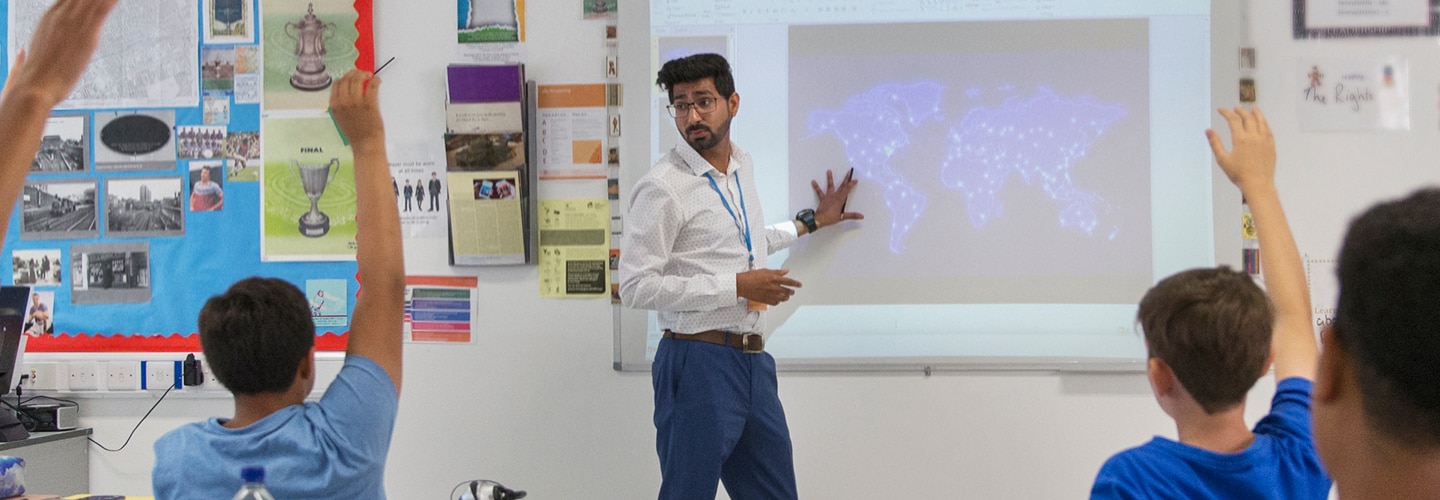
  • A teacher working on a interactive whiteboard and students raising their hands

    Universal Design for Learning (UDL) in language education

    By Charlotte Guest
    Okuma zamanı: 5 minutes

    Language classrooms are naturally diverse. Some students are confident speakers but struggle with writing. Others may be multilingual learners, students with learning differences or learners who simply need more time and support. Universal Design for Learning (UDL) offers a practical framework for meeting these varied needs without creating separate lessons for every student.

    UDL was developed by CAST, a nonprofit organization focused on education research and development, and is based on the idea that barriers to learning often exist in the design of instruction rather than in the learners themselves. Instead of expecting all students to learn in the same way, UDL encourages teachers to provide flexible pathways that help everyone access and engage with learning. According to CAST's overview of UDL , UDL aims to improve learning for all students through flexible goals, methods, materials and assessments.

    The three core principles of UDL

    At the heart of UDL are three principles that help teachers design more inclusive learning experiences.

    1. Multiple means of engagement

    This principle focuses on motivation and participation. Students are more likely to learn when they see value in what they are doing and have some choice in how they learn.

    In a language classroom, this might include:

    • Allowing students to choose discussion topics related to their interests
    • Using authentic materials such as podcasts, songs, news articles or social media posts
    • Offering different levels of challenge within the same activity

    When students feel connected to the content, they are more willing to take risks and use the target language. The CAST UDL Guidelines provide detailed recommendations for increasing learner engagement and motivation.

    2. Multiple means of representation

    Students do not all process information in the same way. UDL encourages teachers to present information through different formats so that learners have several ways to understand new content.

    For language teachers, this could mean:

    • Combining written text with audio recordings
    • Using images, diagrams, gestures and videos to support comprehension
    • Pre-teaching key vocabulary before introducing a complex reading task
    • Providing transcripts for listening activities

    These supports are not only beneficial for students with identified learning needs; they often improve comprehension for the entire class. CAST's guidance on representation highlights how varied formats can support learner understanding.

    3. Multiple means of action and expression

    Students should have different opportunities to demonstrate what they know. Traditional language assessments often favor a narrow set of skills, but learners may show understanding in many ways.

    Examples include:

    • Recording an oral presentation instead of delivering it live.
    • Creating a video, podcast or digital story.
    • Participating in an interview or conversation.
    • Producing written work using supportive technologies.

    The learning objective remains the same, but students have more than one way to demonstrate achievement. The educational resource Understood.org explains this principle in its guide to UDL.

    Why UDL matters in language education

    Language learning involves reading, writing, listening, speaking, vocabulary development and cultural understanding. Because so many skills are involved, barriers can emerge in different places for different learners. UDL helps teachers anticipate these differences and design lessons that provide access from the start rather than adding accommodations later.

    Research from CAST suggests that designing for learner variability benefits all students, not just those with identified educational needs. This is particularly relevant in language classrooms, where students often have diverse linguistic backgrounds, proficiency levels and learning preferences.

    Importantly, UDL is not about creating separate lessons for every learner. Instead, it is about building flexibility into lesson design so that a wider range of students can participate successfully.

    UDL strategies for language teachers

    If you are new to UDL, start small. Consider adding one or two flexible options to your existing lessons.

    Here are a few simple ideas:

    • Provide both written and spoken instructions.
    • Use captions on videos whenever possible.
    • Offer vocabulary lists with visuals and examples.
    • Allow students to choose between speaking or writing for some tasks.
    • Include collaborative and independent learning opportunities.
    • Use digital tools that support translation, text-to-speech or speech-to-text functions.
    • Clearly communicate learning goals before each lesson.

    For additional classroom examples, CAST's UDL Guidelines website contains guidance that teachers can adapt across different age groups and language-learning contexts.

  • Friends stood by a camper van with food by the sea socialising

    How to maintain language skills over summer break

    By Charlotte Guest
    Okuma zamanı: 3 minutes

    Summer break is a welcome chance to relax, but it can also be a challenging time for students. Without regular classes over the summer, many students notice that their vocabulary, grammar and speaking confidence begin to fade: this is often called the "summer slide".. The good news is that maintaining language skills over summer break does not require hours of study each day. Small, consistent habits can help you retain what you have learned and return to your studies with confidence.

    Why language learners forget so much during summer break

    When we stop using a language regularly, our brains begin to forget information that is not being reinforced. Vocabulary becomes harder to recall, grammar rules feel less familiar and speaking confidence can decrease.

    Fortunately, language retention does not require intensive study. The key is maintaining regular contact with the language, even for just a few minutes a day.

  • Students sat together talking

    Mindfulness in the classroom: Autopilot and paying attention

    By Amy Malloy
    Okuma zamanı: 4 minutes

    In today's digital world, students face constant distractions that can make it difficult to stay focused during lessons. From social media notifications to endless online content, maintaining attention has become one of the biggest challenges in modern education.

    This is where mindfulness in the classroom can make a significant difference. By helping students become more aware of the present moment, mindfulness can strengthen concentration, improve learning outcomes, and support overall wellbeing.

    What is "Autopilot" thinking?

    Have you ever reached the end of a page in a book and realized you can't remember what you just read?

    This experience occurs when the brain slips into a semi-conscious state, often referred to as "autopilot" mode. During autopilot, we continue carrying out tasks while our thoughts drift elsewhere, planning future events, worrying about problems or replaying past experiences.

    While this automatic mode helps us complete routine tasks efficiently, it can also reduce our awareness of what's happening right now. As a result, students may appear present in class while their attention is elsewhere.

    For educators, understanding this tendency is essential because sustained attention is critical for learning, memory formation and academic success.

    Why mindfulness matters in education

    According to mindfulness expert Jon Kabat-Zinn, mindfulness means:

    "Paying attention in a particular way: on purpose, in the present moment and non-judgmentally."

    The key phrase is "on purpose".

    Mindfulness trains students to deliberately focus their attention rather than allowing their minds to wander automatically. Like any skill, attention becomes stronger with practice. Repeated mindfulness exercises help create neural pathways that support concentration and self-awareness.

    For younger children, this is especially important because the brain develops rapidly during the primary school years. Building healthy attention habits early can have lasting benefits throughout education and beyond.

    Benefits of mindfulness in the classroom

    Implementing mindfulness activities in schools can offer several advantages:

    Improved attention span

    Regular mindfulness practice helps students sustain focus for longer periods, making it easier to engage with lessons, reading tasks and independent study.

    Better learning outcomes

    When students pay closer attention, they absorb and retain information more effectively, leading to stronger academic performance.

    Reduced stress and anxiety

    Mindfulness techniques can help students manage exam pressure, classroom stress and emotional challenges by encouraging calm, focused awareness.

    Stronger emotional regulation

    Students become more aware of their thoughts and feelings, helping them respond thoughtfully rather than react impulsively.

    Enhanced digital wellbeing

    Mindfulness can help counteract the constant distractions created by smartphones, social media and digital devices.

    Why attention skills are more important than ever

    Many educators are concerned about the impact of technology on student concentration. While researchers continue to debate whether overall attention spans are shrinking, there is broad agreement that attention is shaped by habit.

    The brain becomes better at whatever it repeatedly practices.

    If students frequently switch between apps, notifications and multiple streams of information, sustained focus can become more difficult. Conversely, practicing mindful attention strengthens the brain's ability to concentrate on a single task.

    This is particularly important for teenagers. During adolescence, the brain undergoes significant restructuring, strengthening frequently used neural pathways while reducing those that are rarely activated.

    The message is simple: attention is a skill that improves through use.

    Three mindfulness activities for students

    Teachers can introduce mindfulness through simple exercises that fit naturally into the school day.

    1. Mindful technology use

    Help students develop awareness around screen time by encouraging intentional device use.

    Steps:

    1. Pause before using a device.
    2. Notice how you feel.
    3. Decide on a single task to complete.
    4. Visualize the steps required.
    5. Complete the task without distractions.
    6. Put the device away once finished.
    7. Reflect on any urge to continue scrolling.

    2. Mindful eating exercise

    This activity encourages students to engage all their senses and become fully present.

    Ask students to:

    • Observe five things they can see about their snack.
    • Notice five things they can feel.
    • Identify five scents.
    • Slowly taste the food and recognize subtle flavors.
    • Reflect on the experience.

    This exercise develops sensory awareness and helps students practice sustained attention.

    3. Breath counting for focus

    One of the simplest and most effective mindfulness exercises for students.

    Instructions:

    1. Sit comfortably.
    2. Close your eyes or soften your gaze.
    3. Focus on your breathing.
    4. Count each breath from one to ten.
    5. If your mind wanders, gently return attention to the breath.
    6. Repeat as needed.

    Over time, students often find it easier to maintain concentration and remain present.

    How teachers can introduce mindfulness successfully

    Teachers do not need extensive training to begin incorporating mindfulness into lessons. Small, consistent practices often produce the greatest benefits.

    Consider:

    • Starting lessons with a one-minute breathing exercise.
    • Using mindfulness before tests or presentations.
    • Encouraging reflection at the end of lessons.
    • Incorporating mindful listening activities during discussions.
    • Promoting conscious technology use in digital learning environments.

    Consistency is more important than duration. Even a few minutes each day can help students develop stronger focus and self-awareness.

    By helping students move away from autopilot thinking and engage more fully with the present moment, mindfulness supports both academic success and emotional well-being.

    Whether through mindful breathing, mindful eating or conscious technology use, small daily practices can have a lasting impact on how students learn, focus and thrive.