

Tatilinizde yerel biri gibi uyum sağlamak için temel İngilizce ifadeler

Charlotte Guest
Charlotte Guest
Bir kadın bir meydanda durmuş, elinde bir harita ile etrafına bakıyordu
Okuma zamanı: 5 dakikadır.

Yaz geldi ve yakında bir tatil için hazırlanıyor olabilirsiniz. Yerel dilin bir kısmını bilmek her zaman yardımcı olur, ancak gerçekten anadili İngilizce bir konuşmacı gibi konuşmak için, yerel halkın günlük konuşmalarda kullandığı yaygın ifadeleri ve deyimleri kavramalı ve kullanmalısınız. Anadili İngilizce olan kişiler bu ifadelere doğal olarak hakimken, akıcı konuşmayanların akıcılık elde etmek için genellikle bunları incelemesi ve pratik yapması gerekir.

Bu blog yazısında, daha çok yerel gibi ve daha az turist gibi görünmenize yardımcı olacak temel İngilizce ifadelerini inceleyeceğiz.

Yerel biri gibi İngilizce konuşmanıza yardımcı olacak ifadeler
Gizlilik ve çerezler

İçeriği izleyerek, Pearson'ın bir yıl boyunca pazarlama ve analiz amacıyla izleyici verilerinizi paylaşabileceğini ve bunu çerezlerinizi silerek geri alabileceğinizi onaylamış olursunuz. 

Bilmeniz gereken yaygın İngilizce deyimler ve ifadeler

Nereye gittiğinize bağlı olarak, dil çok farklı olacaktır, ancak çoğu zaman, bazı İngilizce ifadeler çakışır, bu nedenle bazı yaygın ifadelerin birden fazla ülkede kullanıldığını duyabilirsiniz.

"Hepsi armut şeklinde gitti" (UK)

Bu ilginç ifade, bir şeylerin ters gittiği veya planlandığı gibi gitmediği anlamına gelir. Örneğin, kötü hava koşulları nedeniyle tatil planlarınız bozulursa, "Sahil gezimiz tamamen armut şeklinde geçti" diyebilirsiniz. Başka bir deyişle, tatilimiz için kötü bir haber.

"Telaşa gerek yok dostum!" (Australia/UK)

Australia'da sık sık "Endişelenme dostum!" her şeyin yolunda olduğunu veya bir sorun olmadığını ifade etmek için kullanılır. Bu, çok yönlü bir güvence ve samimiyet ifadesidir. Örneğin, işlek bir caddede birine çarptığınız için özür dilerseniz, yanıt olarak neşeli bir "Endişelenme dostum!" alabilirsiniz.

"Botlarınızı doldurun" (Canada)

Bu ifade, istediğiniz kadar bir şeye yardım etmek için kendinize bir davettir. Örneğin, bir büfedeyseniz ve birisi "Botlarınızı doldurun" diyorsa, sizi istediğiniz kadar yemeğin tadını çıkarmaya teşvik ediyor. Cömertliği ve misafirperverliği sergileyen hoş bir ifadedir.

"Adil dinkum" (Australia)

Bu ifade, bir şeyin gerçekliğini veya gerçekliğini doğrulamak için kullanılır. Diğer İngilizce lehçelerinde "gerçekten" veya "dürüstçe" demekle eşitlenebilir. Örneğin, biri size yerel vahşi yaşam hakkında şaşırtıcı bir gerçek söylerse, bunun gerçekten doğru olduğunu doğrulamak için "Adil dinkum?" ile yanıt verebilirsiniz.

"Takoz" (UK)

Bu ifade, bir şeyin kapasitesinin dolu olduğu anlamına gelir. Örneğin, bir pub veya restoran çok kalabalıksa, birinin "Pub bu gece tıklım tıklım dolu" dediğini duyabilirsiniz. Alanın sınırlı olduğu veya bir alanın çok meşgul olduğu bir durumu tanımlamanın çağrıştırıcı bir yoludur.

"Double-double" (Canada)

Canada'de, özellikle kahveden bahsederken, "double-double", iki krema ve iki şeker içeren bir kahveyi ifade eder. Örneğin, bir kafedeyseniz ve iki krema ve iki şekerli bir kahve istiyorsanız, "Bir double-double yapacağım lütfen" dersiniz. Bu ifade, akıcı bir İngilizce konuşmacısı gibi ses çıkarmanızı sağlayacaktır.

"Kafam karıştı" (UK)

Kendinizi çok yorgun mu hissediyorsunuz? O zaman "bıkmış" olursunuz. Bu ifade, UK genellikle yorgunluğu ifade etmek için kullanılır. Geziyle geçen uzun bir günün ardından, "Tamamen şaşkına döndüm!" diyebilirsiniz. Mavi ayda sadece bir kez bu kadar yorgun hissediyorsanız, şanslısınız! Bu, UKgünlük konuşmalarda yorgunluğu ifade etmenin yaygın bir yoludur.

"Bu benim fincan çayım değil" (UK)

Hoşunuza gitmeyen bir şey varsa, "Bu benim fincan çayım değil" diyebilirsiniz. Bu ifade, ilgisizliği veya hoşnutsuzluğu ifade etmenin kibar bir yoludur. Örneğin, "Korku filmleri benim fincan çayım değil" diyebilirsiniz. İngilizce ana diliniz olmasa bile, "Bu benim fincan çayım değil" gibi ifadeler kullanmak kulağa daha doğal gelmenize yardımcı olabilir.

"Biraz sinirli" (UK)

Kendinizi biraz sinirlenmiş veya tahriş olmuş bulursanız, "biraz sinirlenmiş" ifadesini kullanabilirsiniz. Hoşnutsuzluğu ifade etmenin hafif bir yolu. Örneğin, bir kuyrukta uzun süredir bekliyorsanız ve biri önünüze keserse, "İçeri girdiklerinde biraz sinirlendim" diyebilirsiniz. Sıraya girmenin size daha hızlı hizmet vereceğini düşünüyorsanız, yanlış ağaca havlıyorsunuz demektir. Akıcı İngilizce konuşanlar, hafif tahrişi kibarca ifade etmek için genellikle "biraz miffed" ifadesini kullanırlar.

"Naber?" (ABD)

Amerika Birleşik Devletleri'nde yaygın bir selamlama olan "Naber?" birine nasıl olduklarını veya ne yaptıklarını sormanın sıradan bir yoludur. Son derece yaygındır ve genellikle arkadaşlar ve tanıdıklar arasında kullanılır. Örneğin, bir arkadaşınızla buluşurken, bir sohbet başlatmak için "Hey, naber?" diyebilirsiniz.

Duyabileceğiniz bir başka sıradan selamlama da "Hayat nasıl?" birinin iyiliğini kontrol etmek için kullanılır.

"Bir çırpıda" (UK)

Birinin bu ifadeyi "bir anda" kullandığını duyarsanız, bunu çok hızlı bir şekilde yapacakları anlamına gelir. Çabukluğu veya yakınlığı belirtmek için kullanılan bir ifadedir. Örneğin, bir restoranda yemeğinizi bekliyorsanız ve sunucu "Bir anda hazır olacak" diyorsa, yemeğin kısa süre içinde gelmesini bekleyebilirsiniz.

"Çuvalı vur" (ABD)

Yatmaya veya uyumaya hazırsanız, "çuvala vurmak" ifadesini kullanabilirsiniz. Uyuyacağınızı söylemenin sıradan bir yolu. Aktivitelerle geçen uzun bir günün ardından arkadaşlarınıza "Çok yoruldum, sanırım çuvala vuracağım" diyebilirsiniz. İngilizcekonuşurken, "çuvalı vurmak" gibi ifadeler kullanmak, konuşmalarınızın kulağa daha doğal gelmesini sağlayabilir.

"Yağmur yağan kediler ve köpekler" (UK)

İngilizler hava durumu hakkında konuşmayı severler, bu yüzden bu deyimin hava durumuyla ilgili olması şaşırtıcı değildir. Deyim, şiddetli yağmuru tanımlamanın renkli bir yoludur. Bu deyimi kullanmak sadece yağmurun şiddetini iletmekle kalmaz, aynı zamanda konuşmanıza bir mizah dokunuşu da katar. Yağışlı mevsimlerinde (ki bu düşündüğünüzden daha sık) ziyaret ederseniz, bu ifadeyi kullanmak için birçok fırsatınız olacaktır.

Son

Bu yaygın İngilizce ifadelerini konuşmalarınıza dahil etmek, yalnızca daha iyi uyum sağlamanıza yardımcı olmakla kalmayacak, aynı zamanda etkileşimlerinizi daha ilgi çekici ve özgün hale getirecektir. Unutmayın, dil öğrenimi devam eden bir süreçtir, bu nedenle hata yapmaktan korkmayın. Konuşma İngilizce kelime dağarcığınızı genişletmek, etkileşimlerinizde kendinizi daha güvende hissetmenize de yardımcı olacaktır.

Ne kadar çok pratik yaparsanız, kendinize o kadar çok güvenirsiniz. Ne kadar çok pratik yaparsanız, o kadar akıcı bir İngilizce konuşmacısı gibi ses çıkarırsınız. Yapabiliyorsanız, anadili İngilizce olan birine danışmak bu tür deyimleri anlamanıza ve doğru kullanmanıza yardımcı olabilir. Anadili İngilizce olan kişiler genellikle hızlı konuşur ve karmaşık kelimeler kullanır, bu nedenle onlardan daha yavaş konuşmalarını istemekten veya anlayışınızı geliştirmek için örnekler vermekten çekinmeyin.

Pearson'dan daha fazla blog

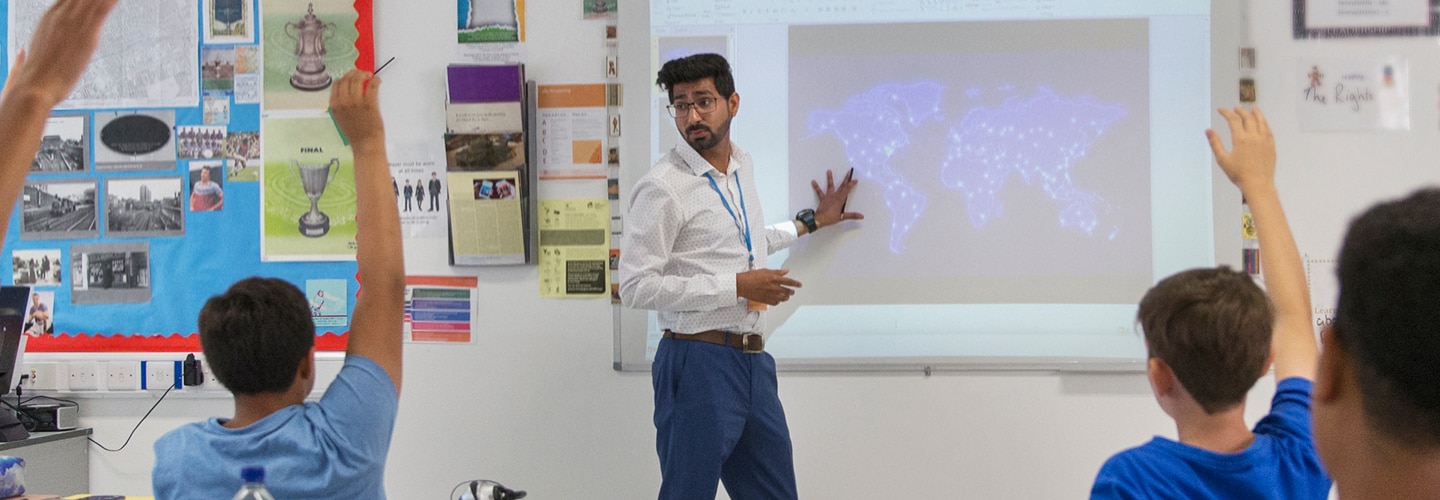
  • A teacher working on a interactive whiteboard and students raising their hands
    Universal Design for Learning (UDL) in language education
    By Charlotte Guest
    Okuma zamanı: 5 minutes

    Language classrooms are naturally diverse. Some students are confident speakers but struggle with writing. Others may be multilingual learners, students with learning differences or learners who simply need more time and support. Universal Design for Learning (UDL) offers a practical framework for meeting these varied needs without creating separate lessons for every student.

    UDL was developed by CAST, a nonprofit organization focused on education research and development, and is based on the idea that barriers to learning often exist in the design of instruction rather than in the learners themselves. Instead of expecting all students to learn in the same way, UDL encourages teachers to provide flexible pathways that help everyone access and engage with learning. According to CAST's overview of UDL , UDL aims to improve learning for all students through flexible goals, methods, materials and assessments.

    The three core principles of UDL

    At the heart of UDL are three principles that help teachers design more inclusive learning experiences.

    1. Multiple means of engagement

    This principle focuses on motivation and participation. Students are more likely to learn when they see value in what they are doing and have some choice in how they learn.

    In a language classroom, this might include:

    • Allowing students to choose discussion topics related to their interests
    • Using authentic materials such as podcasts, songs, news articles or social media posts
    • Offering different levels of challenge within the same activity

    When students feel connected to the content, they are more willing to take risks and use the target language. The CAST UDL Guidelines provide detailed recommendations for increasing learner engagement and motivation.

    2. Multiple means of representation

    Students do not all process information in the same way. UDL encourages teachers to present information through different formats so that learners have several ways to understand new content.

    For language teachers, this could mean:

    • Combining written text with audio recordings
    • Using images, diagrams, gestures and videos to support comprehension
    • Pre-teaching key vocabulary before introducing a complex reading task
    • Providing transcripts for listening activities

    These supports are not only beneficial for students with identified learning needs; they often improve comprehension for the entire class. CAST's guidance on representation highlights how varied formats can support learner understanding.

    3. Multiple means of action and expression

    Students should have different opportunities to demonstrate what they know. Traditional language assessments often favor a narrow set of skills, but learners may show understanding in many ways.

    Examples include:

    • Recording an oral presentation instead of delivering it live.
    • Creating a video, podcast or digital story.
    • Participating in an interview or conversation.
    • Producing written work using supportive technologies.

    The learning objective remains the same, but students have more than one way to demonstrate achievement. The educational resource Understood.org explains this principle in its guide to UDL.

    Why UDL matters in language education

    Language learning involves reading, writing, listening, speaking, vocabulary development and cultural understanding. Because so many skills are involved, barriers can emerge in different places for different learners. UDL helps teachers anticipate these differences and design lessons that provide access from the start rather than adding accommodations later.

    Research from CAST suggests that designing for learner variability benefits all students, not just those with identified educational needs. This is particularly relevant in language classrooms, where students often have diverse linguistic backgrounds, proficiency levels and learning preferences.

    Importantly, UDL is not about creating separate lessons for every learner. Instead, it is about building flexibility into lesson design so that a wider range of students can participate successfully.

    UDL strategies for language teachers

    If you are new to UDL, start small. Consider adding one or two flexible options to your existing lessons.

    Here are a few simple ideas:

    • Provide both written and spoken instructions.
    • Use captions on videos whenever possible.
    • Offer vocabulary lists with visuals and examples.
    • Allow students to choose between speaking or writing for some tasks.
    • Include collaborative and independent learning opportunities.
    • Use digital tools that support translation, text-to-speech or speech-to-text functions.
    • Clearly communicate learning goals before each lesson.

    For additional classroom examples, CAST's UDL Guidelines website contains guidance that teachers can adapt across different age groups and language-learning contexts.

  • Friends stood by a camper van with food by the sea socialising
    How to maintain language skills over summer break
    By Charlotte Guest
    Okuma zamanı: 3 minutes

    Summer break is a welcome chance to relax, but it can also be a challenging time for students. Without regular classes over the summer, many students notice that their vocabulary, grammar and speaking confidence begin to fade: this is often called the "summer slide".. The good news is that maintaining language skills over summer break does not require hours of study each day. Small, consistent habits can help you retain what you have learned and return to your studies with confidence.

    Why language learners forget so much during summer break

    When we stop using a language regularly, our brains begin to forget information that is not being reinforced. Vocabulary becomes harder to recall, grammar rules feel less familiar and speaking confidence can decrease.

    Fortunately, language retention does not require intensive study. The key is maintaining regular contact with the language, even for just a few minutes a day.

  • Students sat together talking
    Mindfulness in the classroom: Autopilot and paying attention
    By Amy Malloy
    Okuma zamanı: 4 minutes

    In today's digital world, students face constant distractions that can make it difficult to stay focused during lessons. From social media notifications to endless online content, maintaining attention has become one of the biggest challenges in modern education.

    This is where mindfulness in the classroom can make a significant difference. By helping students become more aware of the present moment, mindfulness can strengthen concentration, improve learning outcomes, and support overall wellbeing.

    What is "Autopilot" thinking?

    Have you ever reached the end of a page in a book and realized you can't remember what you just read?

    This experience occurs when the brain slips into a semi-conscious state, often referred to as "autopilot" mode. During autopilot, we continue carrying out tasks while our thoughts drift elsewhere, planning future events, worrying about problems or replaying past experiences.

    While this automatic mode helps us complete routine tasks efficiently, it can also reduce our awareness of what's happening right now. As a result, students may appear present in class while their attention is elsewhere.

    For educators, understanding this tendency is essential because sustained attention is critical for learning, memory formation and academic success.

    Why mindfulness matters in education

    According to mindfulness expert Jon Kabat-Zinn, mindfulness means:

    "Paying attention in a particular way: on purpose, in the present moment and non-judgmentally."

    The key phrase is "on purpose".

    Mindfulness trains students to deliberately focus their attention rather than allowing their minds to wander automatically. Like any skill, attention becomes stronger with practice. Repeated mindfulness exercises help create neural pathways that support concentration and self-awareness.

    For younger children, this is especially important because the brain develops rapidly during the primary school years. Building healthy attention habits early can have lasting benefits throughout education and beyond.

    Benefits of mindfulness in the classroom

    Implementing mindfulness activities in schools can offer several advantages:

    Improved attention span

    Regular mindfulness practice helps students sustain focus for longer periods, making it easier to engage with lessons, reading tasks and independent study.

    Better learning outcomes

    When students pay closer attention, they absorb and retain information more effectively, leading to stronger academic performance.

    Reduced stress and anxiety

    Mindfulness techniques can help students manage exam pressure, classroom stress and emotional challenges by encouraging calm, focused awareness.

    Stronger emotional regulation

    Students become more aware of their thoughts and feelings, helping them respond thoughtfully rather than react impulsively.

    Enhanced digital wellbeing

    Mindfulness can help counteract the constant distractions created by smartphones, social media and digital devices.

    Why attention skills are more important than ever

    Many educators are concerned about the impact of technology on student concentration. While researchers continue to debate whether overall attention spans are shrinking, there is broad agreement that attention is shaped by habit.

    The brain becomes better at whatever it repeatedly practices.

    If students frequently switch between apps, notifications and multiple streams of information, sustained focus can become more difficult. Conversely, practicing mindful attention strengthens the brain's ability to concentrate on a single task.

    This is particularly important for teenagers. During adolescence, the brain undergoes significant restructuring, strengthening frequently used neural pathways while reducing those that are rarely activated.

    The message is simple: attention is a skill that improves through use.

    Three mindfulness activities for students

    Teachers can introduce mindfulness through simple exercises that fit naturally into the school day.

    1. Mindful technology use

    Help students develop awareness around screen time by encouraging intentional device use.

    Steps:

    1. Pause before using a device.
    2. Notice how you feel.
    3. Decide on a single task to complete.
    4. Visualize the steps required.
    5. Complete the task without distractions.
    6. Put the device away once finished.
    7. Reflect on any urge to continue scrolling.

    2. Mindful eating exercise

    This activity encourages students to engage all their senses and become fully present.

    Ask students to:

    • Observe five things they can see about their snack.
    • Notice five things they can feel.
    • Identify five scents.
    • Slowly taste the food and recognize subtle flavors.
    • Reflect on the experience.

    This exercise develops sensory awareness and helps students practice sustained attention.

    3. Breath counting for focus

    One of the simplest and most effective mindfulness exercises for students.

    Instructions:

    1. Sit comfortably.
    2. Close your eyes or soften your gaze.
    3. Focus on your breathing.
    4. Count each breath from one to ten.
    5. If your mind wanders, gently return attention to the breath.
    6. Repeat as needed.

    Over time, students often find it easier to maintain concentration and remain present.

    How teachers can introduce mindfulness successfully

    Teachers do not need extensive training to begin incorporating mindfulness into lessons. Small, consistent practices often produce the greatest benefits.

    Consider:

    • Starting lessons with a one-minute breathing exercise.
    • Using mindfulness before tests or presentations.
    • Encouraging reflection at the end of lessons.
    • Incorporating mindful listening activities during discussions.
    • Promoting conscious technology use in digital learning environments.

    Consistency is more important than duration. Even a few minutes each day can help students develop stronger focus and self-awareness.

    By helping students move away from autopilot thinking and engage more fully with the present moment, mindfulness supports both academic success and emotional well-being.

    Whether through mindful breathing, mindful eating or conscious technology use, small daily practices can have a lasting impact on how students learn, focus and thrive.