Öğrencilere küresel vatandaş olmayı öğretmek

Jeanne Perrett
Jeanne Perrett
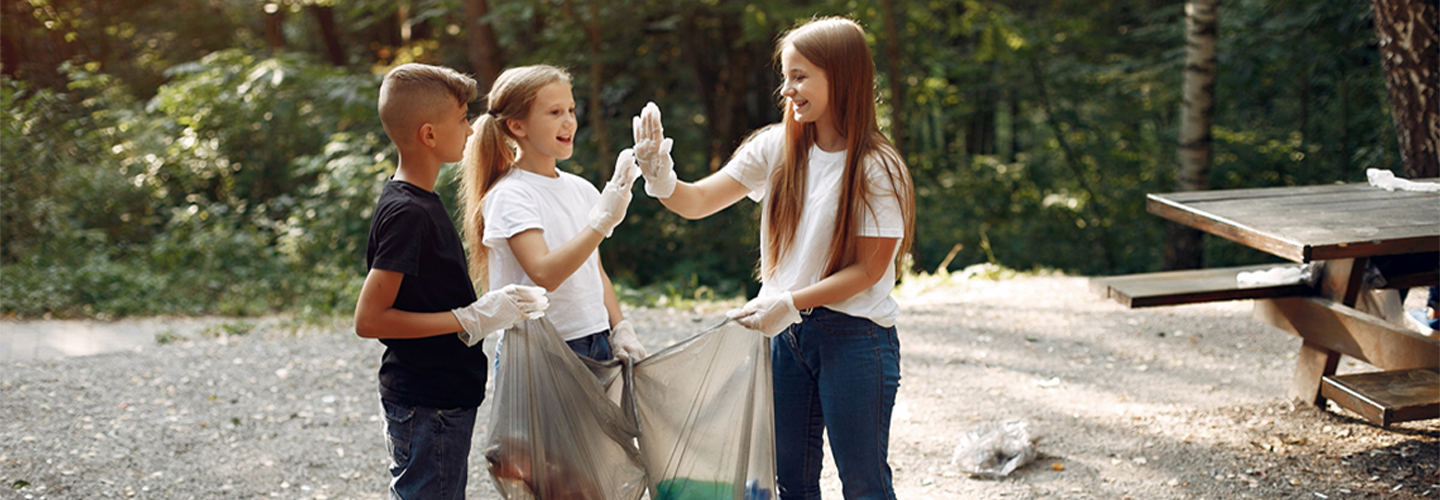
Dışarıda birlikte çalışan çocuklar çöp topluyor
Okuma zamanı: 4.5 dakika

Öğretmenler olarak hepimiz öğrencilerimizin dünyayı daha iyi bir yer haline getirmek için çalışmalarını istiyoruz. Küresel vatandaşlığa odaklanarak, dünyayı değiştirme dürtüsü, sınıfta her gün teşvik edilmesine yardımcı olabileceğimiz bir şeydir. Bu yazıda, nasıl olduğunu keşfedeceğiz.

Küresel vatandaşlar kimlerdir?

Küresel bir vatandaş, dünya çapında bir topluluğun parçası olduğunu bilen kişidir. Farklı yaşam tarzlarına, görünüşlere, kültürlere ve alışkanlıklara sahip olmakla birlikte ortak değerler ve sorumluluklar paylaştığımız insanların var olduğunu farkındadırlar. Küresel vatandaşlık, hoşgörüyü ve anlayışı teşvik eder; bu konuda bilgi sahibi olmak da çocukların açık fikirli yetişkinler olarak yetişmelerine yardımcı olur.

Bir ilkokul İngilizce sınıfında, öğrencilerin dünya vatandaşı olarak kendilerinin farkına varmalarına yardımcı olmak, onları küresel bir düşünme biçimiyle tanıştıracaktır. Bunu yaparken aynı zamanda onların İngilizceye aşina olmalarını ve bu dilde yetkinlik kazanmalarını sağlayabiliriz.

Konsepti nasıl tanıtabiliriz?

Öğrenciler kendilerini küresel bir bağlama koymadan önce, kendilerini birey olarak tanımalıdırlar. Ancak aynı zamanda, içinde bulundukları toplulukların bir parçası olarak kendilerini de tanımaları gerekir.

Sınıfta, bu, öğrencileri kişisel bir şey üzerine düşünmeye teşvik ederek yapılabilir; örneğin, neleri sevip sevmedikleri gibi. Ardından, onları biraz daha derinlemesine düşünmeye yönlendirebiliriz: Topluluklarında ne tür evler görüyorlar? Onlar için bir evi yuva yapan nedir? Peki ya topluluklarında çalışan insanlar — hangi önemli işleri yapıyorlar ve nasıl bir etki yaratıyorlar?

Dil öğretmenleri için amaç, kelime dağarcığı ve dil bilgisi yapılarıyla dünyaya dair yavaş yavaş genişleyen bir bakış açısını birleştirmektir. Sadece, dünya çapında bir topluluğun parçası olduğumuz fikrini tanıtmak bile, çocukları kendi deneyimlerinden çıkararak başkalarını düşünmeye başlamalarına yardımcı olabilir.

İpuçları ve aktiviteler

Sosyal medya, öğretmenlerin sınırların ötesinde birbirleriyle iletişim kurmasını ve okulları arasında iş birliği yapmasını mümkün kılar. Öğle yemeğinden sonra öğrenciler için bir sınıf video görüşmesi düzenlemek ve farklı ülkelerdeki öğrencilerle İngilizce ne yediklerini tartışmaya teşvik etmek gibi basit bir şey, öğrencilerin küresel olarak daha bilinçli olmalarına yardımcı olabilir.

Öğrencilere proaktif olmayı nasıl öğretebiliriz?

Öğrenciler bir şey öğrendikten sonra, bilgilerini eyleme geçirmeye devam edebilirler. Öğretmenler iyi alışkanlıkları teşvik ederek bunu teşvik edebilir - basit bir örnek, çok küçük çocuklara çöplerini bir çöp kutusuna atmayı nasıl öğrettiğimizdir. Yaşlandıkça, bu alışkanlıkları 'açabiliriz '. Yani, çocukların neden bu kadar önemli olduklarına daha derinlemesine bakmalarına yardımcı olabiliriz. Çöp örneğini tekrar kullanırsak, bu, öğrencileri sivil sorumluluklarının gerçek bir çevresel etkiye sahip olduğu konusunda bilinçlendirmek anlamına gelebilir.    

Dil sınıfında yaygın olan bir dizi konu ile basit aşamalar halinde bilmekten yapmaya nasıl geçebileceğimize bakalım:  

Gıda

  • Öğrencilerden neyi sevip neyi sevmediklerini düşünmelerini isteyin. 
  • Öğrencilerden bizim için iyi olan yiyecekleri ve daha fazla ne yememiz gerektiğini söylemelerini isteyin. 
  • Diğer ülkelerdeki okul öğle yemekleri hakkında bilgi verin. 
  • Dünyanın dört bir yanındaki özel günlerde yenen yemekleri öğretin. 
  • Öğrencilerin dünyanın dört bir yanından atıştırmalıklar yaptığı bir yemek festivali veya 'munch günü' düzenleyin.

Ev

  • Öğrencilerden kendi evleri hakkında konuşmalarını isteyin. 
  • Diğer ülkelerdeki ev türleri hakkında bilgi verin. 
  • Güneş panelleri, yaşam duvarları, çatılardaki rüzgar türbinleri ve inşaat süreçlerinde kullanılabilecek yerel malzemeler gibi eko-mimariyi tartışın.  
  • Saksı çiçekleri dikmek ve okul bahçesini iyileştirmek için sınıf olarak dışarı çıkın veya okul bahçesi için yağmur suyunu toplamak için bir kap yapın. 

Işler

  • İnsanların okulda yaptıkları temizlik, yemek pişirme veya araba kullanma gibi işleri öğretin. 
  • Topluluk içindeki işleri ve neden gerekli olduklarını düşünün. 
  • Her çocuğun ve ebeveynlerinin hangi becerilere sahip olduğunu ve bu becerilerin farklı işler için nasıl gerekli olduğunu düşünün. 
  • Öğrencilerin birbirlerine yeni bir şeyler öğrettiği  bir beceri paylaşım günü geçirin.  
  • Öğrencilerin okulda önemli bir işi (sınıfları temizlemek veya öğle yemeği servisi yapmak gibi) yapabilecekleri bir 'çocukların devralma gününe' ev sahipliği yapın. 

Teknoloji

  • Evde ve okulda kullanılan farklı teknoloji türlerini tartışın. 
  • Bu teknolojiyi sorumlu bir şekilde nasıl kullanacağınızı düşünün.  
  • Farklı haneler hakkında konuşun ve tabletlerin, dizüstü bilgisayarların ve telefonların nasıl ve ne zaman kullanıldığını öğrenin. Örneğin, yemek yerken kimlerin video izlemesine izin verilir? Kimler yatakta tabletinde okuyabilir? 
  • Sınıf için kendi teknoloji kurallarınızı oluşturun ve bunların neden önemli olduğunu tartışın. 

Tatil

  • Öğrencilere tatilde ne yapmaktan hoşlandıklarını sorun.
  • Okyanusta veya kırsal kesimde nasıl güvende kalacağınızı öğretin.
  • Öğrencilerin seyahat ettikleri veya seyahat etmek istedikleri diğer ülkeler hakkında konuşun ve bu ülkelerdeki ilginç yerler hakkında bilgi edinin.
  • Eko-turizm çabalarını ve neden önemli olduklarını tartışın.
  • 'Hadi [bir şehir veya ülke adına] gidelim' günü geçirin .  Ünlü turistik yerler hakkında posterler yapın, orada konuşulan dilin bazı ifadelerini öğrenin ve öğrencilerin bir günlüğüne yurtdışına gittiklerini hayal etmelerini sağlayın.

Mesajın paylaşılması

Birleşmiş Milletler, 2030 yılına kadar daha iyi bir gelecek oluşturmayı amaçlayan 17 küresel hedeften oluşan Sürdürülebilir Kalkınma Hedefleri'ni (SKH) belirlemiştir. Cinsiyet eşitliği, açlık ve yoksulluk gibi konuları ele alan bu hedefler, öğretmenlerin küresel vatandaşlığın dünyamızı nasıl iyileştirebileceğini tartışırken sınıfta kullanabileceği mükemmel bir kaynak olabilir.

Öğretmenler, öğrencileri Sürdürülebilir Kalkınma Hedefleri (SKH) hakkında mesajı yaymaları için çeşitli şekillerde teşvik edebilir. Örneğin, öğrenciler:  

  • Okulda veya yerel toplulukta konuşmalar yapabilir.  
  • Bir bağış kampanyası başlatabilir.  
  • Politikalara mektuplar yazabilir.  

Öğrencilere küresel vatandaş olmayı öğretmek büyük bir görev gibi görünebilir. Ancak, bu fikirleri dil derslerine entegre ederek öğretmenler, öğrencilerde önemli bir tohum ekme fırsatı yakalar. Kim bilir, belki de bu öğrenciler gerçekten dünyayı değiştireceklerdir.

Rise and Shine Hakkında

Rise and Shine, dil öğrenimini küresel vatandaşlıkla birleştiren 7 seviyeli hikaye tabanlı bir kitaptır. Öğrencilerin tam olarak ne öğrendiklerini ve neden öğrendiklerini anlamalarına yardımcı olmak için, Global Scale of English ile uyumlu bir şekilde geliştirilmiştir. 

Kitap, öğrencilere kendine güvenen kaşifler olmaları için ilham verir - İngilizce öğrenirler ve sorumlu küresel vatandaşlar olmayı hedeflerler. Seri ayrıca kapsayıcı ve karma yetenekli sınıflarda kullanılmak üzere tasarlanmıştır ve her öğrencinin başarılı olmasını ve parlamasını destekler.

Pearson'dan daha fazla blog

  • A parent and child sat on a sofa looking at a laptop smiling
    Four steps to make sure the transition back to school goes well
    By Donatella Fitzgerald MBE
    Okuma zamanı: 4 minutes

    As a new school year begins, teachers and parents share the same goal: helping students return to learning with confidence.

    After the long summer break, many learners are excited to see their friends again, but getting back into a school routine isn't always easy. Some students may be starting a new class, meeting a new teacher or preparing for important exams. For English language learners, returning to the classroom can also mean rebuilding confidence in using English every day.

    A smooth transition back to school can help students feel more settled, engaged and ready to learn. Here are four practical ways teachers and families can support learners as they start the academic year.

    1. Be organized and create routines

    "Organizing is what you do before you do something, so that when you do it, it's not all mixed up." – A. A. Milne

    Strong routines help students know what to expect and reduce unnecessary stress during the first few weeks of school.

    At home, families can hold a "back-to-school meeting" to agree on routines for the year ahead. This could include:

    • Getting school bags and clothes ready the evening before
    • Setting regular homework times
    • Planning family mealtimes
    • Making time for exercise and relaxation

    When everyone has a chance to contribute, it helps build routines that are realistic and easier to stick to. Writing these routines on a family planner or wall chart can also help everyone stay on track.

    For English language learners, consistent routines can be especially helpful. Predictable study times create regular opportunities to practise reading, speaking or reviewing vocabulary, helping students build confidence throughout the school year.

    2. Start bedtime routines early

    "Early to bed and early to rise, makes a man healthy, wealthy, and wise." – Benjamin Franklin

    Good sleep plays an important role in students' wellbeing, concentration and learning.

    After the holidays, it can be difficult to switch from late nights back to early mornings. Rather than making sudden changes, encourage families to gradually move bedtimes earlier by 30 to 60 minutes over several days before school starts. This makes the adjustment much easier for everyone.

    Reducing screen time before bed can also improve sleep quality. Ideally, children and adults should avoid screens for at least 30 minutes before going to sleep.

    Well-rested students are more likely to stay focused, participate in class discussions and retain new vocabulary and language skills.

    3. Talk about homework and teach organizational skills

    "When it's obvious that the goals cannot be reached, don't adjust the goals, adjust the action steps." – Confucius

    Organization is a skill that develops over time and can make a significant difference to students' success.

    As homework increases throughout the school year, parents and teachers can work together to help students develop good study habits.

    Encourage learners to:

    • Break homework into manageable tasks
    • Create a weekly study plan
    • Prioritize more challenging work when they have the most energy
    • Set realistic goals for completing assignments

    Introducing SMART goals can also help students take ownership of their learning:

    • Specific – What exactly will they do?
    • Measurable – How will they know they've succeeded?
    • Achievable – Is the goal realistic?
    • Relevant – How does it support their learning?
    • Time-bound – When will they complete it?

    Creating a quiet, organized study space at home also helps students stay focused. Parents can support learners by being available to answer questions, encouraging effort and celebrating progress—not just results.

    For English language learners, homework routines might also include reading for a few minutes in English each day, reviewing vocabulary or practicing speaking with family members or classmates.

    4. Make mealtimes quality family time

    "Kids who grow up having family dinners, when they're on their own, tend to eat more healthily." – Anne Fishel

    Busy schedules can make it difficult for families to spend time together, but sharing a meal provides a valuable opportunity to connect and talk about the day.

    Simple conversations help children reflect on their experiences and build confidence expressing themselves. Families might ask questions such as:

    • What did you enjoy at school today?
    • What made you laugh today?
    • What was something new you learned?
    • Was there anything you found challenging?

    Listening carefully and giving children your full attention shows that their thoughts and feelings matter. Even if weekday meals aren't always possible, planning time together at weekends can have lasting benefits.

    For students learning English, these conversations can also provide valuable opportunities to practice new words, describe their day and build confidence communicating outside the classroom.

    Help students start the year with confidence

    Returning to school is about more than buying new supplies or preparing lesson plans: it's about helping students feel ready to learn.

    By establishing routines, encouraging healthy habits, supporting independent study and making time for meaningful conversations, teachers and families can work together to create a positive start to the school year.

    Small, consistent actions during the first few weeks can help students settle in more quickly, rebuild confidence and develop habits that support successful learning throughout the year.

  • A man sat at a laptop studying in a library holding a pen and paper
    Do at-home tests lack real support?
    By Alice Bazzi
    Okuma zamanı: 2 minutes

    One of the most persistent concerns around at-home English testing is the perception that candidates are left largely on their own, having to navigate systems, troubleshoot issues and manage the entire experience without any meaningful support. For students already under pressure, this assumption can create hesitation and, in some cases, discourage them from choosing remote testing altogether. But today’s at-home testing experience looks very different. 

    Online tests like PTE Express provide clear, accessible preparation materials that include detailed guidance, checklists and FAQs that walk candidates through every requirement. This ensures there is no ambiguity around what is expected, from technical setup to testing conditions. 

    Before the test starts, candidates are guided through comprehensive system readiness checks. These verify:

    • Device compatibility
    • Internet stability
    • Audio and camera functionality
    • Environmental suitability

    This proactive step is vital. It significantly reduces the likelihood of disruptions on test day and ensures candidates can begin their session with confidence, knowing that everything is set up correctly.

  • A man sat in a pod chair working on laptop
    A teacher's guide to safe and ethical AI use for students
    By Charlotte Guest
    Okuma zamanı: 5 minutes

    Artificial Intelligence (AI) is becoming a normal part of education. Many students now use AI tools like ChatGPT, Gemini and Microsoft Copilot to help with homework, writing, studying and even learning new languages.

    These tools can be very helpful, but they also bring new challenges. Some students use AI to improve their understanding, while others may rely on it too much or copy its answers without thinking.

    Teachers have an important role to play. Instead of telling their students not to use AI, they can teach them to use it use it safely, responsibly and ethically. When students understand both the benefits and the risks, they can use AI to become better learners rather than simply finding shortcuts.

    What does ethical AI use mean?

    Ethical AI use means using AI in a fair, honest and responsible way.

    Students should think of AI as a learning assistant, not as someone who completes their work for them. AI can explain grammar, suggest vocabulary, give writing feedback or help students practise conversations. However, students should still make their own decisions, solve problems and create their own work.

    A simple rule to remember is:

    Use AI to support your learning, not replace it.

    This mindset helps students develop real language skills and become more confident learners.

    Talk openly about AI in the classroom

    Many students are already using AI, whether teachers ask them to or not. Because of this, it's important to create an open and honest conversation about AI rather than ignoring it.

    When students know they can ask questions without being judged, they are more likely to use AI responsibly. Explain when AI is helpful, when it should not be used and why learning still requires effort and practice.

    Every school may have different rules about AI, so make sure your students understand your expectations. If everyone knows what is allowed and what is not, there is much less confusion.

    Show students how AI can support learning

    AI works best when it helps students think, practice and improve.

    For example, students can ask AI to:

    • Explain difficult grammar rules
    • Create vocabulary quizzes
    • Suggest speaking questions
    • Practice everyday conversations
    • Check writing for grammar and spelling mistakes
    • Rewrite a text using simpler or more advanced English
    • Generate ideas before starting a writing task

    These activities encourage active learning because students are still involved in the process.

    However, AI should not be used to write essays, complete homework or answer exam questions without the student's own effort. If AI does everything, the student misses valuable opportunities to practice and improve.

    Protect students' privacy

    One of the most important lessons teachers can share is how to protect personal information online.

    Students should understand that AI tools may store conversations or use them to improve their systems. Because of this, they should never share private or sensitive information.

    Remind students not to enter:

    • Full names
    • Home addresses
    • Phone numbers
    • Passwords
    • Personal photos
    • School records
    • Private information about friends or family

    Instead, encourage students to use general examples when asking questions.

    For example, instead of sharing a real student's name in a piece of writing, they can simply say "the student" or create a fictional example.

    Learning to protect personal information is an important digital skill that goes beyond using AI.

    Teach students to question AI's answers

    AI is impressive, but it is not perfect.

    Sometimes AI gives incorrect information, misunderstands a question or even invents facts and references. Because AI often sounds confident, students may believe everything it says without checking.

    This is why critical thinking remains essential.

    Encourage students to ask themselves questions such as:

    • Does this answer make sense?
    • Can I find the same information somewhere else?
    • Would my teacher agree with this explanation?
    • Have I understood the answer or am I just copying it?

    Helping students develop these habits will make them stronger learners long after they leave the classroom.

    Encourage honesty and responsibility

    Being honest about AI use is an important part of academic integrity.

    If students use AI to brainstorm ideas, improve grammar or practice vocabulary, that can be a positive learning experience. However, they should not pretend that AI-generated work is completely their own if school policies require them to explain how AI was used.

    Teachers can make this easier by clearly explaining what is acceptable in different activities. For example, AI might be allowed for homework planning but not during assessments or exams.

    When expectations are clear, students are more likely to make responsible choices.

    Create simple classroom AI guidelines

    Instead of giving students a long list of rules, try creating a short classroom agreement together.

    You could ask students questions like:

    • When is AI useful?
    • When should we avoid using AI?
    • What does responsible AI use look like?
    • How can AI help us become better language learners?

    Together, you can create a simple agreement such as:

    • I will use AI to help me learn.
    • I will think before accepting AI's answers.
    • I will check important information.
    • I will not copy AI work and claim it as my own.
    • I will protect my personal information.
    • I will ask my teacher if I am unsure.

    When students help create the rules, they often feel more responsible for following them.

    Remember that teachers are still essential

    Some people worry that AI will replace teachers. In reality, AI cannot replace the human side of teaching.

    Teachers motivate students, answer unexpected questions, understand emotions and adapt lessons to meet individual needs. They encourage creativity, build confidence and create meaningful relationships in the classroom.

    AI can provide information, but it cannot replace encouragement, empathy or the experience that teachers bring every day.

    The best classrooms will combine the strengths of both teachers and technology.

    Supporting safe AI use in language learning

    AI is likely to remain an important part of education and language learners can benefit greatly from using it effectively. Instead of seeing AI as something to fear, teachers can help students understand how to use it safely, ethically and responsibly.

    By encouraging critical thinking, protecting privacy, promoting honesty and showing students how AI can support learning rather than replace it, we prepare them for a future where technology plays an important role.

    The goal isn't to stop students from using AI. The goal is to help them become confident, independent learners who know how to use these powerful tools wisely. With clear guidance from teachers, AI can become a valuable learning partner as students continue to develop the language skills and critical-thinking abilities they need for success.