Ch. 16 The Endocrine System
Marieb - Human Anatomy & Physiology 7th Edition
Elaine N. Marieb, Katja Hoehn7th EditionHuman Anatomy & PhysiologyISBN: 9780805359091Not the one you use?Change textbook
Chapter 15, Problem 5a

Choose from the following key to identify the hormones described.
Key:
a. Aldosterone
b. Antidiuretic hormone
c. Growth hormone
d. Luteinizing hormone
e. oxytocin f. prolactin
g. T₄ and T₃
h. TSH ______ 
(1) Important anabolic hormone; many of its effects mediated by IGFs ______ 
(2) Cause the kidneys to conserve water and/or salt (two choices) ______ 
(3) Stimulates milk production ______ 
(4) Tropic hormone that stimulates the gonads to secrete sex hormones ______ 
(5) Increases uterine contractions during birth ______ 
(6) Major metabolic hormone(s) of the body ______ 
(7) Causes reabsorption of sodium ions by the kidneys ______ 
(8) Tropic hormone that stimulates the thyroid gland to secrete thyroid hormone ______ 
(9) Secreted by the posterior pituitary (two choices) ______
(10) The only steroid hormone in the list

Verified step by step guidance
1
Step 1: Understand the hormone functions and their sources. For example, anabolic hormones promote growth and tissue building, tropic hormones stimulate other endocrine glands, and steroid hormones are lipid-soluble hormones derived from cholesterol.
Step 2: Match each description with the hormone from the key based on their known physiological roles. For instance, identify the hormone that is an important anabolic hormone and whose effects are mediated by IGFs (Insulin-like Growth Factors).
Step 3: For hormones that cause the kidneys to conserve water and/or salt, recognize that antidiuretic hormone (ADH) conserves water, and aldosterone conserves sodium (salt). Both affect kidney function but through different mechanisms.
Step 4: Identify tropic hormones by their role in stimulating other glands. For example, luteinizing hormone (LH) stimulates the gonads to secrete sex hormones, and thyroid-stimulating hormone (TSH) stimulates the thyroid gland to secrete thyroid hormones.
Step 5: Recognize hormones secreted by the posterior pituitary (oxytocin and antidiuretic hormone) and identify the only steroid hormone in the list (aldosterone), which is derived from cholesterol and regulates sodium reabsorption.

Verified video answer for a similar problem:

This video solution was recommended by our tutors as helpful for the problem above.
Video duration:
6m
Was this helpful?

Key Concepts

Here are the essential concepts you must grasp in order to answer the question correctly.

Hormone Classification and Function

Hormones are chemical messengers classified by their structure and function, such as steroid, peptide, or amine hormones. Understanding their roles—like anabolic effects, metabolic regulation, or reproductive control—is essential to identify hormones based on their physiological actions.
Recommended video:
08:43
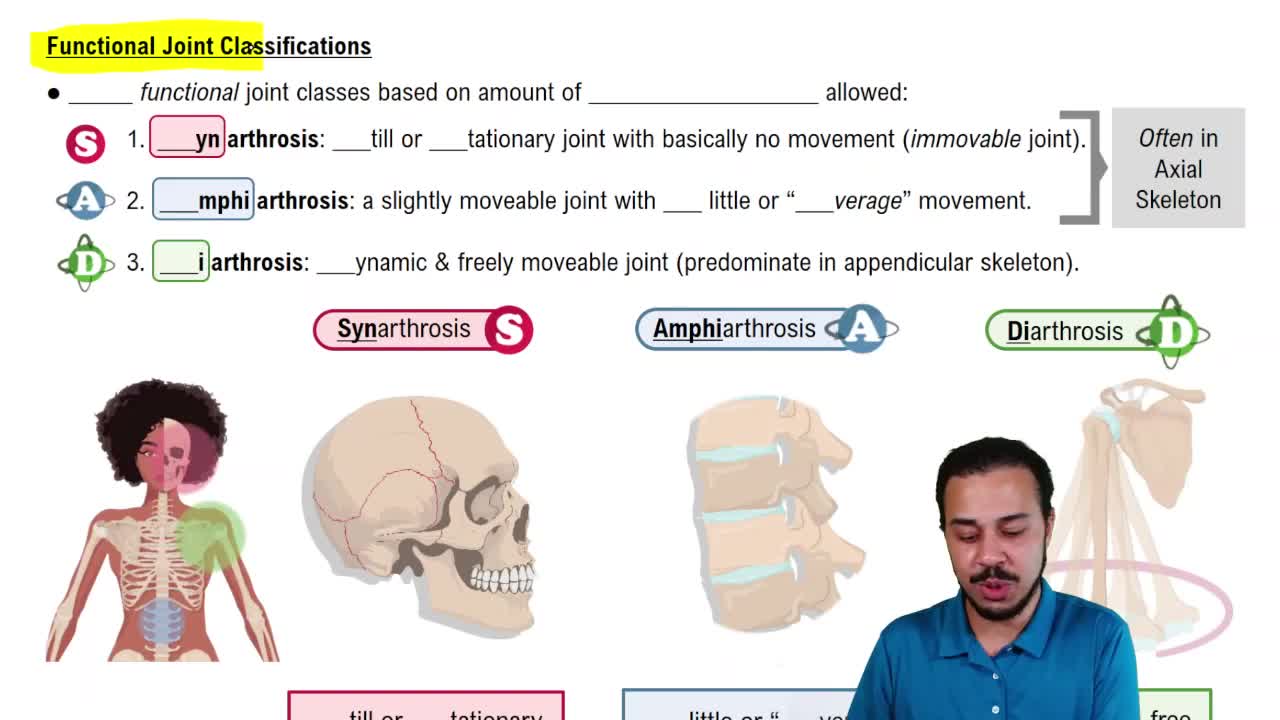
Functional Joint Classifications

Tropic vs. Non-Tropic Hormones

Tropic hormones regulate the activity of other endocrine glands, stimulating them to release hormones, while non-tropic hormones act directly on target tissues. Recognizing which hormones are tropic helps in matching hormones like TSH or LH to their functions.
Recommended video:
Guided course
13:06
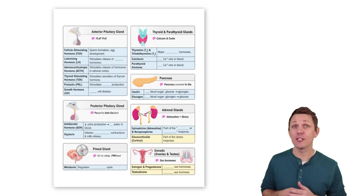
Review of Major Hormones

Hormone Source and Secretion Sites

Knowing where hormones are secreted—such as the anterior or posterior pituitary, adrenal cortex, or thyroid gland—helps in identification. For example, posterior pituitary hormones include ADH and oxytocin, while aldosterone is secreted by the adrenal cortex.
Recommended video:
01:33
Protein Secretion