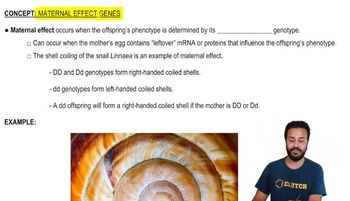
Maternal-effect genes are genes whose products (RNA or proteins) are deposited in the egg by the mother during oogenesis (egg formation). These products influence the early development of the embryo.
The phenotype of the offspring for traits controlled by maternal-effect genes is determined by the genotype of the mother, not the genotype of the offspring itself.
These genes are critical for early embryonic development, as they provide the initial instructions for processes such as axis formation and cell division before the zygotic genome becomes active.
An example of maternal-effect genes can be seen in Drosophila (fruit flies), where genes like *bicoid* and *nanos* establish the anterior-posterior axis of the embryo.
Maternal-effect genes are distinct from zygotic-effect genes, which are expressed after fertilization and depend on the zygote's own genotype.
Verified video answer for a similar problem:
This video solution was recommended by our tutors as helpful for the problem above
Video duration:
1m
Play a video:
Was this helpful?
Key Concepts
Here are the essential concepts you must grasp in order to answer the question correctly.
Maternal-effect genes
Maternal-effect genes are genes expressed in the mother that influence the development of the offspring, regardless of the offspring's own genotype. These genes produce products, such as RNA or proteins, that are deposited in the egg during oogenesis. As a result, the phenotype of the offspring can be affected by the maternal genotype, particularly in early developmental stages.
Gene expression is the process by which information from a gene is used to synthesize functional gene products, typically proteins. In the context of maternal-effect genes, the mother's gene expression determines the type and amount of products that are transferred to the egg, which can significantly impact the early development of the embryo. Understanding gene expression is crucial for grasping how maternal factors influence offspring traits.
Developmental biology is the study of the processes by which organisms grow and develop. It encompasses the mechanisms of gene regulation, cell differentiation, and morphogenesis. Maternal-effect genes play a vital role in developmental biology as they set the stage for the initial phases of embryonic development, influencing how the embryo will develop into a fully formed organism.