Pearson+ LogoPearson+ Logo
Ch. 14 - Translation and Proteins
Klug - Concepts of Genetics  12th Edition
Klug12th EditionConcepts of Genetics ISBN: 9780135564776Not the one you use?Change textbook
Chapter 14, Problem 22

HbS results in anemia and resistance to malaria, whereas in those with HbA, the parasite Plasmodium falciparum is able to invade red blood cells and cause malaria. Predict whether those with HbC are likely to be anemic and whether they would be resistant to malaria.

Verified step by step guidance
1
Understand the genetic basis of the problem: HbS, HbA, and HbC are alleles of the hemoglobin gene. HbS is associated with sickle cell anemia and malaria resistance, while HbA is the normal allele that allows susceptibility to malaria. HbC is another variant of the hemoglobin gene, and its effects need to be analyzed in this context.
Review the molecular and physiological effects of HbC: Research has shown that individuals with the HbC allele produce hemoglobin with a slightly altered structure. This alteration does not cause sickling of red blood cells like HbS, but it may affect the ability of Plasmodium falciparum to invade red blood cells.
Analyze the likelihood of anemia in individuals with HbC: Since HbC does not cause sickling of red blood cells, individuals with the HbC allele are less likely to experience the severe anemia associated with HbS. However, some mild effects on red blood cell function may still occur.
Evaluate malaria resistance in individuals with HbC: Studies suggest that the HbC allele provides some level of resistance to malaria, though not as strong as the resistance seen in individuals with the HbS allele. This resistance is likely due to the altered red blood cell environment, which makes it harder for Plasmodium falciparum to thrive.
Conclude the predictions: Based on the above analysis, individuals with HbC are less likely to be anemic compared to those with HbS, and they are likely to have some resistance to malaria, though not as strong as that conferred by HbS.

Verified video answer for a similar problem:

This video solution was recommended by our tutors as helpful for the problem above.
Video duration:
2m
Was this helpful?

Key Concepts

Here are the essential concepts you must grasp in order to answer the question correctly.

Sickle Cell Trait and Malaria Resistance

Individuals with the HbS variant of hemoglobin have a mutation that causes sickle-shaped red blood cells, which are less hospitable to the malaria parasite Plasmodium falciparum. This trait provides a selective advantage in malaria-endemic regions, as it reduces the severity of malaria infections, leading to increased survival rates among carriers.
Recommended video:
Guided course
13:40
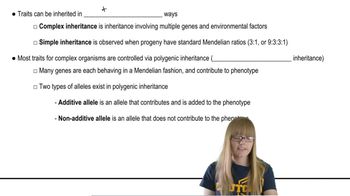
Traits and Variance

Hemoglobin Variants

Hemoglobin variants, such as HbA, HbS, and HbC, are different forms of hemoglobin that arise from mutations in the HBB gene. HbA is the normal form, while HbC is another variant that can affect red blood cell shape and function, potentially influencing susceptibility to anemia and malaria.
Recommended video:
Guided course
07:55
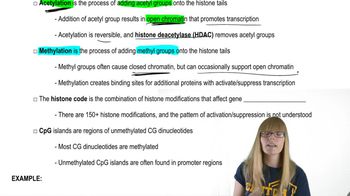
Histone Protein Modifications

Anemia and Its Causes

Anemia is a condition characterized by a deficiency in red blood cells or hemoglobin, leading to reduced oxygen transport in the body. It can result from various factors, including genetic disorders like sickle cell disease or HbC, nutritional deficiencies, or chronic diseases, impacting overall health and resistance to infections.
Recommended video:
Guided course
08:34
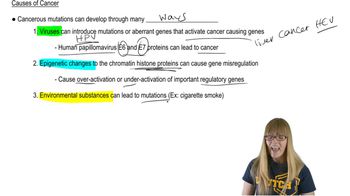
Cancer Causes