Students blog

Explore the latest trends, tips, and experiences in college life in this blog written by fellow students.

Explore posts in other areas.

PreK-12Higher EducationProfessional

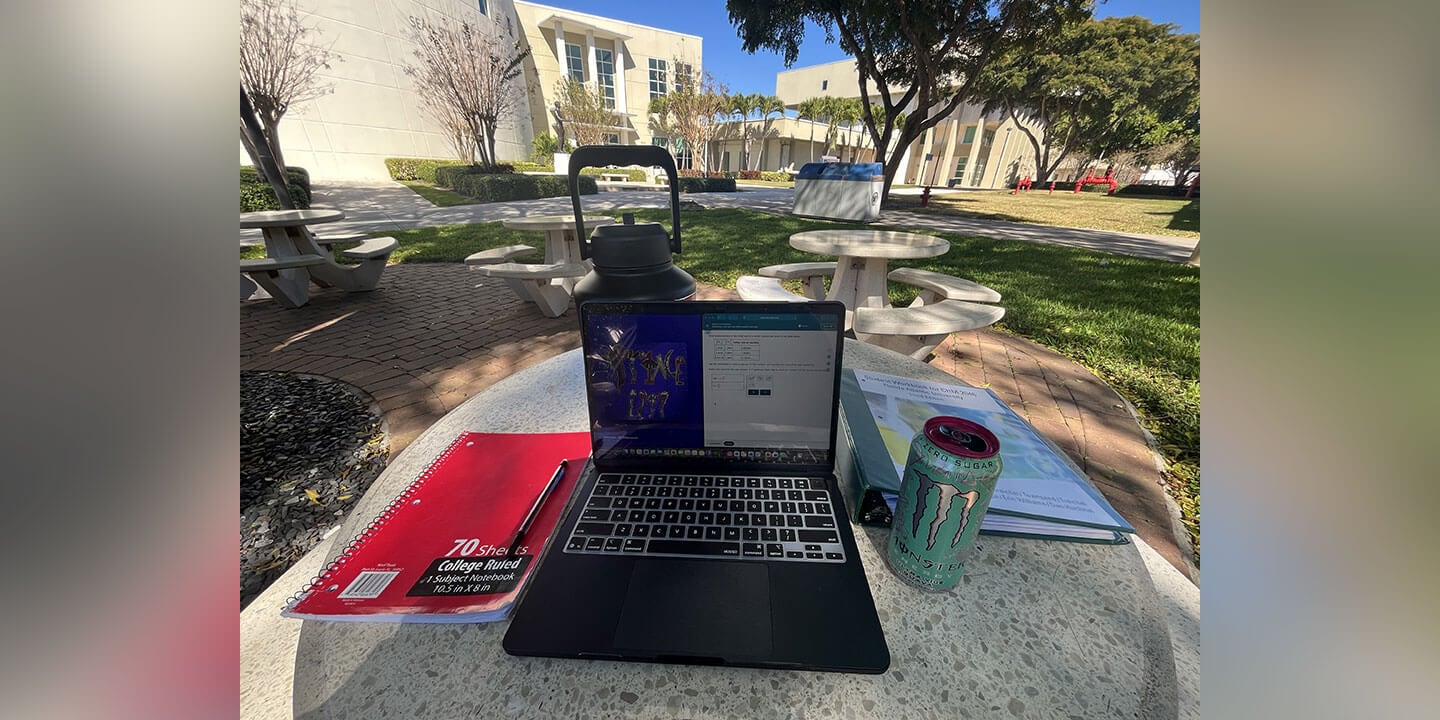
  • An outdoor study scene showing a laptop set up on a cement table surrounded by a notebook, binder, energy drink, and a water bottle on a college campus

    Turning Academic Setbacks into Opportunities for Growth

    Silas King

    College can be one of the most exciting times in life, but it can also be extremely challenging. Students juggle demanding coursework, strict deadlines, high expectations, and life-altering decisions; it’s understandable when a college student faces an academic setback.

    Whether it’s failing an exam, struggling in a difficult class, or feeling overwhelmed, these moments can feel discouraging. However, many students don’t realize that these setbacks are not signs of failure, but opportunities to grow.

    Shift Your Perspective

    Experiencing a poor grade can be frustrating, especially when you’ve put a lot of effort into something. Instead of viewing it as a reflection of your abilities and getting down on yourself, view it as feedback.

    A bad score can highlight areas where your understanding is lacking. It can also show where your study strategies might need adjustment. Reflecting on what went wrong and why can turn a negative experience into a valuable learning moment.

    To bounce back, you must shift your mindset. Avoid being overly critical of yourself. One test, assignment, or class grade does not define your intelligence or future.

    Instead, focus on what you can control. Create an improvement plan. This could mean dedicating more time to studying, seeking a tutor, or trying new learning techniques.

    Prepare Proactively

    Preparation is an important factor when facing challenging coursework. Instead of waiting until you fall behind, take a proactive approach.

    Review course materials regularly, stay organized, and break large tasks into manageable pieces. Developing a consistent study routine can make a significant difference.

    I’ve made the mistake of cramming the night before an exam too many times. Spacing out your studying over several days will improve retention of the material and reduce stress.

    Use Your Resources

    Another way to overcome academic challenges is to use the resources available. Many students, including me, hesitate to ask for assistance, but professors, teaching assistants, and tutoring centers are there for a reason. Attending office hours or joining study groups can provide clarity on difficult concepts and offer different perspectives.

    Adjust Your Study Habits

    Adjusting study habits can also lead to better outcomes. If your current approach to studying isn’t working, trying something new may help.

    For me, it was changing my study setting. Finding new areas to do my work gave me a change of pace, and different settings made studying less boring.

    You can also adjust your study habits with active learning strategies. Try working through problems, writing summaries, or teaching the material to someone else, which is more effective than just rereading notes.

    Build Resilience

    The most important lesson from academic setbacks is resilience. Learning to handle disappointment, adapt, and move forward is a skill that extends beyond the classroom. It allows you to grow as an individual.

    Life will always present challenges, and developing the ability to persevere is essential for long-term success. Maintaining a positive outlook is crucial.

    It’s easy to feel like a single failure is the end of the world, but it’s just a small part of your journey. Every successful person has faced setbacks; their response is what makes the difference. Reframing challenges as opportunities to learn and grow can reduce stress and build confidence in your ability to improve.

    Academic setbacks are not obstacles to success; they are stepping stones. Embrace them, learn from them, and use them to become a better version of yourself.

    Do you have a compelling story or student success tips you’d like to see published on the Pearson Students blog?  If you are a college student and interested in writing for us – click here to pitch your idea and get started! 
     

  • An almost deserted college campus at sunset with two people walking down a campus path.

    Savoring Senior Year

    Cara Murdock

    The college experience comes with high expectations, but I was skeptical at first. It was hard to imagine it topping my high school experience, where I had wonderful friendships, volleyball, gymnastics, and teachers who made classes enjoyable. I was sad to leave my home, family, and friends.

    If only they could see me now! Four years later, I feel the exact same way about leaving college, but to an even greater extent.

    The Gift of Time

    College has taught me so much about myself and who I want to be. It granted me the freedom to make my own choices. I was able to sign up for activities I was interested in and take classes I truly cared about.

    College also gave me the gift of time—more free time than I might ever have again. I have taken this opportunity to fill my schedule with as many activities and events as possible. Now that college is ending, the question I’m asked most often is how to best soak in senior year.

    Memories in the Making

    With just two months left, I find myself trying to fill every opening in my schedule. Between classes, I am scheduling coffee dates or lunch with friends. I have even gotten involved in all the spring intramurals: sand volleyball, softball, and tennis. I am even attending meetings for clubs that I wanted to join but never previously found the time for.

    Though I have enjoyed these planned activities, I’ve had a realization. The casual roommate time before bed, chatting on the stairs while we get ready, is what I will miss most. The best memories were made in those moments with friends when it just happened.

    Savoring the Final Weeks

    To enjoy these last couple of months to the fullest, I am going to try to be as present as I can be. I plan to have more nights in with my friends where we play cards, sit around, and just make each other laugh.

    I also plan to do the bucket list activities I haven’t gotten to yet, like visiting a neighboring city for the day and checking out the Rocky Steps.

    My final advice is this: spend time with your best friends, make a bucket list if you haven’t already, and check off every last item!

    Do you have a compelling story or student success tips you’d like to see published on the Pearson Students blog?  If you are a college student and interested in writing for us – click here to pitch your idea and get started! 

     

  • A desk scene showing a laptop with equations pictured, a stylus, a piece of paper with printed notes, and a green drink.

    How to Salvage a Wasted Day

    Jagruthi Haresamudhra

    We’ve all been there. You had a slow morning. Maybe you slept in or spent too long doomscrolling.

    And suddenly it’s 4 p.m. You’ve done nothing you planned to do, and a mix of guilt and panic starts to set in. Here’s the thing, though: a wasted morning doesn’t have to mean a wasted day. You can turn it around. Here’s how.

    Acknowledge What Happened

    Grab some paper or open a note in your phone and write down every unproductive thing you’ve done today: doomscrolling, excessive napping, or binge-watching your favorite show.

    The goal of this exercise is not to beat yourself up but to get the guilt out and onto a piece of paper. Feeling guilty can quietly drain your energy, and acknowledging the feeling can loosen its grip on you.

    Reset with a “Morning” Routine

    Do your morning routine again to try to trick your brain into thinking it’s a brand-new day. Whether it’s washing your face, changing your clothes, or making your bed, your brain may associate these rituals with starting fresh. That might be all it takes to give you the motivation to get to work.

    But before you do that, if you’re in bed scrolling, put your phone down and get up. Thinking about getting started isn't enough; you have to actually start. The first step is removing yourself from an unproductive environment.

    Make your bed. Walk to another room. Maybe get some water. Getting your body moving is often all it takes to get your mind moving, too.

    Find Your Focus Zone

    Pick somewhere you know puts you in work mode, like a coffee shop or a specific corner of your house. It doesn’t matter where, as long as you’re intentional about it.

    The key here is not just going there but staying there. One sneaky time-waster is spending forty-five minutes trying to find a place to sit, only to then get hungry or need water. Suddenly, another fifteen minutes (or an hour) is gone. Pick a spot, sit down, and don’t move until you’ve done what you planned to get done.

    Put your phone away, too; it’s not your friend right now. Put it on airplane mode or, even better, power it off.

    Create a Time-Blocked Plan

    Have you done all the things above but still lack motivation? Rewrite your to-do list. This time, write it like a planner, broken down by the hour, with only the time you have left.

    This does two things: it shows you how much time you actually have, and it can create a healthy sense of urgency. Remember that productivity often builds on itself. Once you’re in the flow, it’s much easier to keep going.

    Be Realistic with Yourself

    It’s important to be realistic with yourself. You don’t have to finish everything today. If half of the day is already gone, no amount of hustle will change that.

    You’re not trying to have a perfect day anymore. You’re trying to salvage a few good hours, and that’s a completely worthwhile goal.

    A wasted morning, or even an afternoon, isn’t a verdict on the rest of your day. It’s just a slow start. What you do with the hours you have left is what counts.

    Do you have a compelling story or student success tips you’d like to see published on the Pearson Students blog?  If you are a college student and interested in writing for us – click here to pitch your idea and get started! 

     

  • A college football stadium filled to capacity at night with fireworks exploding over the end zone.

    Prepping for the Dual Degree Storm

    Allison Yucht

    Completing a college degree is a huge achievement. Completing two can feel like enduring hurricane season each semester.

    The ‘model semester’ may be a perfect fit for one major. But creating a flawless combination for two can become a whirlwind of conflicting deadlines and priorities.

    However, you can weather this storm. Organization becomes a shutter against the chaos, and putting in extra effort from the beginning will provide a margin for error when you face the strongest winds.

    Charting Your Course

    Before starting a dual degree, think about why you want to pursue it. Will this benefit you in the job market? Do you have the time and headspace to take on two degrees in four years?

    Will your degrees overlap? Or will this path cause complete exhaustion and burnout, and leave you stranded after graduation? Will you have the opportunity to showcase both degrees, or will you just have two plaques on the wall?

    Finding the Silver Lining

    The forecast for a dual degree includes plenty of challenges. However, it also promises an abundance of opportunities. A dual degree can showcase hidden talents that might not otherwise have the chance to shine through.

    I came in as a political science major, a degree full of analysis and lengthy readings. Adding a major in marketing, however, allows me to showcase my creative side and problem-solving skills.

    I initially thought I wouldn’t want to hone these skills, especially since marketing stems from a business degree. Business degrees originally seemed boring to me, but this new path has been inspiring and allows me to see the full expanse of possibilities I could pursue.

    Both degrees combined create a clearer path to what I want to accomplish. I am on track to attend law school and study business law. These two degrees combine to give me the greatest opportunity to achieve my future goals.

    Expanding Your Horizons

    Dual degrees also increase opportunities for real-world experience, which is a major distinction in a pile of résumés. One degree provides a narrow channel for internships. Having two opens up multiple currents, or a potential crossover.

    Is a dual degree a challenge? Absolutely. But the reward is more than just two diplomas to hang on a wall. It’s the discovery of what you’re capable of when you connect different parts of yourself. You learn to synthesize ideas, manage complexity, and ultimately, build a more versatile and confident you.

    Do you have a compelling story or student success tips you’d like to see published on the Pearson Students blog?  If you are a college student and interested in writing for us – click here to pitch your idea and get started! 
     

  • A college campus on a sunny day with students walking and biking across campus in front of historic campus buildings.

    Build a College Schedule That Works for You

    Natalie Jacobs

    Even before my first day on campus, I felt like I’d already survived a whirlwind of tasks. I had chosen my dorm, set up my schedule, explored future opportunities, and so much more.

    College is an exciting new chapter and might be the first time you’ll be away from home for an extended period. Before diving into campus life, it’s helpful to recognize that your body clock, eating habits, personal goals, and commitments all shape your college experience.

    Ignoring these factors can lead to uncomfortable schedules, unhealthy habits, and, in the worst cases, unnecessary stress on your mind and body. The good news is that this is avoidable.

    As a college senior, I’ve learned that a little time and self-reflection go a long way. With them, you can set yourself up for academic success and emotional well-being throughout the school year. I’ll share how understanding your body rhythm can help you advocate for your needs and create a smoother, more enjoyable college experience.

    Know Your Rhythm

    One of the most important steps is recognizing your optimal working hours and learning to advocate for your body above all else. I learned that I couldn't be passive about my schedule or let others make decisions for me; I realized that no one understands my energy levels, habits, or limits better than I do. I felt less assertive when I first left home, especially since I was used to parents or teachers structuring my days, but I built confidence over time.

    Once you have the freedom to choose your own classes, capitalize on that control by building a schedule that supports your natural patterns. Think about when you’re most awake and ready to learn. Consider when you prefer to eat lunch, how long you can stay focused, and when your brain simply checks out for the day.

    Should you really schedule math after three back-to-back classes if it’s your hardest subject? Do you get hangry and zone out if you don’t eat by a certain time? Does the sunset make late evening classes feel twice as long? These questions matter more than you might think.

    Find Your Balance

    Once I learned to accommodate my needs, everything else began to flow more naturally. It helped me set myself up for academic success, and I also had the energy and mental space to explore extracurriculars. Outside your working hours, joining clubs, spending time with friends, or participating in campus events can feel like a well-earned reward after a productive day.

    Work during your prime hours and relax during your natural downtime. This can create a balanced “work hard, play hard” attitude that helps the school year feel fulfilling, not draining.

    A Skill for Life

    Discipline is key to consistency and reaching your goals. Staying firm in your decisions and choosing what makes you comfortable when it’s not the default can be challenging at first, but it becomes easier with practice.

    This may not be a skill you master in one semester, and maybe not even two. Still, if you commit to optimizing your college experience this way, I believe you can make these years some of the most rewarding of your life.

    Do you have a compelling story or student success tips you’d like to see published on the Pearson Students blog?  If you are a college student and interested in writing for us – click here to pitch your idea and get started! 

     

  • A lake with docks and boats along the shore.

    Finding Your Path in College

    Alaina Rueter

    Going into college, I thought I had my life planned out. I planned to major in marketing and eventually work in the fashion industry. I am now in my junior year of college and have a completely different idea of what I want my life to look like.

    The First Detour

    The summer after my first year of college, I had an opportunity to work in the field I believed was my future. As much as I enjoyed my time there, it was not something that I wanted to do for the rest of my life. I knew that I wanted a job where I could help people.

    When I thought about giving back and helping others, the medical field came to mind, so I changed my major to biological sciences. Input from people around me also influenced my choice, and at the time, it felt right.

    A Change of Heart

    I am someone who enjoys learning about many different things, including chemistry and biology. I spent a lot of time thinking about my future career but forgot to factor in what I wanted my life to look like.

    I wanted to get into dermatology. However, medical school and the rigorous schedule that comes with the profession were not what I wanted for my future. After a lot of research, I concluded that this simply was not the path for me.

    Finding the Right Fit

    Once I realized this, I took some time to really think about what I wanted to do and what I wanted my life to look like. Looking back, this was an awfully big decision for an eighteen-year-old to make.

    I had no idea what I wanted. The thought that I could take my life in one hundred different directions was beyond overwhelming. After taking time by myself to figure out my interests, I spoke with my advisor and changed my major for the final time.

    I chose to major in criminal justice because of the diverse opportunities within the legal field. To account for my indecisiveness and varied interests, I knew I needed to pick something that would allow for career versatility.

    It's Okay Not to Know

    I realized that not knowing what you want is okay. Every chaotic and stressful moment along the way helped me figure out what I wanted in the end. Even now, I do not know exactly what I want to do. Still, if there is anything I have learned, it is that finding the path is part of the journey.

    Do you have a compelling story or student success tips you’d like to see published on the Pearson Students blog?  If you are a college student and interested in writing for us – click here to pitch your idea and get started! 

     

  • A laptop surrounded by papers, a notebook, a tablet, and pens lit by blue light suggesting a late-night study session.

    The "Perfect Student" Trap

    Cameron Spence

    For as long as I can remember, I believed that being a “good student” meant being a perfect one. Straight A's weren’t just a goal but a rigid expectation I set for myself. Anything below an A felt like failure, no matter how much effort I put in.

    I felt pressure to be involved in everything from clubs to leadership roles—anything that would “look good” on my résumé. From the outside, it looked like I had everything together. In reality, I was overwhelmed and constantly afraid of falling short.

    My biggest fear wasn't something rational, like heights or spiders; it was failure.

    When Perfection Becomes Pressure

    Looking back, no one ever told me I had to be perfect. I put that pressure on myself. As an only child and a lifelong overachiever, I felt I had to keep that standard going no matter what. I thought I had to be the example for my family and for the future I was trying to build.

    That mindset stuck with me through high school and into my first year of college. It started to take a toll on me. I struggled with anxiety and depression because I tied so much of my worth to my grades.

    If I wasn’t doing well at everything, it felt like I wasn’t doing well at all.

    From Perfect to Purposeful

    The pursuit of perfection is never-ending. I found myself saying yes to every opportunity, not because I genuinely wanted to participate, but because I thought I had to. I believed that the more I did, regardless of my interests, the more successful I'd be.

    Instead, I spread myself too thin. I was involved in so many things that I couldn't fully dedicate my time to any of them.

    Over time, I realized that doing everything is not the same as doing everything well. Being part of one or two organizations you truly care about is more fulfilling. It’s far better than being part of ten organizations you don’t have time for.

    Success isn't about filling your calendar; it’s about how deeply you engage with what matters to you.

    Choosing Growth Over Perfection

    One of the most important lessons I’ve learned is that growth matters more than perfection ever will. Perfection leaves absolutely no room for mistakes, and without mistakes (and failure), there is no wisdom gained. When I started altering my mindset toward something more realistic, I allowed myself to see challenges differently.

    A grade below ninety did not mean I failed; it meant I had an opportunity to improve. Not being involved in everything did not mean I was falling behind, but rather that I was being more intentional with my time.

    A high school counselor once told me: “Everything will be okay in the end, and if it is not okay yet, then it is not the end.” That doesn’t mean you shouldn’t put effort into what you do, but it does mean that you should take a step back and breathe. It reminded me that my journey does not have to be perfect to be meaningful.

    Progress is not always linear, and that’s okay.

    Success Comes from Growth, Not Perfection

    Being the “perfect student” isn’t what leads to success. Growth and self-understanding do. It is okay to set high standards for yourself, but it is just as important to give yourself grace.

    You are allowed to make mistakes and to rest. In the long run, those who thrive are not the ones who chase perfection; they are the ones who learn to grow.

    Do you have a compelling story or student success tips you’d like to see published on the Pearson Students blog?  If you are a college student and interested in writing for us – click here to pitch your idea and get started! 

     

  • Photograph of a sunrise over the ocean with waves breaking on the beach.

    What Summer Activity Are You Based on Your Major?

    Madeline Beavis

    It's finally here: the season of sunshine, long days, and endless possibilities! Summer isn't just a break; it's a whole mood. And just like your college major shapes your academic journey, it can also subtly influence how you soak up those glorious summer months.

    Let Your Major Guide You

    Has your love for calculus ever turned into a meticulously planned road trip? Does your passion for literature tend to lead you to a hammock with a pile of books?

    Let's pair some popular college majors with their quintessential summer activities. So, grab your sunscreen and get ready to see your academic focus reflected in your summer fun. Let's dive in!

    Business Majors: You're Sunshine Networking Gurus

    You’ve got LinkedIn open and a colorful drink (with an umbrella, of course) in hand! For you, summer isn't just about relaxation; it's about strategic growth and connection.

    You might be perfecting your elevator pitch while lounging by the pool or turning a casual brunch into a productive networking session. You see opportunities everywhere and always take advantage!

    Education Majors: You're the Ultimate Summer Camp Counselors

    You have an infectious energy and a seemingly endless supply of games. You even have that reassuringly enthusiastic “camp counselor voice” at the ready.

    Whether you're organizing a round of cornhole, leading a tie-dye session, or orchestrating a spontaneous talent show, you effortlessly bring fun and structure to every summer gathering. You thrive on guiding, teaching, and making sure everyone has a memorable time.

    Engineering Majors: You're DIY Project Pros

    Why buy it when you can build it, fix it, or dramatically improve it? Summer for you means tackling those home projects you've put off all year.

    From assembling that intricate new grill to finally balancing the wobbly patio chair, you're always on the hunt for something to optimize. Bonus points if it involves blueprints, power tools, or a perfectly organized spreadsheet of materials!

    English Majors: You're a Beachside Bookworm

    Waves gently lapping, the perfect summer read in hand, and not a care in the world: that's your ideal summer scene.

    Your summer is a literary escape. You might be tackling that intimidating classic novel, getting lost in a contemporary page-turner, or jotting down poetic thoughts inspired by the sea breeze.

    You see stories everywhere, and every sunset feels like the perfect closing chapter.

    Marketing Majors: You're Poolside Content Curators

    Your summer is a vibrant reel of spontaneous moments, perfectly captured and curated. You have a knack for turning a casual pool day into a visually stunning story, always finding the best light and angle.

    Every ice cream cone and beach sunset is an opportunity to create engaging content. You naturally want to share the joy of summer with your followers and subtly showcase your natural flair for promotion.

    Major Summer Vibes

    No matter what your major is, you can lean into those same interests while enjoying a much-deserved summer break. Your major is the perfect inspiration for summer activities that capitalize on your strengths and passions.

    Dive into a good book or build something unique. Curate lasting memories, lead the fun, or make new connections. Use your major as your guide to create the perfect summer vibe.

    Do you have a compelling story or student success tips you’d like to see published on the Pearson Students blog?  If you are a college student and interested in writing for us – click here to pitch your idea and get started! 

     

  • Graphic shows a woman wearing a yellow shirt and purple pants in reclined chair with her feet resting on an oversized clock.

    Why College Students Procrastinate and How to Stop

    Shaivi Ramisetti

    Procrastination is the brain’s way of delaying tasks to avoid discomfort. This is a common struggle, but it is not a sign of laziness or poor time management. Rather, the brain prioritizes short-term emotional relief over long-term goals. Overcoming this is not easy, but understanding why we procrastinate is the first step.

    Mental Exhaustion

    As college students, we often find that procrastination is one of our biggest struggles because we may feel exhausted daily. We might choose to watch reels for a full hour at 9 p.m. instead of finishing the assignment due at 11:59 p.m., telling ourselves we “still have time.”

    We are juggling the transition to adulthood while taking on responsibilities both inside and outside of school. Taking a full-time course load and working a part-time job is the reality for many college students. That’s not an easy task.

    Physical Fatigue

    We get less sleep and sometimes feel like we’re working like machines. Procrastination is an easy trap to fall into; delaying tasks for comfort often feels easier than getting them done, given the fatigue that comes with such busy schedules.

    As a student, I deal with this lifestyle daily. I overcome the feeling of exhaustion by doing yoga and going to the gym. They keep me grounded and relieve my stress, even if it’s only for a few minutes a day. This practice makes me feel more energized and helps me finish my pending tasks.

    The Anxiety Loop

    As a student, I find that my biggest weakness is overthinking. Even when I take a one-hour break from studying to avoid burnout, feelings of guilt creep in. I’ve realized that the more I worry about a certain task, the more I delay it. This only increases my stress and negative self-talk.

    To manage this, I have found that journaling helps me process my anxious thoughts. It also allows me to break down tasks in my schedule, making them feel more achievable.

    Self-Care and Balance

    Procrastination isn’t just about poor habits; it could be a response to burnout. Practicing self-care is crucial for maintaining a positive mental state and keeping the mind relaxed. Chronic delays can worsen feelings of guilt, shame, and stress, which impact mental well-being.

    I find self-care hard to incorporate into my schedule. However, setting aside one hour per day after completing all my tasks to watch my favorite show or learn how to crochet makes it all worth it.

    Finding that balance is important, especially during college. It’s easy to become so focused on your future that you forget to care for yourself in the present. The next time you find yourself procrastinating, acknowledge your stress, take a small step to care for yourself, and turn that delay into a productive pause.

    Do you have a compelling story or student success tips you’d like to see published on the Pearson Students blog?  If you are a college student and interested in writing for us – click here to pitch your idea and get started!