Students blog

Explore the latest trends, tips, and experiences in college life in this blog written by fellow students.

Explore posts in other areas.

PreK-12Higher EducationProfessional

  • A cardboard packing box with an old-fashioned metal key draped from a string over the side.

    How to Adjust to a Big Move

    Jackson Baumgartner

    There is nothing more bittersweet than moving to somewhere you are unfamiliar with. It is the start of a new journey for you, whether it be for college or your first job, but there will always be a part of you that feels nervous. The process of moving is stressful enough with finding a place to live, getting your belongings from point A to point B, and switching things over like your driver’s license and insurance, but that is not where most people struggle. The struggle lies in making your new residence feel like home. For you to feel comfortable in this new environment, it is important to meet others, learn the lay of the land, and find places that can become your “go-to spot.”

    Start Online

    If this is your first time moving, it might feel intimidating going out of your way to meet people, and that is totally okay! What you need to realize is that if you are moving for college or work, there are tons of other people who feel the same way as you. A good way to overcome this is by looking for Facebook groups that pertain to you or your interests. Most colleges will have a Facebook page where other students are looking to make friends, sublease apartments, and host activities together. If you are moving for work, some companies have their own clubs that employees can participate in, and in some circumstances, they have their own chat groups where employees can meet each other. With Facebook groups, it is important to put yourself out there and chat with people who have similar interests.

    Explore the Area

    It is easy to stay behind the screen and read what other people post, but you will never meet people if you do not take the initiative. After you have settled into your new place, take a day to explore everything around you. You aren’t going to know all the street names or where to go but get yourself familiar with the area just by walking or driving around and checking places out. You can find cool local spots, places where you can bike or walk around, and spots where you can go with friends, like the movies or an arcade. It takes a bit of time, but a place really feels like home when you can stop using your maps app to get around.

    Establish New Favorites

    Similar to discovering new places, having your go-to spots is what cements a new area and makes it feel like home. Humans are creatures of habit, and we all have our favorite places to go. Finding simple things like your favorite place to get breakfast, a restaurant that has trivia, or a gym you enjoy going to will make you feel comfortable in your environment. You will also see familiar faces if you go to your favorite spots at a certain time, and friendships are bound to happen fluidly. There is no better feeling than when you stop feeling like a tourist and start to feel like one of the locals.

    Moving is never going to be easy. Change is always something people are scared of, but if you embrace that change instead of fearing it, you will find that it is a good thing. It can be scary to move to a place where you do not know anyone, but you can use that as a chance for a fresh start and to be the person you are now. Once you make your new place feel like home, everything else will be so much easier.

    Do you have a compelling story or student success tips you’d like to see published on the Pearson Students blog?  If you are a college student and interested in writing for us – click here to pitch your idea and get started! 

     

  • Two college women in a store aisle shopping for room accessories.

    The First-Year Roommate Survival Guide

    Meredith White

    Before your first year of college begins, it’s important to start thinking about your roommate options. If the college you’re attending allows you to choose your roommate, take the time to select them carefully. If you’re assigned a roommate, try to connect with them beforehand.

    Living with someone, especially someone you don’t know, can be challenging. Sharing a dorm room may feel difficult at first, but with some effort, it can become manageable (and even enjoyable). Not all first-year roommates create conflict; some may even become lifelong friends.

    Here are five tips for successfully sharing a space with a new college roommate:

    1. Show Mutual Respect

    Sharing a small space means you’ll need to be considerate of each other. This includes avoiding habits like leaving clothes on the floor, letting dishes pile up, leaving trash around, blasting TikTok at full volume, inviting people over without notice, or touching your roommate’s belongings without permission. These behaviors can build resentment and create an unpleasant living environment for both of you.

    2. Create a Roommate Agreement

    Don’t wait three weeks to realize your late-night habits are disrupting your roommate’s early-morning schedule. To avoid misunderstandings, have an open conversation early on about expectations. Discuss (and consider writing down):

    • class times and sleep schedules
    • when you’ll need the room for studying
    • guest etiquette and expectations
    • which items are available for shared use
    • shared responsibilities like cleaning common areas or taking out the trash

    Creating a roommate agreement you both stick to ensures that one person doesn’t feel like they’re doing all the work.

    3. Get to Know Each Other

    It’s challenging to live with someone for nine months without knowing much about them. While you don’t have to become best friends, getting to know your roommate (even a little) can help reduce tension. You’re both entering a new environment and likely have more in common than you realize.

    Grabbing food together, walking each other’s schedules, watching a movie, or simply chatting about your day can help build a comfortable relationship with your roommate.

    4. Communicate Openly

    If there is an issue that you need to address, don’t ignore it. If your roommate is doing something that bothers you and it can be resolved, bring it up. If you feel your boundaries aren’t being respected, have a conversation about it.

    Remember, your Room Advisors are there to help. Don’t be afraid to reach out to them for guidance when needed.

    5. Pick Your Battles

    That said, everyone has their own way of doing things. If you hear yourself thinking, “Why can’t they just do things how I do it,” frustration (and resentment) could start to build.

    Before confronting your roommate about their habits, ask yourself: “Is this really a big deal? Does it affect our ability to coexist?” If the answer is no, let it go. Not every issue is worth a conflict.

    First-Year Roommate Strategy

    Compromise is essential when living with someone; sometimes, it won’t go in your favor, and that’s okay. Respecting the person you’re living with is crucial, especially since college is already stressful enough. You don’t need unnecessary tension where you sleep.

    For a smooth transition into your new environment, set clear boundaries early with a roommate agreement. By getting to know each other, communicating openly, and showing mutual respect, you can make the best of sharing your space with your first college roommate.

    Do you have a compelling story or student success tips you’d like to see published on the Pearson Students blog?  If you are a college student and interested in writing for us – click here to pitch your idea and get started! 
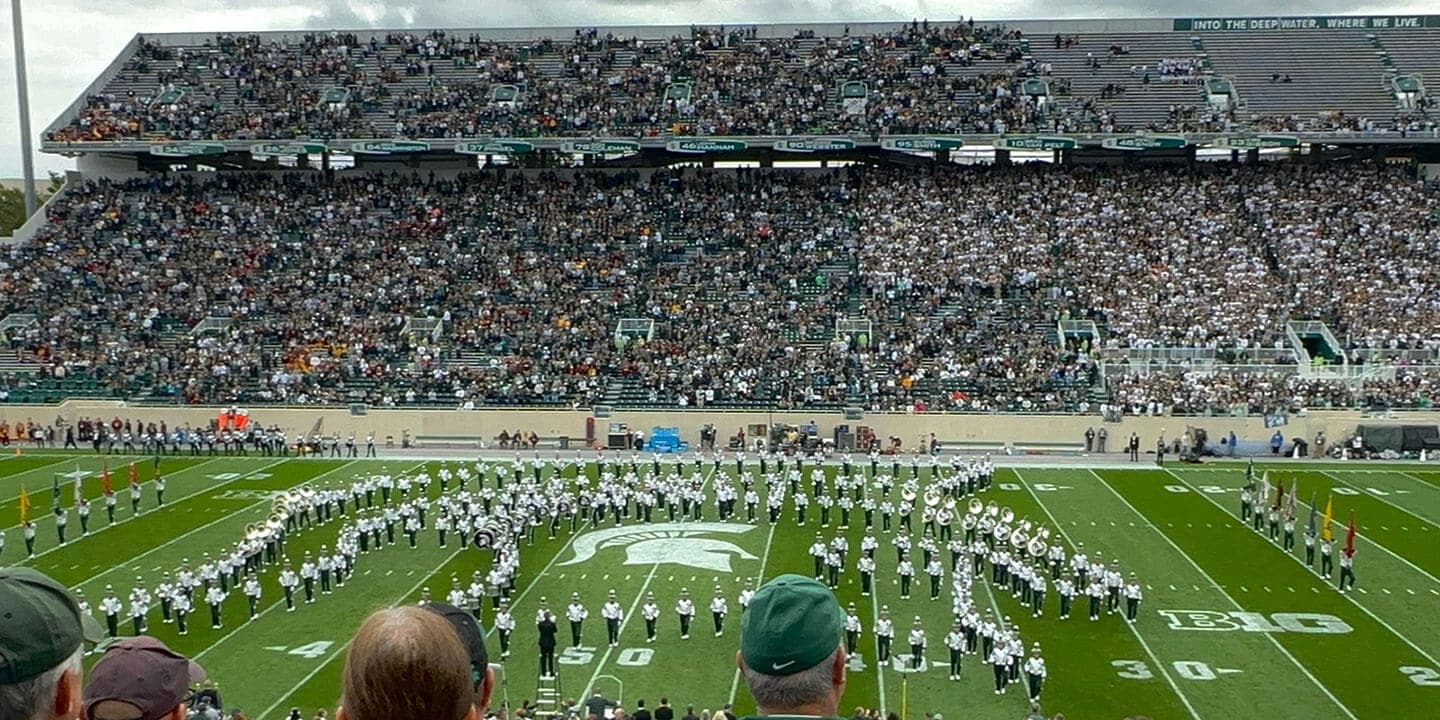
     

  • A young college woman standing on her porch with a backpack and large water bottle.

    Summer to Syllabus: Navigating Your First Week Back to Campus

    Josie Heisel

    Poof! Just like that, summer fades into a memory, and it's time to trade sunscreen for syllabi. Whether you're starting college as a first-year student or heading into another semester, the first week back can feel overwhelming.

    Without the familiar support of home and routine, it's easy to feel a little lost. But don't worry, you're not alone! As someone who's made it through two full years of college, I want to share a few simple but powerful tips to help make the transition smoother: read the syllabus, arrive prepared, and connect with others.

    Syllabus: Script for Success

    Many professors will post a syllabus before classes even begin. It may be tempting to skip it for extra time off, but reviewing the syllabus before the first day can save you from surprises later in the semester.

    The syllabus outlines expectations, required materials, and important due dates. You'll also get a feel for the professor's teaching style and whether the course will be lecture-heavy, discussion-based, or project-driven. Knowing this will save you time when organizing your notes and materials.

    Reading the syllabus carefully prepares you for success in the class. It helps you build a solid foundation for the semester by clarifying the professor's expectations ahead of time.

    Preparation: Before Day One

    Don't underestimate the power of being prepared. Double-check the syllabus for the required materials, and come to class with notebooks, pens, and a fully charged laptop. It may seem like a small step, but being organized on day one sets the tone for the rest of the semester.

    It also helps to review your class schedule and familiarize yourself with where your classes are located on campus. College can feel like a maze, especially at the start of a new semester. Knowing where you're going ahead of time can save you a lot of stress and help you avoid being late or getting lost.

    First Week: Connect with Others

    Even though the first week can be a scramble, remember to introduce yourself to others in class. Simply saying, "Hi, my name is…" can help ease nerves and open the door to new friendships.

    I came to college knowing only three people in a school of 30,000. I remember how intimidating it felt to walk into a room full of strangers. But over time, I've made great friends just by introducing myself in class.

    Forming connections early on helps create a support system. You'll always have someone to study with, ask questions, or grab coffee with before a morning lecture. Plus, if you miss a class, it's reassuring to have someone who can share notes or update you on assignments.

    The Transition Back

    After two years of college, I've learned something important: feeling lost during the first few weeks is more common than we admit. Whether you're overwhelmed, stressed, or just trying to find your rhythm again, know you're not alone.

    Rely on campus and class resources for a smooth transition back. Your syllabus gives you a solid foundation for class, being prepared helps you start the semester with confidence, and connecting with classmates ensures you have a support system from day one.

    Remember, a new semester means new beginnings. Give yourself grace, stay curious, meet new people, and get ready!

    Do you have a compelling story or student success tips you’d like to see published on the Pearson Students blog?  If you are a college student and interested in writing for us – click here to pitch your idea and get started! 

     

  • A wall sign at Florida Atlantic University that says ‘I (heart) faU’ next to the owl mascot.

    Freshmen Frights – How I Survived My First Year of College

    Silas King

    Leaving home for college is both exciting and terrifying. You suddenly have all this freedom, but that also means responsibility. Here are some challenges you’ll likely face and how to handle them.

    Avoiding the ‘Freshman Fifteen’

    Many college students gain weight during their first time away from home. I thought, “that won’t happen to me” -- until it did. Unlimited dining hall food, fast food, and constant snacking caught up fast. But by second semester, I lost the weight by:

    • Hitting the gym: Even short workouts help. Find something you enjoy so you’ll actually stick with it.
    • Being mindful of eating: I started using to-go boxes at the dining hall to avoid overeating and stocked my dorm with snacks I wouldn’t binge.
    • Saving flex bucks: On-campus fast food is tempting, but I treated it like a cheat meal instead of a habit.

    Managing Your Time

    With no one telling you what to do, it’s easy to fall behind. I saw a lot of people struggle with this, including myself. Here’s what worked:

    • Using a whiteboard calendar: The BEST Investment. Writing down deadlines made a huge difference. A physical reminder got rid of last-minute assignments or surprise tests.
    • Sticking to a routine: Setting consistent sleep, study, and gym times helped me stay productive.
    • Finding responsible friends: Surrounding myself with motivated people made it easier to stay on track.

    Handling Homesickness

    Being five hours from home, I missed it more than I expected. Here’s what helped:

    • Visiting home when possible: Even short trips back home helped me reset.
    • Calling my parents: I didn’t do this enough, but every time I did, I felt better.
    • Keeping in touch with old friends: Even if I didn’t miss high school, I missed the people. Staying connected and visiting their schools helped.

    Making Friends & Avoiding Loneliness

    I worried about making friends, but it turned out to be easier than I thought. Here’s what helped:

    • Putting myself out there: Everyone is looking for friends. Don’t be afraid to start a conversation.
    • Joining clubs or sports: I joined a flag football team, which helped me meet people with similar interests. There’s a club for everything -- find yours.

    Dealing with Stress

    College is stressful, whether it’s exams or just life. Here’s what helped me:

    • Going on walks: Walking around campus at night cleared my head.
    • Talking to someone: A friend, family member, or professor. Just talking about stress can help.
    • Shifting my mindset: Instead of dreading assignments, I reminded myself I was lucky to be in college, which helped.

    Avoiding the “Broke College Student” Life

    College is expensive, but you don’t have to be completely broke. Here’s what worked for me:

    • Budgeting my money: I tracked what I was spending so I wouldn’t run out before the semester ended.
    • Getting a job: I knew people who worked online or on campus, and I was lucky to get a job with Pearson, and it made a difference.
    • Applying for scholarships: There’s free money out there. Most people don’t even try to get it so apply for everything.

    Roommate Problems Happen

    Unless you know your roommate beforehand, there’s a chance you won’t get along right away. My roommate and I had our share of arguments, but here’s what helped:

    • Talking it out: Don’t let small issues turn into big ones. A simple and calm conversation can fix most things.
    • Getting the RA involved: If things escalate, your RA is there to help.
    • Setting expectations early: Roommate agreements might feel awkward, but they prevent future conflicts.

    Final Thoughts

    College is a learning experience in every way. You’ll make mistakes, but you’ll also grow. Stay organized, take care of yourself, and don’t be afraid to put yourself out there. You got this!

    Do you have a compelling story or student success tips you’d like to see published on the Pearson Students blog?  If you are a college student and interested in writing for us – click here to pitch your idea and get started! 
     

  • A young college woman sitting on the bed in her college dorm room.

    Cold Water: How to Survive Homesickness and the First Weeks of College

    Riley Maddox

    As a kid, one of my family's favorite summer pastimes was going to the pool. We kept our pool bag stocked with dry towels and sunscreen, ready to jump in the car at a second's notice if my siblings suddenly got the urge for the cool water. I, for one, never liked the way that the cold pool water felt on my skin. I would watch my brother effortlessly dive right into the deep end, while I would do the walk of shame to the shallow stairs, barely getting the courage to dip my big toe in.

    My method for safely entering the pool was simple. I would close my eyes, count to ten, and take one step down the stairs. The cold water was always a shock to my skin, but I longed to get in and play with the rest of the kids so after thirty seconds of being inches in the water, I would repeat this process. Over and over again, inch by inch, I would take small but significant steps until I was fully submerged.

    Going to college felt a lot like getting in the cold pool. I stood on the pool deck watching as everyone I knew jumped right in, knowing I didn't have the courage to. Knowing that it would take a long time before I could join them. Wanting, wishing, and hoping I could be like that. Why was the water so cold for me, but seemingly temperate for them? Why couldn't I jump right in?

    That first weekend, I recall sitting in a dimly lit restaurant with other students from my dorm, my eyes burning, trying not to cry. I just wanted my mom. I just wanted to get home. But that didn’t exist anymore. This was my home. This was my life. It all came so fast. Everything I had ever known was replaced with unfamiliar faces and places. I drove back to campus early that night, while all the other students went for ice cream. I stared at the pictures that they had taken, their faces bright and happy, and I cried. I wanted to be happy, just like them. I wanted my face to glow with excitement, as cold ice cream dripped onto my hand. I wanted to jump in the pool. But it was just too cold.

    Week two got a little better. I was starting to understand how college worked. What time to wake up, and what time to shower so my roommates wouldn't be mad. How my classes worked, who my professors were, and how much time I had to eat lunch. I was developing a routine. But I still wasn't happy. My dad suggested that I start going to the gym. He claimed the dopamine release would be good for my body, but that proved unhelpful. My mom told me I just needed to give it time, but every night I would lay in my bed and stare at the keys to my car, thinking about how I could leave right now. I could go home and sleep in my own bed. I could shower without shoes. I could hug my mom. I would stare at those keys until I fell asleep. Wondering how long it would take me to act on my impulses.

    At the end of my second week, I was talking to Camryn, an upperclassman in my class, expressing my feelings about college. I told her that I just didn’t love it yet. The first couple of weeks had been difficult, and I didn't know how I was going to make it through the next 4 years. She gave me some very valuable advice. She said “Riley, I'm going to be honest with you. I didn’t start liking college until after Labor Day. And I didn’t start loving college until after Fall Break. It’s the second week. It’s not going to be good right now.”

    Hearing those words from someone I looked up to meant the world to me. It made me feel validated and safe. It let me know that even though it may seem like it, not everyone is jumping directly into the cold pool and having fun right away. Some people are also taking their time. Other people jump right into the cold pool and pretend like they are having fun, but in reality, are freezing and miserable.

    She was right. I went home for Labor Day weekend and returned to campus refreshed and ready to take on college. I felt a renewed sense of purpose and self-confidence. I could do this. I continued to push forward and step outside of my comfort zone. I tried talking to one new person every day. I still didn’t love college yet, but I didn’t hate it.

    Before I knew it, Fall Break had come. And I thought back to what Camryn had told me. I looked around me and saw a firmly established friend group, with whom I was attending football games and going to dinner. I saw a roommate who I loved spending time with, and classes that were challenging but manageable. I felt, finally, like I could say I loved college, and it was the whole truth.

    Within those first 12 weeks, I was challenged and tested in ways I would never have expected. I grew academically, personally, spiritually, and mentally. I now feel more confident in myself and my decisions. I have become someone that my senior self would not fully recognize. I still have the same passion in my chest, same hair on my head, and the same love of learning. But now I’m fully submerged in the pool. I have joined my friends in the deep end. I can finally feel the cool water enveloping my body. And I am happy.

    Do you have a compelling story or student success tips you’d like to see published on the Pearson Students blog?  If you are a college student and interested in writing for us – click here to pitch your idea and get started! 

     

  • A building on the Florida A&M University campus. It has six white pillars across the front with a brick walkway leading to the door.

    Redefining College Success: Carving Your Own Path

    Natalie Jacobs

    Before stepping foot on campus, you are often bombarded with stories about college — tales of life-changing experiences, academic achievements, and unforgettable social moments. These stories, while well-intentioned, can sometimes create an overwhelming sense of expectation. The pressure to succeed, be involved, and make every moment count can make it feel as though you are chasing an ideal rather than crafting your own experience. However, college is a deeply personal journey, and learning to filter external expectations is key to finding confidence in yourself.

    If someone tells you that joining multiple organizations was the highlight of their college life, you might feel pressured to do the same—even if balancing multiple extracurriculars isn’t what you want. Or another individual might tell you success in college means landing prestigious internships or graduating with honors, so you chase the highly coveted title of “academic weapon.” A common one that you’ll hear is that college is about personal growth, forming meaningful relationships, or simply making it through each semester while maintaining a healthy balance, so you lay back and chill out, which may stress you out more.

    Granted, advice from friends, family, and professors can be valuable, offering insights you might not have considered, and it’s okay to take guidance from those who have walked this path before you. But their experiences should serve as reference points rather than blueprints, and success in college is not one-size-fits-all. What worked for someone else may not necessarily work for you, and that’s perfectly fine.

    The key is defining what success looks like for you and allowing that definition to evolve as you grow. Instead of following someone else’s version of success, reflect on your own goals
    and personality. Are you happiest when deeply involved in a few meaningful activities, or do you thrive in a wide range of experiences? College is about discovering what fulfills you, not about replicating someone else’s path.

    Start by setting personal goals based on what truly matters to you. Maybe your priority is exploring new academic interests, or perhaps you want to focus on mental well-being while maintaining a solid GPA. Whatever your goals may be, they should align with your values, not with what others expect of you. It’s easy to get caught up in comparison, especially in a world where social media highlights everyone’s best moments. Seeing peers securing dream internships, acing exams, or attending endless social events can make you question whether you’re doing enough. But remember: people showcase their successes, not their struggles. When you start to feel overwhelmed by external expectations, take a step back. Limit your exposure to sources that fuel unnecessary pressure. Unfollow accounts that make you doubt your own progress, and instead, seek out spaces that support and encourage your unique journey. Surround yourself with people who uplift you, not those who make you feel inadequate.

    And to close this article out, remember that there’s no universal timeline for success. Some people find their passion in their first year, while others take time to explore. Some land their dream job right after graduation, while others carve their own unconventional paths. Your journey is yours alone, and it’s okay if it doesn’t mirror someone else’s. Growth and fulfillment don’t follow a strict schedule. College is a time of exploration, growth, and self-discovery. While it’s helpful to listen to advice and learn from others, the most important thing is to remain true to yourself. Define your own version of success, take the advice that resonates with you, and have the confidence to carve your own path. By doing so, you will create a colorful college experience that is a combination of all the advice you have received — all on your own.

    Do you have a compelling story or student success tips you’d like to see published on the Pearson Students blog?  If you are a college student and interested in writing for us – click here to pitch your idea and get started! 

     

  • An instructor helping three college students in a computer lab.

    Three Things I Wish I Knew My Freshman Year

    Arnold Taylor

    As I enter my senior year, I reflect on my college experience and think about what I wish I had known coming into college. There are three major things I wish I knew coming into college as a freshman: the importance of time management, reaching out for help when needed, and getting involved.

    Time Management

    Time management is a huge part of being successful in college. Being able to navigate between not only classes but balancing a social life on top of responsibilities can be hard. Creating a schedule that helps you stay on time and still allows for social interactions is important. Engaging in different clubs also helps to stay on top of responsibilities such as school while getting to meet new people along the way.

    Help is Everywhere

    As a freshman, it can be daunting to approach a professor however, they are humans too and, in most cases, more than willing to help. Although it can be frightening to approach professors, in most cases there are Teaching Assistants (TAs) and counselors who may also be able to help and answer any questions or problems you may encounter. TAs are the easiest way to help and answer because they are students just like you and have recently been in the same position.

    Get Involved

    Engage in your surroundings. College is more than just classes and books; it is about making connections and meeting new people. Joining clubs and volunteering are both great ways to expand your interests. Enjoyable experiences can be just as important as your grades in your classes.

    As you begin your freshman year, I hope you will remember to manage your time well, ask for help, and use the resources around you to your advantage!

    Do you have a compelling story or student success tips you’d like to see published on the Pearson Students blog?  If you are a college student and interested in writing for us – click here to pitch your idea and get started! 

  • A group of sorority women from Chi Omega.

    Say ‘Yes’ to an Enriched College Experience

    Maggie Schoof

    Coming to college is a fresh start. It’s an opportunity to pursue your passions and explore your interests. You get to be the person you want to be and get away from all the things about hometown life that were holding you back. When I came to college, I adopted a mentality that has led me to make new friends, have exciting experiences, and encounter huge growth opportunities…all I did was say “yes”. I said “yes” when I was scared, I said “yes” when I didn't have a friend to go with, I said “yes” when I had no prior experience. Not everything I said “yes” to turned out wonderfully, but I had enough amazing “yes” moments that the other ones didn't matter.

    One big “yes” that has changed my college experience was deciding to go through sorority recruitment. This decision came with so many fears, especially the fear that I didn't have enough connections. No one in Tennessee knew who I was so the conversations I had during recruitment would be the sole factor for a sorority to decide if they liked me or not. There was also the fear of rejection. I knew that there was a good chance that I would really like a house and they could drop me, and in all honesty that happened, a couple times even, but where I ended up in the end made it all worth it.

  • A silhouette of a row of beach houses at sunset.

    Dealing with Homesickness during Your First Year in College

    Anna Landrum

    Homesickness is something that most people will deal with during their college experience. Whether you are an hour or a thousand miles away from home, being homesick is normal. For a lot of young adults, college is the first time they move away from their parents and hometowns. Homesickness was something that I struggled with a lot in my first year of college. It took me a long time to adjust to my new life as an independent college student. Thankfully, as a sophomore I finally feel adjusted to college life without consistently feeling homesick. Here are a few tips and tricks to help deal with homesickness while at college.

    Make Reminders of Home

    When I am feeling homesick, I try to do things that remind me of home. I cook a family recipe or find a restaurant that makes similar meals. If there is a film that reminds you of home, have a cozy movie night. Also bringing items to college that have special meaning to you like photos of family and friends, childhood stuffed animals, or even a blanket from home can bring you comfort in moments when you miss home. Facetime your hometown friends and family when you can, and if you are busy having a simple text conversation can help you feel closer to the people you miss.

    Make Your School Your New Home

    Another way to help ease the feeling of homesickness is to put yourself out there, meet new people, and get involved on campus. Join a club. Colleges usually have an involvement fair at the start of a new semester and with many options; there will be a club that fits one of your interests! Try to meet new people. In class, chat with your classmates and introduce yourself to people. When you are in the dining hall, try to sit with a new person each time you go. This is a great way to make friends. One of my favorite ways to meet new people is by going to the gym. I love going to work-out classes and have made many friends by talking with the people also attending a workout.

    Seek Professional Help

    If you still can’t shake that homesick feeling and it becomes overwhelming, do not be afraid to reach out for help. Connect with a friend or family member and tell them about your feelings, or contact your university's counseling center. Appointments are free at most college counseling centers, and you can talk to a trained therapist.

    Acknowledge your feelings of homesickness. You are going through a major change in your life and while it is an exciting transition, it can also be scary. Be patient with yourself and know that things get better!

    Do you have a compelling story or student success tips you’d like to see published on the Pearson Students blog?  If you are a college student and interested in writing for us – click here to pitch your idea and get started!