PreK-12 blog

Join the conversation and stay informed about the latest trends, perspectives, and successes in PreK-12 education.

Explore posts in other areas.

Higher EducationPearson studentsProfessional

  • Kai Charvet holding her winning trophy and medal
    Credibility, confidence, and career opportunities with certification

    For Kai Charvet, earning an Adobe Certified Professional certification was more than a graduation requirement. It became the first step toward a successful career in graphic design — and an early sign of international recognition that would soon follow. 

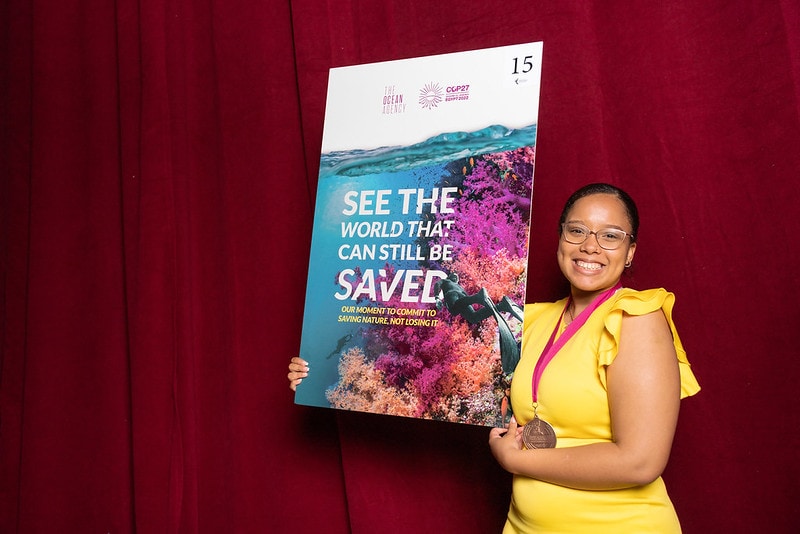
  • Salma Sanchez holding a poster for her Adobe World Championship winning entry
    From student to CEO: Turning passion into a business

    How do you help your students realize their potential? For Print Palace founder and Adobe World Champion, Salma Sanchez, the ingredients for success included hard work, strong mentors, and certifications that opened doors she never knew existed.

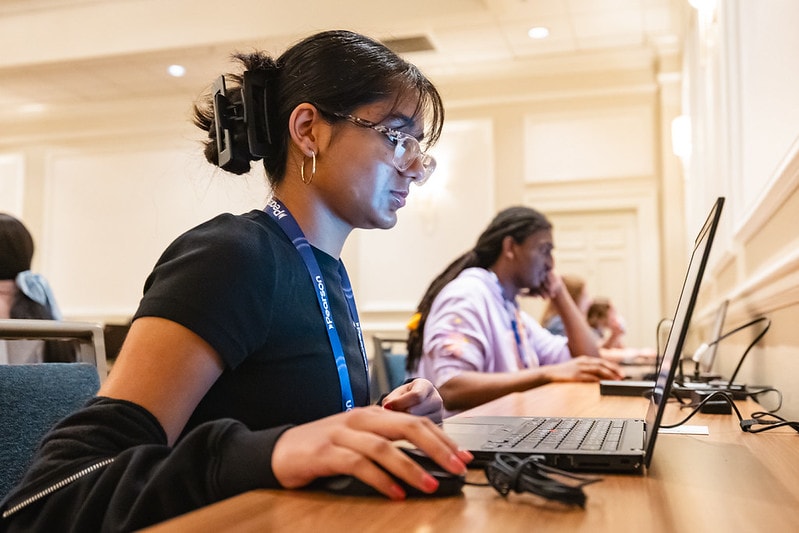
  • Students sitting at computers
    Embracing AI and preparing students for the careers of tomorrow

    Artificial intelligence education can’t wait. According to a study by the U.S. Census Bureau, 56% of workers said they use AI on the job, and 24% of those workers reported using AI every day in the last week. 

    Like working professionals, students are increasingly using AI in schools. Eighty-four percent of students in a recent College Board study reported using GenAI tools to help them complete schoolwork.

    Whether you embrace it or not, your students are likely already engaging with AI tools in their personal and academic lives. The question is no longer if we should teach AI skills, but how to teach AI skills.

    Cyndi Krebs, program director of Business Technologies and Education at Utah Valley University (UVU), has been at the forefront of launching a comprehensive AI program at her institution. Her insights offer a practical roadmap for K12 and higher education educators looking for guidance on how to teach and use AI with their students.  

  • Unlocking the Health & Human Services Career Cluster: Preparing Students for a Rewarding Future
    By Morgan Lieske

    Middle school and high school teachers play a crucial role in preparing their students for life after graduation, whether it’s college or entering the workforce. Do you have students who are intrigued by the healthcare field? The healthcare field is so broad – where do they even start? What pathways and career opportunities are available? How can you ignite a passion for a future in healthcare within your students? This blog is here to provide you with the guidance you need and give you the tools to empower your students with the skills and knowledge they need to thrive.

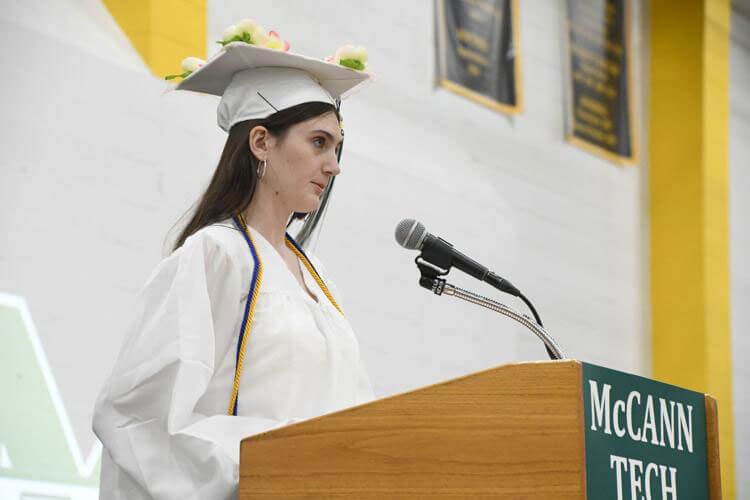
  • Image of Ryleigh Holland graduating
    Students don’t need to wait until graduation to start their careers
    By Pearson

    For many high school students, figuring out what comes after graduation can feel overwhelming. But when they have opportunities to explore careers, build in-demand skills, earn recognized credentials, and connect classroom learning to the real world, their path forward can become much clearer.

    For Ryleigh Holland of Stamford, Vermont, that path led to architecture.

    As a student at McCann Technical High School, Ryleigh wasn't always sure what she wanted her future career to look like. Attending a school focused on career and technical education gave her the opportunity to explore different possibilities, and ultimately discover a passion that would shape her future.

  • Three high school students in a well lit room, interacting with each other.
    How to Turn AP Exam Data into Better Instruction
    By Thomas Hayward

    For AP Economics teachers, July brings more than just exam scores. It brings an opportunity to improve instruction for the year ahead.

    While it's natural to focus on students' AP scores, those numbers tell only part of the story. The most valuable insights come from understanding why students performed the way they did and using that information to make intentional instructional decisions before the new school year begins.  

  • Two students looking at laptops
    Trust, Transparency, and AI Literacy: Building the Classroom Culture Students Need
    By Morgan Lieske

    Everyone has different rules.

    When it comes to AI, there may be only one thing teachers can agree on: we do not have all the answers about AI use in today's classrooms.

    As a result, each classroom takes a different approach. One allows AI in limited circumstances, another bans it completely, another ignores the topic altogether, and yet another leverages it as a core component of learning. The result? Students spend much of their energy trying to figure out the rules.

    The irony is that students are in the same boat. Research suggests many students are uncertain about AI use and are looking for clear expectations, consistent norms, open conversations, and guidance that helps them use these tools responsibly (College Board; Schwartz and Diliberti).