How do translocations such as the Philadelphia chromosome contribute to cancer?

How do normal cells protect themselves from accumulating mutations in genes that could lead to cancer? How do cancer cells differ from normal cells in these processes?
Verified step by step guidance
Verified video answer for a similar problem:
Key Concepts
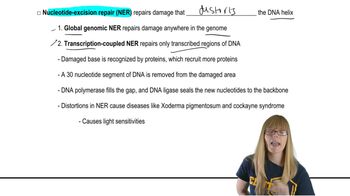
DNA Repair Mechanisms
Cell Cycle Checkpoints
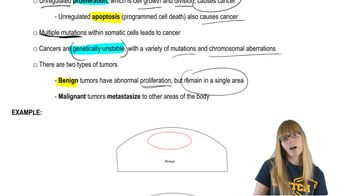
Differences in Cancer Cells
Explain why many oncogenic viruses contain genes whose products interact with tumor-suppressor proteins.
DNA sequencing has provided data to indicate that cancer cells may contain tens of thousands of somatic mutations, only some of which confer a growth advantage to a cancer cell. How do scientists describe and categorize these recently discovered populations of mutations in cancer cells?
Describe the difference between an acute transforming virus and a virus that does not cause tumors.
Epigenetics is a relatively new area of genetics with a focus on phenomena that affect gene expression but do not affect DNA sequence. Epigenetic effects are quasi-stable and may be passed to progeny somatic or germ-line cells. What are known causes of epigenetic effects, and how do they relate to cancer?
Radiotherapy (treatment with ionizing radiation) is one of the most effective current cancer treatments. It works by damaging DNA and other cellular components. In which ways could radiotherapy control or cure cancer, and why does radiotherapy often have significant side effects?
