Pearson+ LogoPearson+ Logo
Ch.16 Amino Acids, Proteins, and Enzymes
Timberlake - Chemistry: An Introduction to General, Organic, and Biological Chemistry 13th Edition
Timberlake13th EditionChemistry: An Introduction to General, Organic, and Biological ChemistryISBN: 9780134421353Not the one you use?Change textbook
Chapter 16, Problem 16a

Explain why each of the following pairs are complementary proteins:
a. beans and oats

Verified step by step guidance
1
Understand the concept of complementary proteins: Complementary proteins are two or more protein sources that, when combined, provide all the essential amino acids required by the body. Essential amino acids are those that the body cannot synthesize and must be obtained through diet.
Recognize the amino acid profiles of beans and oats: Beans are rich in lysine, an essential amino acid, but are relatively low in methionine and cysteine. Oats, on the other hand, are rich in methionine and cysteine but are relatively low in lysine.
Analyze the pairing: When beans and oats are consumed together, the lysine from beans complements the methionine and cysteine from oats, creating a complete protein profile that provides all essential amino acids.
Relate this to dietary needs: Combining complementary proteins is particularly important in vegetarian or vegan diets, where individuals may not consume complete proteins from animal sources. Pairing foods like beans and oats ensures adequate intake of all essential amino acids.
Conclude the explanation: Beans and oats are complementary proteins because their amino acid profiles balance each other, making them a valuable combination for meeting nutritional requirements.

Verified video answer for a similar problem:

This video solution was recommended by our tutors as helpful for the problem above.
Video duration:
1m
Was this helpful?

Key Concepts

Here are the essential concepts you must grasp in order to answer the question correctly.

Complementary Proteins

Complementary proteins are two or more protein sources that, when combined, provide all nine essential amino acids that the body cannot synthesize. This is particularly important for individuals following vegetarian or vegan diets, as many plant-based proteins are often low in one or more essential amino acids. By combining different protein sources, such as beans and oats, one can achieve a complete amino acid profile.
Recommended video:
Guided course
2:01
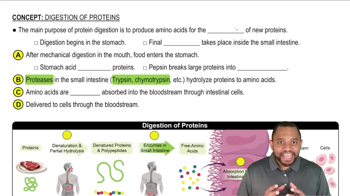
Digestion of Proteins Concept 1

Amino Acids

Amino acids are the building blocks of proteins and are categorized into essential and non-essential types. Essential amino acids must be obtained through diet, as the body cannot produce them. Beans are typically low in methionine but high in lysine, while oats are high in methionine but low in lysine, making their combination beneficial for achieving a balanced intake of essential amino acids.
Recommended video:
Guided course
3:03
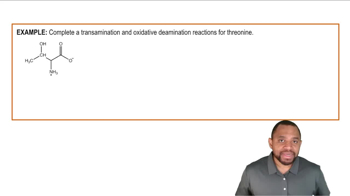
Amino Acid Catabolism: Amino Group Example 2

Protein Quality

Protein quality refers to the ability of a protein source to provide the necessary amino acids in adequate amounts for human health. This is often assessed by the protein's digestibility and its amino acid composition. By combining beans and oats, one can enhance the overall protein quality of a meal, ensuring that it meets dietary needs more effectively than consuming either food alone.
Recommended video:
Guided course
2:01
Digestion of Proteins Concept 1