
Pearson+ LogoPearson+ Logo
Ch.8 Gases
Timberlake - Chemistry: An Introduction to General, Organic, and Biological Chemistry 13th Edition
Timberlake13th EditionChemistry: An Introduction to General, Organic, and Biological ChemistryISBN: 9780134421353Not the one you use?Change textbook
Chapter 8, Problem 24c

Use the words inspiration and expiration to describe the part of the breathing cycle that occurs as a result of each of the following:
c. The pressure within the lungs is higher than that of the atmosphere.

Verified step by step guidance
1
Understand the terms: 'Inspiration' refers to the process of inhaling air into the lungs, while 'Expiration' refers to the process of exhaling air out of the lungs.
Recall the relationship between pressure and airflow: Air moves from areas of higher pressure to areas of lower pressure.
Analyze the given condition: The problem states that the pressure within the lungs is higher than that of the atmosphere.
Determine the direction of airflow: Since the pressure inside the lungs is greater than the atmospheric pressure, air will flow out of the lungs to equalize the pressure difference.
Conclude the phase of the breathing cycle: The process of air leaving the lungs corresponds to 'Expiration.'

Verified video answer for a similar problem:

This video solution was recommended by our tutors as helpful for the problem above.
Video duration:
3m
Was this helpful?

Key Concepts

Here are the essential concepts you must grasp in order to answer the question correctly.

Inspiration

Inspiration is the process of inhaling air into the lungs, which occurs when the diaphragm contracts and the thoracic cavity expands. This expansion decreases the pressure within the lungs compared to the atmospheric pressure, allowing air to flow in. It is a crucial part of the breathing cycle that facilitates the intake of oxygen necessary for cellular respiration.
Recommended video:
Guided course
4:09
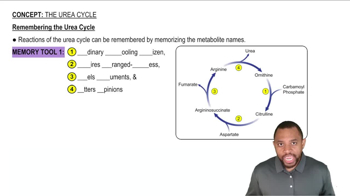
The Urea Cycle Concept 8

Expiration

Expiration is the process of exhaling air from the lungs, which happens when the diaphragm relaxes and the thoracic cavity decreases in volume. This reduction in volume increases the pressure within the lungs, causing air to flow out into the atmosphere. It is essential for removing carbon dioxide from the body, maintaining the balance of gases in the respiratory system.

Pressure Gradient

A pressure gradient refers to the difference in pressure between two areas, which drives the movement of air during breathing. When the pressure in the lungs is higher than the atmospheric pressure, air is expelled from the lungs during expiration. Understanding this concept is vital for grasping how air flows in and out of the respiratory system based on pressure differences.
Recommended video:
Guided course
01:15
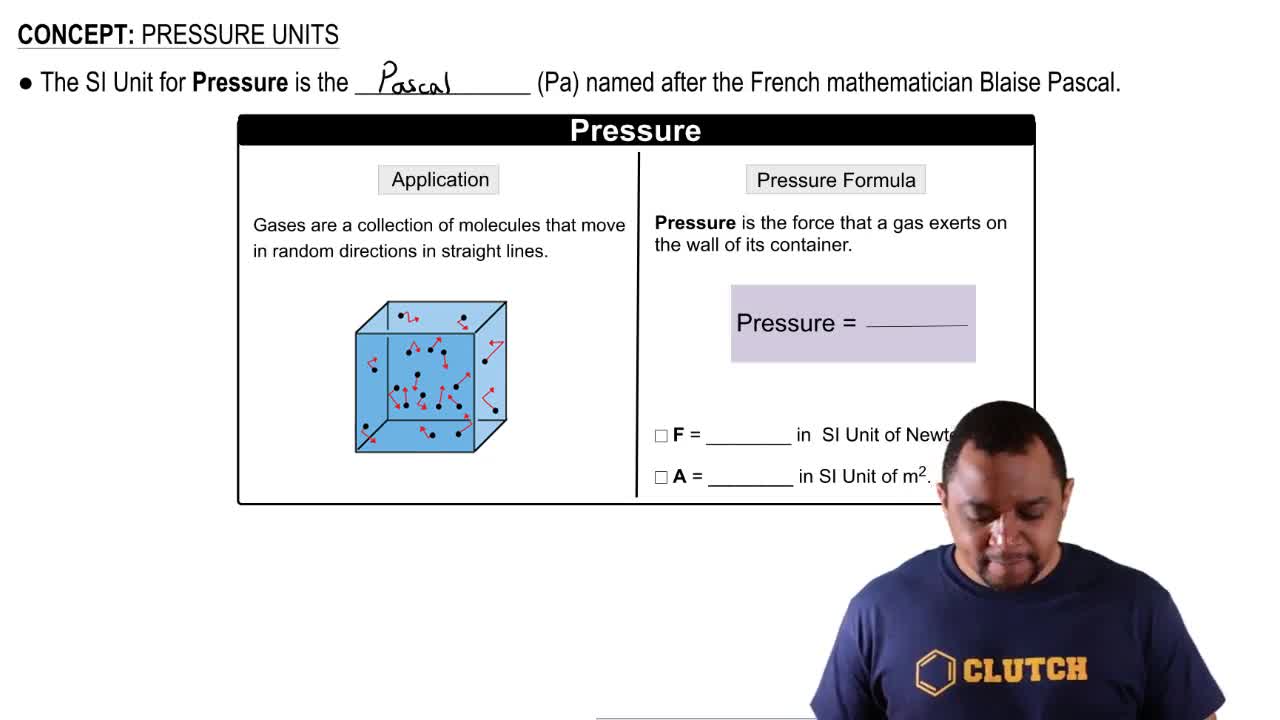
Pressure Units Concept 1