
Unlocking immersive learning: design and implementation are key
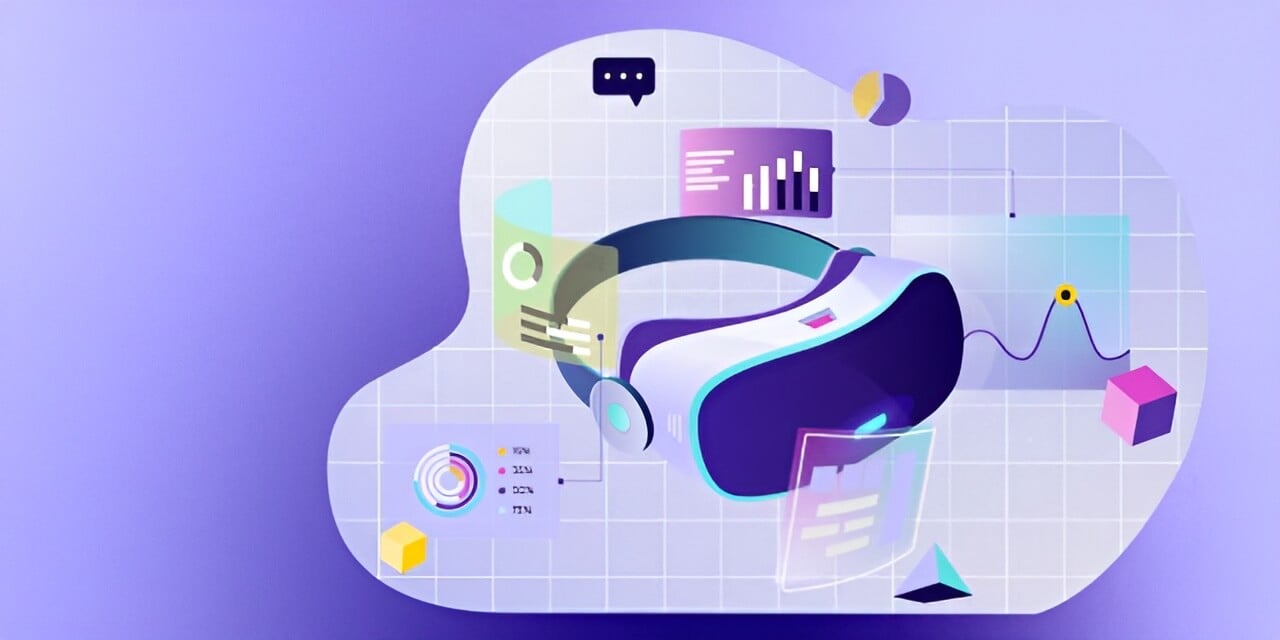
Across the world, students are increasingly curious about immersive technology,1 and advances in AI are making it easier to bring these environments to life in the classroom.2 But does this progress mean it’s time to fast-track virtual reality and similar tools into everyday teaching and learning?
The latest research shows that immersive experiences can enhance learning, but a ‘more immersive’ learning experience doesn’t automatically mean it’s more effective. As we see every day, it’s teachers’ choices of what will work best for their students that make the difference, from selecting well-designed experiences, to using them to support every learning journey.
So, what counts as an immersive experience?
An immersive experience is a multi-sensory environment enabled by wearable technology such as virtual reality (VR) headsets. Immersive learning uses this technology to place learners in simulated settings, deeply engaging them in a subject or skill.
Powered by technology, these learning experiences can vary as much as any learning approach. Examples we’ve seen and heard from schools include taking students:
- on a virtual tour of the Tower of London or Hadrian’s Wall
- to historical events – meeting the dinosaurs or immerse them in historical events
- to a virtual world to build collaboration and problem-solving skills
- through a scientific experiment with hazardous chemicals – without any safety risks.
Some experiences replicate reality, while others are more abstract, heightened, or gamified. Students often enjoy learning this way. But enjoyment doesn’t always equal better learning. Sometimes it’s the novelty of the technology that’s exciting.3 And in other instances, immersive learning can still engage students without improving learning.4
This is where teachers’ well-honed skills, knowledge and expertise is key. You can select which immersive experiences to use and how to integrate them effectively.
 How can I choose experiences backed by learning science?
Immersive experiences can enhance learning the most when they’re consciously designed around established learning principles. When evaluating options, look for:
- Alignment with learning objectives
Does the experience set student tasks that are clearly linked to the curriculum and learning goals? Scaffolded learning
Does it build knowledge step by step, starting with simple concepts before progressing to more complex ones?Appropriate complexity
Is the information presented in a way that supports students with learning new concepts easily while navigating the experience’s sensory inputs?Personalisation
Is the experience always scripted to be the same? Or can it offer extra support for students who might not engage with the concepts straight away?- Inclusive design
Have any inclusive design frameworks (such as CAST’s UDL guidelines) been used to ensure the experience is accessible.
Experiences grounded in such principles have been shown to boost motivation, collaboration, and students’ confidence.5 They can improve teamwork and communication6 and often create more memorable learning moments than traditional methods of teaching.7
Experiences are designed with specific goals in mind, so one experience can’t do it all. For example, a highly gamified, multiplayer environment designed to foster teamwork may not be ideal for building conceptual understanding.
So, as well as examining the quality of the immersive learning experience, consider both quality and relevance for your specific class and objectives.
What else should I consider when starting immersive learning?
Immersive learning is particularly valuable for action-oriented tasks best learned through active participation,8 or for practising skills that would be dangerous, costly, or impractical in real life – such as science experiments or visiting remote geographical location.
Finally, think about practicalities: how complex is the technology to install? How intuitive is the interface for teachers and students?
Before students dive in, it’s so important that you feel confident with the technology and that you’re in control.9 That way, you can guide them to use it for maximum impact – focusing their learning more on the objectives rather than how to use the interface.
By mastering these considerations, you’ll lead the way in delivering immersive learning that truly benefits your learners—rather than simply impressing them with technology.
Start exploring
Our factsheet includes more details on what you can consider when using VR or other immersive technologies with your class.
Want to help shape the future of immersive learning?
We'd love you to contribute to our research focused on ensuring the quality of immersive learning experiences. Join our research community by contacting efficacy@pearson.com
References:
1 https://xra.org/new-xra-survey-finds-one-in-five-teens-own-a-virtual-reality-headset/
2 Lampropoulos, 2025; Jiang et al., 2025; Singh & Ahmad, 2024; Asoodar et al., 2024
3 Mallek et al., 2024; Asoodar et al., 2024
4 Miguel-Alonso et al., 2024
5 Jiang et al., 2025
6 Paulsen et al., 2024; Sakr & Abdullah, 2024
7 Fitrianto & Saif, 2024
8 Conrad et al., 2024
9 Crogman et al., 2025

About the author
Dr. Rachel Hopman-Droste, Learning Science Researcher, Pearson
Rachel Hopman-Droste is a learning science researcher on Pearson's Research & Development and Thought Leadership team, specialising in applying cognitive and behavioural science to enhance learning experiences and outcomes. With a Ph.D. in Cognitive Neuroscience, Rachel bridges research on mental processes with practical strategies, advancing evidence-based, high-quality learning design. As a thought leader in learning science, Rachel shares expertise to shape innovative approaches and drive meaningful conversations about the future of education.