

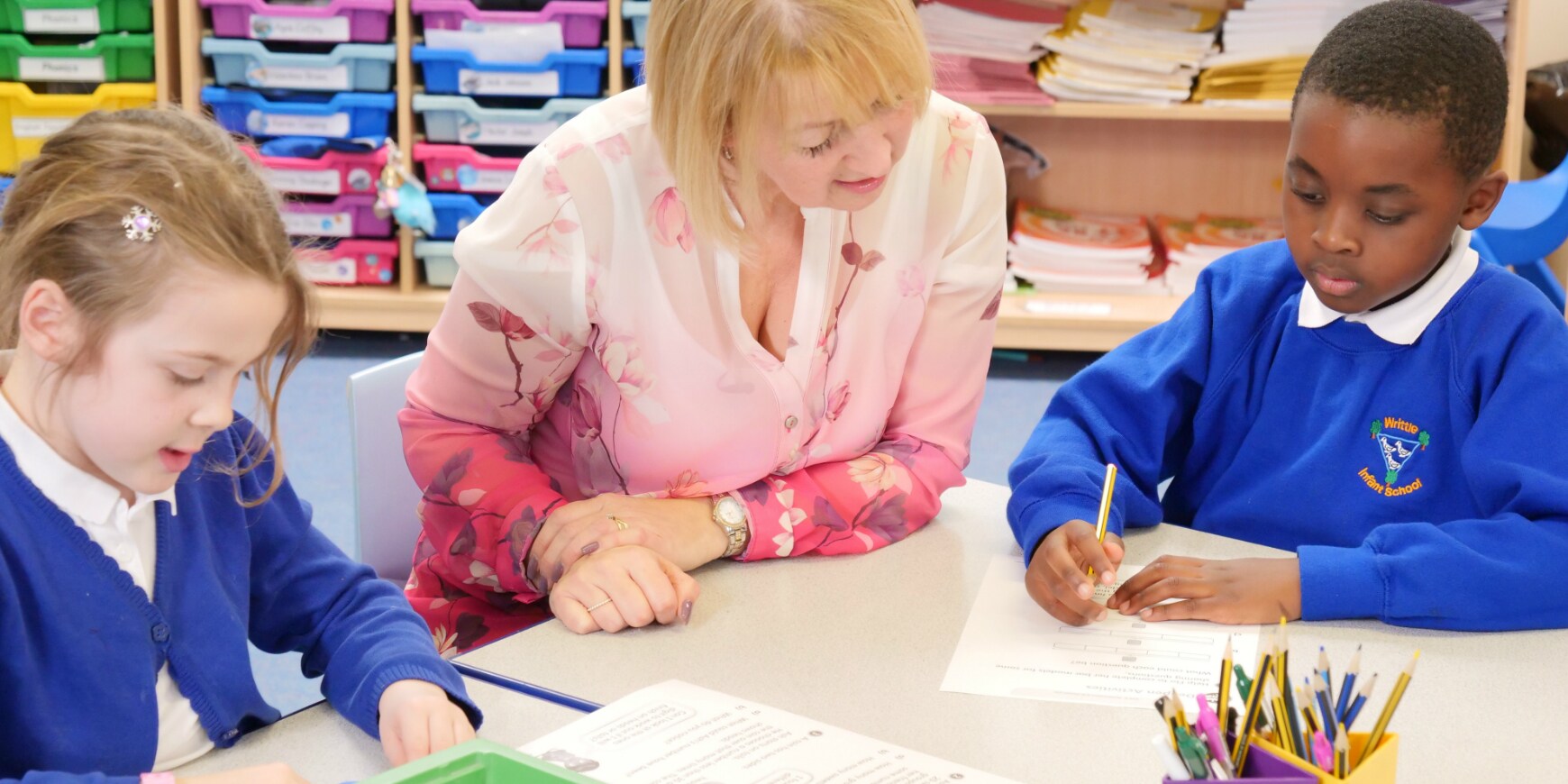
Truths, myths and misconceptions about Maths Mastery
As featured in Teachwire
Tony Staneff, series editor of Power Maths, lifts the lid on five of the most common misconceptions around this much-discussed approach to maths.

The history and geography teams at Pearson are dedicated to inspiring and developing historians and geographers of the future.
We encourage learners to develop the skills they need to understand and interrogate the world around them, so that they become well-rounded global citizens of tomorrow, leading to positive outcomes for their future careers.
As you plan for geography fieldtrips, in the local area or further afield, Eco-Schools Manager at Keep Britain Tidy, Lee Wray-Davies shares some useful tips for planning a greener fieldtrip.
Read Top tips for planning a greener fieldtrip (PDF | 2.3 MB)

Fieldwork is an important aspect of geography and helps develop an array of useful life skills. Fieldwork can be challenging, informative, sometimes messy but often a lot of fun. It allows students to explore issues and questions in a real-world context and to question their own findings. It nurtures analytical and critical thinking and helps to build resilience.
Take a look at our fieldwork videos and explore our free resources to help develop the skills you will need.

As featured in Teachwire
Tony Staneff, series editor of Power Maths, lifts the lid on five of the most common misconceptions around this much-discussed approach to maths.
Since the Department for Education (DfE) announced their plans to support primary schools with implementing a teaching for mastery approach, mastery has become synonymous with maths teaching.
Maybe you’ve heard of the ‘English hubs’, maybe you haven’t. Recent teacher research suggested that the message wasn’t quite out there, with awareness of the initiative patchy at best.

