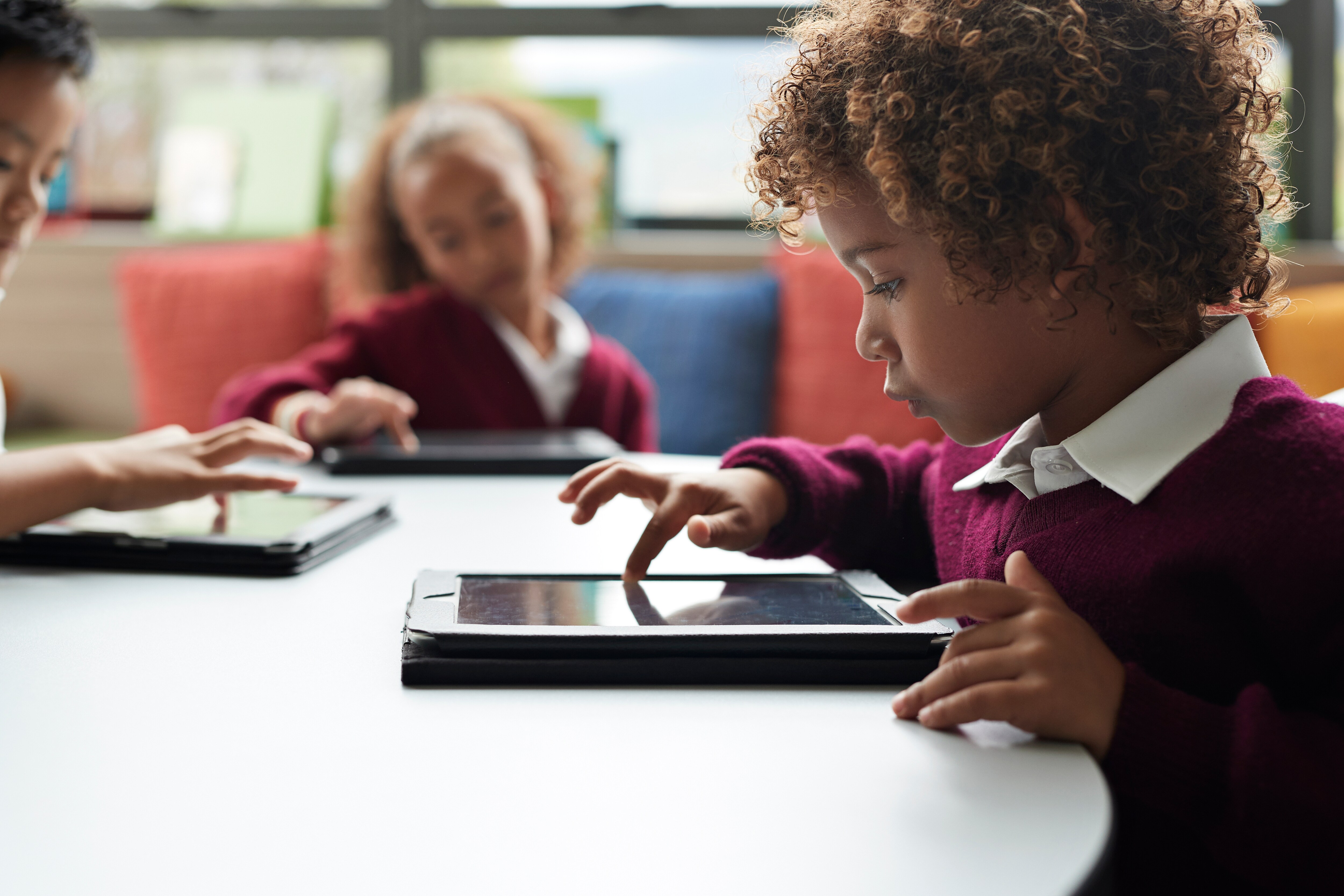
Computers for Kids: the Pearson donation that’s set to help young people nationwide
For many schools during the COVID-19 pandemic, remote learning has been the key to sustaining a semblance of normality.
The history and geography teams at Pearson are dedicated to inspiring and developing historians and geographers of the future.
We encourage learners to develop the skills they need to understand and interrogate the world around them, so that they become well-rounded global citizens of tomorrow, leading to positive outcomes for their future careers.
As you plan for geography fieldtrips, in the local area or further afield, Eco-Schools Manager at Keep Britain Tidy, Lee Wray-Davies shares some useful tips for planning a greener fieldtrip.
Read Top tips for planning a greener fieldtrip (PDF | 2.3 MB)
Fieldwork is an important aspect of geography and helps develop an array of useful life skills. Fieldwork can be challenging, informative, sometimes messy but often a lot of fun. It allows students to explore issues and questions in a real-world context and to question their own findings. It nurtures analytical and critical thinking and helps to build resilience.
Take a look at our fieldwork videos and explore our free resources to help develop the skills you will need.
For many schools during the COVID-19 pandemic, remote learning has been the key to sustaining a semblance of normality.
When you think of the future of AI in education, what images come to your mind? Visions of screens? Robotics and circuitry? I wonder if your first thought includes any people; the close and crucial relationships between leaders and pupils, educators, communities and employers that shape the world around us.
If the past year has taught us anything, it’s that enabling learning for primary children through digital technology is hard without preparation. Schools that had invested in pedagogy, technology and partnerships have ridden the storms of lockdowns better and with less disruption.
Primary teachers have been amazingly adaptable and creative in their solutions. So much is normally built into the physical spaces and human interactions on top of the formal curriculum, that moving to online resources to deliver the curriculum while maintaining relationships with the children was a big ask.
As we find a way out of lockdown and the 21/22 academic year comes into view this is a good time to explore how to make digital provision a more natural part of school life by integrating the best aspects of our lockdown experiences.