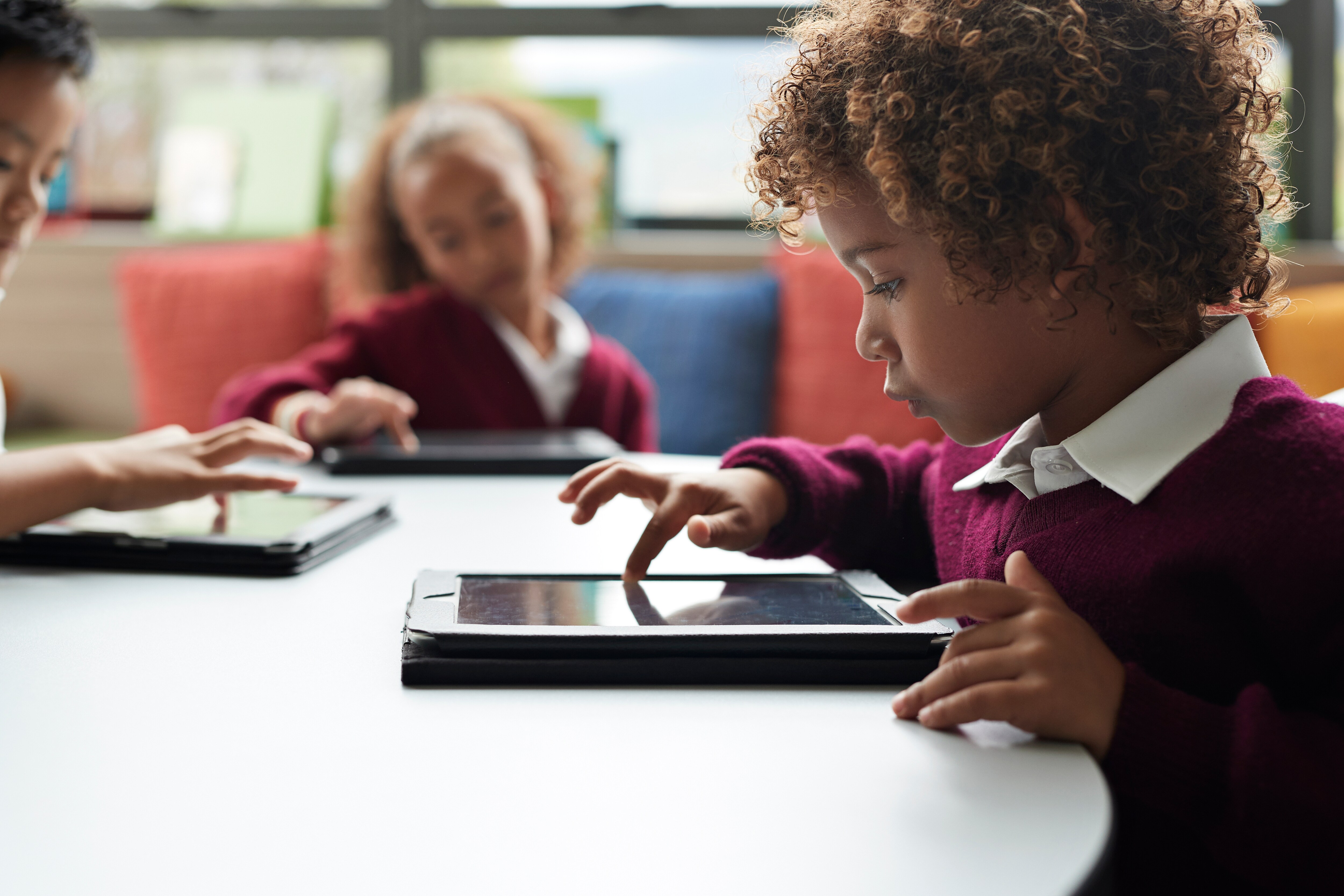
Computers for Kids: the Pearson donation that’s set to help young people nationwide
For many schools during the COVID-19 pandemic, remote learning has been the key to sustaining a semblance of normality.
At Pearson, we are always trying to gain feedback from teaching experts across the nation in order to drive further improvements and developments. It's now more important than ever, that we aim to fully understand and support both teachers and learners by providing solutions and delivering what is really needed.
Hear from a couple of schools as they share their personal journeys and useful insight into how the Entry Level Certificates can provide a stepping stone to GCSE success.
All of our products and services are developed along with our educational experts, and have the rigour and attention to detail that we know customers expect of us.
We also recognise that these products need to work in the real world - our customers are using our products each and every day to support their own best practice.
Schools from all over the UK tell us about their experience of teaching with Pearson, from the ways in which Exploring Science is helping some schools to provide a broad and balanced science curriculum from KS3 to GCSE, to the way Science Bug is helping to spark imagination, fuel curiosity and nurture inspired and confident young scientists at Primary level.
As part of our commitment to providing you with the best switch experience, we asked centres who have recently switched to us for GCSE to describe their reasons for switching, the barriers they faced, and the level of support they received.
For many schools during the COVID-19 pandemic, remote learning has been the key to sustaining a semblance of normality.
When you think of the future of AI in education, what images come to your mind? Visions of screens? Robotics and circuitry? I wonder if your first thought includes any people; the close and crucial relationships between leaders and pupils, educators, communities and employers that shape the world around us.
If the past year has taught us anything, it’s that enabling learning for primary children through digital technology is hard without preparation. Schools that had invested in pedagogy, technology and partnerships have ridden the storms of lockdowns better and with less disruption.
Primary teachers have been amazingly adaptable and creative in their solutions. So much is normally built into the physical spaces and human interactions on top of the formal curriculum, that moving to online resources to deliver the curriculum while maintaining relationships with the children was a big ask.
As we find a way out of lockdown and the 21/22 academic year comes into view this is a good time to explore how to make digital provision a more natural part of school life by integrating the best aspects of our lockdown experiences.