Students blog

Explore the latest trends, tips, and experiences in college life in this blog written by fellow students.

Explore posts in other areas.

PreK-12Higher EducationProfessional

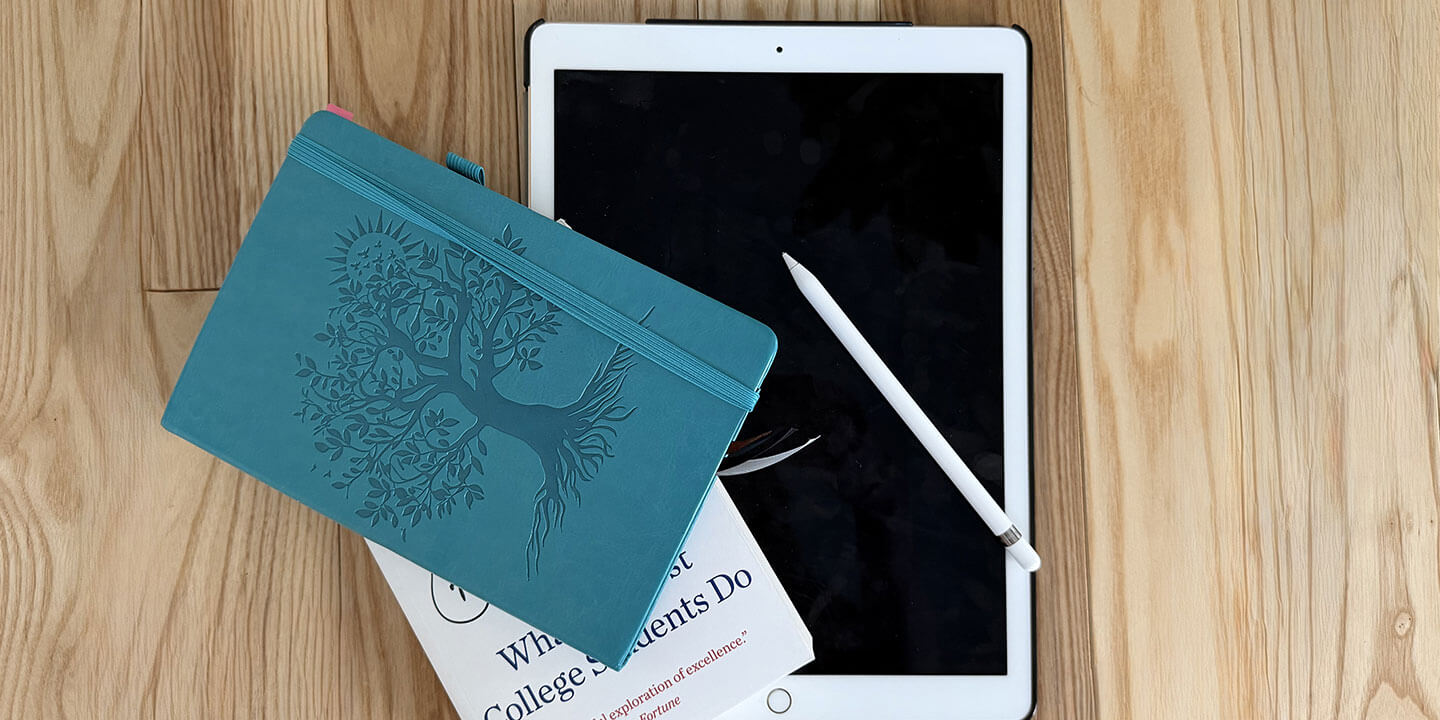
  • An iPad, stylus, journal, and a book positioned on a wooden surface.

    Student and Mentor: Collaborating on Science Marketing

    Allie Jamison

    Learning is lifelong and constantly evolving. When you think of learning, do you think of textbooks and quizzes, or digital tools and online courses?

    In the past decade, learning has adopted a digital identity. These tools now shape how principles are taught.

    As digitally trained students join a traditionally trained workforce, conversations emerge. This is clear in the relationship between Courtney and Allie. Both have backgrounds in speech-language pathology and a passion for science.

    Courtney works in product marketing, and Allie interns under her guidance through the Pearson Campus Ambassador program. Although their college experiences differed, curiosity and empathy were foundational to the work of both.

    Different Tools, Shared Curiosity

    When Courtney majored in speech-language pathology, digital tools were just emerging.

    Courtney reflects, "When I was in school, digital tools were only beginning to appear. Most of our learning came from hands-on practice, group discussion, and in-person collaboration. There were many times when I had to work harder to truly connect with a concept.

    If tools like Practice Anatomy Lab or Pearson Interactive Labs had existed then, I know they would have helped me visualize and understand material so much more quickly. Those early experiences really shape how I think about supporting learners today."

    Courtney’s experience with learning centered on collaboration and communication, both cornerstones of speech-language pathology. These still guide her approach to marketing and teamwork today.

    In contrast, Allie’s learning relies on digital content and interactive tools. "I use AI to summarize articles and explore case studies. In class, we compare traditional treatment plans to AI-curated plans. We also have virtual labs and can earn ASHA-accredited observation hours, all accessible at any time."

    Both experiences share the goal of helping people grow through science, though the tools differ.

    Applying Shared Skills to Marketing

    Now, Courtney and Allie work together at Pearson. They are discovering how their learning journeys complement each other.

    Courtney observes, "Working with Allie reminds me how much learning has evolved. It highlights how important it is that we evolve with it. Her experience helps me see digital learning through the eyes of today’s students. Together, we bring that story to instructors and students through our marketing efforts.

    It’s also been incredibly cool to see my speech-language pathology background re-emerge. Allie and I apply our shared roots in anatomy and physiology to science education and technology."

    Allie shares the sentiment. "Working with Courtney has shown me that my skills can go beyond healthcare. They help me connect ideas, tell stories, and communicate the value of learning.

    Working with her has shown me the benefits of intergenerational collaboration and evolving digital tools. Our weekly collaboration brings new ideas, projects, and ways of learning."

    Bridging Gaps with Technology

    One of the most rewarding parts of their collaboration is learning from each other.

    Courtney notes, “Every conversation with Allie gives me a fresh perspective. I bring experience from industry and years of working with educators. She brings the perspective of a current student navigating digital learning firsthand. That combination pushes our work forward in ways neither of us could accomplish alone."

    Allie agrees. "It’s the perfect example of lifelong learning. Digital tools like Practice Anatomy Lab and Pearson Interactive Labs let me study any time. I can practice skills with accurate models and experiments, and feel confident in graded labs. I work with Courtney to highlight these tools and the benefits I’ve gained."

    At Pearson, learning never stops, and neither does collaboration. Courtney and Allie’s story highlights the power of evolving technology and mentorship. Combining different experiences unlocks the true potential of learning.

    Do you have a compelling story or student success tips you’d like to see published on the Pearson Students blog?  If you are a college student and interested in writing for us – click here to pitch your idea and get started! 
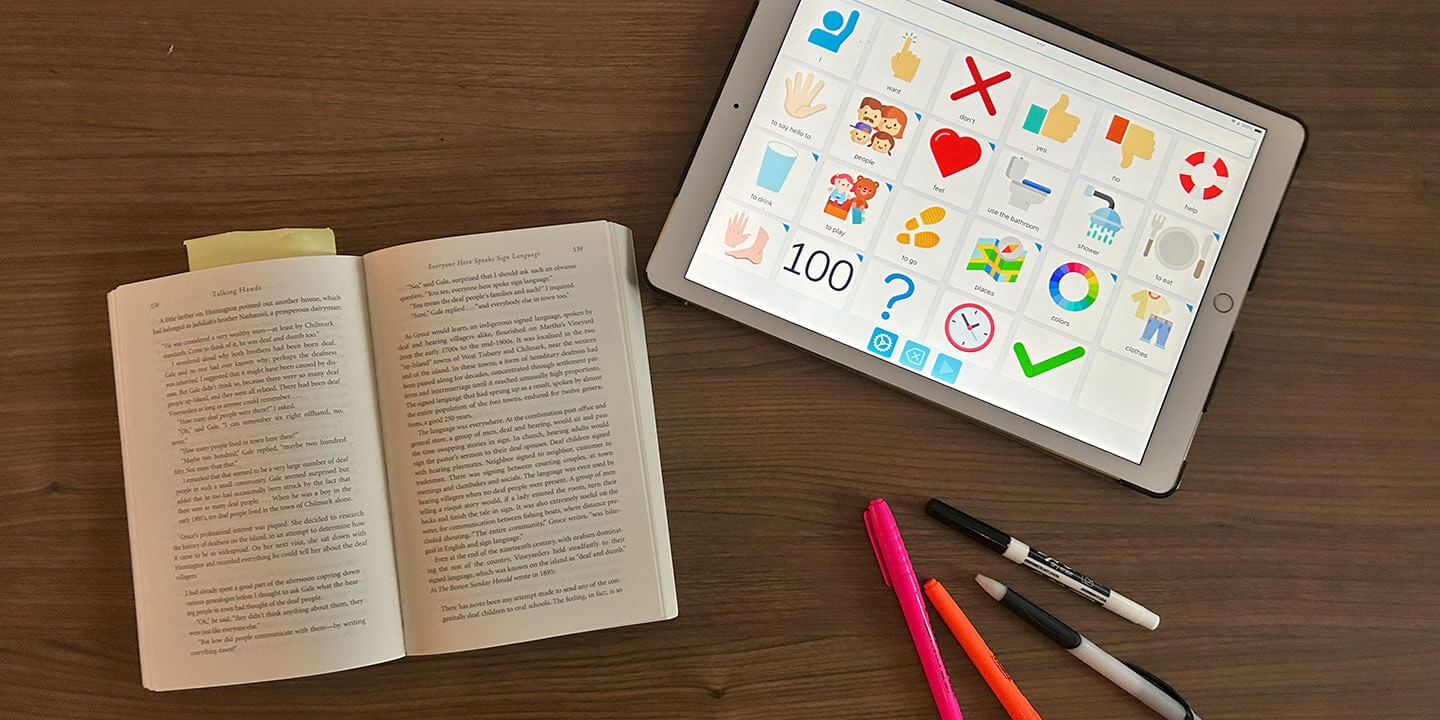
     

  • A desktop with an open book, an iPad with accessibility images on screen, and 4 pens.

    Education Beyond Limitations

    Allie Jamison

    Communication is the foundation of education; furthermore, it is the foundation of society. How many times a day do you ask a question? How about asking a friend to study? Or even something more critical like discussing a grade with a professor? As college students, we use our voices relentlessly, whether in social, academic, or professional settings. Professors communicate their well-known knowledge to eager students ready to jump-start their careers. However, it may not be that simple for every student. Many students face language barriers that create challenges both in and out of the classroom. Whether due to disabilities, language differences, or communication disorders, students who struggle to communicate miss critical opportunities. Thankfully, accessibility services help students work around these barriers and access education.

    Before studying language and communication in my undergraduate courses, I thought accessibility meant extra time on exams or wheelchair ramps. However, accessibility is much broader. Communication tools like augmentative or alternative communication (AAC) devices, interpreters, and assistive technology, support students with visual, auditory, mobility, or cognitive challenges. Recognizing the privilege of effortless communication is essential.

    Communication accessibility is a crucial support in education. Millions of individuals, from young children to those in higher education, face communication challenges. Despite these difficulties, accessibility services provide essential support. One of the most valuable systems is AAC. These tools range from low-tech communication boards to high-tech speech-generating devices. Communication is not limited to spoken words—it includes a variety of methods. AAC devices allow individuals to express their thoughts, engage in classrooms, and interact with peers and educators. For students with conditions such as Autism, Cerebral Palsy, or aphasia, AACs provide alternative communication where traditional speech may be difficult. Implementing these devices in schools fosters inclusivity and supports education.

    Beyond AAC devices, many other accessibility services assist learners. Interpreters are vital in education, helping students who speak different languages or use sign language. Learning about the Deaf community and its history has deepened my understanding of accessibility. Deaf students were once forced to use oral methods despite the challenges, limiting their educational opportunities. The focus was on assimilation rather than individual development. This issue extends beyond Deaf history to broader societal attitudes toward disabilities. Recognizing andadvocating for accessibility services in education is essential.

    Additional assistive tools benefit students with physical and cognitive disabilities. Screen readers and text-to-speech software support visually impaired students, while Braille materials and tactile graphics provide crucial access to information. Adaptive keyboards assist individuals with mobility impairments, and wheelchair-accessible classrooms ensure physical accessibility. While these services exist, more advocacy is needed to raise awareness and ensure implementation. Despite progress, challenges remain in educational accessibility. A lack of awareness and understanding hinders the expansion of essential services.

    Accessibility is not a want—it is a necessity. Breaking down barriers in education requires more than technology; it requires a cultural shift toward inclusion. Supportive services create environments where all students can succeed. As students, we must advocate for our peers and promote accessibility in education. By making education more inclusive, we empower students to become active learners and achievers.

    Do you have a compelling story or student success tips you’d like to see published on the Pearson Students blog?  If you are a college student and interested in writing for us – click here to pitch your idea and get started! 
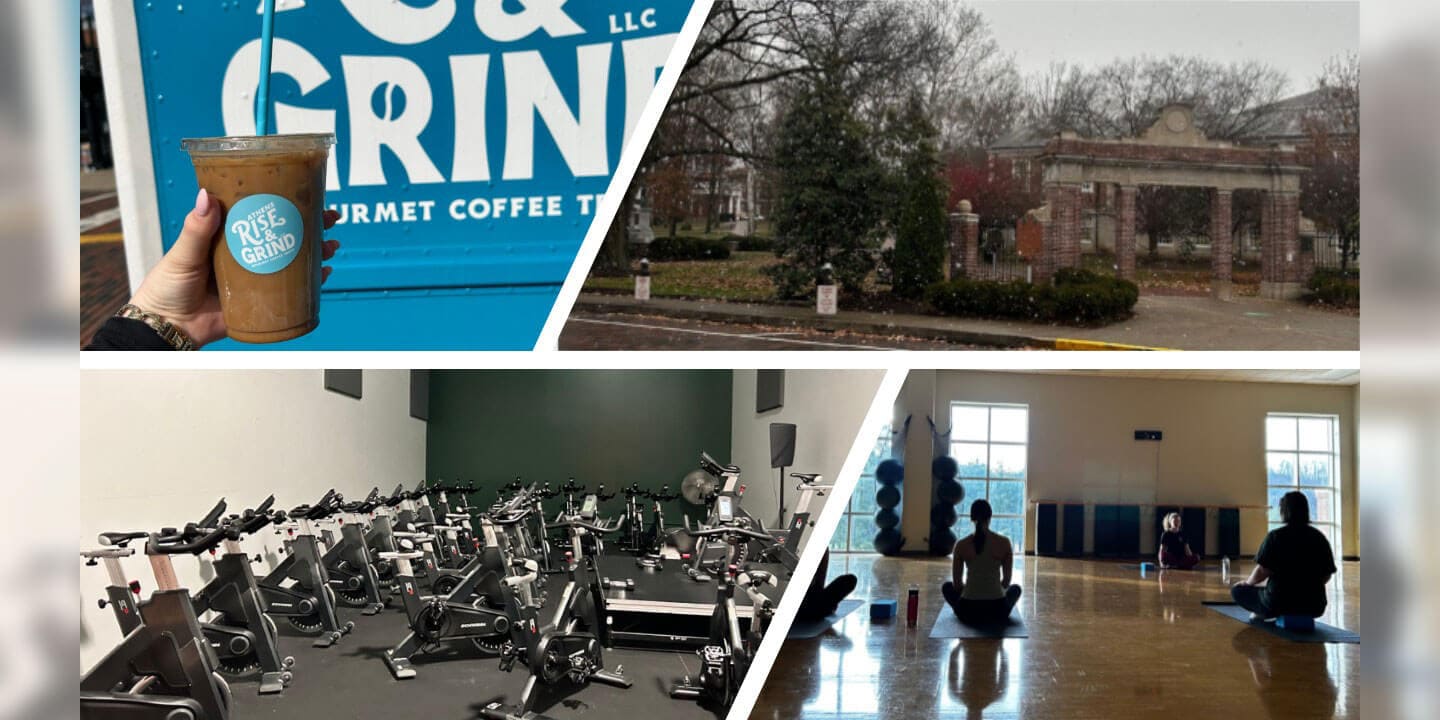
     

  • A group of four pictures highlighted in the author’s blog: getting coffee, a cold day on campus, a spin class, and a yoga class.

    Winter Wellness

    Allie Jamison

    When taking a survey of different students' favorite seasons, the majority will most likely answer with the same seemingly apparent answers, 'summer' or 'fall'. Some even include spring. However, very few individuals will give this awarding title of "favorite season" to the colder winter season. As a college student, specifically in a colder climate, the winter months seem to last an eternity and can sometimes be onerous.

    With the colder weather comes more sickness, less time outside, and inevitably more stress. Introducing healthy habits to maintain well-being can look different to every person. Taking care of yourself can consist of staying active, trying new things, and incorporating mindfulness and self-care into your daily routine. As we trek through the low temperatures and snowy forecast, we as college students must prepare in the best way possible and learn to care for ourselves amidst wintertime.

    It is easy to neglect our health and well-being within these colder months as college students overburdened with exams and holidays, now face cold weather walking from class to class. The biggest concept that college students lose grasp on is remaining consistent with healthy habits throughout the colder months. It is no surprise college students are more active during the warmer months when a walk outside consists of shorts and a t-shirt rather than a long parka or scarves and hats. This concept that physical activity has tremendous benefits on individual happiness and overall well-being is not a simple old wives’ tale. Physical exercise is a scientifically proven inducer of serotonin within the brain. Trying to accomplish a workout, walk, or exercise class a day can be incredibly beneficial to one's overall happiness and stress levels.

    During the colder months, it may be harder to stay motivated and consistent regarding our own health, however, one trick I have acquired to stay consistent is free workout classes. At most college recreational centers, typically available to all students, are free and accessible workout classes. Some of these classes can range from cycle classes to cardio dance.

    While healthy habits are critical to incorporate within your routine, something as simple as a mentality change can drastically improve already instilled habits and routines. Something my father taught me that I carry throughout my daily routine is that you cannot control what happens, but you can control your attitude. Each day of these long winter months, it may seem impossible to remain positive when you must walk twenty minutes to your 8 am class in twenty-degree weather. However, with mindfulness one can approach their day with positivity, inducing an overall better day-to-day.

    Another trick I have found that induces overall positivity and personal well-being, while making the winter feel shorter, is planning an event or activity that I can look forward to throughout my week or month. This system of ensuring there is always something to look forward to makes the cold winter months seem to move on a little more quickly. As the spring semester moves along, students look forward to spring break where we have planned trips and vacations, a well-deserved break easy to anticipate. However, these events or activities do not have to be anything grand or costly. One can plan to cook dinner with their friends or perhaps see a new movie on its release date.

    Winter can be an extremely challenging time for many, especially for college students with heavily filled schedules and stress. Taking care of yourself is so important year-round but it can look different in the winter months when we as students aren't able to be outside, stay active, or employ self-care routines and activities. Establishing healthy habits such as remaining active indoors, utilizing campus resources and classes, practicing mindfulness and positivity, and planning and prioritizing self-care is essential to thrive throughout the cold weather. By incorporating these tips, whether it be one or all, one can navigate the hardships that may come along with wintertime.

    Do you have a compelling story or student success tips you’d like to see published on the Pearson Students blog?  If you are a college student and interested in writing for us – click here to pitch your idea and get started!