How I Survived the MCAT
The Medical College Admission Test (MCAT) is one of the most important tests a pre-med student will take during their undergraduate career. It is a standardized, seven-and-a-half-hour exam required for admission to nearly every medical school in the United States.
The test is divided into four sections: Chemical and Physical Foundations of Biological Systems; Critical Analysis and Reasoning Skills; Biological and Biochemical Foundations of Living Systems; and Psychological, Social, and Biological Foundations of Behavior.
As a very Type B student, I lacked the foresight to prepare months in advance. Here is what I did (and what I wish I had done differently) to get my desired MCAT score.
My Study Foundation
As someone who knew I wanted to go into science, I did my best to take good notes in my prerequisite classes. I focused on understanding as much as possible in courses like Biology and General Chemistry. This foundation helped immensely since studying felt mostly like review.
I purchased a study course that created a schedule for me based on my first practice exam results. It also kept me accountable for the material I was supposed to cover each day. I locked myself in my room for one and a half months to study.
Creating a Study Zone
Next, I ensured that I had as few distractions as possible. I bought a cage for my phone and time-restricting apps on my computer. I also bought books and an origami kit for my study breaks.
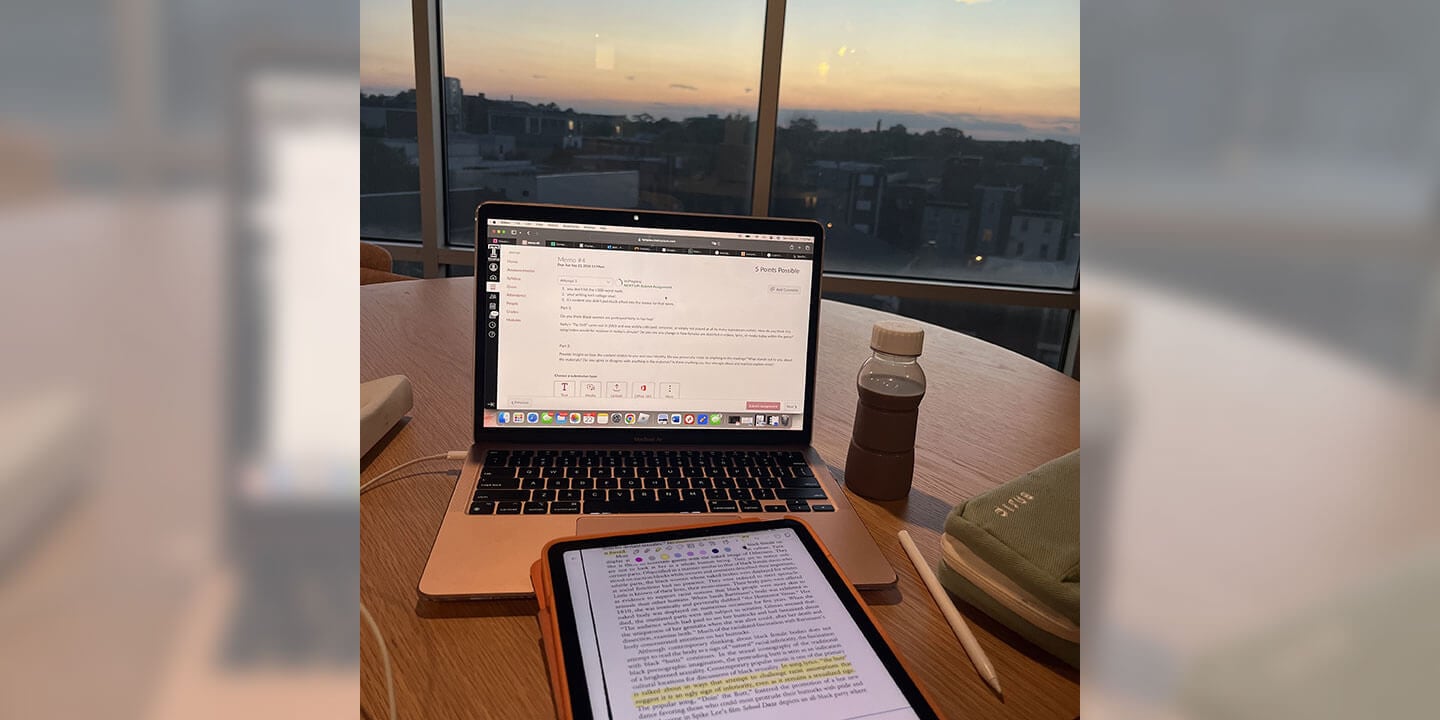
The MCAT is a computerized test, so most of my studying was done on a computer. This made “no-screen” activities helpful to avoid eye strain.
My Daily Schedule
I studied ten hours a day, with a short break every two hours and one hour for lunch. As test day neared, breaks sometimes felt like a waste of time, but they had a noticeable impact on my brain function and mental health. At the end of each day, I either went to the gym or took a long walk to let go of stress.
Practice Exam Strategy
For the first month, I took an exam every sixth day. For the last two weeks, I took an exam every three days. I spent more time reviewing each test than it took me to take it.
I wrote down my answer and my rationale for it. If it was correct, I stopped there. If it was incorrect, I wrote down the correct answer, the rationale behind it, and why my original answer was incorrect.
What I’d Do Differently
If I were to do it over again, I would extend my study time to a minimum of three months. This would allow me to study fewer hours each day and have more time for spaced repetition. Ten hours a day was honestly too much.
The Final 48 Hours
I took the two days right before my MCAT completely off because my brain was overloaded with information. I spent those days with friends and family, reminding myself that a test score does not define my worth.
The night before the exam, I wrote down a “cheat sheet” of high-yield information such as formulas and diagrams for each topic. I reviewed it before heading out the next morning. My most important note to remember during test-taking is not to second-guess my answers; at that point, I trust that I know more than I might think in the moment.
Final Thoughts
Studying for the MCAT can be a grueling process, but it is manageable. With structure, patience, and self-compassion, you can navigate this challenge. Remember that this test is just one part of your story; the persistence and resilience you build along the way can say more about the physician you will become than any single test score. Good luck!
Do you have a compelling story or student success tips you’d like to see published on the Pearson Students blog? If you are a college student and interested in writing for us – click here to pitch your idea and get started!