Students blog

Explore the latest trends, tips, and experiences in college life in this blog written by fellow students.

Explore posts in other areas.

PreK-12Higher EducationProfessional

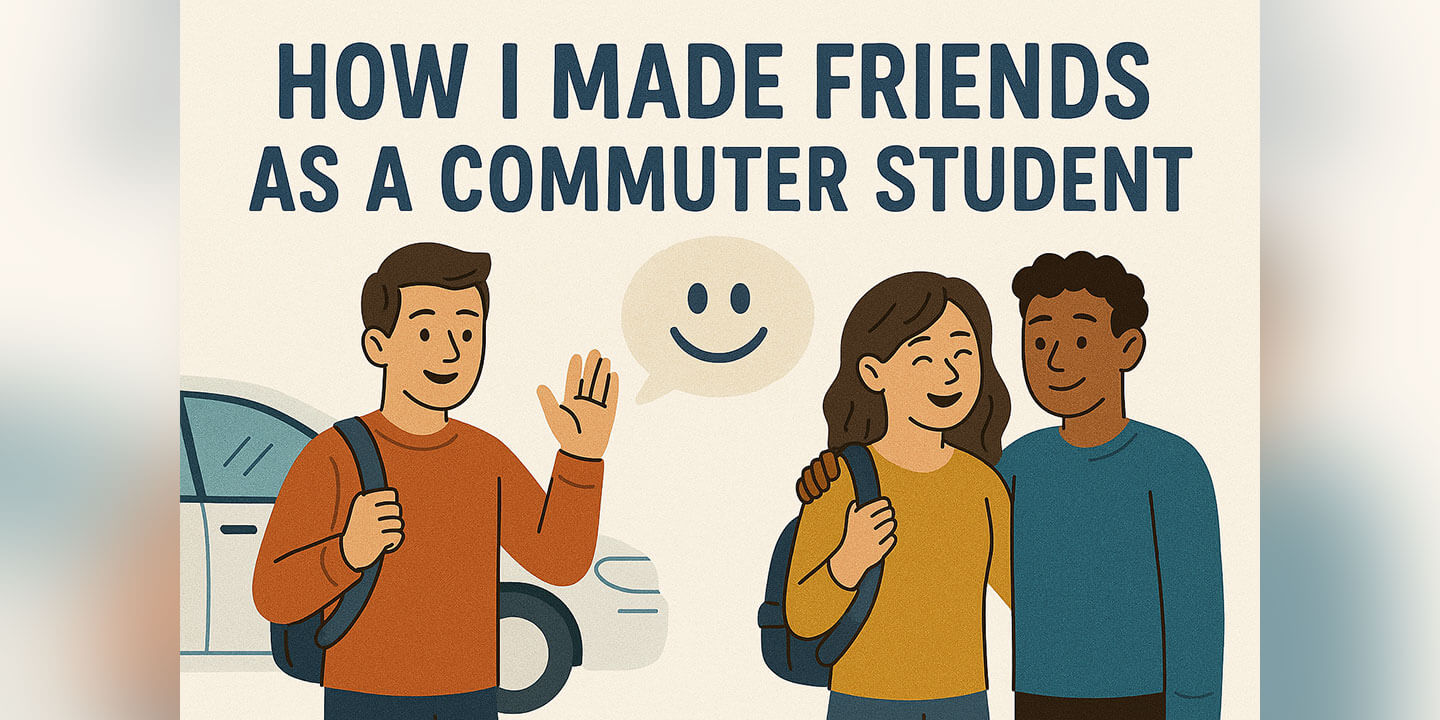
  • A computer generated graphic with the blog title and three cartoon characters greeting each other in a parking lot.

    How I Made Friends as a Commuter Student — And You Can Too

    Kohle Nash

    As a commuter student, I expected college to be all about academics with little to no social life. Living off campus, without a dorm community, and then driving home after my last class made it challenging to feel connected.

    While others stayed for club meetings or late-night events, I often felt like an outsider. During my first semester, I wondered if I’d ever find a group of friends or feel a sense of belonging on campus.

    However, things changed once I decided to be more intentional about getting involved, even though I wasn’t living on campus.

    Attend Office Hours

    One of the first things I did was start attending office hours, not just to seek help, but also to build relationships with my professors. Those small conversations grew into mentorships and even led to opportunities to participate in department events.

    Form a Study Group

    I also made a point to talk to classmates before and after lectures. Eventually, I formed a study group with a few peers, and we began meeting weekly at a nearby café. That group became my first real college community of the year.

    Participate in Campus Events

    I also got involved in campus organizations that accommodated commuter schedules, such as a leadership program that met during lunch hours. This offered me a chance to contribute, build skills, and make friends without needing to stay on campus late. I started attending daytime events, study sessions, and workshops, even though it felt a little awkward at first.

    In Good Company

    What surprised me most was discovering how many students were in the same situation. Other commuters, part-time students, and those working jobs also struggled to find time to connect. Once I started reaching out, I found that I wasn’t alone.

    Being a commuter doesn’t mean missing out on the college experience; it just requires a different approach. Show up when you can. Start conversations. Join one activity. Small steps can lead to big connections. Now, I feel more connected to my campus than I ever thought possible.

    Do you have a compelling story or student success tips you’d like to see published on the Pearson Students blog?  If you are a college student and interested in writing for us – click here to pitch your idea and get started! 

     

  • An aerial view of the blog author’s campus – James Madison University.

    How I Turned My Campus Jobs into Career Confidence

    Kohle Nash

    When I first arrived at college, I was looking for a way to earn extra money. I didn’t put much thought into the jobs I was applying for—if it paid, I was interested.

    Fast forward a couple of years, and those "just for the paycheck" jobs have shaped how I carry myself and communicate. They’ve also helped me recognize my unique value in the world.

    Adapting to New Challenges

    It started with small gigs: setting up events, assisting with tech at school concerts, and working as a campus ambassador for Pearson.

    Each job came with its own challenges: waking up early, managing my time effectively, and solving problems on the fly. More than anything, these roles challenged me to adapt.

    Gaining Real-World Experience

    I didn’t realize it at the time, but those early shifts were providing me with valuable real-world experience.

    Setting up audio gear boosted my confidence in my technical skills and sparked an interest in music production. My job with Pearson helped me develop professional communication skills through my work with professors, sales and marketing teams, and students. I also learned how to manage a schedule packed with meetings and responsibilities.

    I learned that being punctual, asking thoughtful questions, and showing genuine effort go a long way, no matter what your job title is.

    Seeing the Results in Interviews

    My biggest turning point was realizing that these weren’t just “college jobs.” They were preparation for real-world opportunities.

    I started to notice how the communication skills I had developed helped me land internships. I walked into interviews with more confidence, ready to share stories about working with a team, overcoming challenges, and taking initiative.

    From Campus to Career

    If you’re in college and wondering how to get career-ready, don’t underestimate the value of your campus jobs. You don’t have to wait until graduation to start building your future.

    Every role, no matter how small, offers valuable lessons if you pay attention. And who knows? That confidence in your work ethic might be the deciding factor for a hiring manager one day.

    Do you have a compelling story or student success tips you’d like to see published on the Pearson Students blog?  If you are a college student and interested in writing for us – click here to pitch your idea and get started! 

     

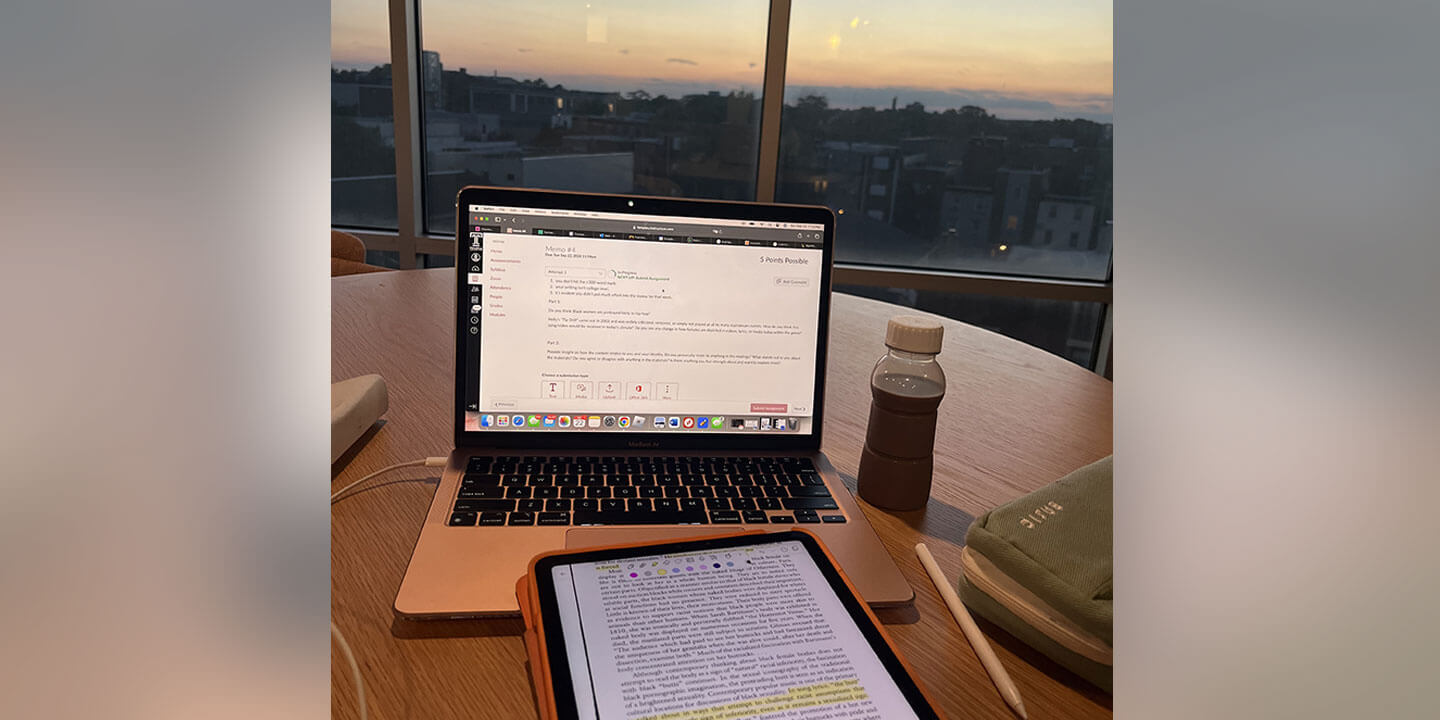
  • A laptop and tablet open to academic coursework for studying.

    Study Noise and Lo-Fi Vibes: My Secret to Stress-Free Focus

    Kohle Nash

    I used to think the only way to study was in total silence. I’d go to the quiet floor of the library, put in earplugs, and try to zone in.

    It didn’t work for me, though. My mind would wander, or I’d get anxious just staring at a blank page.

    Discovering Study Noise

    During a late-night study session, I decided to try listening to lo-fi music, and I found that I really liked it. My study style changed immediately.

    Now, I never study without “study noise.” For me, that’s a mix of lo-fi beats, ambient nature sounds, and sometimes even instrumental movie soundtracks. I’ve created playlists that include everything from soft rain to background coffee shop chatter.

    It might sound unusual, but calming background noise helps me feel less pressured. It puts me at ease while working and keeps my mind focused without making me feel overwhelmed.

    Creating My Own Sound

    What’s cool is that I started making my own mixes using audio software I’d been learning for fun. I’d combine gentle synths, vinyl crackle effects, and recordings to personalize the vibe.

    Creating those sounds became a form of self-care. When I shared them with friends, I discovered that a lot of other students were looking for the same thing.

    Since then, my “study noise” playlists have become just as essential as my textbooks. They help me stay focused during exam season, unwind while reviewing my notes, and even get through long readings when I’m feeling drained.

    Learning What Works

    I encourage every student to explore their focus style. Try different sounds, like lo-fi, classical, or soft jazz, to see what works for you.

    You don’t need fancy gear, just headphones and an open mind. Your grades (and your stress levels) will thank you.

    If silence doesn’t work for you, you’re not alone. The solution might be as simple as pressing play.

    Do you have a compelling story or student success tips you’d like to see published on the Pearson Students blog?  If you are a college student and interested in writing for us – click here to pitch your idea and get started! 

     

  • An aerial view of the blog author’s campus.

    Unexpected Connections: How Music Production Taught Me Teamwork and Timing

    Kohle Nash

    When I joined my college’s music production club, I thought I was simply pursuing a personal passion. I’ve always enjoyed experimenting with beats, layering sounds, and figuring out how different pieces of music come together. I did it purely for fun, as a creative break from classes and assignments.

    But over time, I noticed something surprising: the same skills I was honing in the studio were showing up in my classes, group projects, and even internships.

    At first, the club felt like a totally separate world. We’d meet in a small room filled with cables, keyboards, and speakers. There, we would bounce ideas off each other, working to turn rough ideas into polished tracks.

    I thought I was just learning how to make music. I didn’t realize I was also learning how to collaborate.

    The Rhythm of Collaboration

    Producing music with a group teaches you timing, both musically and in how you interact with others. You learn how to listen, when to speak up, and when to step back. You learn that great tracks stem from collaboration, not from one person controlling the sound.

    That exact mindset helped me become a better teammate in academic group work. I began communicating more clearly and offering more constructive feedback. I also became more open to letting go of my own ideas if another approach worked better.

    Patience in Production

    Another unexpected takeaway from music production was patience. When you’re mixing a track, it never sounds perfect on the first attempt. You adjust one sound, then another, and often go back to revise something you already “finished.”

    This trial-and-error process made me more comfortable with revising my work in school. Whether it was an essay, a presentation, or a project, I stopped striving for perfection on the first try. Instead, I learned to trust the process, just as I do in the studio.

    Confidence in Communication

    Even public speaking felt less intimidating. I used to get nervous presenting in class, but explaining beats and sound design choices to my club members helped me find confidence in my voice.

    When you talk about something you’re passionate about, you naturally become a better communicator. That skill started spilling over into all areas of my life.

    Transferable Skills in Hobbies

    I joined the music production club because I liked making beats. I stayed because it helped me grow in ways I never anticipated.

    I learned how to collaborate, how to be patient with my work, and how to express my ideas with confidence. What started as a fun, creative outlet became a transformation in the way I approach school, group settings, and even my professional life.

    If you have something you love doing outside of class, don’t underestimate its value. You might think it’s just a hobby, but it could teach you more than you realize.

    Do you have a compelling story or student success tips you’d like to see published on the Pearson Students blog?  If you are a college student and interested in writing for us – click here to pitch your idea and get started! 
     

  • An aerial view of a college campus.

    Tips for getting along with your college roommates

    Kohle Nash

    College is a whirlwind of new experiences, and having a roommate can make that adventure even more exciting, or a bit challenging. From navigating unfamiliar buildings and academic expectations to developing friendships and exploring personal identities, college life is a transformative journey that can be both exhilarating and overwhelming. At the heart of that experience is the relationship with your roommate. Having a positive roommate relationship can make all the difference in your college experience, providing a safe space to be yourself, share experiences, and grow alongside your peers.

    Let’s be honest, living with a stranger can be tough. Late-night study sessions can quickly turn into noisy distractions, messy spaces can be a source of tension, and differing personalities can clash. It's easy to fall into a routine of avoidance, where you and your roommate coexist rather than connect. But the reality is, your roommate is someone who can help shape your college experience. They can provide a sounding board for your ideas, support you through tough times, and even become a lifelong friend. So, how do you make the most of this experience?

    It's essential to establish open communication from the jump. This means having an honest conversation about your expectations, boundaries, and needs. You can discuss things like quiet hours, cleanliness, and guest policies to create a mutually respectful environment. It also helps to engage in activities and hobbies that you both enjoy, whether that's cooking, movie nights, or outdoor adventures. By fostering a sense of connection and community, you can turn your dorm room into a home where you both feel seen, heard, and valued.

    Of course, it's not always smooth sailing, but with a little creativity, patience, and empathy, you can turn your roommate experience into a highlight of your college years and beyond. By choosing to prioritize this relationship, you can not only survive the college years but also create lasting memories and friendships that extend far beyond the classroom.

    Do you have a compelling story or student success tips you’d like to see published on the Pearson Students blog?  If you are a college student and interested in writing for us – click here to pitch your idea and get started!