
How an Archaeological Field School Unearthed More Than Artifacts
When I signed up for a summer archaeological field school, I was just fulfilling a requirement and earning extra credits. Of course, the experience sounded exciting, but I didn’t expect it to reshape my entire college journey. For two weeks, I joined a student team at an archaeological site in my state, and we spent our days digging, documenting, and uncovering fragments of local history.
The Real Meaning of “Hands‑On Learning”
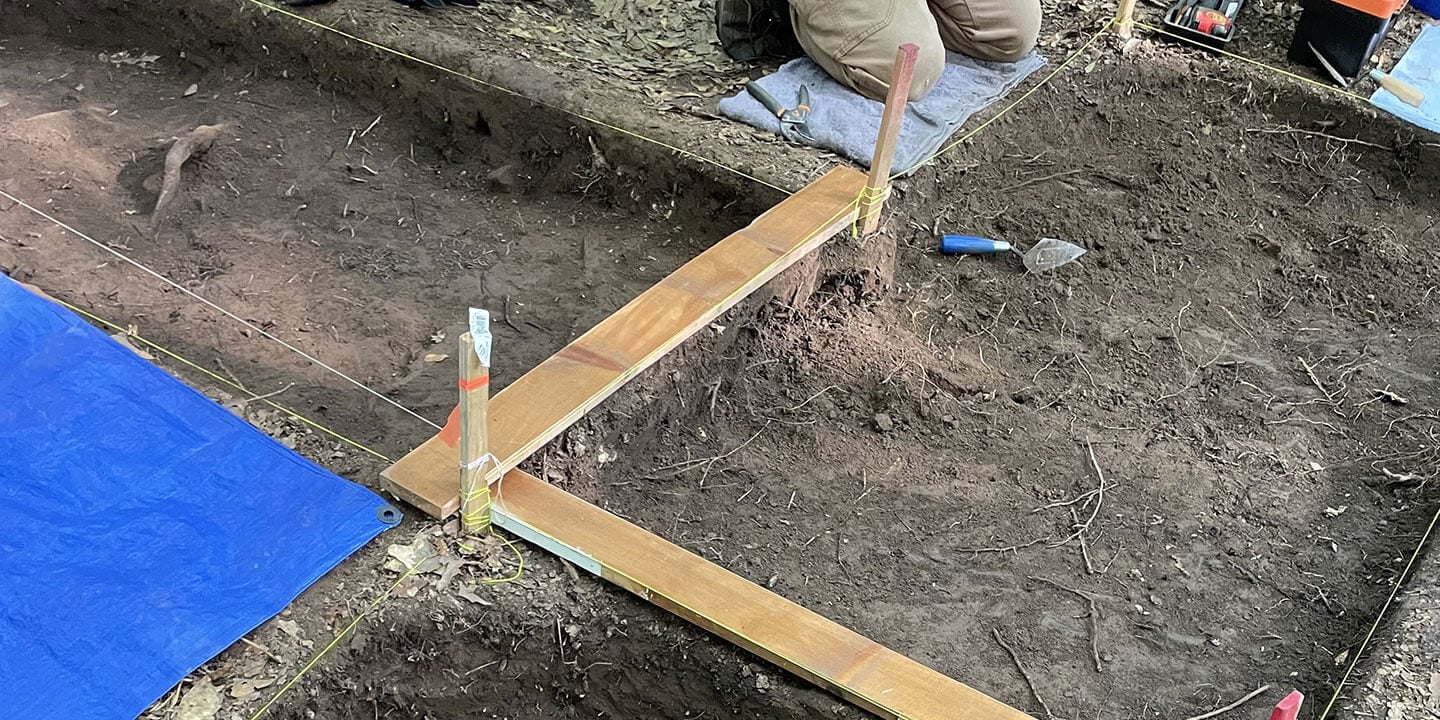
Unlike a sterile lecture hall, the field school meant camping out, getting our hands dirty, and crouching in the soil all day. It was the first time I could apply what I’d been learning instead of just studying it. We learned to map units, excavate properly, screen the soil, and assess artifacts, all while fighting off mosquitoes and camping in the rain and sweltering heat.
Working on this site also gave me a tangible connection to local history. We unearthed a variety of artifacts, including a large number of ceramic sherds, nails, a buckle, a sewing needle, and even a curry comb (used for grooming horses). Seeing how classroom lessons translated into a real-world project made abstract ideas hands-on and concrete, and I realized that I was practicing a potential job skill.
Growth Without a Grade
Personal growth was just as significant as the historical insights and technical skills we gained. Trying to learn while enduring the heat, bugs, and impossible-to-wash-off dirt certainly builds character. Living and working so closely with my classmates 24/7 also built lasting friendships.
We dug side by side for eight hours a day, prepared communal meals, and chatted around the campfire in our free time. By the end of the two weeks, I knew them and myself better than I had ever imagined.
Adventure Doesn’t Require a Passport
That summer course became a highlight of my college experience. It connected academics, career exploration, personal growth, and a deeper appreciation for home. Field school also taught me that you don’t have to study abroad or travel very far to have an adventure; sometimes the most eye-opening experiences happen close to home.
The Real Takeaway: Applied Knowledge
My field school experience is a perfect example of how learning can be hands-on, collaborative, and personal. Stepping outside your comfort zone to find challenging opportunities can help you grow in unexpected ways. Education doesn’t stop at the classroom door.
But why should this matter to a business or a chemistry major? While grades and credits are important, college is about gaining applicable experience. The ability to put theory into practice is the most valuable skill you’ll gain in college, regardless of your major.
Do you have a compelling story or student success tips you’d like to see published on the Pearson Students blog? If you are a college student and interested in writing for us – click here to pitch your idea and get started!