Students blog

Explore the latest trends, tips, and experiences in college life in this blog written by fellow students.

Explore posts in other areas.

PreK-12Higher EducationProfessional

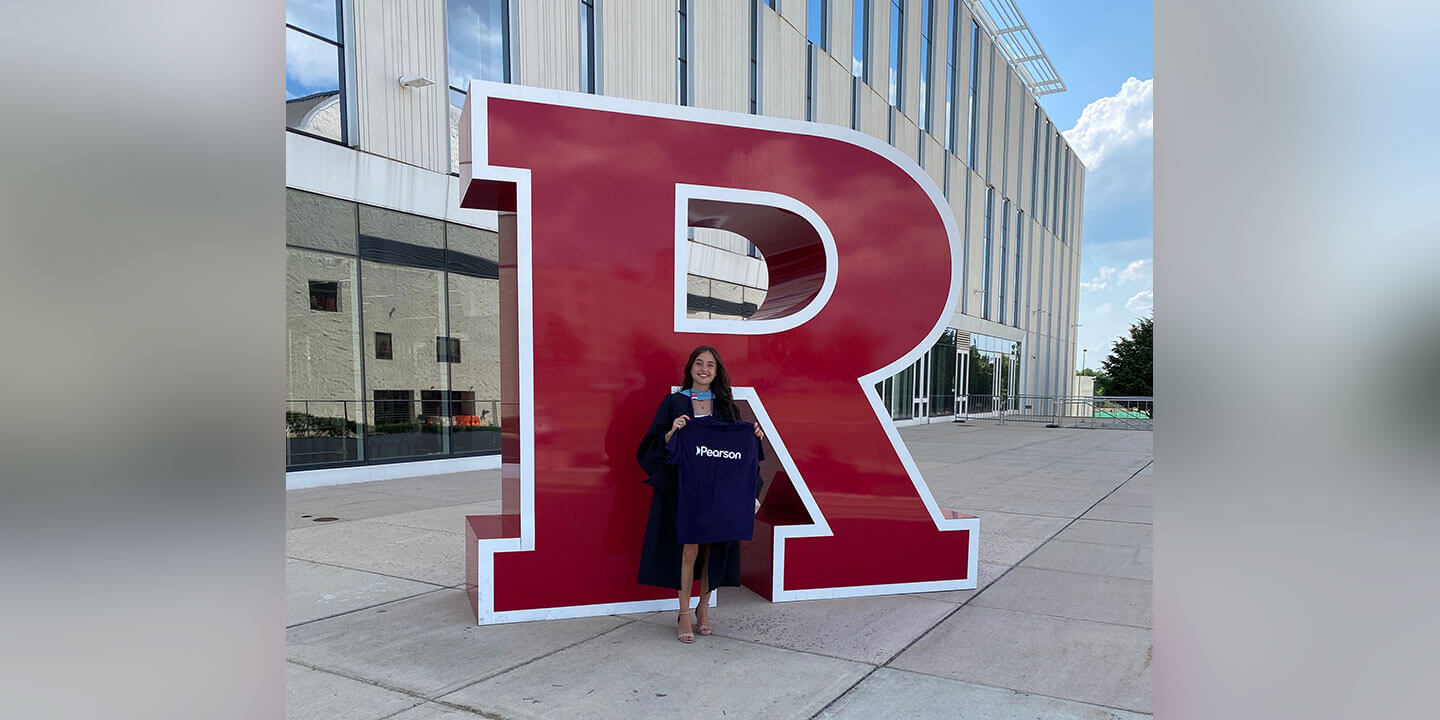
  • A graduate holding a purple Pearson shirt is standing in front of a large red sculpture of the letter R.

    My Four Years as a Pearson Campus Ambassador

    Madeline Beavis

    One of the best decisions I made in college was joining the Pearson Campus Ambassador Program. I wasn’t sure what to expect, but it seemed like an opportunity I couldn’t pass up. Little did I know that one application would completely transform my professional and personal development over the next four and a half years.

    Starting as a Campus Ambassador

    I started as a campus ambassador in the Northeast Region alongside about ten other students at schools in surrounding states. I participated in focus groups, completed product surveys, and joined regional challenges. I also collaborated virtually with more than 150 students nationwide and met the sales representative for Rutgers University, helping to connect her with professors on campus.

    The best part was that I could do it all on my own time. It truly felt like the best job ever. My Regional Coordinator supported all of us and was the perfect role model when I was just getting started.

    Growing into a Leader

    About a year into the program, I started to feel confident. I had mastered Teams and Outlook, found a rhythm with monthly projects, and built strong relationships with other PCAs, my managers, and my Regional Coordinator.

    Then, in March 2023, I received an invitation from the management team. They wanted me to step into the Northeast Regional Coordinator role when the current coordinator graduated. I was incredibly honored to be recognized as an emerging leader and said “yes” to an opportunity that would open the door to so many meaningful experiences.

    As a Regional Coordinator, I attended leadership summits in Austin (2023), Denver (2024), and virtually (2025). Each experience focused on professional development and improving the PCA program. They also gave me the chance to network with other leaders and collaborate with professionals across marketing and sales.

    Exploring through Micro-Internships

    I’ll admit I was hesitant at first to join micro-internships because I wasn’t sure I was “ready.” Pushing past that imposter syndrome was the right decision, as I completed four micro-internships between 2023 and 2026.

    These experiences gave me valuable insight into the fast-evolving world of AI, market research, and sales strategy. I went from exploring technology and its applications in education, to understanding consumers, to contributing to business strategy, with each role building meaningfully on the last.

    The Heart of the Program: Community

    While I look back on my professional growth with appreciation, the people are what I will miss most. The PCA program is truly a community. From Texas to Florida to California, I’ve built not just friendships but also a support system.

    The program brings together people from all walks of life who consistently uplift, challenge, and inspire one another. This connection lasts long after each project or summit ends.

    And of course, a team is only as great as its leaders. The management team (Debbie Miller, Delaney Henson, Dory Thornton, John Howdyshell, Margo McIlroy, and Mary Frances Weatherly) were my role models and mentors. They created an inclusive and genuinely joyful environment.

    It was the kind of place where you felt lucky to belong, not just obligated to participate. Their leadership made the experience inspiring, welcoming, and unforgettable. The Pearson Campus Ambassador Program is not just a program; it is a family. It was my greatest privilege to sit at the table.

    Do you have a compelling story or student success tips you’d like to see published on the Pearson Students blog?  If you are a college student and interested in writing for us – click here to pitch your idea and get started! 
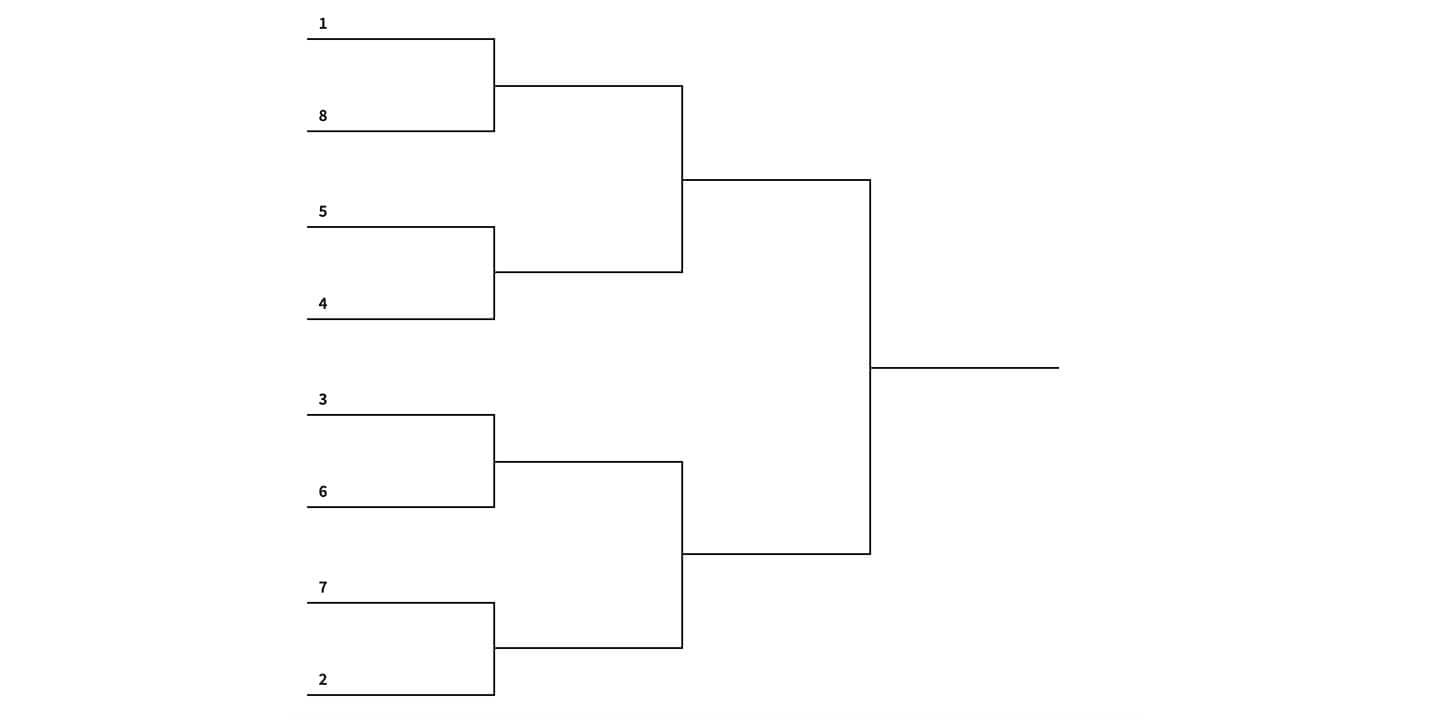
     

  • Image shows an empty sports bracket page.

    The Ultimate Bracket of Academic Struggles

    Madeline Beavis

    Every student has moments that feel like the universe is actively coordinating against them. It’s not just stress—it’s the perfectly timed academic chaos that turns a normal week into survival mode.

    This bracket ranks the most painful student experiences, as experienced first-hand by a final-year grad student. We're here to determine which one truly deserves the title of "worst of the worst." Let the college woes showdown begin!

    Round One: The Devastating Eight

    Match 1

    (1) Everything due at once vs. (8) Attendance is graded in your 8 a.m. class on Fridays

    Winner: (1) Everything due at once

    As bad as having attendance graded in an 8 a.m. class is, it’s predictable and at least manageable. Everything being due at once is total academic overload: multiple deadlines, competing priorities, and zero breathing room. It’s not just stressful; it’s complete overstimulation.

    Match 2

    (2) Your laptop dies during an exam vs. (7) Exams scheduled right after spring break

    Winner: (2) Your laptop dies during an exam

    Post-spring-break exams are rough, but a laptop dying mid-exam means immediate panic. There’s no workaround, no recovery, just watching your ability to function academically disappear in real time.

    Match 3

    (3) The exam looks nothing like the study guide vs. (6) Realizing you studied the wrong unit

    Winner: (6) Realizing you studied the wrong unit

    The study guide mismatch is frustrating, but discovering you prepared entirely for the wrong material is a deeper level of betrayal. It’s not just a surprise—it’s wasted effort for a completely different reality.

    Match 4

    (4) Oversleeping for an exam vs. (5) Group projects where no one responds

    Winner: (4) Oversleeping for an exam

    A group project is an annoying, drawn-out stress, but oversleeping for an exam is pure chaos. You wake up already behind and already failing. Your brain does emergency math on how much damage control is even possible. A zero-out-of-ten experience.

    Round Two: The Terrible Four

    Match 1

    (1) Everything due at once vs. (2) Your laptop dies during an exam

    Winner: (1) Everything due at once

    It’s still the ultimate sustained overload: multiple crises happening in parallel with no recovery window.

    Match 2

    (6) Realizing you studied the wrong unit vs. (4) Oversleeping for an exam

    Winner: (4) Oversleeping for an exam

    Studying the wrong unit is a brutal disappointment. Oversleeping is full-blown shock and panic. You’ve already lost the starting line, and now you’re trying to process the consequences while time is actively disappearing. It’s immediate, irreversible chaos.

    Round Three: The Championship of Chaos

    (1) Everything due at once vs. (4) Oversleeping for an exam

    Champion: 🏆 (4) Oversleeping for an exam 🏆

    This is the worst struggle of all time! It is overwhelming to have everything due at once, but at least you can plan for it. Oversleeping for an exam is a complete loss of control.

    There’s no buildup, no negotiation, no multitasking your way out of it. You go from sleep to panic, regret, and fear in about seven seconds.

    There are plenty of other student struggles like these, and in the moment they can feel catastrophic. But the truth is they’re all just part of the college experience. Everyone runs into these situations in one form or another.

    Somehow, you always get through them, even if it’s messy, last-minute, or not as you planned. In the bigger picture, they’re just small blips in a much longer journey. Eventually, most of them turn into the kinds of stories you look back on and laugh about.

    Do you have a compelling story or student success tips you’d like to see published on the Pearson Students blog?  If you are a college student and interested in writing for us – click here to pitch your idea and get started! 
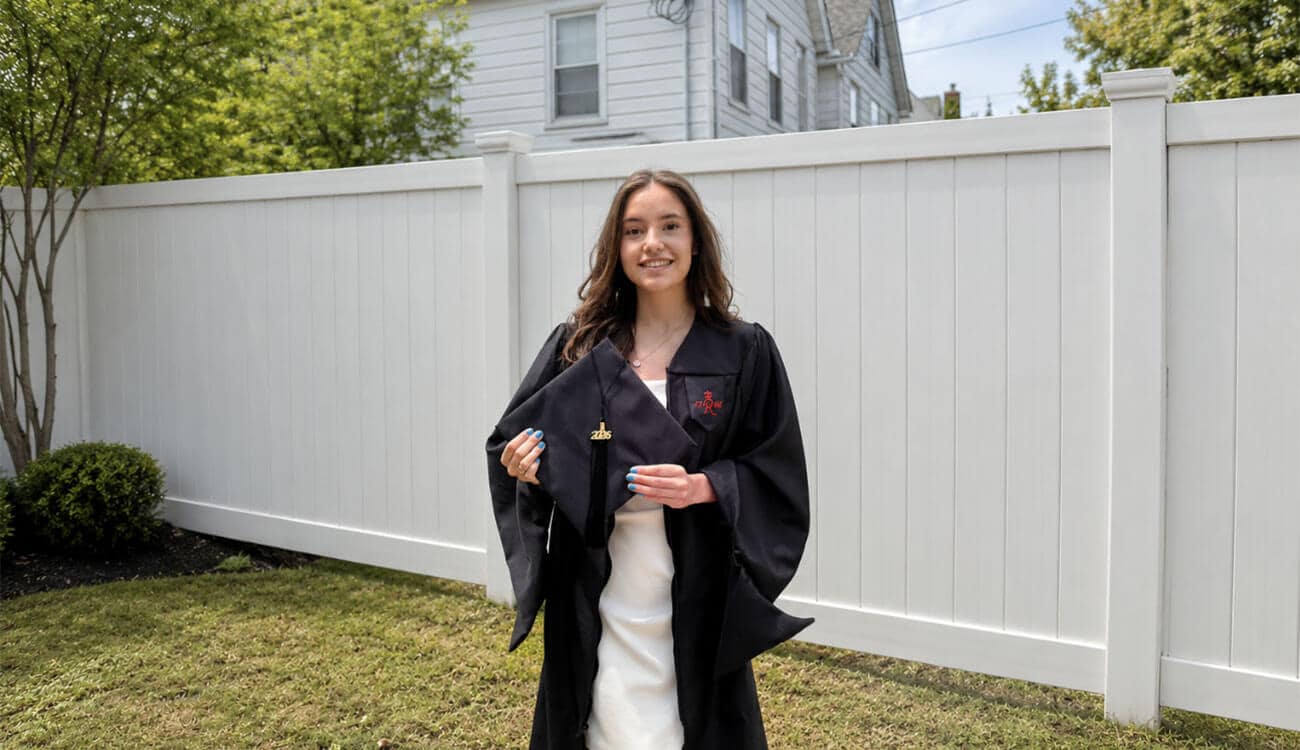
     

  • A graduate wearing a white dress and an open graduation gown is holding a graduation cap in front of a white fence.

    What College Taught Me (That Wasn’t in the Curriculum)

    Madeline Beavis

    People like to say college teaches you “life skills,” but most of the lessons that stayed with me were never written in a syllabus. They happened quietly and accidentally, usually in moments that didn’t feel important at the time.

    Embracing Uncertainty

    College taught me how to exist—and thrive—in uncertainty. This uncertainty makes you question everything: your major, your relationships, your friends, and even the person you’re becoming. There’s a strange transition that happens in college where you realize nobody is handing you a roadmap anymore.

    You can follow every instruction, check every box, and still feel completely unsure of where you’re headed. While this is scary, it’s also a stepping stone for growth. Adulthood is less about “having it all figured out” and more about learning how to move forward and seize opportunities without knowing the outcome.

    The Value of Being Alone

    College taught me how to be alone—not lonely. There’s a difference. For the first time in my life, I had complete control over how I spent my time.

    While college is often associated with constant socialization, some of the most important moments happened when I stepped away from it all. You do not have to accept every invitation to prove you have friends. Being comfortable alone is not isolation; it’s self-awareness.

    It’s learning who you are when nobody else is influencing your decisions. In a world that constantly pressures people to stay connected, college taught me the value of disconnecting long enough to hear my own thoughts.

    Quality Over Quantity

    College taught me that quality matters far more than quantity. I once thought success meant doing everything, knowing everyone, and filling every part of my schedule. But over time, I realized the most meaningful parts of college were never the biggest or loudest moments.

    A few genuine friendships mattered more than countless surface-level connections. A handful of experiences where I was truly invested taught me more than overloading myself just to seem accomplished. Fulfillment, both academic and social, is more than a report card or guest list; it comes from finding genuine value in what and who you choose to invest your time.

    Growth Through Action

    Confidence usually comes after action, not before it. College taught me that growth rarely comes from the sidelines. It happened when I emailed a professor, asked questions in a 300-person lecture hall, or attended a job fair where I felt underqualified.

    Somewhere along the way, I stopped waiting to feel prepared. I started realizing that the most important growth happens the moment you do something that scares you. The students who gain the most from college are not automatically the smartest or most outgoing; they are also the ones willing to risk discomfort and reach for opportunities first.

    Do you have a compelling story or student success tips you’d like to see published on the Pearson Students blog?  If you are a college student and interested in writing for us – click here to pitch your idea and get started! 
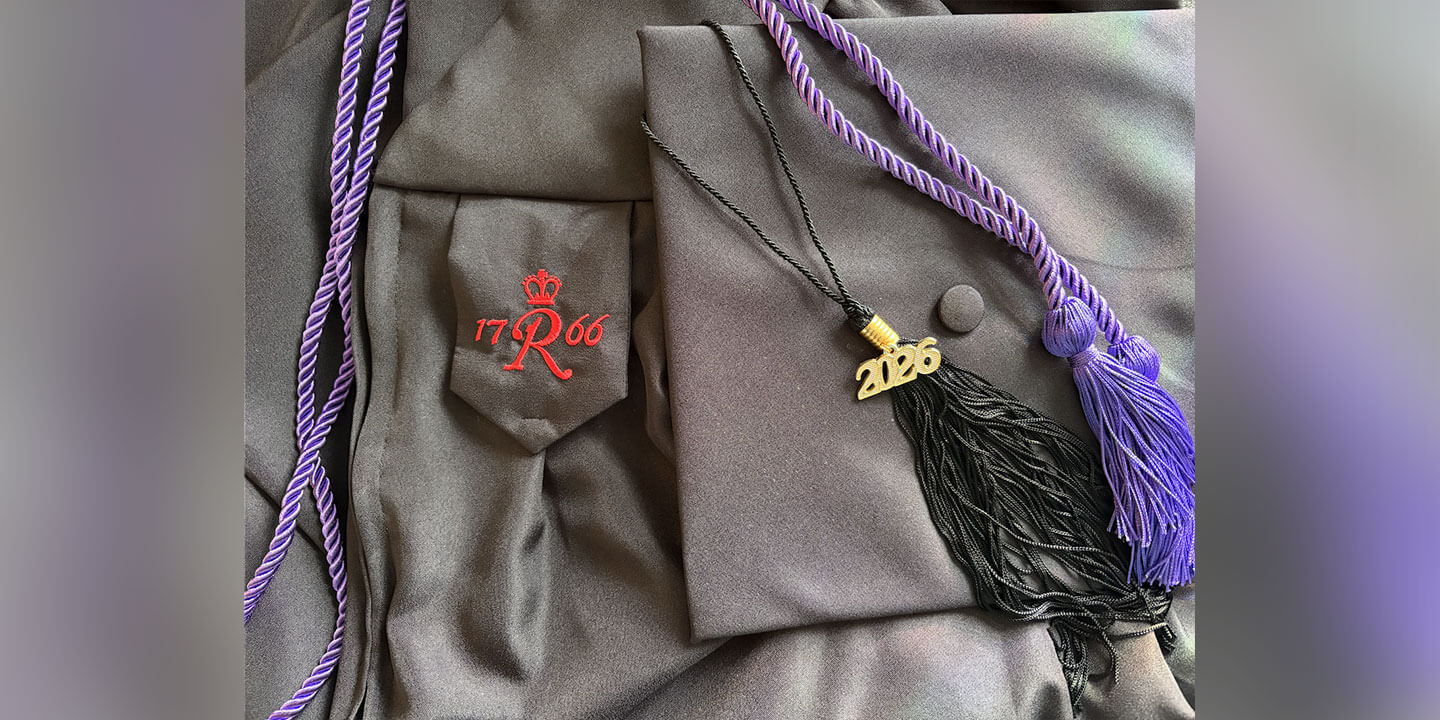
     

  • A graduation gown, cap with tassel, and purple graduation cord.

    Post-Grad Life: Myth vs. Reality

    Madeline Beavis

    Graduation is a strange milestone. Everyone celebrates it like you have "made it," but many graduates may quietly feel like they have been dropped into the middle of a game without instructions.

    One day you are turning in assignments and checking Canvas. The next, you are supposed to know what career you want, where you want to live, and how taxes work.

    The truth is, post-grad life often doesn’t look the way people imagine. And honestly, that is normal. Here are some of the biggest myths about life after college—and the realities that almost everyone experiences.

    Myth #1: You Should Have a Job Straight Out of College

    Reality: A delayed start is more common than people admit. Social media makes it seem like everyone graduates on Friday and starts their “dream job” on Monday. In reality, hiring timelines are slow, competitive, and unpredictable.

    Some people secure jobs months before graduation. Others spend the summer applying or take temporary jobs while figuring things out. Not having a job immediately after graduation does not mean you failed.

    A first job also does not have to be permanent. Your twenties are often more about exploration than perfection.

    Myth #2: You Are Supposed to Love Your First Job

    Reality: Your first job may mostly teach you what you do not want. There is a lot of pressure to find “the perfect fit” immediately, but first jobs are often learning experiences more than dream opportunities.

    You may discover you hate corporate life, remote work is not for you, or your favorite part of work has nothing to do with your degree. That is still progress. Your early twenties are often less about finding the perfect path and more about collecting information about yourself.

    Myth #3: Moving Home Means You Are Falling Behind

    Reality: It is financially smart for many people. Let’s face it, this economy is tough for many. Moving home has become incredibly common because rent is expensive, wages can be inconsistent, and many graduates are trying to save money or pay off loans.

    There is unnecessary shame around it because people associate independence with physical distance, but financial stability is independence too. Living at home for a few months or even a few years is a strategy, not a failure.

    Myth #4: You Will Stay Close With All Your College Friends

    Reality: Friendships change after graduation, even good ones. This might be one of the hardest adjustments. Most college friendships are built around proximity. After graduation, people move away, start jobs with different schedules, or enter relationships.

    That does not always mean the friendship mattered less. Post-grad friendships often require more intentionality: planning instead of spontaneity, scheduling meet-ups, and accepting different life stages. Your friendships simply have to be flexible to accommodate everyone’s new lifestyle.

    Final Reality: Nobody Really Knows What They Are Doing

    Adulthood is less about “having everything figured out” and more about adapting in real time. The people who seem most put together are often just those who have become comfortable not having all the answers.

    Post-grad life can be awkward, exciting, unstable, emotional, and full of unexpected detours. That does not mean you are doing it wrong. It just means you are in the middle of becoming who you will eventually be.

    Do you have a compelling story or student success tips you’d like to see published on the Pearson Students blog?  If you are a college student and interested in writing for us – click here to pitch your idea and get started! 
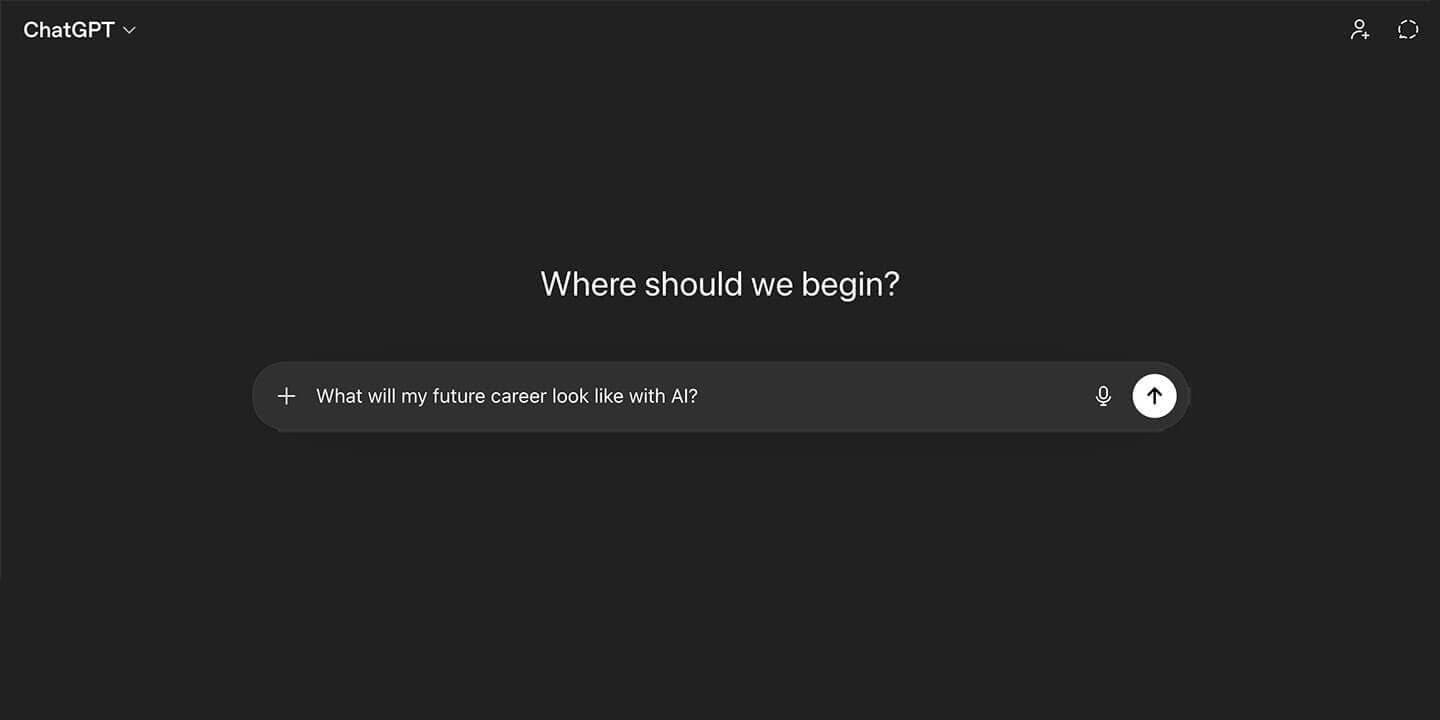
     

  • Image shows a ChatGPT prompt that reads “What will my future career look like with AI?” against a dark background with the header “Where should we begin?”

    How AI Could Shape Your Career After College

    Madeline Beavis

    Artificial intelligence isn’t sci-fi anymore. It’s reality. And it’s already showing up in the jobs students are preparing for right now. Whatever your field, AI is changing what your future day-to-day work might look like.

    A Shifting Focus in Education

    Take education, for example. Teachers can use AI tools to help create lesson plans, generate quizzes, and even give feedback on assignments. This doesn’t mean teachers won’t exist in a few years (it would be pretty strange to have a robot as a teacher); their roles are simply shifting.

    Instead of spending hours on grading or organizing, teachers can focus on connecting with students, supporting different learning needs, and making lessons more engaging. In other words, the human side of teaching is in the spotlight.

    A New Assistant for Business

    In the business and finance world, AI is basically a new personal assistant through tools like Microsoft Copilot or ChatGPT Enterprise. It can analyze huge amounts of data, predict trends, and even help companies make decisions faster. Tasks that used to take hours can now happen in seconds.

    These roles are becoming less about repetitive tasks and more about understanding the bigger picture. New skills for future professionals include thinking critically about what AI is telling them and asking good questions.

    A Creative Tool for the Arts

    The arts are where things get interesting. AI can now do everything from creating images to composing music (some of which is surprisingly good). But is that still “creativity”? Is it replacing artists? The answer isn’t simple.

    While AI can generate content, it still relies on human direction and ideas. Many artists are using AI as a tool to experiment and push their creativity further. Instead of art dying out, its creation process is evolving and its possibilities are expanding.

    Navigating Career Uncertainty

    So what jobs are actually “safe”? That’s the question many students are asking, and honestly, there’s no clear answer.

    You could argue that repetitive, predictable tasks are the easiest for machines to replicate. Careers that involve creativity, problem-solving, communication, and human connection might be more insulated from AI advancements.

    It’s completely normal to feel a little anxious about this. The idea that the job you’re working so hard toward could change, or even disappear, is stressful. But remember, that’s only one side of the story.

    New Opportunities and Skills

    There are careers now that didn’t exist a few years ago, such as AI engineers, data scientists, and roles focused on ensuring AI is used ethically. More are being created as technology evolves.

    Even in traditional fields, people who know how to use AI effectively will have a huge advantage. Today’s world requires students and professionals to keep learning and adapting to new technology.

    The Future Is Human + AI

    The bottom line? The future isn’t about humans versus AI; it’s about humans working with AI.

    As a student, the best thing you can do is stay curious, learn new tools, and build skills that machines can’t copy. Workplace dynamics are changing, but that also means there are more opportunities than ever before to find your place.

    Do you have a compelling story or student success tips you’d like to see published on the Pearson Students blog?  If you are a college student and interested in writing for us – click here to pitch your idea and get started! 
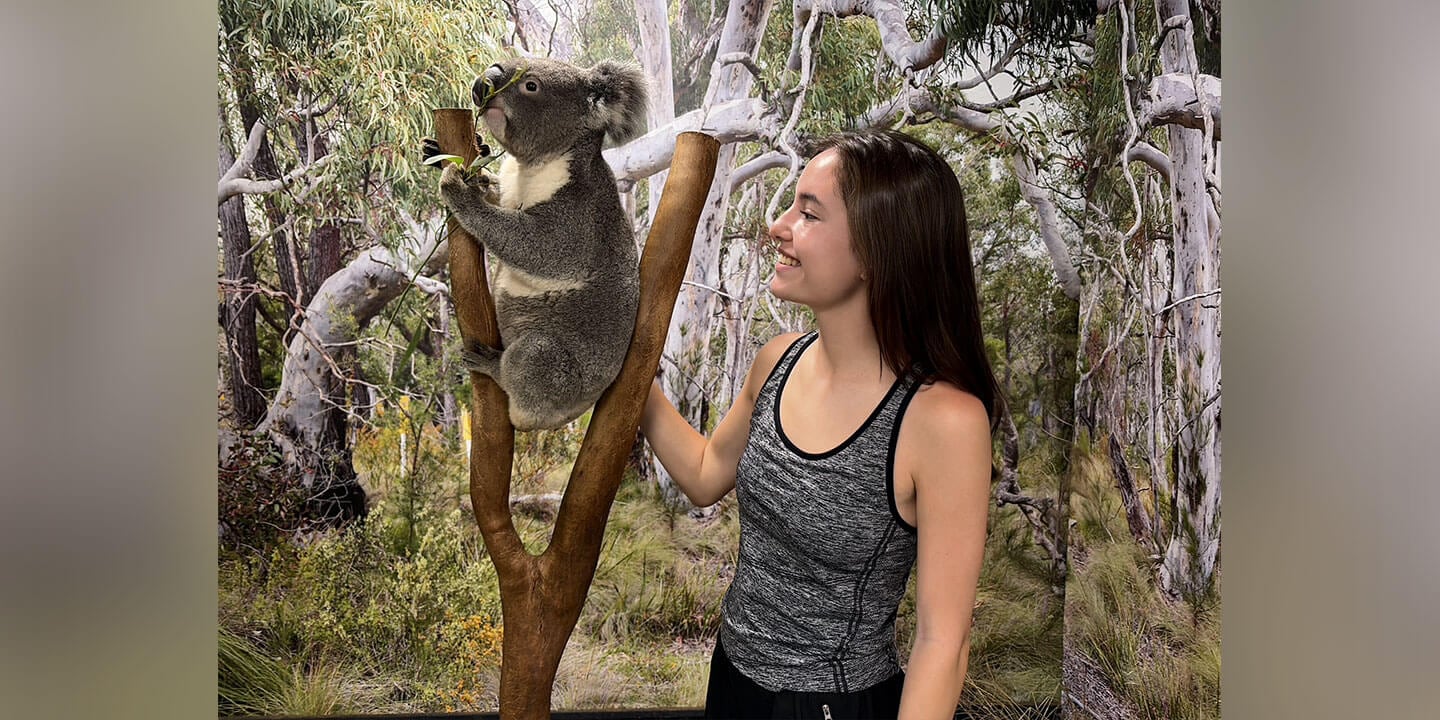
     

  • The blog author, Madeline, is wearing a gray athletic tank top and smiling at a koala perched on a tree branch in a wooded area.

    Up Close with Animals Down Under

    Madeline Beavis

    Australia, the land Down Under, is known for its unique and often terrifying wildlife, from giant spiders and snakes to creatures seemingly from a survival documentary. But alongside those fear-inducing legends, Australia is also home to some of the cutest animals on Earth. Wallabies, koalas, and brilliantly colored birds prove that not everything in Australia is trying to kill you; some of them just want to nap in a tree or hop by your side.

    Traveling to Australia allowed me to see wildlife in living, personal environments, not just in pictures or behind glass. These encounters reshaped how I think about animals and the growing connection between humans and their habitats.

    Close Encounters at Featherdale

    Just outside Sydney, I visited Featherdale Wildlife Park. I saw wallabies hopping freely and koalas sleeping twenty-two hours a day in eucalyptus trees (a full-time student’s dream)! Being just a few feet from these animals made them feel less like distant symbols of Australia and more like individual living beings.

    What struck me most was learning about Featherdale's origins. It opened as a wildlife park but later expanded into a hospital and rehabilitation center for injured animals when human settlement began expanding into the area. Roads and housing pushed into natural habitats, leaving many animals vulnerable to cars and displacement.

    The sanctuary still plays a role in caring for animals that can no longer survive in the wild. This is both inspiring and unsettling, as it exists because nature has been disrupted.

    Immersed in Color at Kuranda

    Later in my trip, near Cairns, I visited Kuranda Birdworld, where brightly colored birds flew freely through lush greenery. Unlike zoos in the United States, where animals are often viewed through glass or fencing, this experience felt immersive. Birds not only landed on branches inches away, but they also got comfortable on your arms and shoulders for a snack!

    Seeing them up close made their beauty impossible to ignore, but it also made their fragility more real. Many bird species depend on rainforests that are shrinking due to land-use changes like deforestation and development. The remaining forest faces additional challenges from climate change.

    Sanctuaries: A Place of Refuge

    What tied these experiences together was the realization that human presence can bring both positive impact and negative consequences. Sanctuaries like Featherdale and Birdworld exist because habitats have been disrupted, yet they also educate visitors and support animal welfare.

    Watching a wallaby graze or a parrot glide through the air made me appreciate their uniqueness. I also realized how easily they could disappear without support. More than half of the forests and woodlands that existed in New South Wales have been cleared in the past 300 years [1]. Across Australia, large swaths of wildlife habitat continue to be lost.

    Lessons on Another Continent

    Australia’s wildlife left a lasting impression on me not only as a traveler but also as a student. Experiences like these reminded me that learning does not happen only in lecture halls or through textbooks.

    Seeing environmental topics firsthand helped me understand concepts like animal welfare and sustainability. It showed me that global topics are not distant or abstract but are real and happening around us every day.

    Although this was a personal trip, it still applies to opportunities like study abroad and global learning. Exposure to different ecosystems, cultures, and perspectives can deepen a student's understanding of the world and its complexities. Seeing these animals in person reminded me of our shared responsibility to care for all wildlife and the places they call home.

    [1] Michelle Ward, David Lindenmayer, and James Watson. “More than half of NSW’s forests and woodlands are gone as ongoing logging increases extinction risks, study shows.” August 5, 2024. https://science.anu.edu.au/news-events/news/more-half-nsws-forests-and-woodlands-are-gone-ongoing-logging-increases-extinction.

    Do you have a compelling story or student success tips you’d like to see published on the Pearson Students blog?  If you are a college student and interested in writing for us – click here to pitch your idea and get started! 

     

  • Photograph of a sunrise over the ocean with waves breaking on the beach.

    What Summer Activity Are You Based on Your Major?

    Madeline Beavis

    It's finally here: the season of sunshine, long days, and endless possibilities! Summer isn't just a break; it's a whole mood. And just like your college major shapes your academic journey, it can also subtly influence how you soak up those glorious summer months.

    Let Your Major Guide You

    Has your love for calculus ever turned into a meticulously planned road trip? Does your passion for literature tend to lead you to a hammock with a pile of books?

    Let's pair some popular college majors with their quintessential summer activities. So, grab your sunscreen and get ready to see your academic focus reflected in your summer fun. Let's dive in!

    Business Majors: You're Sunshine Networking Gurus

    You’ve got LinkedIn open and a colorful drink (with an umbrella, of course) in hand! For you, summer isn't just about relaxation; it's about strategic growth and connection.

    You might be perfecting your elevator pitch while lounging by the pool or turning a casual brunch into a productive networking session. You see opportunities everywhere and always take advantage!

    Education Majors: You're the Ultimate Summer Camp Counselors

    You have an infectious energy and a seemingly endless supply of games. You even have that reassuringly enthusiastic “camp counselor voice” at the ready.

    Whether you're organizing a round of cornhole, leading a tie-dye session, or orchestrating a spontaneous talent show, you effortlessly bring fun and structure to every summer gathering. You thrive on guiding, teaching, and making sure everyone has a memorable time.

    Engineering Majors: You're DIY Project Pros

    Why buy it when you can build it, fix it, or dramatically improve it? Summer for you means tackling those home projects you've put off all year.

    From assembling that intricate new grill to finally balancing the wobbly patio chair, you're always on the hunt for something to optimize. Bonus points if it involves blueprints, power tools, or a perfectly organized spreadsheet of materials!

    English Majors: You're a Beachside Bookworm

    Waves gently lapping, the perfect summer read in hand, and not a care in the world: that's your ideal summer scene.

    Your summer is a literary escape. You might be tackling that intimidating classic novel, getting lost in a contemporary page-turner, or jotting down poetic thoughts inspired by the sea breeze.

    You see stories everywhere, and every sunset feels like the perfect closing chapter.

    Marketing Majors: You're Poolside Content Curators

    Your summer is a vibrant reel of spontaneous moments, perfectly captured and curated. You have a knack for turning a casual pool day into a visually stunning story, always finding the best light and angle.

    Every ice cream cone and beach sunset is an opportunity to create engaging content. You naturally want to share the joy of summer with your followers and subtly showcase your natural flair for promotion.

    Major Summer Vibes

    No matter what your major is, you can lean into those same interests while enjoying a much-deserved summer break. Your major is the perfect inspiration for summer activities that capitalize on your strengths and passions.

    Dive into a good book or build something unique. Curate lasting memories, lead the fun, or make new connections. Use your major as your guide to create the perfect summer vibe.

    Do you have a compelling story or student success tips you’d like to see published on the Pearson Students blog?  If you are a college student and interested in writing for us – click here to pitch your idea and get started! 

     

  • The graphic shows four line drawings of fashion models wearing four different business casual outfits.

    How Gen Z is Revolutionizing Professional Dress

    Madeline Beavis

    Once upon a time, “dressing professionally” meant stiff suits, painful heels, and neutral colors. But Gen Z has looked at that old rulebook and said, “Yeah, no thanks.” Now, they’re rewriting the dress code one stylish and comfortable outfit at a time.

    From Conformity to Creativity

    For Gen Z, what you wear to work isn’t about blending in; it’s about standing out. This generation grew up with stylish Pinterest boards, Instagram feeds full of aesthetic inspiration, and TikToks that turn “Get Ready With Me” into an art form. Naturally, they’ve brought that creativity into the office with wide-leg pants, trendy kicks, eye-catching accessories, and exciting colors.

    The Comfort Revolution

    Comfort is another big win in the Gen Z dress code revolution. After countless Zoom meetings in business-on-top, pajamas-on-bottom outfits, young professionals learned that productivity isn’t tied to a pressed shirt. Now, it’s all about polished but stylish comfort-core. Think soft fabrics, relaxed fits, and outfits that look good on both a laptop camera and in a conference room.

    More Than Fashion: A Shift in Values

    This shift isn’t just about fashion; it’s about values. Gen Z is calling out dress codes that favor any one gender, ethnicity, or cultural identity. They’re bringing authenticity and inclusivity front and center.

    Natural hairstyles, cultural clothing, and gender-neutral looks are becoming part of what “professional” means today. They’re proving confidence and competence shine through, even in comfy shoes and an outfit with personality.

    The Social Media Runway

    And let’s not forget social media’s role in all this. Platforms like TikTok and Pinterest have turned “office outfit ideas” into their own genre. You’ll find teachers rocking wide-leg pants and chunky loafers, tech workers in pastel cardigans and gold hoops, and entrepreneurs mixing thrift finds with luxury staples.

    The Future of Office Fashion

    So what’s next for workplace fashion? Expect even more creativity. As Gen Z climbs the career ladder, we’ll see office style evolve into something flexible and expressive. Thrifted finds, sustainable brands, and even tech-inspired pieces will coexist.

    The future office might not have a dress code at all, just one golden rule: wear what makes you feel your best. Professional style is changing fast, and Gen Z is the one setting the dress code.

    Do you have a compelling story or student success tips you’d like to see published on the Pearson Students blog?  If you are a college student and interested in writing for us – click here to pitch your idea and get started! 

     

  • A spiral notebook, a calculator, and a mechanical pencil balanced on a pool float floating in a pool.

    Should You Take a Summer Class? A Decision-Making Guide

    Madeline Beavis

    Summer break is often seen as a time to relax, travel, or work, but for many college students, it also raises the question: Should I take summer classes? The answer isn’t one-size-fits-all.

    Deciding whether to enroll in summer courses depends on your academic goals and personal priorities. Here’s a guide to help you make the best decision for your situation.

    Pros of Taking Summer Classes

    1. Stay on track or graduate early: Summer classes can help you catch up on credits or get ahead in your program. This could allow you to graduate a semester—or even a full year—early, which could offer a financial advantage!
    2. Lighter course load during the year: Spreading out your credits over the summer might reduce your fall or spring workload, giving you more flexibility during the regular school year.
    3. Smaller class sizes: Summer courses often have fewer students, which can mean more personalized attention and better access to professors.
    4. Fewer distractions: With less activity on campus, you might find it easier to focus on your coursework without the usual hustle of a full semester.
    5. More focused learning: With fewer classes to juggle compared to the regular semester, you can concentrate more deeply on one subject.

    Potential Cons to Consider

    1. Condensed pace: Summer classes move quickly. An entire semester’s worth of material is often compressed into just a few weeks, making the coursework more intense and demanding.
    2. Burnout risk: After two full semesters, it can be difficult to find the stamina for a summer session, which could lead to mental fatigue or a lack of motivation.
    3. Limited course offerings: Not all classes are available during the summer, especially electives, labs, or upper-level major requirements.
    4. Missed break opportunities: Taking summer classes could mean giving up time spent with friends and family, internships, travel, or earning income from a summer job.
    5. Reduced financial aid options: Some schools offer limited or no financial aid for summer courses. Extra summer fees might offset any savings from cheaper classes, so be sure to check carefully before enrolling.

    Key Questions to Ask Yourself

    1. Do I need these credits to stay on track or graduate early?
    2. Will I be able to manage the fast pace of a summer course?
    3. Are the classes I need even offered this summer?
    4. How will this impact my summer plans: work, internships, family time, or rest?
    5. Am I doing this because it supports my goals, or just because I feel like I "should"?

    Taking summer classes can be a smart move, but only if it aligns with your academic goals, financial realities, and personal needs. Take time to weigh the pros and cons, and don’t be afraid to ask your academic advisor for input. After all, summer is what you make of it!

    Do you have a compelling story or student success tips you’d like to see published on the Pearson Students blog?  If you are a college student and interested in writing for us – click here to pitch your idea and get started!