
Students blog

Explore the latest trends, tips, and experiences in college life in this blog written by fellow students.

Explore posts in other areas.

PreK-12Higher EducationProfessional

  • A winter scene with snow covered trees and shrubs and a road pictured in the foreground.

    Flip-Flops to Snow Boots: A Guide to Moving North for College

    Meredith White

    Imagine the culture shock I experienced moving from an always-sunny, 110-degree area to one of the snowiest cities in the U.S. Trading flip-flops for snow boots at 7,000 feet was an adjustment I never expected.

    I went from worrying about staying cool to learning how to prepare for freezing temperatures and snow-covered sidewalks. I also learned to anticipate mornings when the weather could completely change my plans.

    Moving to a colder climate for college is a major transition. The first snowfall may feel exciting, but the reality of walking to class in freezing temperatures requires preparation.

    It is easy to focus on just getting through the season. However, when you learn to embrace it, your first winter can become one of the most rewarding parts of your college experience.

    Build Your Winter Wardrobe

    The biggest lesson I learned was that the right winter clothing can completely change your experience. When I first arrived on campus, all I had was a pair of snow boots and a coat. Dressing for winter isn’t just about owning a big coat; it’s about building a wardrobe that allows you to stay comfortable while still enjoying your daily routine.

    A quality winter coat, waterproof and slip-resistant snow boots, a set or two of thermal clothing, warm gloves, a hat or earmuffs, and thick thermal socks are essential when temperatures drop. Your shoes, especially, matter because snow and ice can turn a normal walk to class into a major challenge.

    Master the Art of Layering

    Layering is another winter skill that makes all the difference. Temperatures can change throughout the day, and going from a cold walk outside to a warm classroom means you need clothing that can adapt.

    Wearing a base layer, sweatshirt, and coat allows you to stay warm outside without overheating once you are indoors. Small additions like scarves, thermal leggings, and hand warmers can also make cold days feel much more manageable.

    Even if you think you look silly, I promise that being warm matters more.

    Adjust Your Daily Routine

    Beyond clothing, preparing for winter means adjusting your daily habits. Check the weather before leaving for class, give yourself extra time to walk on snow or ice, and keep winter essentials easily accessible. A few extra minutes of preparation can prevent a stressful morning and help you feel more confident navigating a new environment.

    Embrace the Winter Wonderland

    Winter is about more than just learning how to survive the cold. It is also an opportunity to experience a side of life that may be completely new.

    Take time to appreciate the beauty of snowy mornings, explore winter activities, make a snowman, spend cozy evenings with friends watching a movie, or enjoy a warm drink after being outside. The season that once felt intimidating can become something you genuinely look forward to.

    From Sixty Degrees to Snowstorms

    Coming from a place where winter meant sixty degrees, not snowstorms, taught me that adapting to the cold is about more than just the right gear. It is about being open to change, creating new routines, and finding joy in unfamiliar experiences.

    Your first winter may come with a learning curve, but it can also become one of the most memorable chapters of your college journey. Cozy up with a blanket, a good book or show, and a hot beverage, and enjoy a season that offers so much more than just cold temperatures.

    Do you have a compelling story or student success tips you’d like to see published on the Pearson Students blog?  If you are a college student and interested in writing for us – click here to pitch your idea and get started! 
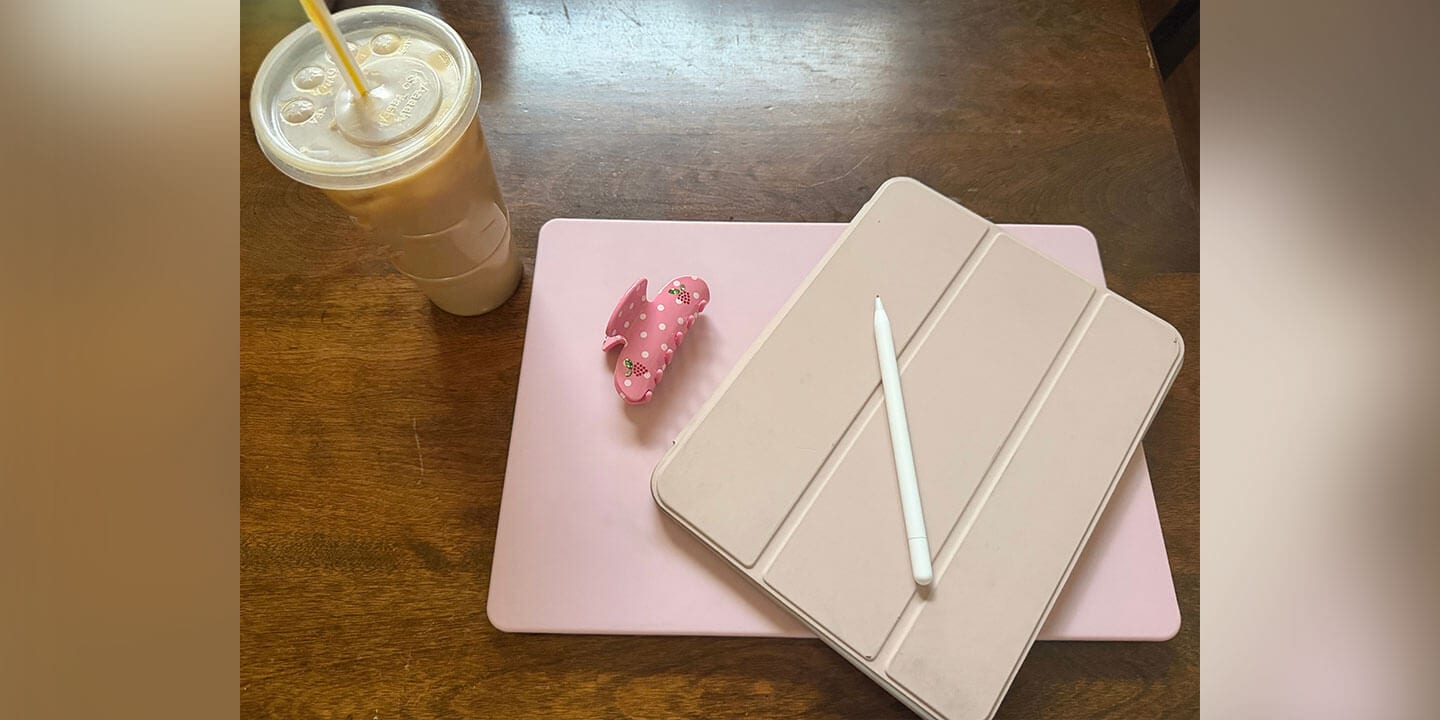
     

  • A closed beige iPad with a white stylus rests on a pink pad with an iced coffee and yellow straw placed next to it on a wooden table.

    The Power of a Pause

    Meredith White

    What if taking a break is actually one of the most productive things you can do? In college, it feels like there’s always another assignment to finish or an exam to study for. Responsibilities constantly compete for your attention.

    It’s easy to believe that every free moment should be spent being productive, but that mindset can quickly lead to stress and burnout. The truth is, taking a break isn’t something that needs to be earned; it’s an important part of doing your best. Allowing yourself to pause is essential for dealing with everything that comes with being a college student.

    Why Breaks Are Essential

    Breaks improve focus. After studying for a while or working on assignments, your concentration naturally starts to fade. Stepping away for even a few minutes can help you return with a clearer mind, making your study time more effective.

    Pausing helps prevent burnout. Constantly pushing yourself without taking time to relax and recharge can leave you feeling mentally and physically exhausted. Regularly taking breaks helps reduce stress before it becomes overwhelming, which allows you to stay motivated throughout the semester.

    Your mental health deserves attention. College is about more than coming out on top with the best GPA. Activities like spending time with friends, taking a walk, listening to music, or simply relaxing can improve your mood and help you maintain a healthier balance.

    Why We Feel Guilty About Rest

    Some college students associate being busy with being successful. It can be tempting to compare yourself to classmates who seem to be studying constantly, especially on social media. What we don’t see are the moments they spend resting and recharging.

    Productivity isn’t measured by how busy you look; it’s a subjective measurement about what’s most important to you. In college, productivity might be measured by how effectively you learn, grow, and take care of yourself.

    How to Pause Guilt-Free

    • View rest as part of your routine, not a reward. Taking breaks shouldn’t be conditional. Finishing every task first isn’t necessary.
    • Choose breaks that help you feel refreshed. You could go for a walk, grab a snack, stretch, read for fun, spend time outside, or, my favorite, get a coffee. Even a short change of pace can make a difference.
    • Focus on working smarter, not longer. A focused hour of studying after a break can be more productive than several distracted hours without one.
    • Give yourself permission to unplug. You don’t have to be productive every minute. Being productive all day isn’t necessary for success.

    Press Pause to Move Forward

    College will always come with deadlines and responsibilities, but constantly running on empty isn’t the answer. Success isn’t measured by how exhausted you are; it’s measured by how well you care for yourself while working toward your goals.

    Whether you need a ten-minute or an hour-long break, allow yourself to take it. You may have tons of assignments that need to be done, but by taking a break, you can come back refreshed and ready to tackle them.

    The next time you feel guilty about stepping away, remember that the power of a pause might be exactly what helps you move forward.

    Do you have a compelling story or student success tips you’d like to see published on the Pearson Students blog?  If you are a college student and interested in writing for us – click here to pitch your idea and get started! 

     

  • Two college women in a store aisle shopping for room accessories.

    The First-Year Roommate Survival Guide

    Meredith White

    Before your first year of college begins, it’s important to start thinking about your roommate options. If the college you’re attending allows you to choose your roommate, take the time to select them carefully. If you’re assigned a roommate, try to connect with them beforehand.

    Living with someone, especially someone you don’t know, can be challenging. Sharing a dorm room may feel difficult at first, but with some effort, it can become manageable (and even enjoyable). Not all first-year roommates create conflict; some may even become lifelong friends.

    Here are five tips for successfully sharing a space with a new college roommate:

    1. Show Mutual Respect

    Sharing a small space means you’ll need to be considerate of each other. This includes avoiding habits like leaving clothes on the floor, letting dishes pile up, leaving trash around, blasting TikTok at full volume, inviting people over without notice, or touching your roommate’s belongings without permission. These behaviors can build resentment and create an unpleasant living environment for both of you.

    2. Create a Roommate Agreement

    Don’t wait three weeks to realize your late-night habits are disrupting your roommate’s early-morning schedule. To avoid misunderstandings, have an open conversation early on about expectations. Discuss (and consider writing down):

    • class times and sleep schedules
    • when you’ll need the room for studying
    • guest etiquette and expectations
    • which items are available for shared use
    • shared responsibilities like cleaning common areas or taking out the trash

    Creating a roommate agreement you both stick to ensures that one person doesn’t feel like they’re doing all the work.

    3. Get to Know Each Other

    It’s challenging to live with someone for nine months without knowing much about them. While you don’t have to become best friends, getting to know your roommate (even a little) can help reduce tension. You’re both entering a new environment and likely have more in common than you realize.

    Grabbing food together, walking each other’s schedules, watching a movie, or simply chatting about your day can help build a comfortable relationship with your roommate.

    4. Communicate Openly

    If there is an issue that you need to address, don’t ignore it. If your roommate is doing something that bothers you and it can be resolved, bring it up. If you feel your boundaries aren’t being respected, have a conversation about it.

    Remember, your Room Advisors are there to help. Don’t be afraid to reach out to them for guidance when needed.

    5. Pick Your Battles

    That said, everyone has their own way of doing things. If you hear yourself thinking, “Why can’t they just do things how I do it,” frustration (and resentment) could start to build.

    Before confronting your roommate about their habits, ask yourself: “Is this really a big deal? Does it affect our ability to coexist?” If the answer is no, let it go. Not every issue is worth a conflict.

    First-Year Roommate Strategy

    Compromise is essential when living with someone; sometimes, it won’t go in your favor, and that’s okay. Respecting the person you’re living with is crucial, especially since college is already stressful enough. You don’t need unnecessary tension where you sleep.

    For a smooth transition into your new environment, set clear boundaries early with a roommate agreement. By getting to know each other, communicating openly, and showing mutual respect, you can make the best of sharing your space with your first college roommate.

    Do you have a compelling story or student success tips you’d like to see published on the Pearson Students blog?  If you are a college student and interested in writing for us – click here to pitch your idea and get started!