
Explore what’s new for social studies
As districts place greater emphasis on civic literacy, economic reasoning, cultural understanding and analytical skills, Pearson’s newest social studies programs respond by building on trusted scholarship while helping students analyze, question and engage with the world around them.
Whether you’re planning an upcoming adoption, refreshing course materials or exploring new options, discover programs designed to support rigor, relevance and instructional flexibility.

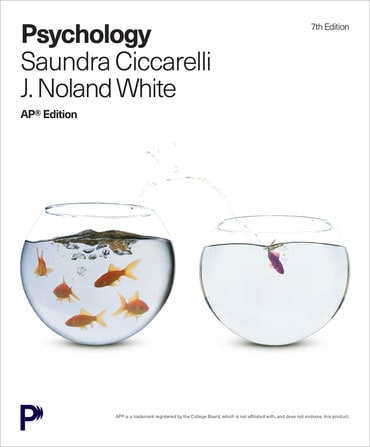
Psychology, 7th Edition, AP® Edition
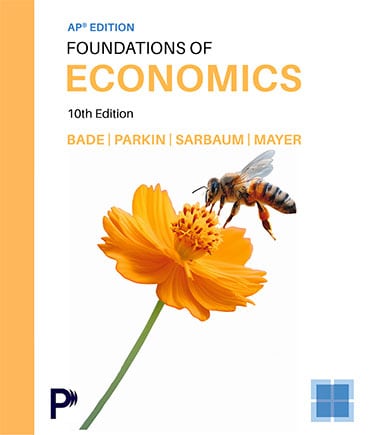
Foundations of Economics, 10th Edition, AP® Edition
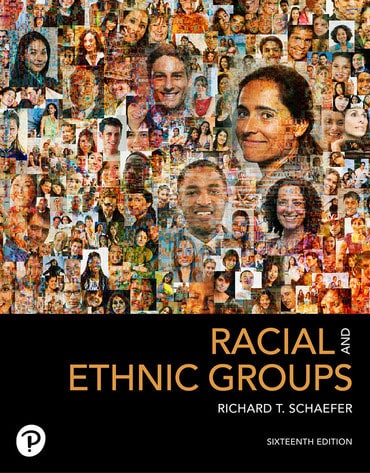
Racial and Ethnic Groups, 16th Edition
Real-world relevance
Connect concepts to current issues, authentic data and students’ lived experiences.
Critical thinking
Help students evaluate evidence, analyze perspectives and build reasoned conclusions.
Flexible instruction
Support print, digital and blended learning with tools that help educators adapt instruction.
Course and exam readiness
Give students purposeful practice with the skills expected in advanced courses and AP® exams.

Webinar
Connect economics to the real world
Explore strategies that strengthen instruction while building the thinking students need for AP® exam success.
Connecting Economics to the Real World: Strengthening Instruction and Exam-Ready Thinking

Blog
Turn AP® exam data into better instruction
Use exam insights to identify learning gaps, adjust instruction and build student readiness.

Sampler
Preview Psychology, AP® Edition
Explore the content, organization and classroom experience in the updated program.

Author Video
Meet Foundations of Economics author David Mayer
Hear directly from David Mayer about the program’s real-world approach and support for exam-ready thinking.
AP® is a trademark registered by the College Board, which is not affiliated with, and does not endorse, this product.