Ch. 19 Blood
Amerman - Human Anatomy & Physiology 2nd Edition
Erin C. Amerman2nd EditionHuman Anatomy & PhysiologyISBN: 9780136873822Not the one you use?Change textbook
Chapter 19, Problem 5

Erythropoiesis requires stimulation from the hormone:
a. Thrombin
b. Thrombopoietin
c. Thymosin
d. Erythropoietin

Verified step by step guidance
1
Step 1: Understand the term 'erythropoiesis.' Erythropoiesis refers to the process of producing red blood cells (erythrocytes) in the bone marrow. This process is essential for maintaining oxygen transport in the body.
Step 2: Identify the role of hormones in erythropoiesis. Hormones act as signaling molecules that regulate various physiological processes, including the production of red blood cells.
Step 3: Review the options provided in the question: a) Thrombin, b) Thrombopoietin, c) Thymosin, and d) Erythropoietin. Each of these hormones has a specific function in the body.
Step 4: Match the correct hormone to its function. Erythropoietin is the hormone responsible for stimulating erythropoiesis. It is produced primarily by the kidneys in response to low oxygen levels in the blood and acts on the bone marrow to increase red blood cell production.
Step 5: Eliminate the incorrect options: Thrombin is involved in blood clotting, Thrombopoietin regulates platelet production, and Thymosin is associated with T-cell development in the immune system. These hormones are not related to erythropoiesis.

Verified video answer for a similar problem:

This video solution was recommended by our tutors as helpful for the problem above.
Was this helpful?

Key Concepts

Here are the essential concepts you must grasp in order to answer the question correctly.

Erythropoiesis

Erythropoiesis is the process of producing red blood cells (erythrocytes) from precursor cells in the bone marrow. This process is crucial for maintaining adequate oxygen transport in the body. It is regulated by various factors, including hormones, and is stimulated primarily in response to low oxygen levels in the blood.
Recommended video:
2:57
The Urinary System

Erythropoietin

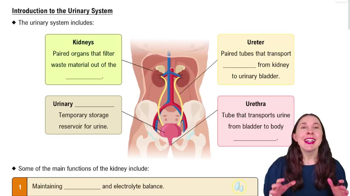
Erythropoietin (EPO) is a glycoprotein hormone produced mainly by the kidneys in response to hypoxia (low oxygen levels). It stimulates the bone marrow to increase the production of red blood cells, thereby enhancing the oxygen-carrying capacity of the blood. EPO is essential for the regulation of erythropoiesis and is often used therapeutically in conditions like anemia.
Recommended video:
2:57
The Urinary System

Hormonal Regulation

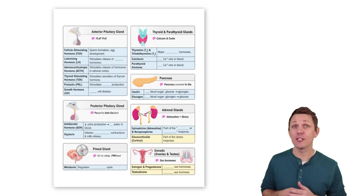
Hormonal regulation refers to the control of physiological processes through hormones, which are chemical messengers released into the bloodstream. In the context of erythropoiesis, hormones like erythropoietin play a vital role in signaling the body to produce more red blood cells when needed. Understanding this regulation is key to grasping how the body maintains homeostasis in response to varying oxygen demands.
Recommended video:
Guided course
13:06
Review of Major Hormones