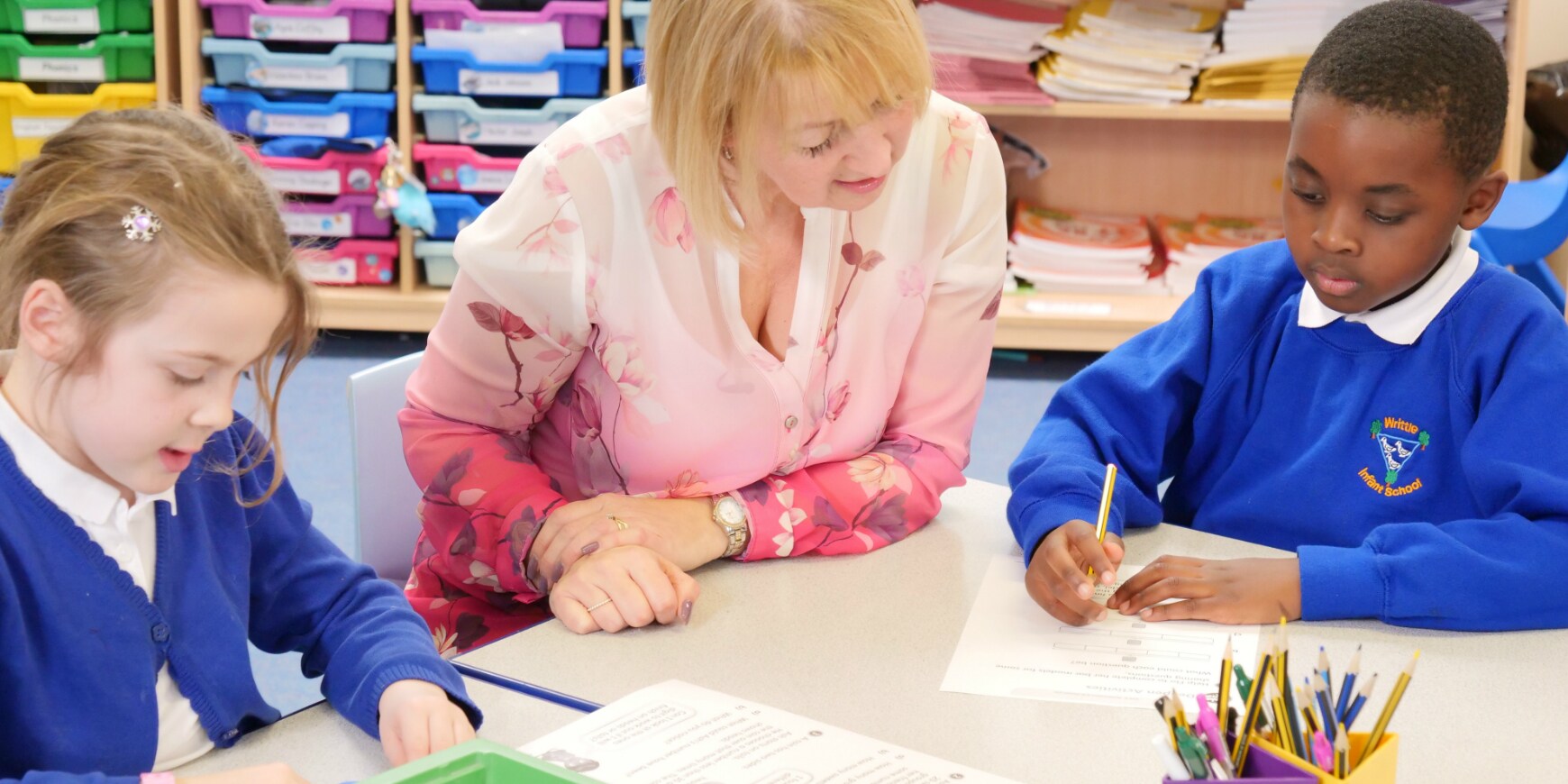
Truths, myths and misconceptions about Maths Mastery
As featured in Teachwire
Tony Staneff, series editor of Power Maths, lifts the lid on five of the most common misconceptions around this much-discussed approach to maths.

Be it through engaging students in literature, developing early language skills or bringing creativity back into the classroom, we're 100% committed to supporting teachers and students.
Schools across the UK have told us they’re navigating the impact of COVID-19 on education by focusing on building students’ knowledge, skills, confidence and wellbeing in readiness for their next steps.
As each learning journey is different, we offer a wide range of tools, resources and support you can use at every stage.
Explore additional resources to support you with Literacy and English teaching and learning.
Now is a really important time to look after yourself and others.The Wellbeing Zone aims to provide a space dedicated to support all ages. Packed with resources suitable for teachers, parents and young people, you’ll be able to find resources from advice on coping with anxiety to fun activities to support wellbeing.

Access a wide variety of flexible and high-quality training courses to meet your professional development needs, at every stage of your career.
We have created an exclusive page to showcase the range of valuable resources that are available beyond Pearson. Explore some useful learning and teaching tools, and fun things to do at home.
As featured in Teachwire
Tony Staneff, series editor of Power Maths, lifts the lid on five of the most common misconceptions around this much-discussed approach to maths.
Since the Department for Education (DfE) announced their plans to support primary schools with implementing a teaching for mastery approach, mastery has become synonymous with maths teaching.
Maybe you’ve heard of the ‘English hubs’, maybe you haven’t. Recent teacher research suggested that the message wasn’t quite out there, with awareness of the initiative patchy at best.

