
Students blog

Explore the latest trends, tips, and experiences in college life in this blog written by fellow students.

Explore posts in other areas.

PreK-12Higher EducationProfessional

  • Marina Bay in Singapore with blue sky in the background and a boat traveling across the water.

    Fitting Travel into Your Semester

    Katie Priest

    Exciting travel opportunities can be available to college students through conferences, competitions, class trips, or leisure travel. Traveling during the semester can seem impossible without getting behind in assignments, class meetings, and projects. As a college student who averages one trip a semester here are some of my best tips to plan a trip and stay on top of your classwork.

    Plan Out All of Your Assignments

    Go through all of your assigned work for your course at least two weeks before your trip. This should include any work due before, during, and after your trip. Once you have a list of assignments due you can now complete any assignments that are due ahead of time and start on any large projects.

    Meet With Your Professors

    I have always found that communicating with your professors about a trip beforehand (at least two weeks) helps balance out coursework. In my experience, an office hour meeting about your upcoming trip can lead to due dates being moved back and some in-class assignments waived. Professors are also more willing to work with you before due dates and your trip rather than after. Additionally, in these meetings, you want to alert your professors to any absences that may occur over the course of your trip. I also recommend giving yourself a buffer of the day before and after your trip to prepare and recuperate.

    Build Relationships with Classmates

    As all college students know at the beginning of the semester the professor will recommend that you gather your classmates' contact information. Foster a relationship with these classmates and they will often share any lecture notes from the days that you miss. I recommend telling your classmates in advance and having two contacts per class in case someone has to miss class. This is a lifesaver.

    These are my three best tips for traveling as a college student. I’ve followed all of these steps throughout my college career, and I have never hit any snags. I hope these tips help you out too! Enjoy your trip!

    Do you have a compelling story or student success tips you’d like to see published on the Pearson Students blog?  If you are a college student and interested in writing for us – click here to pitch your idea and get started! 

  • A group of college students wearing masks and costumes attending an outdoor Halloween event.

    Dealing with College Stress

    Abigail Crawford

    Stress is a part of everyday life in college, whether it be from living on your own for the first time or trying to figure out these seemingly impossible college classes. Certain classes within your chosen major can make you rethink your decision, but with the right healthy habits in and outside of the classroom, it can make excelling in these classes all that much easier.

    Correlation Of Various College Major and Stress Levels

    I interviewed upperclassmen college students on my campus, all with varying majors, to see what they do to help with everyday college stress and what advice they would like to give future freshmen. I interviewed several upperclassmen with majors such as Biomedical Science, General Business, Kinesiology, and my own Animal Science. Overall, the majors that centered around teaching, kinesiology, and general business had a lower stress environment; while the majors centered around science or math, like animal science and biomedical science had a very high stress environment. No matter the specific major, stress can hit at any moment, and it can be pretty jarring.

    Spending Time with Those That Make You Happy

    There are many different ways to help deal with this or help prevent too much stress in the future. My friend majoring in kinesiology enjoys spending time outside playing sports with his friends. He also enjoys spending time with their family at church or meditating with friends.

    Stay On Schedule with Your Studies

    My friend majoring in biomedical science likes to help prevent future stress by paying special attention to her study schedule. In addition to in-class time, she schedules at least 2 hours of study time for each class each week, sometimes more. She says this keeps her up-to-date on all the new information making her more confident in her knowledge on the subject which makes her calmer and less stressed in the long run.

    Enjoy and Perfect Your Talents

    My friend majoring in general business has a different type of stress management technique; he loves to play the drums and perfect his skill with new songs. He also loves to hang out with his friends or play video games. Being around people you love like a close friend or family member is a wonderful way to destress. Just talking about how you feel and what you are worried over helps relieve pressure and can bring a clearer mindset to get back to work.

    Get Outside

    My personal way to help relieve prevalent stress in my major is to spend time outside. Taking a walk; being in fresh air, walking around watching nature, is very therapeutic and can also help you see different ways to solve problems. Another way that I have found to help is to take a break and focus on yourself. Making a meal, doing some skincare, or taking a shower are great ways to take your mind out of what you are stressed over and put it in a more relaxed state. You will feel more refreshed and will have a clean slate to start again.

    It is safe to say it is easy for students new to living on their own to be drawn to the poorer choices in stress management on a whim because they weren’t expecting some resistance in their studies. Making good habits early and plans for when a certain class or just life is getting too hard is how you can build lifelong habits that are amazing for your health both physically and mentally. I hope you can find a stress management system that works for you and that you try some of the ideas to help these stressful school years.

    Do you have a compelling story or student success tips you’d like to see published on the Pearson Students blog?  If you are a college student and interested in writing for us – click here to pitch your idea and get started! 
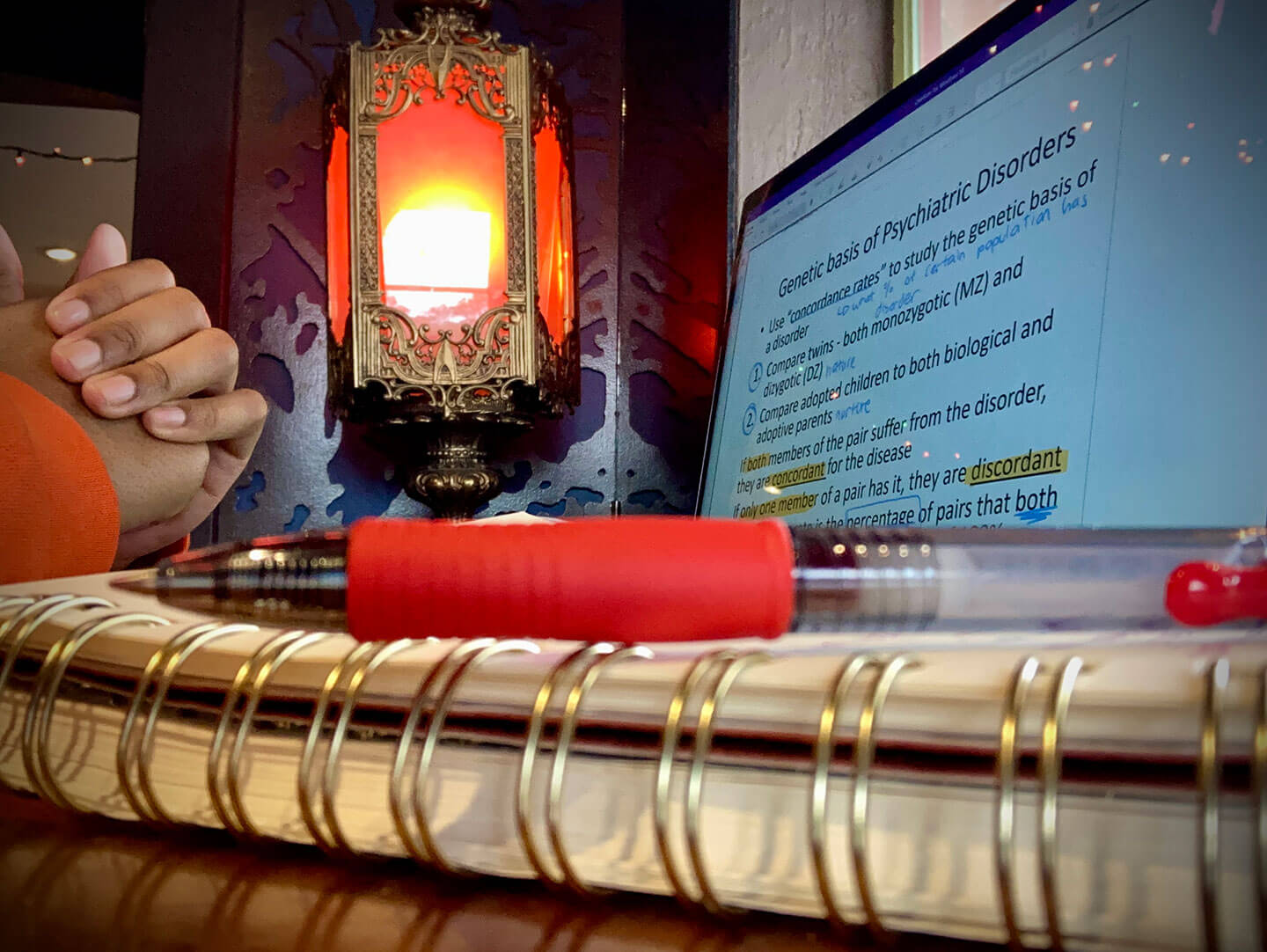
  • A student’s spiral notebook with a red pen on top. The student’s hands are folded on the left and a laptop with a writing assignment on the screen is on the desk.

    Your Grades Don’t Define You

    Rachel Stennett

    Congratulations! You have been accepted to the best universities within your state. You know that college is going to be challenging with all the changes: moving away, making new friends, and adjusting your schedule. But after four years of balancing AP/IB/Dual Enrollment courses, a part-time job, and extracurriculars while staying at the top of your class, making it through college should not be that terrible. Right?

    Freshman year, I started college with this mindset. Although I knew that it was going to be challenging, I had so many people reassuring me that I was smart enough to do whatever I set my mind to. Then, I received my first failing grade on a homework assignment. Then, another on a discussion post. Then, on an exam. While the words of encouragement never stopped, my want to succeed in school and fear of failure grew. At some points, the stress I put on myself from trying to ace an assignment caused me to do worse on it in the end. I would be too afraid to start working, or I would stay up late and be unable to focus in class the next morning.

    Academic validation – the need or want for success within school to feel worthy – is a double-edged sword. On one hand, wanting to do well in school is normal and can be a form of motivation. On the other hand, an overwhelming desire for academic success and fear of failure can negatively affect someone’s mood and mental health; therefore, ironically, making it harder for someone to be able to achieve the goals they set for themselves. In the transition from high school to college, many students go from being the top of their class to competing against many other brilliant students from across the world.

    For anyone reading who may be currently suffering from burnout due to a fear of failure, here are some reminders that I have been using to help battle my need for academic validation:

    1. It takes time to adjust

    The content and structure of your college classes may be very different from what you are used to. It will take time to create new study habits as you adjust. Going through a period of trial and error is OK.

    2. It’s not just you; your classes ARE hard

    There are many “weed-out” classes, advanced classes that are made to test if you really enjoy your major, in college. These may be the first classes that you, and many of your classmates, will begin to see failing grades in. Do not freak out.

    3. Stop comparing yourself to others

    Just because someone else thought the exam was easy, does not mean that you should have received a higher grade. Everybody views things differently.

    4. Sometimes you need to take a break

    Whenever I push myself to study for too long or do too many things at once, I often get sick shortly after. If you feel yourself getting overwhelmed, do not go past your limit. Sometimes, it is better to take a break- watch a movie, go out to dinner, take a day off from studying. Your health comes first.

    5. Take time to be social

    Yes, it is important to do well in school. But college is also a time to make memories and connections with new people. Do not feel guilt for wanting to make time for your social life as well.

    6. Don’t be afraid to ask for help

    A lot of your friends are going through the same thing. Talking to them about your stress may help to relieve some of the pressure. Most universities also offer a limited amount of individual and group therapy sessions. Take advantage of these resources if you can.

    7. Your grades do not define your worth

    A high GPA is impressive on a graduate school application, but so are achievements outside of academics. Ten years from now, nobody will ask you if you passed or failed that physics class in sophomore year. You are more than a letter grade.

    No matter what the grades on your transcript say, you are still worthy and capable of achieving greatness!

    Do you have a compelling story or student success tips you’d like to see published on the Pearson Students blog?  If you are a college student and interested in writing for us – click here to pitch your idea and get started! 
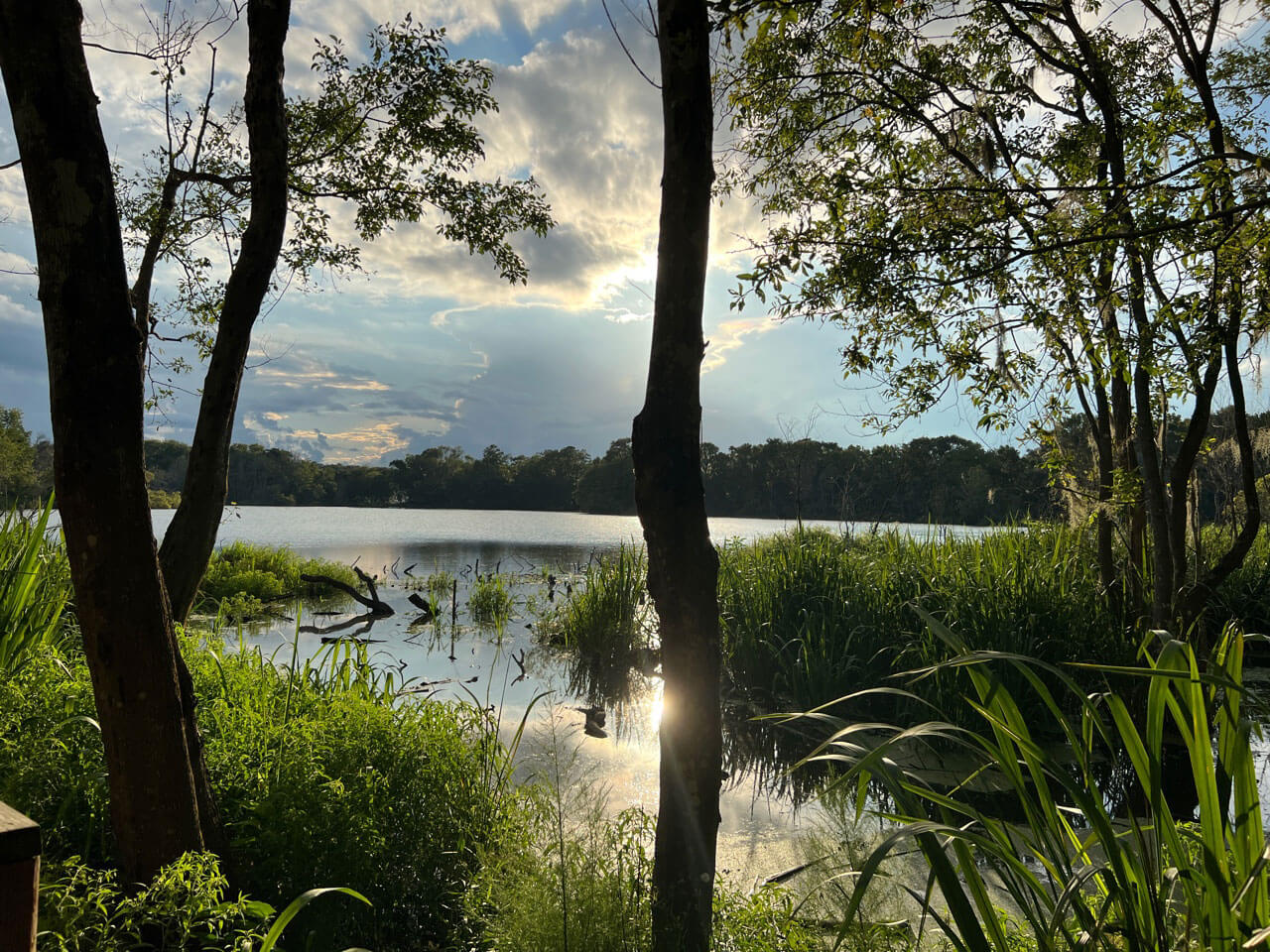
  • A view of Lake Alice on the University of Florida campus.

    Finding Your Favorite Spot on Campus

    Nicole Fatovic

    When I was looking at what university to call my home for the next four years, I looked at all the “normal” things: academics, student life, involvement, school spirit, and a pretty campus. What I did not consider was something that I did not even realize I needed – a beautiful outdoor area where I could spend countless hours. Here’s why this area is so crucial to my college experience and why I encourage other students to find their favorite spot on campus.

    A student’s favorite spot on campus could be anything from a preferred place to study to a place to go to decompress. I wanted a place that would bring a sense of tranquility after a long day. As an out-of-state student, I was also searching for a small piece of home on campus. With these things in mind, I took walks around my campus during my free time trying to find the best spot. Eventually, I started to spend more time at a small lake on my campus called Lake Alice. This spot has so much to offer including picnic tables that make great study spots, spectacular sunsets, trails to walk around, and many spots to throw up a hammock. I find myself going there whenever I have some free time to relax, or if I want to do some light studying. This spot also helps ground me when I begin to feel trapped inside lecture halls and libraries.

    I encourage you to find a spot as I have done by following a few simple steps:

    Make a List of What is Most Important to You

    I was able to find my perfect spot by knowing what I enjoy doing in my free time. Aside from studying, I always make time in my day to get a workout in. This lake is conveniently located in between where I live and the campus gym, making this an easy destination to knock two tasks down in one trip. I also know that I enjoy spending time outdoors, so it only makes sense that my favorite spot on campus is outside.

    Walk Around

    Even as a second-year student, I still feel like there are parts of my campus that I have not fully explored. Go on a small walk, maybe bring some friends along, and see all that your beautiful campus has to offer.

    Craft a Schedule

    Let’s face it, we are all busy college students who don’t always have free time. I’m not free to spend every day at this lake, and that is okay. I try my best to find at least one time each week I can go to this spot. When I get too busy and cannot find time to go, it is alright because it ends up being even more enjoyable when I do find the time to go there.

    Having a place on campus that I look forward to going to keeps me motivated throughout the semester. Make a point to explore and discover a spot on your own campus that you’ll come to love as much as I love Lake Alice!

    Do you have a compelling story or student success tips you’d like to see published on the Pearson Students blog?  If you are a college student and interested in writing for us – click here to pitch your idea and get started! 

  • The word ‘Imposter’ in red old-style digital-looking letters against a white background.

    Imposters Among Us!

    Raya Fitch

    Remember when we used to play Among Us in 2020 because we could not really go anywhere? Remember that feeling when you were the imposter, but you had to pretend that you belonged, and you didn't act "sus" or suspicious? Have you ever felt like you were something like the imposter in real life? I certainly have. But somehow, being the imposter in real life is a lot harder than it is in the game Among Us.

    Am I The Only One?

    Being a college student can be intimidating; it’s hard not to compare yourself to your peers. Even in my campus job as a Pearson Campus Ambassador, I am the only one on my campus in this role and that sometimes makes me feel as though I am the imposter. I feel like I am definitely going to get caught and be ejected from the spaceship and left drifting in space! Seriously though, imposter syndrome is real, and many college students experience it in one way or another in their undergrad career.

    Imposter Syndrome

    If you have ever experienced imposter syndrome, you are far from alone: one in five college students experience this, but what is it? Imposter syndrome is “the feeling of being a fraud.” The best example of this that you might have a feeling in the back of your mind that you do not deserve your success or good grades. The best way to overcome imposter syndrome is to essentially change your outlook on yourself. This is easier said than done, but it is the most important thing you can do to overcome imposter syndrome.

    Change Your Outlook

    Find ways to encourage yourself. Practice positive self-talk. You deserve your good grades and your successes! It was not due to luck! So, before you start ducking into the vents of the spaceship like in Among Us, face the rest of the space crew and realize you do belong in that difficult class, you earned that selective internship, and you have a high GPA because you put in the work.

    If nobody has told you they are proud of you today, I am! So, I invite you to: walk into that class you think is too hard with your head held high, apply for that internship you think is too selective, and do not let rejection deter you! Remember, you are on the space crew, you are NOT the imposter.

    Do you have a compelling story or student success tips you’d like to see published on the Pearson Students blog?  If you are a college student and interested in writing for us – click here to pitch your idea and get started!