Students blog

Explore the latest trends, tips, and experiences in college life in this blog written by fellow students.

Explore posts in other areas.

PreK-12Higher EducationProfessional

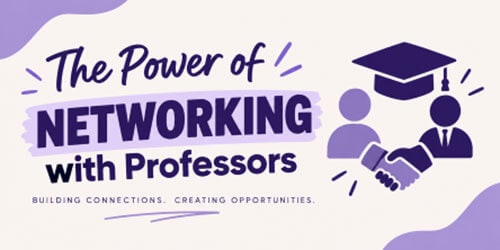
  • The graphic shows the words The Power of Networking with Professors with a graduation cap, two people, two hands shaking, and the words Building Connections, Creating Opportunities.

    The Power of Networking with Professors

    Kohle Nash

    When most college students hear the word "networking," they likely think of career fairs, LinkedIn, or shaking hands at professional events. Networking can feel awkward or forced, especially when you're still figuring out what to do after college. However, one of the easiest places to start networking is right on campus with your professors.

    As college students, we spend a lot of time around our professors, but it’s easy to only think of them as the person teaching the class. Professors are people with their own careers, experiences, and connections. Taking the time to get to know them can be extremely helpful, both during college and after graduation.

    How to Start the Conversation

    One of the simplest ways to start is by talking to your professors outside of class. This could mean going to office hours, staying after class to ask a question, or even sending them an email. You don't always need a big reason to reach out; maybe you're interested in their career path or want to learn more about an industry.

    Starting a simple conversation can eventually turn into a meaningful professional relationship.

    Unlock Opportunities and Gain Insight

    For example, if you're a marketing student and your professor has worked with different companies, they may be able to give you advice about internships or careers. They might even know someone who is looking to hire an intern or entry-level employee. You never know what opportunities can come from simply making yourself known and showing that you're interested.

    Another major benefit of building relationships with professors is having someone who can give you honest advice. College can be confusing. There are times when students have no idea what they want to do after graduation or whether they are making the right decisions. A professor who knows you and understands your interests can provide a different perspective and help you recognize strengths you didn't realize you had.

    Secure Strong Recommendations

    When you apply for an internship, job, scholarship, or graduate program, you'll likely need references. Having someone who can speak positively about your work can make a big difference. However, it's much easier for a professor to write a meaningful recommendation if they actually know you.

    If you only show up to class, complete your assignments, and leave, your professor won't know you well. They may not have much to say about you beyond your grade.

    Build a Genuine Relationship

    It's also important to remember that networking is not about constantly asking professors for favors. The goal is to build a genuine relationship. Be respectful of their time, ask thoughtful questions, and show appreciation when they help you.

    If a professor gives you advice or connects you with someone, follow up and let them know what happened. That small step can go a long way.

    Recognize Your Untapped Network

    At the end of the day, some of the most valuable connections you make in college may be the people you see every week. Your professors can be more than just the people who grade your papers and give you exams. They can become mentors, references, and connections that help you take the next step in your career.

    So, the next time you're sitting in class thinking about what comes after college, stay for a few extra minutes to talk to your professor. You never know where that one conversation could lead.

    Do you have a compelling story or student success tips you’d like to see published on the Pearson Students blog?  If you are a college student and interested in writing for us – click here to pitch your idea and get started! 

     

  • Bacon frying in a pan on a gas stove.

    Fire Safety in College: Small Habits That Make a Big Difference

    Kohle Nash

    College is often the first time many students experience living independently, and with that independence comes new responsibilities. When students balance classes, social activities, jobs, and everyday routines, safety can sometimes become an afterthought.

    One area that students often overlook is fire safety. Understanding and practicing basic fire prevention habits can make a major difference in protecting people, property, and the campus community.

    Don't Multitask While Cooking

    One of the leading causes of fires in college housing is unattended cooking. Whether living in a residence hall, apartment, or off-campus house, students often prepare quick meals while multitasking.

    Walking away from the stove, leaving food in the oven too long, or becoming distracted by phones or conversations can quickly create dangerous situations. Remaining in the kitchen while cooking and turning appliances off immediately after use are simple but effective habits.

    Practice Smart Electrical Habits

    Electrical safety is another important concern for students. College rooms are often filled with electronics, including laptops, gaming consoles, televisions, chargers, lamps, and mini-refrigerators.

    Plugging too many devices into one outlet can overload circuits and increase the chance of electrical fires. Students should use approved power strips, avoid plugging extension cords into one another, and replace cords that appear damaged or worn.

    Avoid Open Flames

    Open flames also present unnecessary risks in student living environments. Candles, incense, and other flame-based products may seem harmless, but they can easily ignite bedding, papers, curtains, or clothing. Many campuses prohibit candles for this reason.

    Battery-powered candles and alternative room décor options provide similar comfort without increasing fire hazards.

    Respect Your Smoke Alarms

    Smoke alarms and fire detection systems are among the most important tools for staying safe. Students should never disable alarms, remove batteries, or ignore warning signals.

    Testing alarms regularly and immediately reporting maintenance issues help ensure that these systems function properly when needed. Fire alarms are designed to provide early warning and valuable evacuation time.

    Know Your Evacuation Plan

    Knowing what to do during an emergency is just as important as prevention. Students should familiarize themselves with building exits, stairwells, and designated gathering locations.

    Practicing an evacuation plan with roommates or discussing emergency procedures ahead of time can reduce confusion during stressful situations. Elevators should never be used during a fire emergency.

    Safety is a Community Effort

    Fire safety extends beyond individual actions and is part of creating a safer campus environment. Looking out for roommates, reporting unsafe conditions, and encouraging responsible habits contribute to the well-being of everyone in the community.

    College is meant to be a time of growth, learning, and new experiences. By making fire safety part of everyday routines, students can protect themselves and others while creating a safer and more prepared campus community.

    Do you have a compelling story or student success tips you’d like to see published on the Pearson Students blog?  If you are a college student and interested in writing for us – click here to pitch your idea and get started! 

     

  • A skyline at sunrise with trees and powerlines in the foreground.

    Make Your College Town Your Home

    Kohle Nash

    When students think about starting college, they often focus on classes, residence halls, and making new friends. These are all important parts of the college experience. But another piece can make a huge difference: getting to know the community around your campus.

    For many students, college is more than just a place to attend classes; it becomes home for four years. Exploring the surrounding community can help you feel more connected, comfortable, and confident during your time in college.

    More Than a Campus

    When I first thought about college, I assumed most of my experiences would happen on campus. What I quickly learned was that some of the best memories come from exploring beyond it.

    Maybe it’s finding a favorite local restaurant, attending a community event, or simply walking around a new part of town. These experiences help students build a stronger connection to the place where they live and learn.

    Explore the Map

    Exploring the community also helps make a large university feel smaller. It's easy to fall into a routine of going from class to your residence hall and back again. Getting off campus every once in a while can be a great way to break that routine and discover something new.

    You might find a coffee shop that becomes your go-to study spot or a local business you love supporting. You could even discover a community event that introduces you to people outside of the university.

    Learn from Your Neighbors

    Another benefit of exploring your community is the opportunity to learn from the people who live there. Every college town has its own culture, traditions, and history.

    Taking the time to engage with local residents and businesses can help you better understand the area and appreciate what makes it unique. It also reminds us that being a college student means being part of a larger community, not just a campus.

    Build Skills and Your Resume

    Community involvement can also open doors to new opportunities. Volunteering, attending local events, and supporting community organizations can help students develop new skills and build professional connections. More importantly, these activities allow students to make a positive impact while they're in college.

    Enjoy the Environment

    The truth is that four years go by quickly. Before you know it, graduation will be around the corner. Looking back, many students remember not only the classes they took but also the places they explored, the people they met, and the experiences they had throughout the community.

    As you prepare for another semester or begin your college journey, challenge yourself to step outside your usual routine. Visit a new place, attend a local event, or simply spend time exploring the area around your campus.

    You never know what opportunities, friendships, or memories you might find. The community around you has a lot to offer, and taking the time to experience it can make your college years even more meaningful.

    Do you have a compelling story or student success tips you’d like to see published on the Pearson Students blog?  If you are a college student and interested in writing for us – click here to pitch your idea and get started! 

     

  • An organized, modern desk with a large monitor, keyboard, mouse, surrounded by a desk lamp, a cup, notebooks and pens, a phone, headphones on a stand, a plant, and a stack of books.

    Why College Is the Perfect Time to Experiment with Technology

    Kohle Nash

    Your early adulthood is often described as a time for exploration. College is one of the best environments to experiment with new ideas, especially when it comes to technology. For many students, technology is something they use every day for assignments, communication, and entertainment.

    College is also a space where students can move beyond the basics of technology. They can begin exploring how it works, how it shapes industries, and how it can be used creatively.

    Access to New Tools

    With tools for coding, AI, music production, and digital design, students can create in days what used to take months. A student might start by using technology only for homework. Along the way, they could discover a new interest in web design, data analysis, or digital media production.

    Low-Risk Exploration

    This experimentation is important because early adulthood is one of the few times in life when trying new things comes with relatively low risk. In college, students are encouraged to explore ideas, take courses outside of their comfort zones, and work on projects that help them discover what they enjoy.

    A business student might develop an interest in technology through data analytics. Meanwhile, a music student could experiment with production software or digital marketing.

    From Project to Portfolio

    Another interesting aspect of technology in college is how it allows students to build things that reflect their personal interests. Instead of just studying theories in class, students can create real projects. This might include launching a blog, building a website, starting a YouTube channel, producing music, or developing a small app.

    These projects often start as experiments but can grow into portfolios that show employers a student's capabilities.

    Connect and Collaborate

    Technology also allows students to connect with communities that share their interests. Online forums, social platforms, and digital communities make it easier to collaborate, ask questions, and learn from others. A student interested in programming can learn from developers worldwide.

    Likewise, someone passionate about digital media can connect with creators who share tips and ideas. These connections can lead to mentorship, collaboration, and even career opportunities.

    Discover Your Passion

    What makes this stage of life unique is that students are still figuring out who they are and what they want to do. Technology is a tool that helps them explore those possibilities. Instead of waiting until after graduation to try new things, college students can start experimenting now, learning through trial and error.

    Your time in college is not just about preparing for a career; it is about discovering what excites you. By experimenting with technology during college, students can uncover new passions, develop valuable skills, and create opportunities that might not have been possible otherwise. Sometimes the most meaningful career paths start with simple curiosity and the willingness to try something new.

    Do you have a compelling story or student success tips you’d like to see published on the Pearson Students blog?  If you are a college student and interested in writing for us – click here to pitch your idea and get started! 

     

  • Graphic shows a cartoon male cooking something in a pan on a stove with ingredients on the counter, a recipe, and a whisk in a bowl by his side. The graphic is labeled COOKING WHILE AT SCHOOL.

    Cooking in College: Saving Money & Staying Sane

    Kohle Nash

    College life is busy, chaotic, and full of temptations to eat out every single day. Between late-night study sessions, club meetings, and squeezing in time with friends, it’s easy to grab fast food or hit the dining hall without thinking twice.

    But learning to cook even a handful of simple meals can be a real gamechanger. It may not feel like a priority at first, but cooking for yourself offers benefits that go far beyond the plate. It isn’t just beneficial—it’s empowering.

    Stretch Your Budget

    Cooking saves money. The fifteen dollars you’d spend on a single takeout meal can easily cover the ingredients for two or three homemade dishes.

    Staples like pasta, rice, vegetables, eggs, beans, and chicken are all inexpensive and incredibly versatile. With a little planning, you can turn one bag of groceries into several days’ worth of meals.

    When you do the math, it’s clear how much money is lost to fast food, campus cafés, and delivery fees. After comparing the difference, cooking feels less like a hassle and more like an investment in your health, wallet, and lifestyle.

    Connect and De-Stress

    Cooking while in school can actually be relaxing. Preparing a meal is a great way to unplug and de-stress amid a hectic schedule filled with deadlines and digital overload.

    There’s something calming about chopping vegetables, stirring a pot, or seasoning your food just the way you like it. It forces you to slow down and focus on something physical and creative.

    An unexpected bonus? When you cook for or with your roommates, it becomes more than just making food; it becomes a moment of connection. Sharing a home-cooked meal, even something as basic as spaghetti, creates a sense of comfort and community that a cold slice of pizza in front of your laptop just can’t match.

    Start with Something Simple

    You don’t need to be a professional chef to get started. Start small. A one-pan stir-fry, scrambled eggs, or even overnight oats for breakfast are all beginner-friendly options.

    Look up a few student-friendly recipes or watch short cooking videos online. There are tons of resources for college students with limited time, space, and equipment.

    Slowly but surely, you’ll build your confidence, expand your recipe collection, and improve your skills. Before you know it, your dorm or apartment might smell like a five-star kitchen.

    The next time you’re tempted to order in, take a moment to think about what you could make instead. You’ll save money, eat healthier, and reduce waste. You might even discover a new hobby you didn’t expect to love.

    Do you have a compelling story or student success tips you’d like to see published on the Pearson Students blog?  If you are a college student and interested in writing for us – click here to pitch your idea and get started! 
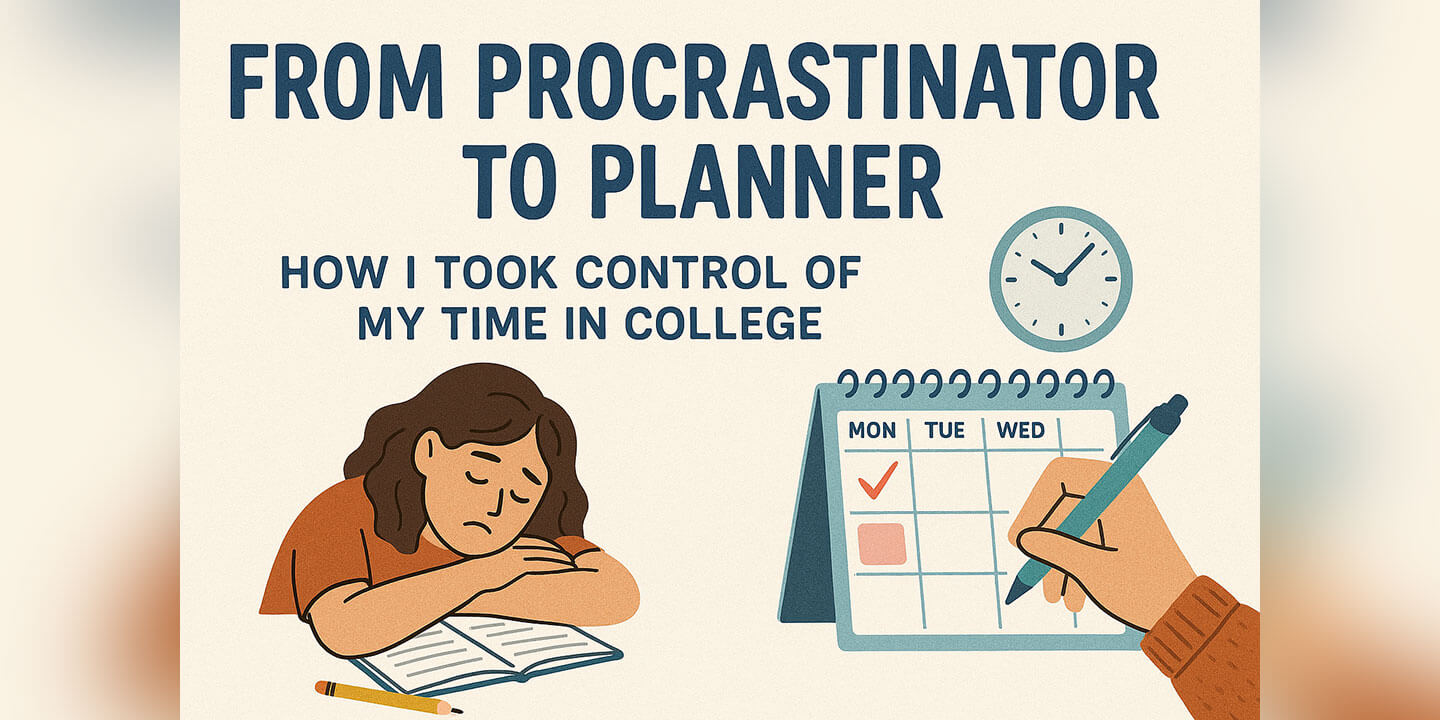
     

  • Cartoon graphic shows blog title along with student resting their head over an open book and pencil along with a hand poised over a calendar and a clock.

    From Procrastinator to Planner: How I Took Control of My Time in College

    Kohle Nash

    When I first started college, I thought I could get by doing what I had always done in high school: waiting until the last minute and cramming the night before. That approach worked for a while, until I found myself juggling multiple classes, extracurriculars, a part-time job, and what felt like endless deadlines. I was constantly exhausted and falling behind. I knew something had to change.

    The turning point came when I missed a major project deadline that significantly impacted my grade. I realized I wasn’t just jeopardizing my academic success, but I was also burning out. That’s when I decided to overhaul how I managed my time. I wasn’t trying to become perfect overnight; I just needed better systems.

    Calendar Blocking: Map Your Week

    First, I started using calendar blocking. Every Sunday, I’d sit down and map out the upcoming week in my calendar. This included class times, study sessions, meals, and even breaks. This practice helped me see where my time was really going and allowed me to plan ahead for big assignments.

    Eisenhower Matrix: Prioritize Tasks

    I also learned about the Eisenhower Matrix, a method for prioritizing tasks based on urgency and importance. This tool helped me avoid the trap of “urgent but unimportant” tasks (like constantly checking emails). Instead, I could focus on meaningful activities, such as studying for an exam or finishing a paper early.

    Digital Boundaries: Avoid Distractions

    Another game-changer was setting digital boundaries. I turned off most notifications on my phone and used website blockers to keep me off distracting sites while studying. It wasn’t easy at first, especially when all my friends were texting about weekend plans. However, I found that even short, focused study sessions became more productive.

    Patience Over Perfection: Give Yourself Grace

    Most importantly, I gave myself grace. Some weeks I stuck to my schedule perfectly; other times, life happened. But instead of giving up, I treated every week as a fresh start.

    Now, I still get busy, but I don’t feel overwhelmed. I sleep more, stress less, and even have time to do things I enjoy, like reading and spending time with friends. Managing your time in college isn’t about being perfect; it’s about being intentional. And trust me, once you take control of your schedule, everything else starts to feel more manageable.

    Do you have a compelling story or student success tips you’d like to see published on the Pearson Students blog?  If you are a college student and interested in writing for us – click here to pitch your idea and get started! 

     

  • A computer generated graphic with the blog title and three cartoon characters greeting each other in a parking lot.

    How I Made Friends as a Commuter Student — And You Can Too

    Kohle Nash

    As a commuter student, I expected college to be all about academics with little to no social life. Living off campus, without a dorm community, and then driving home after my last class made it challenging to feel connected.

    While others stayed for club meetings or late-night events, I often felt like an outsider. During my first semester, I wondered if I’d ever find a group of friends or feel a sense of belonging on campus.

    However, things changed once I decided to be more intentional about getting involved, even though I wasn’t living on campus.

    Attend Office Hours

    One of the first things I did was start attending office hours, not just to seek help, but also to build relationships with my professors. Those small conversations grew into mentorships and even led to opportunities to participate in department events.

    Form a Study Group

    I also made a point to talk to classmates before and after lectures. Eventually, I formed a study group with a few peers, and we began meeting weekly at a nearby café. That group became my first real college community of the year.

    Participate in Campus Events

    I also got involved in campus organizations that accommodated commuter schedules, such as a leadership program that met during lunch hours. This offered me a chance to contribute, build skills, and make friends without needing to stay on campus late. I started attending daytime events, study sessions, and workshops, even though it felt a little awkward at first.

    In Good Company

    What surprised me most was discovering how many students were in the same situation. Other commuters, part-time students, and those working jobs also struggled to find time to connect. Once I started reaching out, I found that I wasn’t alone.

    Being a commuter doesn’t mean missing out on the college experience; it just requires a different approach. Show up when you can. Start conversations. Join one activity. Small steps can lead to big connections. Now, I feel more connected to my campus than I ever thought possible.

    Do you have a compelling story or student success tips you’d like to see published on the Pearson Students blog?  If you are a college student and interested in writing for us – click here to pitch your idea and get started! 
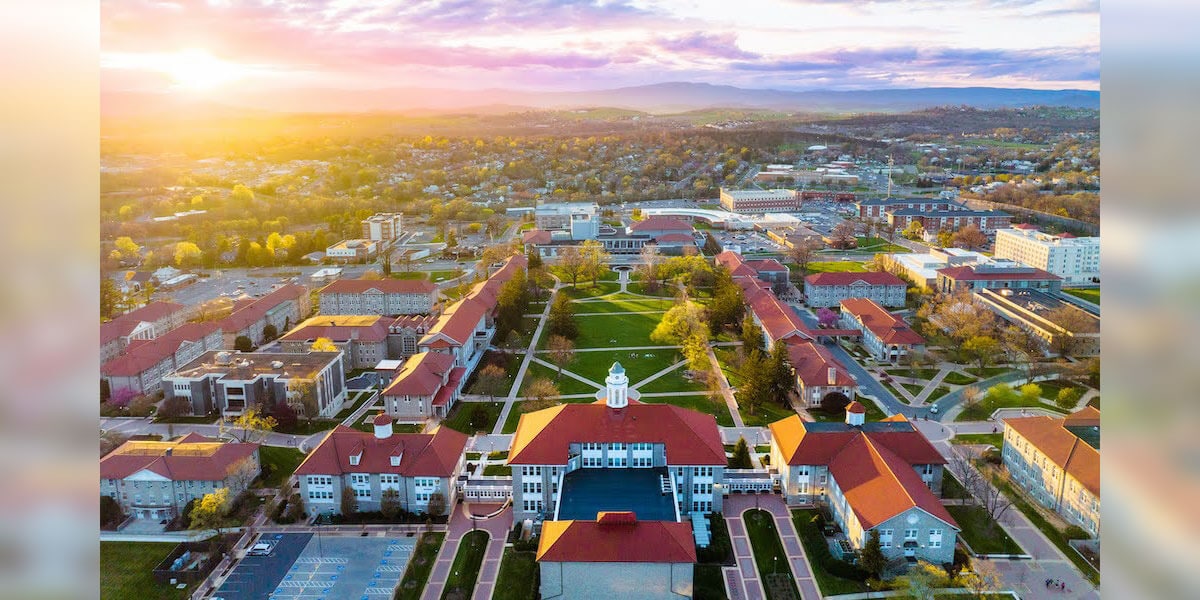
     

  • An aerial view of the blog author’s campus – James Madison University.

    How I Turned My Campus Jobs into Career Confidence

    Kohle Nash

    When I first arrived at college, I was looking for a way to earn extra money. I didn’t put much thought into the jobs I was applying for—if it paid, I was interested.

    Fast forward a couple of years, and those "just for the paycheck" jobs have shaped how I carry myself and communicate. They’ve also helped me recognize my unique value in the world.

    Adapting to New Challenges

    It started with small gigs: setting up events, assisting with tech at school concerts, and working as a campus ambassador for Pearson.

    Each job came with its own challenges: waking up early, managing my time effectively, and solving problems on the fly. More than anything, these roles challenged me to adapt.

    Gaining Real-World Experience

    I didn’t realize it at the time, but those early shifts were providing me with valuable real-world experience.

    Setting up audio gear boosted my confidence in my technical skills and sparked an interest in music production. My job with Pearson helped me develop professional communication skills through my work with professors, sales and marketing teams, and students. I also learned how to manage a schedule packed with meetings and responsibilities.

    I learned that being punctual, asking thoughtful questions, and showing genuine effort go a long way, no matter what your job title is.

    Seeing the Results in Interviews

    My biggest turning point was realizing that these weren’t just “college jobs.” They were preparation for real-world opportunities.

    I started to notice how the communication skills I had developed helped me land internships. I walked into interviews with more confidence, ready to share stories about working with a team, overcoming challenges, and taking initiative.

    From Campus to Career

    If you’re in college and wondering how to get career-ready, don’t underestimate the value of your campus jobs. You don’t have to wait until graduation to start building your future.

    Every role, no matter how small, offers valuable lessons if you pay attention. And who knows? That confidence in your work ethic might be the deciding factor for a hiring manager one day.

    Do you have a compelling story or student success tips you’d like to see published on the Pearson Students blog?  If you are a college student and interested in writing for us – click here to pitch your idea and get started! 
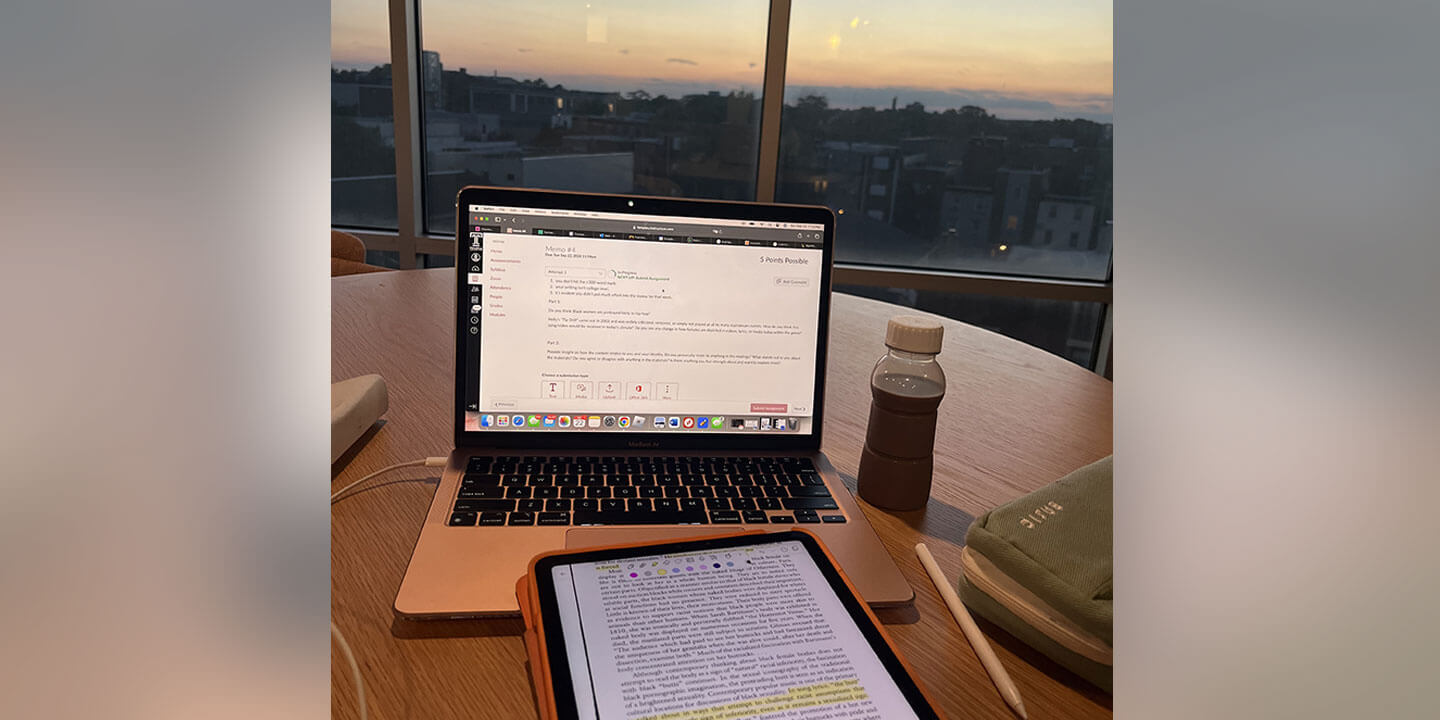
     

  • A laptop and tablet open to academic coursework for studying.

    Study Noise and Lo-Fi Vibes: My Secret to Stress-Free Focus

    Kohle Nash

    I used to think the only way to study was in total silence. I’d go to the quiet floor of the library, put in earplugs, and try to zone in.

    It didn’t work for me, though. My mind would wander, or I’d get anxious just staring at a blank page.

    Discovering Study Noise

    During a late-night study session, I decided to try listening to lo-fi music, and I found that I really liked it. My study style changed immediately.

    Now, I never study without “study noise.” For me, that’s a mix of lo-fi beats, ambient nature sounds, and sometimes even instrumental movie soundtracks. I’ve created playlists that include everything from soft rain to background coffee shop chatter.

    It might sound unusual, but calming background noise helps me feel less pressured. It puts me at ease while working and keeps my mind focused without making me feel overwhelmed.

    Creating My Own Sound

    What’s cool is that I started making my own mixes using audio software I’d been learning for fun. I’d combine gentle synths, vinyl crackle effects, and recordings to personalize the vibe.

    Creating those sounds became a form of self-care. When I shared them with friends, I discovered that a lot of other students were looking for the same thing.

    Since then, my “study noise” playlists have become just as essential as my textbooks. They help me stay focused during exam season, unwind while reviewing my notes, and even get through long readings when I’m feeling drained.

    Learning What Works

    I encourage every student to explore their focus style. Try different sounds, like lo-fi, classical, or soft jazz, to see what works for you.

    You don’t need fancy gear, just headphones and an open mind. Your grades (and your stress levels) will thank you.

    If silence doesn’t work for you, you’re not alone. The solution might be as simple as pressing play.

    Do you have a compelling story or student success tips you’d like to see published on the Pearson Students blog?  If you are a college student and interested in writing for us – click here to pitch your idea and get started!