Fire Safety in College: Small Habits That Make a Big Difference
College is often the first time many students experience living independently, and with that independence comes new responsibilities. When students balance classes, social activities, jobs, and everyday routines, safety can sometimes become an afterthought.
One area that students often overlook is fire safety. Understanding and practicing basic fire prevention habits can make a major difference in protecting people, property, and the campus community.
Don't Multitask While Cooking
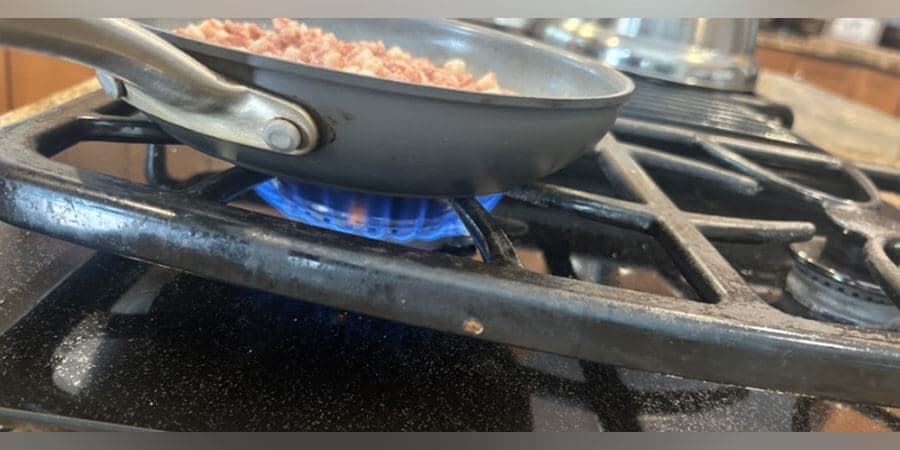
One of the leading causes of fires in college housing is unattended cooking. Whether living in a residence hall, apartment, or off-campus house, students often prepare quick meals while multitasking.
Walking away from the stove, leaving food in the oven too long, or becoming distracted by phones or conversations can quickly create dangerous situations. Remaining in the kitchen while cooking and turning appliances off immediately after use are simple but effective habits.
Practice Smart Electrical Habits
Electrical safety is another important concern for students. College rooms are often filled with electronics, including laptops, gaming consoles, televisions, chargers, lamps, and mini-refrigerators.
Plugging too many devices into one outlet can overload circuits and increase the chance of electrical fires. Students should use approved power strips, avoid plugging extension cords into one another, and replace cords that appear damaged or worn.
Avoid Open Flames
Open flames also present unnecessary risks in student living environments. Candles, incense, and other flame-based products may seem harmless, but they can easily ignite bedding, papers, curtains, or clothing. Many campuses prohibit candles for this reason.
Battery-powered candles and alternative room décor options provide similar comfort without increasing fire hazards.
Respect Your Smoke Alarms
Smoke alarms and fire detection systems are among the most important tools for staying safe. Students should never disable alarms, remove batteries, or ignore warning signals.
Testing alarms regularly and immediately reporting maintenance issues help ensure that these systems function properly when needed. Fire alarms are designed to provide early warning and valuable evacuation time.
Know Your Evacuation Plan
Knowing what to do during an emergency is just as important as prevention. Students should familiarize themselves with building exits, stairwells, and designated gathering locations.
Practicing an evacuation plan with roommates or discussing emergency procedures ahead of time can reduce confusion during stressful situations. Elevators should never be used during a fire emergency.
Safety is a Community Effort
Fire safety extends beyond individual actions and is part of creating a safer campus environment. Looking out for roommates, reporting unsafe conditions, and encouraging responsible habits contribute to the well-being of everyone in the community.
College is meant to be a time of growth, learning, and new experiences. By making fire safety part of everyday routines, students can protect themselves and others while creating a safer and more prepared campus community.
Do you have a compelling story or student success tips you’d like to see published on the Pearson Students blog? If you are a college student and interested in writing for us – click here to pitch your idea and get started!
About the author

Kohle Nash
Kohle Nash is a passionate student leader at James Madison University, where he is pursuing a Bachelor of Business Administration in Marketing with a minor in Music Industry. As President of the Class of 2027, he is dedicated to fostering community, collaboration, and connection among his peers. Kohle’s academic and extracurricular pursuits reflect his commitment to excellence, leadership, and creativity. His involvement in various campus initiatives, including his role as a Pearson Campus Ambassador, highlights his drive to make a meaningful impact at James Madison University and beyond.