Students blog

Explore the latest trends, tips, and experiences in college life in this blog written by fellow students.

Explore posts in other areas.

PreK-12Higher EducationProfessional

  • Ancient ruins located somewhere in the European Union featuring partially intact columns and boulders on ground.

    European Union Travel Tips for College Students

    Alissa Ansari

    Exploring Europe as a college student is a dream come true: charming cities, historic landmarks, delicious food, and cultural experiences around every corner. Fortunately, traveling through the European Union (EU) can be surprisingly affordable if you plan wisely.

    Whether you’re studying abroad or backpacking during summer break, these tips can help you make the most of your European adventure without breaking the bank.

    1. Stay in Hostels or Student-Friendly Accommodations

    Hostels in Europe are not only budget-friendly but also great for meeting fellow travelers. Websites like Hostelworld and Booking.com allow you to filter by location, price, and ratings. Many hostels offer free breakfasts, walking tours, and social events, making them perfect for students traveling solo or in small groups.

    2. Plan Around Local Events and Walking Tours

    Most major European cities offer free walking tours led by local guides (though tips are appreciated). These tours are an excellent way to learn about a city’s history, hidden gems, and best eats. Additionally, keep an eye on local festivals, open-air concerts, and public markets for free cultural experiences.

    3. Travel Smart with Rail and Budget Airlines

    The EU’s train network is extensive and easy to navigate. For students visiting multiple countries, the Eurail Global Pass offers flexible and economical train travel across thirty-three European nations.

    If you're short on time, budget airlines like Ryanair and EasyJet offer incredibly cheap flights. However, be mindful of luggage restrictions and additional fees. Pro tip: Pack light and always compare travel times and costs before booking.

    4. Take Advantage of Student Discounts

    Many museums, historical landmarks, and cultural sites across the EU offer discounted (or even free) admission to students. Popular attractions like the Louvre, the Colosseum, and the Berlin State Museums offer reduced entry fees with a valid student ID or proof of university enrollment. Before visiting, check the official websites for student pricing, and bring your student ID or an enrollment letter to save money at the door.

    With the proper preparation and a student ID in hand, Europe is more accessible than you think. Travel safely, stay curious, and enjoy every moment of your EU adventure!

    Do you have a compelling story or student success tips you’d like to see published on the Pearson Students blog?  If you are a college student and interested in writing for us – click here to pitch your idea and get started! 


  • A group of six college students wearing coats and hats stand outside in front of a lake on a windy day.

    Why Studying Abroad Was the Best Decision I Ever Made

    Cassidy Chinn

    When I signed up to study abroad in Australia, New Zealand, and Fiji, I knew I’d be stepping outside my academic comfort zone. As a psychology and cognitive science major, studying the biology of the South Pacific and sustainability & development wasn’t exactly in my wheelhouse. But I wanted to challenge myself, explore new perspectives, and, of course, experience the beauty of a part of the world I had never seen before. What I didn’t realize was just how much studying abroad would shape me, not just academically, but personally. It turned out to be one of the most rewarding experiences of my life.

    Throughout my time abroad, I had the chance to see and do things I never could have imagined. I hiked through the untouched Fiordland rainforests, where towering trees and cascading waterfalls made me feel like I had stepped into another world. I swam alongside hundreds of wild dolphins in frigid waters, an experience so surreal it felt like a dream. And in Fiji, I connected with local islanders, learning about their traditions, values, and way of life in a way that no textbook could ever capture. These moments weren’t just exciting adventures, they opened my eyes to different ways of thinking, living, and understanding the world. I learned about sustainability firsthand, not just in theory but from the people whose lives depend on it. Even though my studies abroad weren’t directly tied to my major, they expanded my knowledge in ways that will stick with me forever.

    Looking back, studying abroad was so much more than just taking classes in another country. It was about stepping outside my comfort zone, saying yes to new experiences, and gaining a deeper appreciation for the world around me. It taught me that education isn’t just about what’s in a lecture or a textbook.

    Study abroad is about the people you meet, the cultures you experience, and the places that take your breath away. If you’re considering studying abroad, my advice is simple: go for it. You’ll learn more than you ever expected, make memories that last a lifetime, and return home with a fresh perspective on both the world and yourself.

    Do you have a compelling story or student success tips you’d like to see published on the Pearson Students blog?  If you are a college student and interested in writing for us – click here to pitch your idea and get started! 


  • Two pictures of the blog author abroad in Italy, one in front of a statue and the other outside in front of a theater.

    Broadening Your Horizons Abroad

    Jykya Bell

    Throughout our lives—especially in high school and early college—we’re often encouraged to make memories, embrace new experiences, seize opportunities, and build connections. College advisors and professors frequently emphasize the importance of networking and forming relationships within your campus community. However, it’s not as common to hear advice about creating connections beyond your college environment.

    One of the most transformative opportunities available during your college years is studying abroad. Studying abroad presents countless possibilities and benefits. It’s an accessible option for many students, as financial aid can often be applied toward these programs, making it a cost-effective way to explore the world. Beyond affordability, it fosters meaningful connections, whether with fellow students in the program or individuals you meet during your travels. The experiences gained while studying abroad have a profound impact on both your personal and professional growth. They allow you to broaden your cultural understanding, challenge preconceived biases, and develop a more inclusive perspective of the world. By immersing yourself in a new culture, you enhance your ability to navigate global environments and gain a deeper appreciation for diversity.

    Let’s explore some of the professional and personal benefits of studying abroad that can enhance your growth and provide you with a distinct competitive edge over other candidates in the job market. Professionally, it enhances cross-cultural communication skills, enabling students to navigate and collaborate across diverse cultures—an invaluable asset in global workplaces. It also provides a broader perspective, equipping students with a deeper understanding of international markets and the adaptability to thrive in various cultural contexts. Additionally, many study abroad programs include opportunities for international internships, giving students invaluable hands-on experience in global work environments.

    On a personal level, studying abroad fosters self-confidence, independence, and resilience. Living in a foreign environment encourages self-reliance and problem-solving, while exposure to different backgrounds and cultures strengthens interpersonal skills, making it easier to connect and collaborate with others. Students also develop greater flexibility and adaptability as they overcome challenges such as language barriers, preparing them to handle future obstacles with poise and persistence.

    Overall, the experience not only enriches students’ professional profiles but also shapes their character, leaving them better prepared for the complexities of both life and career. Ultimately, studying abroad enriches your worldview and equips you with invaluable skills that will resonate throughout your life and career.

    Do you have a compelling story or student success tips you’d like to see published on the Pearson Students blog?  If you are a college student and interested in writing for us – click here to pitch your idea and get started! 


  • A view from a boat out to a small beach and hilly area.

    Study Abroad Tips!

    Ellie Oldweiler

    Have you ever wondered what it would be like to study abroad? How to prepare, what to pack, what the customs are of where you are going? I studied abroad over this summer and had many of the same questions. My experience allowed me to get answers to all of these questions, and hopefully help YOU out on your abroad journey. Studying abroad can be an exciting, but nerve-wracking time, so I am here to answer all those little questions, and hopefully provide some comfort about the whole experience.

    Connect with others

    The biggest piece of advice I can offer you is talk to EVERYONE in your new host city. Talk to your classmates, your professors, your RA’s, the cashiers at your local grocery store, the people you stand by on the bus, EVERYONE. It can be scary to put yourself out there, but I just reminded myself that no one here knows you, and this is your chance to be the most outgoing, and ambitious version of yourself. If you totally embarrass yourself, it really doesn't matter, this is your chance to be the version of yourself you want to be with no external pressures!

    Pack wisely

    Power Adapters

    It might sound obvious, but it can be very easy to forget. Make sure to check that you get the right adapter for the country you are traveling to, some have different kinds, even within Europe.

    A “Modest” Outfit

    While abroad there at lots of religious sites or locations you may visit where it is customary for women to wear skirts and scarfs, and men to wear pants. Make sure to check where you plan to visit, and if in doubt pack an outfit that would fit those requirements.

    Photos of Home

    It’s easy to get homesick when you are so far away so bringing photos of family, friends, and even your favorite places always make your room feel more like home.

    A Credit/Debit Card with no international fees

    Many cards have no international fees as a perk, but it is important to check with your bank to confirm. While I was abroad, I used a card called “Monzo”. This card is free, and you just transfer funds from your bank account to this card and avoid any fees. It is also important to note that you need to call your bank before you leave and inform them of international travel.

    Immerse yourself into your new environment

    Take the silly tourist tours

    I know you want to feel like a local, but that takes time. An easy way to get to know the city you are staying in is to experience it like a tourist first. Once you do you can pick your favorite neighborhoods or areas to focus on and get to know better.

    Make a Home Base

    Making the area that you are staying familiar is so important! Get to know your grocery store inside and out, pick a favorite coffee shop, become a regular at a dinner place. These are going to end up being the relationships and connections you think about long after you leave your host city.

    Explore historical sites

    Europe is littered with historical sites, and while they might be touristy sometimes, they are steeped in ancient history and provide a chance to experience and learn things you otherwise never would have. Visit every site you have a chance to; you might discover a new interest!

    Make a local friend

    This may sound hard, but this “local friend” can be your RA, a professor, a fellow classmate, literally anyone. Hearing where the best places to go are from a local show you the true colors of your city. I would always recommend talking to your professors, they have likely lived there their whole lives and have their favorites.

    Do you have a compelling story or student success tips you’d like to see published on the Pearson Students blog?  If you are a college student and interested in writing for us – click here to pitch your idea and get started! 


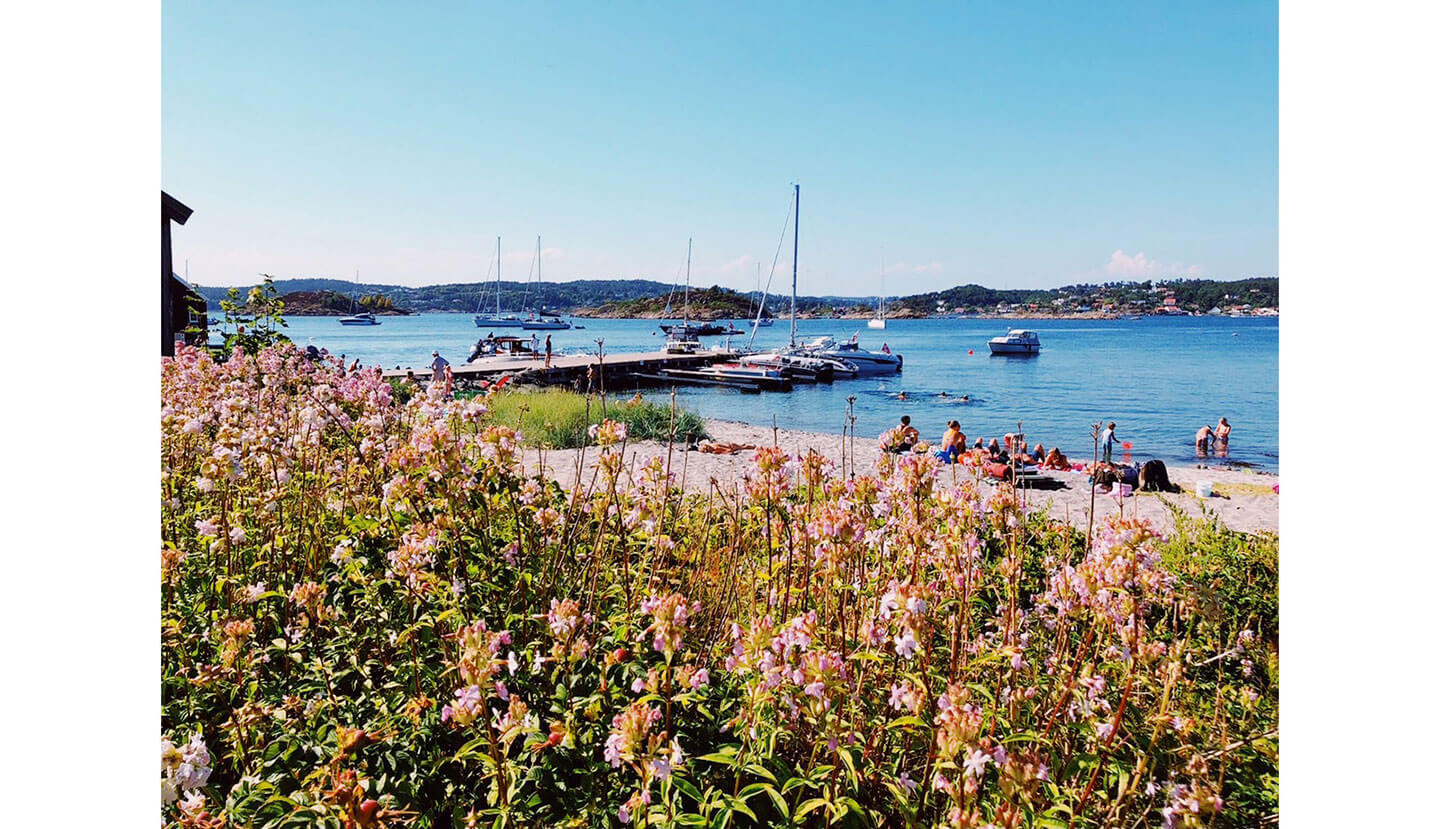
  • A view of a body of water with the shoreline with buildings in the distance.

    How to Prepare for a Semester Abroad: A Guide for College Students

    Amanda Souter

    Studying abroad is one of the most exciting opportunities a college student can have. It’s an opportunity to experience a new culture, gain international experience, and grow in ways you never even thought about. Preparing for such an adventure takes careful planning. Here are five tips to help you get ready for your study abroad journey. 

    1. Research Your Destination: Before you travel to another country, it’s important to research the country or city you are traveling to thoroughly. Research the country’s history, language, customs, and political climate. Understand the cultural norms to help integrate better and immerse yourself into the culture. Learn more about the transportation, events, and local community before arriving. Having an agenda will make your travel flow smoothly. 

    2. Handle the Paperwork Early: Study abroad comes with lots of paperwork including passports and visas so the earlier you start, the better. Check your passport’s expiration date to ensure it’s valid for at least six months beyond your planned return date. Many countries require student visas, so once your program is confirmed, start the visa application process. This often involves gathering documents, attending appointments, and paying fees, so make sure to account for time and costs. I personally had to order a new passport which took around a month to receive and there are multiple documents and steps to require a student visa. 

    3. Sort Out Your Finances: Living abroad can be expensive, so it’s important to get your finances in order before leaving. Create a budget that covers all essentials: tuition, accommodation, food, transportation, and fun. Check out with your bank before studying abroad to acquire a debit or credit card that works internationally. My biggest advice is to save, save, save. 

    4. Learn the Language: You don’t have to be fluent in the language of the country you are studying in but learning some basic phrases can go a long way. Knowing how to say “hello,” “thank you,” and “excuse me” can make interactions smoother and more pleasant. I used apps like Duolingo and Babbel to get started with the basics. Consider taking language courses before or during your stay or in the first couple weeks of your stay. 

    5. Pack Smart: Packing for an extended stay abroad is completely different from packing for a vacation. Start by checking the climate of your destination so you can bring appropriate clothing. You’ll likely need a mix of casual, business, and weather-appropriate outfits. Remember to pack any necessary documents (passport, visa, insurance, etc.) and medications you might need. It’s also smart to bring a universal power adapter, especially if the country you’re going to has different power outlets. Try to avoid overpacking as well.

    Do you have a compelling story or student success tips you’d like to see published on the Pearson Students blog?  If you are a college student and interested in writing for us – click here to pitch your idea and get started! 


  • Two college women on a hiking trail in Ireland.

    5 Tips to Have the Best Study Abroad Experience

    Maeve Murdock

    I studied abroad in Dublin from January to May 2023. I was initially skeptical about studying abroad, as I transferred to Notre Dame and already felt like I missed out on a year on campus. As the middle child of a family of five girls, I also was intimidated to live an ocean away from my family for five months. My older sisters chose not to study abroad, so the experience seemed enigmatic, stressful, and overwhelming. I also needed to go to great lengths to ensure I would fulfill enough credit for my science major to make the decision a possibility.

    Studying abroad was an incredible experience in so many ways. I only had one friend going into my program of 55 Notre Dame students, so it was a wonderful opportunity for me to make new friends and broaden my horizons. I learned so much about myself, my priorities, my travel preferences, my Irish culture, and my world perspective. Here are my tips for those considering going abroad:

    Document your time

    Studying abroad feels like a dream. Your life is staggeringly different for about five months, then you return and hit “resume”. When you are abroad and living in an entirely different environment, you will naturally reflect more. Think about certain aspects of the culture that seemed surprising or off to you–why did you feel that way? Do they do things better here or at home? How do people treat you at local spots? What have you learned culturally and about yourself? Do you think about the world differently? It’s important to jot down your thoughts on paper or online because your time abroad will be over before you know it–and even though you think you’ll remember every moment; it all becomes a blur without intentional preservation. Additionally, if you travel often, make sure to write down where you go! You never know when you’ll get to go back, but people always appreciate restaurant, museum, park, and lodging recommendations.

    Say ‘yes’ to everything

    Something that people often struggle with when studying abroad is the lack of routine. It is dependent upon your class schedule and where you live, but when I was in Dublin my days were less regimented. Rather than feeling like you need to fill that time exercising or killing time on your phone, say ‘yes’ to window-shopping, visiting the bookstore, roaming around your town, and talking to locals. When you study abroad, your learnings tend to be 30% academic and 70% personal, cultural, and social. It’s different in a wonderful way–you can focus on your personal development and see how the world is different. But you can only do this if you go out and explore.

    Do things alone

    Because we get to be surrounded by friends often while at school, some students are self-conscious about exploring or adventuring on their own, thinking they’ll be judged for not “having friends.” Well, in reality, you should take advantage of any free time you have, whether your friends are free at the same time or not. Think of all the time you’re wasting by being afraid to go out on your own! I feel confident that you’ll surprise yourself with how much fun you have, and there is a high probability you end up chatting with local people and making new friends. Honestly, it can be tough to break out of your bubble and make new friends unless you’re alone because talking to one person is much easier than attempting to chat with three people that are already friends. So, get on the bus or the train and go do something for yourself, by yourself.

    Put yourself out there

    You might go into your abroad experience with lots of friends or without knowing anyone. Either way, make sure to have an open mind and really put yourself out there. This is an opportunity to make new friends, and if you never give yourself the chance, you will 100% miss out on getting to know people who could have added beautiful color to your life. Ask him/her to grab coffee, to walk in the park, to wait for you after class, to get lunch, to go thrifting, to go to the pub, etc. The options are endless! The worst thing you can do is pick your three friends immediately and only chat/travel with them for your entire time abroad. Everyone is experiencing being abroad in this location for the first time, so hold on to that. It’s new for everyone. People miss home, can’t talk to their family as often, are unfamiliar with their surroundings. Allow yourself to embrace the new experience and let new people in to enjoy it as well.

    Avoid comparisons

    Depending on location, university, time of year, budget, and mindset going in, everyone has their own unique study abroad experience. Do NOT compare yourself to others! Suzie may have gone to 25 countries abroad, but she didn’t get to make any local friends and traveled solo often. Brendan may have gotten to go surfing 10 times, but he stayed in Ireland and saved money by eating pasta every night. Sandra made new best friends but struggled with passing her classes. Cara posted gorgeous photos on camels in Morocco but must retake biology II because it didn’t count. James may not have traveled much, but he had an incredible experience working in a lab on campus and working on group projects with English students. There is always more to the story, so don’t make all your judgments on the six Instagram posts your older friends dropped throughout the semester.

    No matter what the situation may be, everyone experiences a roller coaster of emotions throughout their time abroad, and no one’s experience is perfect. If you want to travel a lot, awesome. If you don’t want to travel at all, that’s also awesome. You just need to figure out what is best for you independent of what others plan to do.

    If you’re planning to study abroad... ENJOY IT! I wish I could have the time back to do it all again.

    Do you have a compelling story or student success tips you’d like to see published on the Pearson Students blog?  If you are a college student and interested in writing for us – click here to pitch your idea and get started! 


  • Three images of the blog author in her study abroad experience smiling with her tandem skydiving partner, standing in front of a cathedral, and tandem skydiving.

    Advantages of Studying Abroad for Personal and Professional Growth

    Caroline Kane

    Studying abroad is more than taking classes in foreign countries. It is a transformative journey and immersive experience that broadens the horizons. The decision to study abroad opens doors to a plethora of experiences that are not offered within one’s home country. Studying abroad is an opportunity that one should seize if they are offered. College students who study abroad embrace diversity and gain global perspectives. While there are numerous advantages to why one should embark on this journey, the opportunity to improve personal and professional growth is number one.

    Being surrounded in foreign cultures and new countries contributes to one’s personal growth. College students can learn how to become independent and self-reliant as they navigate a new environment. This opportunity may come with discomfort, but embracing the experience with an open heart and mind can transform one into a whole new person. Open-mindedness is a key trait to possess while studying abroad. There will be hard times and challenging obstacles but keeping a positive outlook on the experience is key.

    Students also learn how to become adaptable, which contributes to professional success within the real world. Traveling alone, meeting new people, homesickness, language barriers, and managing finances are some of the major factors that a student may experience while studying abroad. These experiences and challenges provide opportunities of resilience. Discomfort eventually turns into self-assurance, which is something that most people experience outside of study abroad. In a world that is constantly evolving and changing, being adaptable will help one succeed in life.

    In conclusion, there are many benefits that one might receive through participating in a college study abroad program. However, the opportunity to improve and expand personal and professional growth will transform an individual’s life for forever. Studying abroad is a once in a lifetime experience, no matter where one is in the world. Stepping out of the comfort zone and putting a foot forward to improve personal and professional growth will only lead to good things later down the road.

    Do you have a compelling story or student success tips you’d like to see published on the Pearson Students blog?  If you are a college student and interested in writing for us – click here to pitch your idea and get started! 
     

  • A large group of college students standing in front of an ornate Italian building.

    My Internship Abroad: Working and Eating My Way Across Italy

    Madison Butler

    My dream came true last summer, and I am still living in the past. I was able to do an international internship in Florence, Italy and what a trip it was! I was blessed with an opportunity to work with two brands, Steve Madden and UGG, to monitor global markets for new and upcoming styles and trends, import and export shoes (especially when preparing for Florence Men’s Fashion Week), and assist sales vendors in the English language.

    I was able to learn side-by-side with my coworkers to navigate international business and open my eyes to another part of the world. My coworkers welcomed me with open arms, and our first step was to try and tackle the language barrier. They were the kindest and most encouraging women that could welcome me in such a new environment. We became friends easily and I still talk to them today!

    Now don’t believe this blog will be all work no play! I am a huge foodie and Italy exceeded my expectations beyond belief, and they were pretty high to begin with. From the Florentine Bistec, to watching my pasta be cooked in an alfredo cheese wheel, I was able to experience every foodie’s dream: eating high quality and volume of great food. There were plenty of family style restaurants that had more outside seating than you can imagine, and the people-watching was top tier, too. Eating in front of the Duomo is a memory I will never forget.

    I mainly stayed in Florence throughout the summer for the internship, but I was able to travel all over Italy and even made my way to Austria and Hungary for a bit. The northern and southern parts of Italy were different but held the same atmosphere. The northern Tuscany region was rich with breathtaking views of rolling green hills and vineyards for miles (for my fellow U.S. residents I promise I am 21!). The southern part was all beach and ocean which did not disappoint at all.

    I was also able to visit Cinque Terre, which is a string of centuries-old seaside villages on the rugged Italian Riviera coastline. There was an array of multicolored houses and markets and sand all along the coastline. My camera roll is stacked and ready for reminiscing.

    I am here to tell you: if you are thinking of studying/working/going abroad, GO! It is a once-in-a-lifetime opportunity as a student and tagging along with other students is a whole other experience itself. I will always remember my lovely summer in Italy and would not trade it for the world!

    Do you have a compelling story or student success tips you’d like to see published on the Pearson Students blog?  If you are a college student and interested in writing for us – click here to pitch your idea and get started! 

     

  • A scenic view of a small Italian town by the water.

    Top 10 Tips for Studying Abroad

    Emma Karant

    In the summer of 2022, I was fortunate enough to study abroad in Florence, Italy! This was a very exciting experience for me, but mixed in with the excitement was a feeling of fear of the unknown. I did not feel prepared going into this new experience. Because of this, I have made a list of 10 tips everyone should know before studying abroad!

    1. Keep a journal

    This is something that I did not do, but I really wish that I did! However, my roommate kept a journal and wrote in it every day. Even if it was a little entry, it helped her remember all of the small things that happened that we sometimes forget about!

    2. Bring comfortable shoes

    Wearing comfortable shoes is one of the biggest pieces of advice I can give! On most days, I was averaging 20,000 steps! Trust me, your feet will thank you!

    3. Make new friends

    Although the whole experience may be very intimidating, remember to keep an open mind! Make friends with people who you would not expect to be friends with. I didn't know anyone when I flew to Florence, however, I kept an open mind and tried to meet as many people as possible!

    4. Go to new places

    Especially in Europe, traveling to other nearby countries is fairly easy and cheap compared to being in the United States. My best advice would be to take advantage of this! Traveling to other countries on the weekend was very common, and it was really cool to be able to see different parts of Europe other than where I stayed!

    5. Have a budget

    With all of that being said, it is essential to have a budget. It is best to research the average prices for things where you are studying, and then base a budget on that, as well as how much you can afford. It can be very easy to spend too much money when you are abroad, so it is essential to do this before you leave!

    6. Always have some cash

    Lots of places in Europe are cash only, so it is helpful to have cash on you at all times just in case. I suggest getting this at your bank before you go abroad because it can be expensive to make this transfer outside of the United States!

    7. Send postcards back home

    This is a small tip that I wish I did more. Since we traveled on the weekends, I wish that I sent my family a postcard from each country or town that we visited, and then kept one for myself! This is a small way to keep your family or friends updated with your travels, and it gives you a tangible thing to have from each place that you visit!

    8. Learn a little of the native language

    It is really helpful if you try to learn at least a few words and phrases of the language that people speak in the country you will be staying in! Although many big cities such as Florence, Rome, and Paris can understand English well, it can be very helpful to try and learn the language while you are there, and it helps you understand the culture better!

    9. Do not be afraid to ask for help

    Although sometimes this may be scary, do not be afraid to ask for help from your professors or people you may meet in passing! Being in a new country can be confusing at times, and it is okay to ask people how to do something or how to get somewhere!

    10. Remember to rest!

    Although studying abroad is so much fun, remember to rest while you are there! You want to take care of yourself, so make sure you give yourself plenty of time to get some sleep and have downtime!

    Most importantly, remember to have fun! Studying abroad is one of the most incredible things I have ever done, and I would not change my experience for anything. Soak up the moments that you are there because this is a once-in-a-lifetime opportunity!

    Do you have a compelling story or student success tips you’d like to see published on the Pearson Students blog?  If you are a college student and interested in writing for us – click here to pitch your idea and get started!