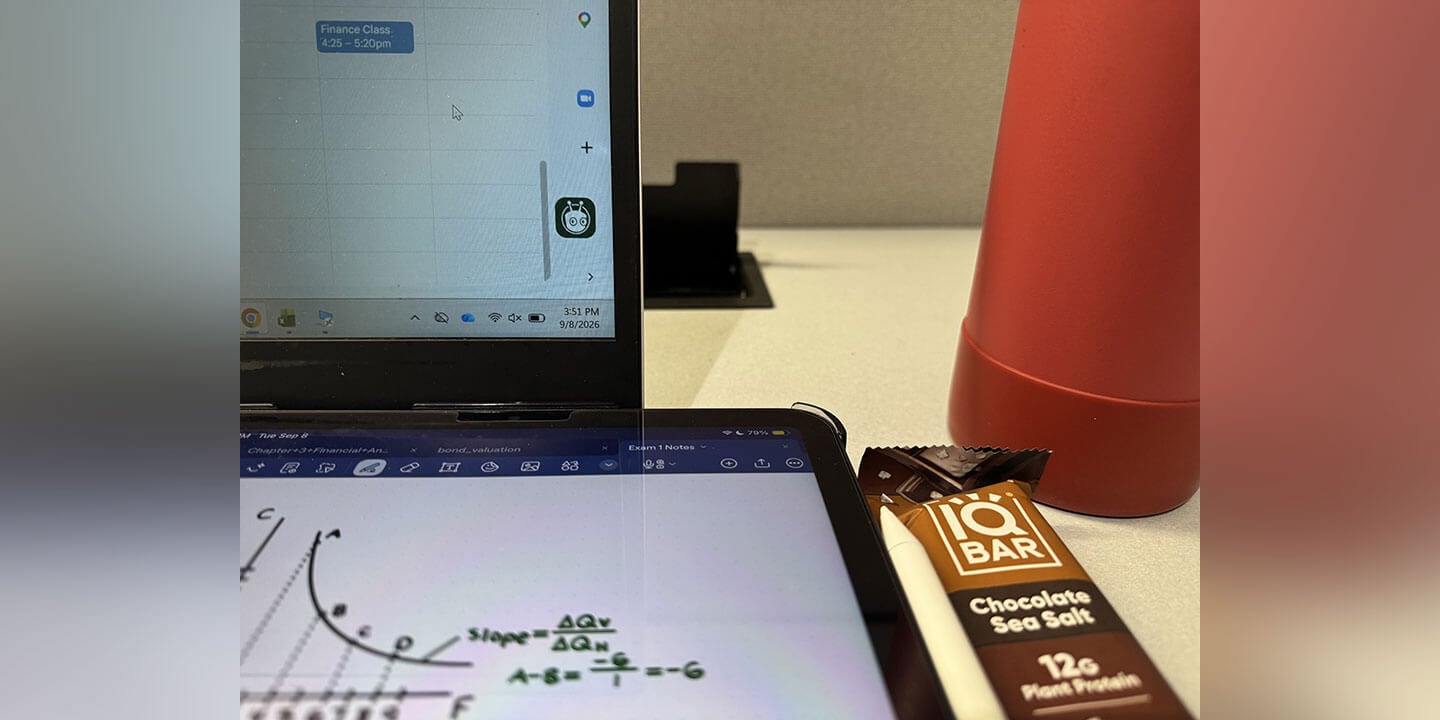
The Anatomy and Physiology Grind Guide for Pre-Nursing Students
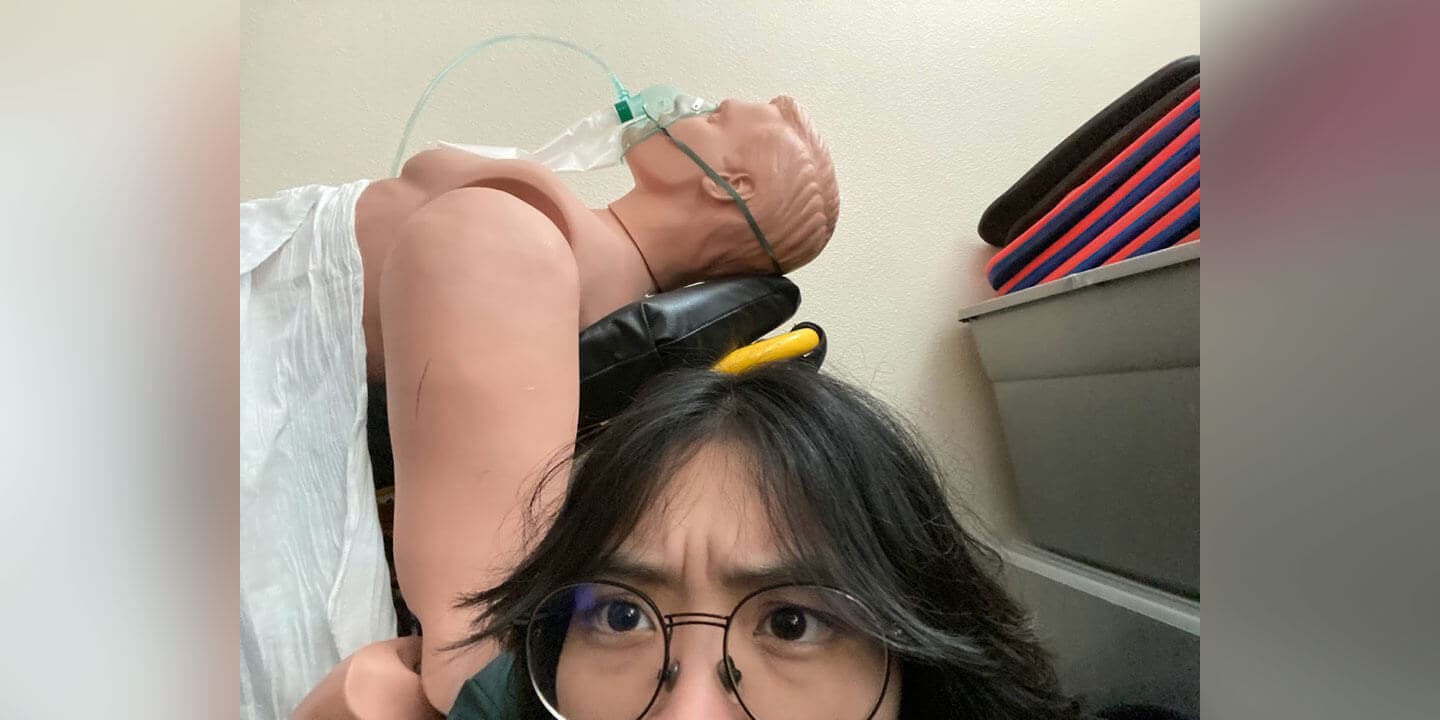
I recently finished Anatomy and Physiology (A&P) II, the hardest semester of my pre-nursing journey, during which I also juggled pathophysiology and my psychology major.
Even as a student used to juggling multiple commitments, I found myself on the borderline between grades for the first time. I relied on my professor's generous rounding to get me through the semester.
Based on this experience, here are my best tips to help you get through the A&P slump.
Spaced Repetition
A&P involves a lot of memorization, and studying the day before often isn’t enough. If you’re working toward a healthcare career, A&P contains information you need to recall easily. For the benefit of my present and future self, I learned to space my studying for long-term retention.
This was especially helpful for Anatomy Lab. I had one week to memorize 100 to 200 terms, and I didn’t want to cram the day before. Spaced repetition is perfect for anything you need to strictly memorize. The more often you can actively recall information, the more it “compounds” over time.
By the time my Anatomy Lab test came around, I could recall any part of the body. The catch is that you have to commit to this consistently; daily is best, even if it’s just a little. Though it sounds tedious, you’ll thank yourself later.
Interleaving Your Classes
One of the best pieces of advice I’ve received for studying A&P is to stop studying it! This might make you think, “What?” That’s exactly what I thought when I learned about this technique, termed “interleaving.” You might have felt fatigued studying just one subject for hours, which is why you shouldn’t do it.
Instead, try jumping between subjects rather than hyperfocusing on one. The benefit is that you can prevent mental fatigue from studying one subject for too long. This also provides the opportunity to draw connections between subjects, since you’re forced to differentiate each one.
This method is also reminiscent of spaced repetition, but with subjects rather than timing. Instead of focusing on one subject for one day, you’re able to cover a little of each subject each day, which is helpful for long-term retention.
Using the Resources That Work for You
Imagine a 3D model that lets you see how and where the different organ systems relate to one another. There’s a good chance one exists! My A&P class used textbooks provided by Pearson.
Pearson’s study tools included many programs, but the most beneficial to me was their Practice Anatomy Lab (PAL). PAL provided a 3D model of all the anatomy I needed: digestive, reproductive, urinary, and more systems. It also provided photos of cadavers I wasn’t able to see during my once-a-week lab, which was helpful for reinforcing my learning.
I am a visual learner, so I benefited from seeing models and manipulating spatial relationships. I learned best when I could rotate a human body, recognize that the median cubital vein looked like a “cube,” and then move on to another body part. Bonus tip: Knowing medical terminology can also be very helpful!
What Mattered Most
Even though A&P was my toughest subject, I’m glad I learned effective study techniques to get over the slump. If you’re a pre-nursing student, remember to use research-backed study techniques. Also, remember to care for yourself throughout this long, rewarding journey to becoming a nurse!
Do you have a compelling story or student success tips you’d like to see published on the Pearson Students blog? If you are a college student and interested in writing for us – click here to pitch your idea and get started!
About the author

Alexis Ele
Alexis Ele is a sophomore at the University of Nevada, Reno. She is a double major in psychology and nursing. She has a strong passion for mental health care and, as such, hopes to work as a psychiatric nurse practitioner after graduation. Outside of her academics, she loves to try new restaurants, play different sports and instruments, and is currently working as a Pearson Campus Ambassador and English consultant.