The Student Teacher Survival Kit
Let’s be honest… student teaching is exciting, challenging, and a little nerve-wracking all at once! You’re now stepping into the classroom not just to observe, but to actually teach, inspire, and learn alongside your students.
As someone who has completed two semesters of student teaching, I’m here to pass along what I’ve learned. These five essential tips will help you make the most of your journey with stability, preparation, and confidence.
1. Build Strong Relationships Early
From day one, invest time in learning your students’ names, interests, and personalities. Show genuine curiosity and care, and don’t be afraid to have some fun! This is one of the fastest ways to earn your students' trust. It will also help you design tailored lesson plans and determine which classroom management techniques will work best.
Building rapport with your mentor teacher and other school staff is equally important—they are your greatest allies and support system!
2. Keep a “Lesson Journal”
After each lesson, jot down what worked, what didn’t, and what you might tweak next time. Include any ideas you have for future lessons, planning, or student feedback. Don’t just focus on your mistakes (because you will make them, and they are valuable lessons to learn); remember to celebrate all the little victories too!
This reflective habit will accelerate your growth and provide a record of ideas and strategies to carry into your first teaching job.
3. Prepare… But Stay Flexible
Detailed planning is important, but classrooms are living, breathing spaces. A fire drill, a tech glitch, or an unexpected student question can take you in a new direction: embrace it! Flexibility doesn’t mean losing control; it means adapting to the moment while keeping your learning goals in sight.
4. Develop Your “Teacher Voice” (Literally and Figuratively)
You don’t need to shout to command respect, but you do need presence. As a student teacher, you’re in a unique spot. You’re not the main authority, but you’re still a key leader in the classroom.
Practice speaking clearly and calmly, and use pauses for emphasis. Finding your voice takes time, so don’t be afraid to experiment and reflect on what works best for you.
5. Take Care of You!
Teaching is exhausting! It’s easy to burn out when you’re pouring so much energy into lesson planning, grading, and managing a classroom.
Prioritize rest, nutrition, and downtime (yes, you’re allowed to have a life outside of teaching!). Lean on your mentor teacher for support, both academically and emotionally. A rested teacher is a better teacher.
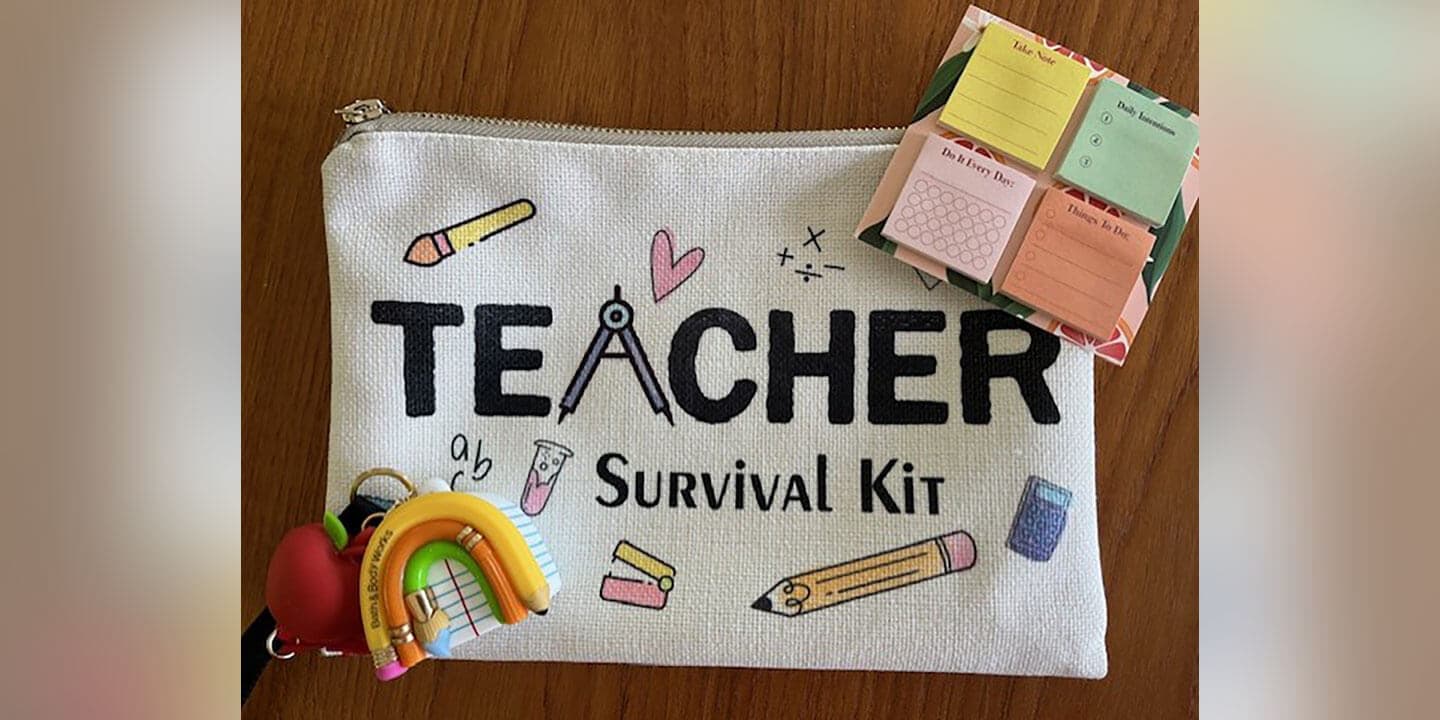
Student teaching isn’t just about proving yourself; it’s about learning, growing, and discovering who you are as an educator. Keep your survival kit close, be a sponge, and remember: you’ve got this!
Do you have a compelling story or student success tips you’d like to see published on the Pearson Students blog? If you are a college student and interested in writing for us – click here to pitch your idea and get started!
About the author

Madeline Beavis
Madeline (Maddy) Beavis earned her Bachelor of Arts in Mathematics in May 2025 and currently attends Rutgers’ Graduate School of Education in a Five-Year Master’s Program in Education. Her goal is to teach middle or high school math after earning her master's degree in May 2026. Maddy is a Pearson Campus Ambassador (PCA) and the East Regional Coordinator in the PCA program. She is also an Ignite Fellowship tutor and a Campus Ambassador for Teach for America. In her free time, she enjoys playing tennis, spending time with friends and family, and reading a good book.