
Students blog

Explore the latest trends, tips, and experiences in college life in this blog written by fellow students.

Explore posts in other areas.

PreK-12Higher EducationProfessional

  • A series of three pictures; one showing a Dachshund sleeping next to a person working on a laptop, one showing a Dachshund sitting on a pillow looking at the camera, and another showing a Dachshund sleeping next to a laptop.

    Nursing School and a Weenie Dog

    Frida Rodriguez

    The Brink of Burnout

    As if college was not overwhelming enough, I decided to major in nursing, which is college on steroids. I was stuck going to lectures, studying for quizzes and exams, cooking for myself in the dorms, and somehow still trying to have a social life. This cycle went on for two semesters until I finally said, "enough."

    I started searching for ways to deal with the built-up stress and anxiety. That is when I came across the term ESA, which stands for Emotional Support Animal, and my life completely changed.

    A Furry Solution

    One hundred dollars for an ESA certificate later, I was living with a three-month-old Dachshund named Luka. He probably wished his new mother were not an eighteen-year-old college student living in a small dorm. However, this did not mean he was less loved or taken care of; it was the opposite.

    I quickly gave up on crate training, and he became my sleeping buddy and, eventually, my everything buddy. Luka made getting out of class something I looked forward to, made grocery trips less dreadful, and became my own little de-stressor.

    The Chaos and the Cuddles

    Taking care of another living thing during midterms was a unique experience. It was a balance of cleaning up random messes while flipping through a massive pathophysiology book, but it was always worth it.

    It was especially worth it when I felt Luka cuddle up next to my leg at 2 a.m. He did not care that it was way past our bedtime, only that he was as close as possible.

    Since Luka was a puppy, he still needed all his puppy shots. Juggling his appointments with my class schedule also required some creativity. I remember telling my pathophysiology professor that I had a pressing family matter to attend to, so I could not stay for the entire class. In reality, my "family matter" was a weenie dog who had been sleeping all day and would trade me for a spoonful of peanut butter.

    A Lasting Bond

    I still loved every minute of it: carrying him like a baby, kissing him, and giving him his first piece of steak. We made many memories that I will cherish forever.

    To this day, he is my faithful companion who greets me with a wagging tail that could hit a home run and a bark that could intimidate a lion. I love you, Luka, and thank you for your unwavering love.

    Do you have a compelling story or student success tips you’d like to see published on the Pearson Students blog?  If you are a college student and interested in writing for us – click here to pitch your idea and get started! 

     

  • Graphic showing a woman meditating with a plant next to her and a clock, phone, paper airplane, envelope, calendar, and location point above her.

    Stress Less, Accomplish More

    Beanca Barcelon

    Midterm season is right around the corner. With several big events for clubs and organizations coming up, it’s easy to feel overwhelmed. Stress is a normal part of a college student’s life, but you can still handle it productively and even use it as motivation.

    During this busy season, it’s more important than ever to stay positive and take care of yourself. After all, a healthy mindset leads to better results and, overall, a happier you.

    Reframe Your Stress

    I’ve learned that the first step to turning stress into motivation is to understand that it’s inevitable. Even if you finish a semester with twenty credits, three clubs, and several job interviews, stress will never leave. That’s because stress is inherent to life, not just college.

    Recognizing this can turn a setback into an opportunity for growth. It’s like dipping your feet into cold water before fully submerging yourself; you’re preparing yourself for what’s to come. Instead of avoiding it, I’ve learned to approach my stress as a form of exposure.

    This mindset shift helps me stay calm in chaotic times. I know that by experiencing stress now, I’m learning how to adapt and handle it later on. By embracing this pressure, I’m building resilience for the future.

    Master Your Time

    Another way I’ve turned stress into productivity is by using it to improve my time management. College has taught me how important structure and priorities are. Between my classes, meetings, and assignments, I’ve developed skills that help me both in and out of class.

    I’ve started organizing larger projects into to-do lists with smaller, manageable tasks. This approach has introduced me to helpful platforms like Google Calendar, Notion, and GoodNotes to keep track of all my deadlines.

    I’ve also learned to manage my energy by tackling harder tasks when I’m most alert and saving easier ones for later. Although it can be tempting to tackle everything at once, I’ve found it’s more effective to match my tasks to my energy levels.

    In a way, stress has been my unofficial teacher, pushing me to improve my habits and stay focused.

    Prioritize Your Well-being

    Lastly, I’ve found that stress has encouraged me to adopt a healthier lifestyle. My college schedule and extracurriculars are completely different from my old routine, but that change (and stress) has forced me to grow. I’ve started valuing sleep, eating balanced meals, and setting aside time for self-care.

    I realized my productivity depended on more than just motivation from stress; it also depended on how I treated my body. As a result, I began prioritizing rest just as much. It’s funny how stress, something we usually try to avoid, can actually encourage beneficial habits.

    Ultimately, stress is an inevitable part of the college journey, but it doesn't have to be an entirely negative one. By reframing your mindset, mastering your time, and prioritizing your well-being, you can turn pressure into productivity. This midterm season, don’t just push through the stress; embrace it as an opportunity for growth.

    Do you have a compelling story or student success tips you’d like to see published on the Pearson Students blog?  If you are a college student and interested in writing for us – click here to pitch your idea and get started! 

     

  • A blue grocery basket filled with various food items including noodles and potstickers.

    College Hunger: When Tuition Eats First

    Alexis Ele

    Imagine eating instant noodles in your dorm, dreaming of going home soon for your mom’s chicken adobo. For many college students, including me, this is a reality. As a foodie, it’s hard to look at a cupboard of dwindling instant-noodle packages. Not only did eating the same thing get old, but it also wasn’t nutritious.

    College life is often depicted as having an empty wallet and surviving on instant noodles. However, I learned that it doesn’t have to be that way! Here are my best tips to eat well in college while keeping your cash intact.

    Find Your Campus Food Pantry

    Many universities have a food pantry to combat student food insecurity. On days when I ran low on groceries, I took advantage of the one on my campus (shout-out to Pack Provisions at the University of Nevada, Reno).

    Using the pantry, I could get ground beef or chicken once a week, which kept my belly and wallet full. These proteins are versatile; you can make burgers or a stir-fry with the right seasonings.

    The pantry also provides eggs, milk, cereal, bread, and other foods that can last for weeks. I highly recommend checking if your university has a food pantry. It’s there for you!

    Score Free Food at Events

    Have you ever walked through campus and seen a crowd around a table? Chances are clubs, organizations, and companies are handing out free food to attract students.

    As a hungry student, I’d do almost anything for free pizza. Stay updated on events offering free food by following your university’s social media accounts. I follow nearly fifty campus organizations and enjoy a variety of free food at least once a week.

    Expand Your Budget with SNAP

    During my first year, I worked as a server for twenty-four hours every weekend (bonus tip: work at a food establishment for free meals). One day in the library, I saw a local organization helping students who work at least twenty hours a week apply for a government program called SNAP.

    SNAP, or the Supplemental Nutrition Assistance Program, provides food benefits to supplement an individual's grocery budget. Since I was eligible, I set up an appointment, and they helped me apply.

    Every month, I get money on an EBT card to use at SNAP-friendly businesses. This card allows me to eat well and buy exactly what I need within my allocated budget.

    Final Food for Thought

    Eating well-balanced, nutritious meals as a college student can support other facets of your life, like your studies and workouts at the gym. Did I also mention that your immune system gets a nice boost?

    For college students, proper nutrition is critical. You deserve more than a diet of instant noodles; by fueling your body, you fuel your success in and out of the classroom. Eat well, study well, live well!

    Do you have a compelling story or student success tips you’d like to see published on the Pearson Students blog?  If you are a college student and interested in writing for us – click here to pitch your idea and get started! 

     

  • An open journal filled with doodles of fall leaves and the word September and a black pen and an iced coffee drink on a wooden surface.

    Find Your Calm: A Student's Guide to Journaling

    Olivia Case

    I know that college can feel overwhelming at times. Between assignments, quizzes, and midterms, it’s easy to fall into a routine that feels repetitive and draining. I’ve definitely been there.

    Then I started journaling. What started as a simple way to organize my thoughts turned into something much more: a space for creativity, reflection, and inspiration. Journaling has not only helped me stay organized but also reminded me to slow down and reconnect with myself.

    Getting Started: Monthly Spreads

    Journaling can feel intimidating at first, especially if you’re new to it. A good place to start is by creating monthly spreads: a comprehensive overview of everything you have scheduled for the month. You can jot down due dates, midterms, projects, social events, and hangouts—whatever is on your plate.

    It’s a great way to stay organized and visually see what’s ahead. When I started doing this, it made such a difference. It gave me a sense of control and helped me mentally separate my academic life from my personal one.

    Making It Your Own

    Once you feel more comfortable, you can get as creative as you want. Depending on the month, try adding colors, doodles, or decorations that match the vibe.

    For example, my July spread was full of all things summer. October, on the other hand, was packed with cute Halloween doodles: ghosts, pumpkins, and candy everywhere. That’s what makes journaling so fun; you can customize it to your own style and personality.

    I’ve also found it helpful to create weekly spreads. These are perfect for writing down your day-to-day plans or smaller tasks that don’t quite fit on the monthly page. It’s a great way to stay on top of homework, chores, and other small tasks you might otherwise forget during a busy week.

    More than a Planner

    Now, journaling is something I look forward to. There’s something really satisfying about flipping through old pages and seeing all my plans, doodles, and deadlines come together. It makes me feel accomplished, like I’ve created something meaningful out of my busy schedule.

    Even though it’s technically “productive,” it doesn’t feel like homework. It’s more like a creative break where I get to organize my life in a way that feels calming and personal.

    Overall, journaling has been a simple yet powerful way to bring creativity and balance back into my routine. It helps me stay organized, but it also gives me a space to slow down and express myself without pressure.

    Whether you love to plan everything out or just need a moment to breathe between classes, journaling can be whatever you make it. It’s your own little world on paper.

    Do you have a compelling story or student success tips you’d like to see published on the Pearson Students blog?  If you are a college student and interested in writing for us – click here to pitch your idea and get started! 

     

  • A spiral notebook, a calculator, and a mechanical pencil balanced on a pool float floating in a pool.

    Should You Take a Summer Class? A Decision-Making Guide

    Madeline Beavis

    Summer break is often seen as a time to relax, travel, or work, but for many college students, it also raises the question: Should I take summer classes? The answer isn’t one-size-fits-all.

    Deciding whether to enroll in summer courses depends on your academic goals and personal priorities. Here’s a guide to help you make the best decision for your situation.

    Pros of Taking Summer Classes

    1. Stay on track or graduate early: Summer classes can help you catch up on credits or get ahead in your program. This could allow you to graduate a semester—or even a full year—early, which could offer a financial advantage!
    2. Lighter course load during the year: Spreading out your credits over the summer might reduce your fall or spring workload, giving you more flexibility during the regular school year.
    3. Smaller class sizes: Summer courses often have fewer students, which can mean more personalized attention and better access to professors.
    4. Fewer distractions: With less activity on campus, you might find it easier to focus on your coursework without the usual hustle of a full semester.
    5. More focused learning: With fewer classes to juggle compared to the regular semester, you can concentrate more deeply on one subject.

    Potential Cons to Consider

    1. Condensed pace: Summer classes move quickly. An entire semester’s worth of material is often compressed into just a few weeks, making the coursework more intense and demanding.
    2. Burnout risk: After two full semesters, it can be difficult to find the stamina for a summer session, which could lead to mental fatigue or a lack of motivation.
    3. Limited course offerings: Not all classes are available during the summer, especially electives, labs, or upper-level major requirements.
    4. Missed break opportunities: Taking summer classes could mean giving up time spent with friends and family, internships, travel, or earning income from a summer job.
    5. Reduced financial aid options: Some schools offer limited or no financial aid for summer courses. Extra summer fees might offset any savings from cheaper classes, so be sure to check carefully before enrolling.

    Key Questions to Ask Yourself

    1. Do I need these credits to stay on track or graduate early?
    2. Will I be able to manage the fast pace of a summer course?
    3. Are the classes I need even offered this summer?
    4. How will this impact my summer plans: work, internships, family time, or rest?
    5. Am I doing this because it supports my goals, or just because I feel like I "should"?

    Taking summer classes can be a smart move, but only if it aligns with your academic goals, financial realities, and personal needs. Take time to weigh the pros and cons, and don’t be afraid to ask your academic advisor for input. After all, summer is what you make of it!

    Do you have a compelling story or student success tips you’d like to see published on the Pearson Students blog?  If you are a college student and interested in writing for us – click here to pitch your idea and get started! 
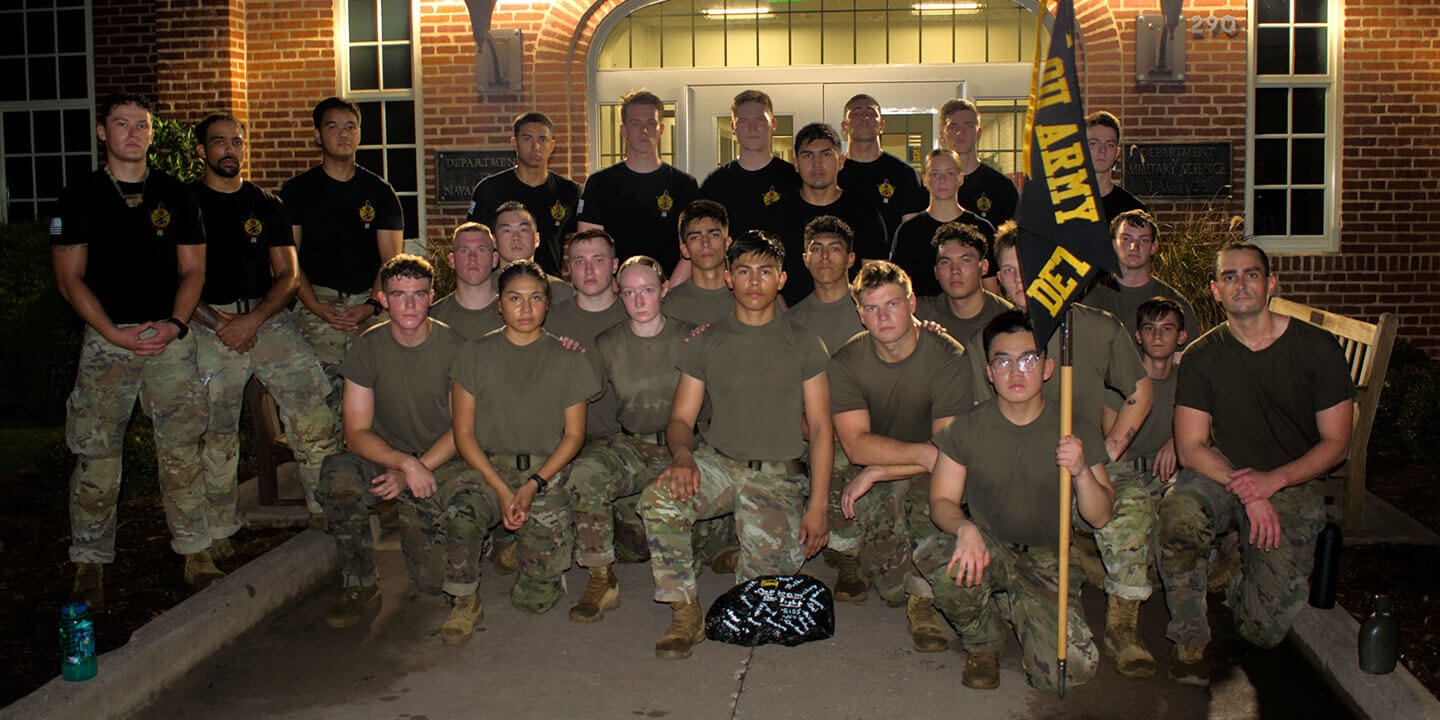
     

  • A group of Army ROTC cadets in front of a brick building. Some students are wearing black t-shirts and others are wearing army green t-shirts. All cadets are wearing camouflage pants. One cadet is holding an Army flag.

    Shift Gears: Your Back-to-School Guide

    Daniel Rios

    Adjusting to back-to-school is something many students struggle with. When you go back to school after any break, it can still feel like the return from summer; you think time is unlimited, and there is no set schedule. Then reality hits: classes, homework, and, for some, work. These responsibilities can hit you all at once.

    For me, the hardest part was waking up for early morning lectures and turning in assignments on time. It was a shock, but it pushed me to find a way to stay on track and succeed.

    Reset Your Mindset

    I noticed that it’s not just your body that must adjust to the new routine; your mind does, too. Over a semester break, we tend to have a more relaxed mindset and do not place the same importance on our usual priorities. It is easy to carry this mindset back to school, and you forget how fast deadlines approach.

    I had to remind myself that I could not carry that relaxed mentality all the time. I began to plan and write down my tasks and timelines to stay on track. This made an enormous difference. It helped me get into a rhythm, and my work now seems less stressful.

    Move Your Body

    Focusing on my physical well-being also helped me adjust. Working out during the school week helps me feel active and not just feel drained from schoolwork. When I cannot work out, I feel a little more overwhelmed.

    Working out helps me release tension and keep my head clear. I also focus on what I eat, avoiding junk food and sugar, so I do not feel drained in the middle of the day.

    Remember Your Why

    Finally, it helped to remember why I’m in school in the first place. My purpose is not only to complete assignments until I’m exhausted; it is about working toward my future.

    Keeping my goals in mind helps me stay motivated. I remind myself of the future I am chasing and that helps me focus. Returning back to school can be hard, but having a plan to adjust makes everything easier.

    Do you have a compelling story or student success tips you’d like to see published on the Pearson Students blog?  If you are a college student and interested in writing for us – click here to pitch your idea and get started! 

     

  • A person wearing jeans and a red polo sitting in an orange chair working on a laptop in front of a bank of windows in a large room.

    More Than a Job: My PCA Journey

    Tristan Deveyra

    The Pearson Campus Ambassador (PCA) program has been an incredible journey. It shaped my college experience and professional development in ways I never could have imagined.

    Through this program, I gained invaluable opportunities for networking, hands-on sales experience, internships, and personal growth. These have all set the foundation for my future.

    I write this reflection with a heavy heart, as this is my final semester as a PCA. At the same time, I feel an overwhelming sense of gratitude. This program has been transformative, and I want to commemorate my journey by sharing how much it has meant to me.

    First Steps and First Impressions

    My experience began in the spring of 2023, when I first started onboarding before officially joining in the fall. From my very first All-Call, I was struck by the energy of being surrounded by college students from across the country. That sense of community immediately made me feel like I was part of something much larger than myself.

    Early on, I also met my Regional Coordinator, Ryan Celestine, who quickly became a mentor. His guidance and support during that first semester made my transition into the program smooth and encouraging.

    During that semester, I recorded and edited a day-in-the-life vlog of a PCA for the Pearson Instagram. It was a fun content-creation opportunity!

    Opportunities, Collaboration, and Mentorship

    By the end of fall 2023, I was eager to pursue new opportunities, which led me to discover Pearson’s Micro-Internships. These short-term roles provided direct exposure to managers within Pearson and helped me explore my career interests.

    In spring 2024, I earned a Data Analyst Micro-Internship with the Higher Education Data Reporting team. There, I conducted data quality audits and supported a product data migration project. This experience led to a full-time summer internship with the same team.

    During my time with Pearson, I completed five internships with Pearson through the PCA program—an achievement I never would have imagined when I first started.

    Additionally, I also had the privilege of working closely with Sales Representative Rachel Calcote during the 2024-2025 school year. Her clear communication and strong leadership made the back-to-school season one of my best experiences in the program. These opportunities not only strengthened my skills but also showed me the value of mentorship, teamwork, and perseverance.

    A Launching Pad for the Future

    Looking back, the PCA program has been far more than a student role. It has been a launching pad for my career, a network of lasting connections, and a source of personal growth.

    It is bittersweet to say goodbye. However, I carry forward the lessons, relationships, and experiences that will continue to shape my professional journey.

    I am proud to have been part of this community and am excited for the next chapter of my life. I know the PCA program has prepared me to succeed.

    Do you have a compelling story or student success tips you’d like to see published on the Pearson Students blog?  If you are a college student and interested in writing for us – click here to pitch your idea and get started! 

     

  • A group of students smiling and posing with interlocking fingers.

    How an Organization Shaped My First Year in College

    Adrienne Colton

    Balancing academic work, leadership, and friendship can be tough. But when you’re with the right people, you find the motivation to become a better version of yourself each day. One of the most impactful things I did in my first year of college was join an on-campus organization.

    Balance and a Place to Grow

    Early on, I learned the importance of balance. I was constantly surrounded by driven individuals who prioritized their education and leadership positions. That helped me realize I was exactly where I needed to be.

    I was in good hands, and I could really see myself growing there. Throughout the year, I participated in many service events both within my organization and across the Bryan-College Station area.

    Service and Friendship

    While giving back to a community that had given me so much, I realized what a positive effect it had on my mindset. Every hour spent doing what many may consider “work” left me with the biggest smile. Much of that was because of the people I volunteered with.

    In just a few months, my peers became my best friends. We learned so much about each other in such a short time. We still consider ourselves bonded like family today.

    A Home Away from Home

    As a first-year student, it was a huge relief to know I had people by my side supporting me. On days when I felt far from home, the people I met through my organization helped me build a new home.

    I'm often asked for my number one tip for navigating college. My answer is always the same: join an organization as soon as you can. It’s so important to find a group of like-minded individuals who will push you to grow.

    Not only will it make your experience in college unforgettable, but it will also give you friendships and memories to hold on to for the rest of your life.

    Do you have a compelling story or student success tips you’d like to see published on the Pearson Students blog?  If you are a college student and interested in writing for us – click here to pitch your idea and get started! 

     

  • A young man wearing sunglasses, a ball cap, a silver necklace, and a striped button-down shirt with a white t-shirt underneath standing in front of brick wall with a school logo on it.

    Stop and Smell the Roses in College

    Shalom McNeil

    Graduation: Incoming

    As I get closer to crossing the stage and entering uncharted territory, one question gets louder: “What’s next?”

    For my fellow seniors, thoughts about what’s next might be hitting a little harder as our collegiate chapter ends. Sometimes it feels like a million thoughts run through your head, ranging from hopeful and excited to nervous and doubtful.

    If you’ve felt that pressure, here’s a reminder to pause and be present as we figure it out.

    Football to Filmmaking

    I came to campus as an eager, hot-blooded teenager who couldn’t wait to get my fill of the “college experience.” I joined the football team, made friends, and went to events. But I didn’t expect my feelings toward football to change, and that led to my first real identity crisis.

    My passion for the sport was dwindling, and I was scared. Without football, I didn’t know what else I’d do.

    I tried to straddle the fence for a while, but a serious concussion made the choice for me. That was the first time I truly asked myself, “What’s next?” I was lost.

    Over time, uncertainty weighed on me, and my outlook grew darker. I questioned everything: Who am I? Who do I want to become? Did I make the wrong decision to quit? Should I even stay in college?

    Those thoughts ran heavy, but eventually I decided to take things one day at a time. After months of going through the motions without direction, I thought, “Why not give video a try?” I had no idea how to shoot, edit, or craft a story, yet I had always loved stories.

    That small step opened the door to what’s now my passion. Storytelling and filmmaking have become my lane. For me, picking up a camera became my way of learning to see the world in front of me.

    Senior Reflections

    Looking back, I realize I was so in my own head that I didn’t allow myself to enjoy the process. Even in moments of joy and triumph, I was focused on “what’s next.”

    My college experience forced me to confront something I’ve always known: I’m a chronic overthinker. That’s why I’m shifting my perspective this year.

    I’m in awe that I’m really here, still standing. My journey through college has prepared me and shaped me into who I am today.

    I am ready to take on what’s ahead, even if I have no idea what the future will look like. As I prepare to close one chapter and begin another, I like to remind myself that we’re still in the middle of writing our life story.

    Sure, sometimes I wish I could look into a crystal ball and make a list of all my future mistakes, so I can try to create a safe, smooth ride. But truthfully, what fun is that?

    Every experience, every rose, matters. Our mistakes, detours, and challenges—our stories—make us who we are. Even when you’re looking straight ahead, ready to take on what’s next, it’s always good to stop and smell the roses.

    Do you have a compelling story or student success tips you’d like to see published on the Pearson Students blog?  If you are a college student and interested in writing for us – click here to pitch your idea and get started!