Pearson+ LogoPearson+ Logo
Ch. 38 - Flowering Plant Reproduction and Development
Freeman - Biological Science 8th Edition
Freeman8th EditionBiological ScienceISBN: 9780138276263Not the one you use?Change textbook
Chapter 38, Problem 4

When does the apical–basal axis first become apparent?
a. When the epidermal, ground, and vascular tissues form
b. When the cotyledons, hypocotyl, and root form
c. When the first cell division produces the apical cell and basal cell
d. During the globular stage, when the suspensor is complete

Verified step by step guidance
1
Understand the concept of the apical-basal axis: In plant development, the apical-basal axis is a fundamental organizational feature that determines the orientation of the plant body, from the shoot (apical) to the root (basal).
Consider the stages of plant embryogenesis: The development of a plant embryo involves several stages, starting from a single fertilized egg cell to a fully formed embryo with distinct tissues and organs.
Identify the role of the first cell division: The first division of the zygote is asymmetric, producing two cells with different fates: the apical cell, which will give rise to most of the embryo, and the basal cell, which will contribute to the formation of the suspensor.
Analyze the options: Option c refers to the first cell division producing the apical and basal cells, which is a critical event in establishing the apical-basal axis.
Conclude based on the analysis: The apical-basal axis first becomes apparent during the first cell division when the apical and basal cells are formed, as this division sets the foundation for the subsequent development of the plant's body plan.

Verified video answer for a similar problem:

This video solution was recommended by our tutors as helpful for the problem above.
Video duration:
50s
Was this helpful?

Key Concepts

Here are the essential concepts you must grasp in order to answer the question correctly.

Apical-Basal Axis

The apical-basal axis is a fundamental organizational feature in plant development, establishing the primary growth direction from the shoot (apical) to the root (basal). This axis is crucial for determining the spatial arrangement of tissues and organs in plants, guiding the differentiation of cells into specific structures like leaves, stems, and roots.
Recommended video:
Guided course
02:17
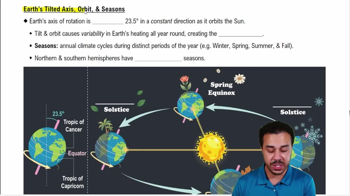
Earth’s Tilted Axis, Orbit, & Seasons

Cell Division in Plant Embryogenesis

In plant embryogenesis, the first cell division is pivotal as it produces two distinct cells: the apical cell, which will give rise to most of the embryo, and the basal cell, which contributes to the formation of the suspensor. This division marks the initial establishment of the apical-basal axis, setting the stage for subsequent developmental processes.
Recommended video:
Guided course
03:19
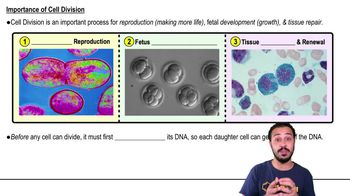
Importance of Cell Division

Globular Stage of Embryo Development

The globular stage is an early phase in plant embryo development characterized by a spherical shape. During this stage, the basic body plan of the plant is established, including the completion of the suspensor, which supports the embryo. This stage is crucial for further differentiation and the establishment of the apical-basal axis.
Recommended video:
Guided course
03:16
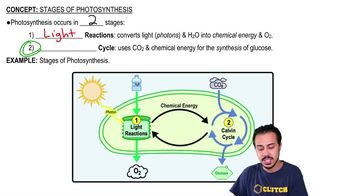
Stages of Photosynthesis