Pearson+ LogoPearson+ Logo
Ch.16 Amino Acids, Proteins, and Enzymes
Timberlake - Chemistry: An Introduction to General, Organic, and Biological Chemistry 13th Edition
Timberlake13th EditionChemistry: An Introduction to General, Organic, and Biological ChemistryISBN: 9780134421353Not the one you use?Change textbook
Chapter 16, Problem 2a

Classify each of the following proteins according to its function:
a. insulin, a protein needed for glucose utilization

Verified step by step guidance
1
Understand the role of insulin: Insulin is a hormone that regulates glucose levels in the blood by facilitating the uptake of glucose into cells, where it can be used for energy or stored as glycogen.
Recall that proteins can have various functions, such as structural support, catalysis (enzymes), transport, signaling, and regulation.
Identify the function of insulin: Insulin is involved in signaling and regulation, as it communicates with cells to regulate glucose metabolism and maintain homeostasis.
Classify insulin as a regulatory protein: Since insulin's primary role is to regulate glucose utilization and maintain blood sugar levels, it falls under the category of regulatory proteins.
Confirm the classification: Insulin is a signaling molecule and regulatory protein because it plays a key role in controlling metabolic processes related to glucose.

Verified video answer for a similar problem:

This video solution was recommended by our tutors as helpful for the problem above.
Video duration:
1m
Was this helpful?

Key Concepts

Here are the essential concepts you must grasp in order to answer the question correctly.

Protein Function

Proteins serve various functions in biological systems, including catalyzing biochemical reactions, providing structural support, and regulating cellular processes. Understanding the specific role of a protein, such as insulin, is crucial for classifying it correctly based on its function.
Recommended video:
Guided course
02:16
Logarithmic Functions

Insulin

Insulin is a peptide hormone produced by the pancreas that plays a vital role in glucose metabolism. It facilitates the uptake of glucose into cells, thereby regulating blood sugar levels. Classifying insulin involves recognizing its function as a key regulator of energy homeostasis.

Glucose Utilization

Glucose utilization refers to the process by which cells absorb and use glucose for energy. This process is essential for maintaining metabolic balance and is significantly influenced by hormones like insulin. Understanding this concept is important for classifying proteins involved in metabolic pathways.
Recommended video:
Guided course
2:07
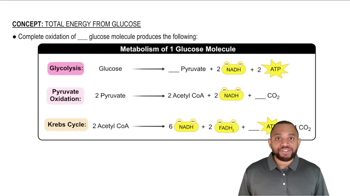
Total Energy From Glucose Concept 1