
Students blog

Explore the latest trends, tips, and experiences in college life in this blog written by fellow students.

Explore posts in other areas.

PreK-12Higher EducationProfessional

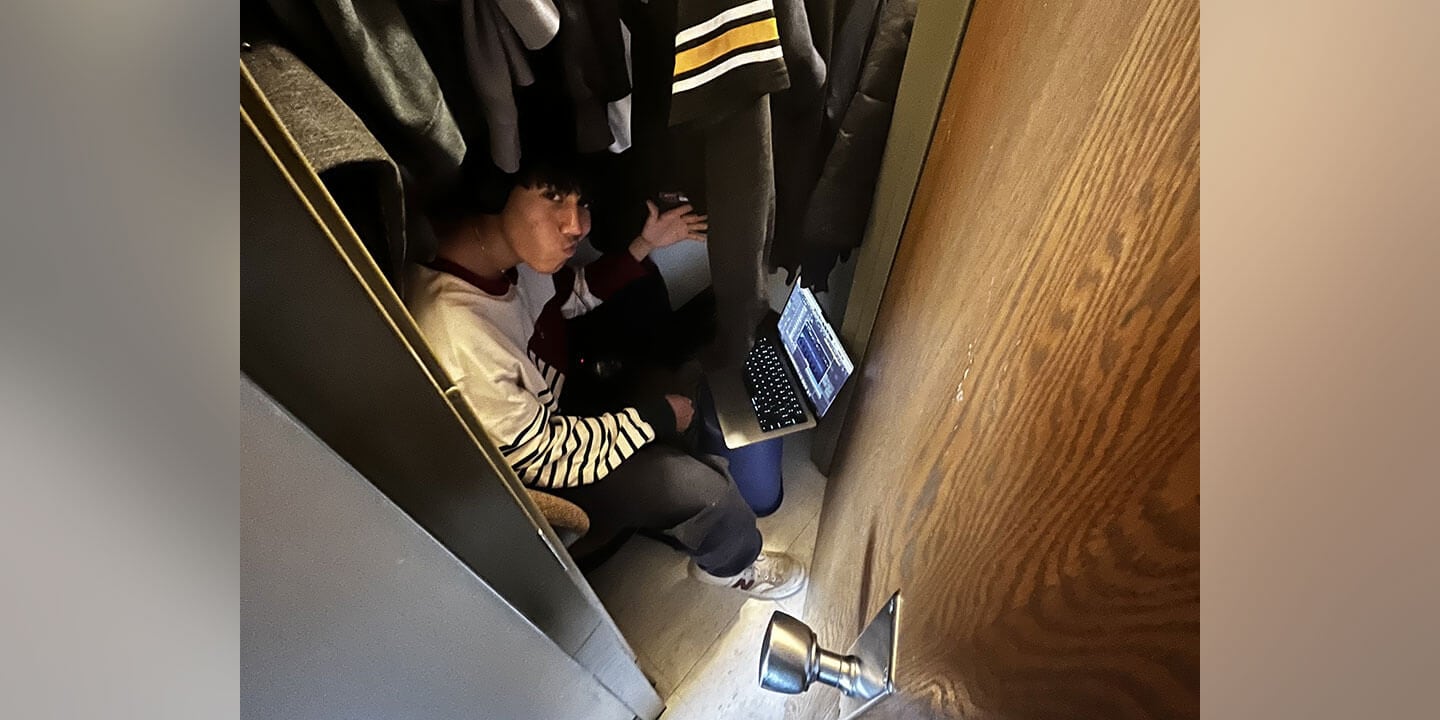
  • A young man sitting in a closet using recording software on his laptop.

    Recording Quality Music (On a College Budget)

    Damion Vidal Garcia

    Recording professional-sounding music on a college budget may first seem impossible, however it is not only feasible, but an opportunity to input your creativity into every process. You don’t need a high-end studio to produce great tracks. Instead, focus on technique, affordable tools, and optimizing your recording environment. Here are a few tips on how to put together high-quality songs without draining your bank account.

    Optimize Your Recording Space 

    If you’re recording in a dorm or small apartment, you can use thick blankets or moving pads to dampen reflections. Isolating areas with the most unwanted room noise is the key, focusing on creating smaller spaces within larger ones. For vocals, try recording in a closet, as the fabric is great at absorbing unwanted reverberations. If you’re micing an amp or acoustic instrument, a similar closet technique can work wonders if you have the space. Rugs and carpet can also be useful for containing sound in rooms with harder floors. 

    Choose Affordable (or Free) Gear 

    Start with a solid, budget-friendly microphone like the Shure SM57 or SM7B or any cheap large diaphragm condenser such as the Audio-Technica AT2020 or the AKG P220. Pair it with an affordable audio interface, such as a Scarlett Solo or anything that doesn’t have DI quality loss and that can provide clean preamps. For monitoring, opt for flat-response headphones like the Audio-Technica ATH-M30x or something from Sennheiser’s HD series, which will help you mix accurately without need for studio monitors. Most production can be tackled in the box these days, so focus on getting the best signal into your computer first and foremost. 

    Use Free or Low-Cost DAWs & Plugins 

    Professional DAWs can cost hundreds, but there are many free and low-cost alternatives. If you’re on Mac, GarageBand is a powerful starting point with built-in instruments and effects. Windows users can take advantage of Cakewalk by BandLab, another fully featured DAW that’s completely free. Reaper offers a 60-day free trial and only costs $60 afterward, making it a steal for its capabilities. For plugins, lookout for free options like iZotope’s Vinyl (for lo-fi effects), Spitfire LABS (for high-quality virtual instruments), and Valhalla Supermassive (for lush reverbs and delays). Tools like these will elevate your production and save a penny at the same time.

    Learn Basic Mixing Techniques 

    Even the best recordings fall flat without proper mixing principles. Learn to use EQ, compression, and different plugins like saturation and modulation effects to play with tone color while also creating a cohesive mix. When using reverb and delay, apply them subtly to avoid washing out. Panning left or right can also help to create a more immersive soundstage. Most importantly, reference mixes on multiple playback systems (headphones, car stereo, etc.) and use professional references to ensure they translate well to wherever your music is distributed. 

    Collaborate & Share Knowledge 

    The final tip, and the best way to improve while staying budget-conscious is collaboration with other musicians. Join music groups, swap feedback, or even share gear! You might find someone with better microphones or a different DAW who can enhance your recordings. Plus, learning from others accelerates your own growth and can lead to unexpected creative breakthroughs. 

    Final Thoughts 

    Great music isn’t about how much you spend; it’s about how you use what you have. By optimizing your space, choosing smart gear, leveraging free software, and honing your creative skills, you can produce tracks that rival professional recordings. The key is to keep experimenting, keep learning, and most importantly, keep creating. Your passion and resourcefulness will always matter more than the price tag of your equipment. 

    Do you have a compelling story or student success tips you’d like to see published on the Pearson Students blog?  If you are a college student and interested in writing for us – click here to pitch your idea and get started! 

     

  • Blog author Stone in full snow-boarding gear leans against a tall wooden structure on a ski slope.

    Going Against Your Nature: How I learned to snowboard as a non-athletic person

    Stone Pillsbury

    As college students entangled in an ever-evolving web of classes, studying, extracurricular activities, job searching, and a plethora of other pressing issues, it can be hard to kick back for a moment and allow oneself to have fun. It can seem like everything we do needs to be part of some bigger plan to advance ourselves in society--but it's okay to do things for your own enjoyment, and for no other reason. Here’s how I learned to snowboard and why I enjoy it – despite my not being naturally good at it. 

    My snowboarding journey began in the winter of my sophomore year of high school. At that point in my life, I was knee-deep in studying for classes, swimming year-round, and practicing my bass, so extreme leg-breaking sports were the last thing on my mind. On a cool Thursday evening, I got a text from my best friends asking me if I wanted to go snowboarding with them over the weekend – and my initial response was absolutely not. 

    On any given weekend, you could find me reading, playing poker, having a movie night, maybe playing some spike ball or pickleball, but snowboarding wasn't ever on the list. In addition to having a crippling fear of heights, I'm not exactly the most coordinated person. Some people are built for comfort, not speed – I would classify myself within that group. 

    After some nagging, negotiating, and a healthy dose of peer pressure, I finally caved in and said I would go. We drove up to a small ski hill in Sapphire Valley, North Carolina – not the grandest by any means, but a perfect place for me to learn. My friends taught me all the basics – including how to strap myself to the board, how to get onto the lift, and how to fall in the least painful way (thank the lord for that one) – but most of the technical stuff I needed to figure out on my own. 

    I pretty much spent the entire day falling in every way imaginable – learning how to distribute my weight properly was a huge obstacle, as leaning too far in the wrong direction at the wrong time causes a very sudden fall (this is referred to as "catching an edge"). It was extremely frustrating not being able to go for more than 15 seconds at a time without falling – I'll admit I got pretty heated in some moments. However, by the end of the day, I was able to gently glide down the entire slope without falling – although I wasn't very quick, I was in control. 

    Since that day, snowboarding has become something I regularly return to and endeavor to improve upon. By no means am I naturally good at this sport – after 4 years of snowboarding two/three times per season, I still fall regularly and still don't go as fast as I'd like to, but to look back upon the improvement and growth I've had since then is immensely satisfying. The feeling of the wind rushing against your face while gliding down a slope is exhilarating and immensely freeing – especially knowing that I've conquered so many obstacles to get to that point. 

    Snowboarding has taught me that sometimes the most rewarding experiences come not from the activities we naturally excel at, but from embracing the struggle, celebrating small victories, and finding joy in the journey – a lesson that extends far beyond the slopes into every aspect of life.

    Do you have a compelling story or student success tips you’d like to see published on the Pearson Students blog?  If you are a college student and interested in writing for us – click here to pitch your idea and get started! 


  • Two images featuring groups of sorority college women.

    Sisterhood Saving Tips

    Josie Heisel

    Being a college student can be a financial struggle. Working a few hours, spending money on food, gas, clothes, and going out, all while trying not to go completely broke – I’ve been there, done that. Here are a few ways I have learned to save money.

    Share a ride

    After living in a sorority house with 67 girls, I’ve picked up a few tips that have saved me money so far in my sophomore year. First, carpooling can make a big difference. Whether we’re heading to an event or grabbing food, coordinating rides with friends not only saves on gas but also helps avoid parking fees. It’s amazing how much you can save by simply sharing a ride. If you're in college, I highly recommend creating group chats with friends to coordinate carpooling—it’s an easy and effective way to cut down on costs.

    Rent or borrow clothes

    Second, rather than buying a new outfit for every function, consider renting clothes or borrowing from others. There are at least five different Instagram accounts of girls just within my house who are constantly renting clothes. This has come in handy for sorority and fraternity functions, as well as gamedays, so I didn’t have to worry about going out and buying new clothes. Instead, I would rent a dress for $15, wash it, and then return it. It’s an affordable way to upgrade without the commitment of a full-price purchase.

    Save on meals

    Lastly, when you go to restaurants, I always either split meals, get a kids' meal, or choose a meal that's big enough to create leftovers. At the sorority house, we only have access to food on weekdays, so on weekends, I’ve had to find the most cost-effective ways to eat out. My favorite meal on a budget is the Chipotle $5 kids' quesadilla.

    While college can be expensive, there are many ways you can work with others and get creative to save money. Small habits like these can add up and help ease the financial burden that often comes with being a student. The key is to stay open to alternatives and be mindful of your spending. With a little planning and collaboration, you can make college life more affordable without sacrificing your experiences.

    Do you have a compelling story or student success tips you’d like to see published on the Pearson Students blog?  If you are a college student and interested in writing for us – click here to pitch your idea and get started! 


  • A young woman jogging down a neighborhood street.

    Brain Food & Gym Shoes: Wellness Tips for College Life

    Katherine Donofrio

    College life is an exciting but demanding time, often filled with late-night study sessions, social events, and mounting academic pressure. With such a packed schedule, students may find it challenging to prioritize their health and wellness. However, maintaining well-being is essential for success both inside and outside the classroom. Here are some practical ways to stay healthy in college.

    Staying active is crucial for both physical and mental health. While it may be difficult to fit in a full workout routine, students can incorporate movement into their daily activities by walking or biking to class, using campus fitness centers, or engaging in short home workouts. Regular exercise helps improve mood, boost energy levels, and enhance overall well-being.

    A nutritious diet is another key component of a healthy college lifestyle. It’s tempting to rely on fast food or late-night snacks, but choosing balanced meals with lean proteins, whole grains, fruits, and vegetables can make a significant difference. Students can meal prep, keep healthy snacks on hand, and make mindful food choices to maintain their energy levels and concentration throughout the day.

    Sleep is often sacrificed in college, but it is crucial for cognitive function and emotional well-being. Aiming for 7-9 hours of sleep each night can improve memory, focus, and overall health. Establishing a bedtime routine, limiting screen time before bed, and maintaining a consistent sleep schedule can enhance sleep quality.

    Managing stress effectively is essential for overall wellness. College can be overwhelming, but practicing mindfulness, deep breathing exercises, and journaling can help alleviate stress. Students should also use time management strategies, such as setting realistic goals and following structured study plans, to reduce academic pressure.

    Staying hydrated is another simple yet vital aspect of maintaining good health. Drinking at least 8 cups of water a day can help sustain energy levels, prevent dehydration, and improve focus. Avoiding excessive caffeine and sugary drinks can further support overall well-being.

    Finally, social connections play a vital role in mental health. Taking breaks to engage in social activities, join clubs, or simply connect with friends can reduce feelings of loneliness and increase happiness. Most colleges offer wellness resources, including counseling, fitness programs, and nutrition guidance. Utilizing these resources can support students in maintaining a healthy and balanced lifestyle.

    By making intentional choices and prioritizing self-care, college students can enhance their health and wellness, leading to better academic performance and a more fulfilling college experience.

    Do you have a compelling story or student success tips you’d like to see published on the Pearson Students blog?  If you are a college student and interested in writing for us – click here to pitch your idea and get started! 


  • A golden retriever lies on a college student’s bed.

    The Joys and Challenges of Living with a Dog at School

    Jack Byrne

    My 4 roommates and I have a golden retriever puppy living with us at school, and it has been a great experience. She makes the house much more inviting and it's always great to be greeted at the door with a wagging tail. She has also proven to be a challenge with our busy schedules and the constant attention that she requires. This blog will explore the many positives that having a dog brings, and how we have learned to best deal with taking care of her.

    When one of my roommates told us he was getting a puppy the summer before junior year of college, everyone was obviously very excited, but when we started thinking about her living with us the entire year, we had some doubts. Are we up for this bigtime commitment? Is someone always going to be home to feed her and let her out when she needs? Should we prepare to say goodbye to these carpets now? I will say, my roommate did a good job potty training her over the summer, and that was a huge help.

    Still, a 6-month-old puppy comes with its hardships. Cleo (short for Cleopatra) loves socks. We quickly learned that leaving any article of clothing on the floor was a bad idea, because she scoops it up and chews it up in the blink of an eye. We faced the challenge of learning everyone’s schedules and making sure that someone is always home to feed her breakfast, lunch, and dinner and let her out (we have a fenced in backyard, which is very helpful, but we will still take her out on a leash sometimes). When it rains, or like right now in Ohio, the snow melts, our backyard becomes a muddy mess, and we must catch Cleo when she comes running inside so we can wipe her paws before she jumps in all of our beds (which has definitely happened more than once). At the end of the day, I think we have done a good job of finding the humor in all these things, which is necessary with a young puppy.

    Now enough of the bad stuff, having a dog is the best thing ever. We take Cleo on walks through the student neighborhood, and our neighbors and friends love her. She knows tricks like lay down, spin, stand up and speak, and we have fun giving her cheerios for doing them successfully. We have a large, gated turf field that we take her on and throw the football around while she chases it, and she has the best time ever. Coming home from class is always fun when she flies down the stairs to say hello at the door. She loves to sleep, and she’ll take turns hopping in one of our beds and curling up for the night. She has made this years’ experience so much more enjoyable, and I think everyone needs a Cleo in their life.

    Do you have a compelling story or student success tips you’d like to see published on the Pearson Students blog?  If you are a college student and interested in writing for us – click here to pitch your idea and get started! 
     

  • A group of four college women standing arm-in-arm looking up at a campus building at night.

    Savoring Senior Year: Creating a Meaningful Bucket List

    Jessica Liversedge

    Entering my final semester of senior year fills me with a lot of different emotions. I'm excited about all the possibilities the future holds after graduation, nervous about whether I’m truly ready to take that next step, and deeply nostalgic for my journey so far. The most important promise I’ve made to myself this year is to savor every moment and create an unforgettable senior year. Back in August, my friends and I came up with the idea of making a senior year bucket list. This became our way of making sure we embraced every experience we wanted to have before this chapter of our lives ends.

    The most daunting part of doing this is getting started making a bucket list. My friends and I found ourselves asking, how are we going to fit a whole year worth of experiences into a single list? We wanted to include every tradition, every event, and all the little moments that make senior year special. So, we decided to first make a brainstorm document that our whole friend group had access to. Everyone put in ideas that they thought we needed to include on our list. Once we had a solid idea of what could go on the list, we got a big poster board with some markers. This was the fun part, we made it a night-long activity and it quickly became more than just making a list—it was a fun, memorable night that was a great way to kick off our senior year.

    Some of the things we included were classic campus traditions, like attending our school's tailgates and football games. We had spots we wanted to revisit on campus one last time, places that had shaped our college experience. For example, we decided to go back and try every dining hall one last time. Beyond campus, we added adventures in the surrounding towns—new restaurants we had always talked about trying, hikes we wanted to explore, and local events we didn’t want to miss. Finally, we added experiences that our group wanted to do before we graduated. For example, we all planned one last movie night, a Friendsgiving dinner, and a letter writing night to our future selves. We also tried to make it a goal to take pictures at these different events so we could have something to look back on at the end of our year.

    Our big list was then put on the side of our fridge, and we checked it off every time we did something on the list. Some moments were big and exciting, while others were simple but just as meaningful. Looking back, creating this bucket list was one of the best decisions we made for our senior year. It has been such a fun way to ensure that we are making the most of our senior year with the friends who have made our college experience what it was. If you're heading into your final year, I can’t recommend it enough—make your own list, embrace the time you have left, and make it a year you’ll never forget.

    Do you have a compelling story or student success tips you’d like to see published on the Pearson Students blog?  If you are a college student and interested in writing for us – click here to pitch your idea and get started! 


  • An aerial view of a college campus.

    Tips for getting along with your college roommates

    Kohle Nash

    College is a whirlwind of new experiences, and having a roommate can make that adventure even more exciting, or a bit challenging. From navigating unfamiliar buildings and academic expectations to developing friendships and exploring personal identities, college life is a transformative journey that can be both exhilarating and overwhelming. At the heart of that experience is the relationship with your roommate. Having a positive roommate relationship can make all the difference in your college experience, providing a safe space to be yourself, share experiences, and grow alongside your peers.

    Let’s be honest, living with a stranger can be tough. Late-night study sessions can quickly turn into noisy distractions, messy spaces can be a source of tension, and differing personalities can clash. It's easy to fall into a routine of avoidance, where you and your roommate coexist rather than connect. But the reality is, your roommate is someone who can help shape your college experience. They can provide a sounding board for your ideas, support you through tough times, and even become a lifelong friend. So, how do you make the most of this experience?

    It's essential to establish open communication from the jump. This means having an honest conversation about your expectations, boundaries, and needs. You can discuss things like quiet hours, cleanliness, and guest policies to create a mutually respectful environment. It also helps to engage in activities and hobbies that you both enjoy, whether that's cooking, movie nights, or outdoor adventures. By fostering a sense of connection and community, you can turn your dorm room into a home where you both feel seen, heard, and valued.

    Of course, it's not always smooth sailing, but with a little creativity, patience, and empathy, you can turn your roommate experience into a highlight of your college years and beyond. By choosing to prioritize this relationship, you can not only survive the college years but also create lasting memories and friendships that extend far beyond the classroom.

    Do you have a compelling story or student success tips you’d like to see published on the Pearson Students blog?  If you are a college student and interested in writing for us – click here to pitch your idea and get started! 


  • An example of a healthy salad featuring falafel, hummus, salad, chickpeas, and avocado.

    Six Tips to Maintaining a Balanced Diet in College

    Alissa Ansari

    College life is a whirlwind of academic challenges, social events, and newfound independence. It’s an exciting time, but it also comes with its fair share of stress, especially when it comes to maintaining a healthy lifestyle. For many students, the pressures of tight budgets, busy schedules, and late-night study sessions can make it difficult to eat well and stay energized. The good news? You don’t have to compromise your health just because you're juggling classes, clubs, and work. With a little planning and a few smart strategies, you can maintain a balanced diet that supports both your academic success and personal well-being. Here are six tips to help:

    1. Meal Planning on a Budget

    Eating healthy in college doesn’t have to mean spending a fortune. With a little planning, you can create nutritious meals that won’t break the bank. The key is buying versatile, affordable ingredients that you can use in multiple dishes.

    Budget-Friendly Meal Ideas:

    • Rice and Beans: A classic combination that’s both cheap and nutritious. Rice provides carbs for energy, while beans are packed with protein and fiber. You can season them with spices to keep things interesting.
    • Stir-Fries: Buy a frozen bag of mixed vegetables, some chicken or tofu, and a bottle of soy sauce. This is a quick, customizable meal that’s full of vitamins and protein.
    • Oats: Don’t underestimate the power of a good bowl of oatmeal. It’s inexpensive, filling, and can be flavored with fruit, nuts, or yogurt for extra nutrition.
    • Eggs: Eggs are a college student’s best friend. They’re a great source of protein and can be cooked in so many ways—scrambled, boiled, or made into omelets or frittatas with leftover veggies.

    Shopping Tips:

    • Buy in bulk when possible — things like rice, pasta, and canned goods can last a long time.
    • Stick to a grocery list and avoid impulse buys.
    • Shop for seasonal produce. Fresh fruits and veggies can be more affordable when they’re in season.

    2. Healthy Snacking Tips

    When you're running between classes or studying late into the night, it’s easy to reach for unhealthy snacks like chips or candy. However, with a little prep, you can have nutritious options on hand that keep you fueled without the sugar crash.

    Nutritious snack ideas:

    • Trail Mix: A mix of nuts, seeds, and dried fruit is portable and packed with healthy fats, protein, and fiber. Just be mindful of portions, as it’s calorie-dense.
    • Greek Yogurt with Fruit: Greek yogurt is high in protein, and when paired with fresh or frozen fruit, it’s a delicious, nutrient-packed snack.
    • Apple with Peanut Butter: A classic combo of fiber and protein that’s satisfying and easy to prepare.
    • Hummus and Veggies: Pre-slice carrots, cucumbers, or bell peppers, and pair them with store-bought or homemade hummus for a crunchy, satisfying snack.

    Snacking Tips:

    • Keep snacks in your backpack or dorm room for when hunger strikes between classes.
    • Opt for whole foods (fruits, vegetables, nuts) rather than processed snacks.
    • Stay mindful of portion sizes, especially with calorie-dense snacks like nuts or cheese.

    3. Time-Saving Hacks: Meal Prep for Busy Schedules

    We all know that college students are busy, and finding time to cook can feel impossible. But with a little effort upfront, you can save time during the week and ensure you’re eating healthy meals even when you’re short on time.

    Meal Prep Ideas:

    • Batch Cook Grains: Cook a big pot of quinoa, rice, or pasta at the start of the week. These can be used in a variety of dishes, like salads, stir-fries, or bowls.
    • Prep Veggies: Wash, peel, and chop vegetables ahead of time so they’re ready to be tossed into stir-fries, salads, or roasts.
    • Make Overnight Oats: Prepare individual servings of overnight oats in mason jars. These can be customized with fruits, nuts, and yogurt, and are ready to grab and go in the morning.
    • Cook Protein in Bulk: Grill or bake a batch of chicken, tofu, or beans to use in wraps, salads, or bowls throughout the week.

    Meal Prep Tips:

    • Set aside a few hours on the weekend to prep meals and snacks.
    • Invest in good-quality containers to store your prepped meals and snacks.
    • Make meals that can be easily reheated or eaten cold, like salads or grain bowls.

    4. Dining Hall Survival Guide

    Many colleges offer dining halls that can make eating on campus more convenient—but with so many options, it can also be hard to make healthy choices. Here’s how to navigate the dining hall and make nutritious decisions.

    Dining Hall Tips:

    • Fill up on veggies: Look for salad bars or dishes with plenty of vegetables. Fill half your plate with veggies to ensure you’re getting the nutrients you need.
    • Go for lean proteins: Choose grilled chicken, fish, or plant-based proteins like beans or tofu over fried options.
    • Mind the sauces: Sauces and dressings can be loaded with hidden calories and sugars. Ask for them on the side so you can control how much you use.
    • Opt for whole grains: Choose brown rice, quinoa, or whole-wheat bread when possible. These options have more fiber and nutrients than their refined counterparts.

    5. The Importance of Hydration

    Staying hydrated is crucial to maintaining energy levels, focus, and overall health, especially during long study sessions or after a workout. But it's easy to forget about hydration when you're caught up in the demands of college life.

    Hydration Tips:

    • Carry a reusable water bottle: Having water on hand at all times can remind you to drink throughout the day. Aim for at least 8 cups of water daily, more if you’re physically active.
    • Flavored Water: If plain water feels too boring, try adding slices of fruit like lemon, lime, or cucumber for natural flavor.
    • Avoid sugary drinks: While soda, energy drinks, and sweetened coffee drinks are tempting, they can lead to energy crashes and don’t offer much nutritional value.

    Other Hydrating Beverages:

    • Herbal teas can be a good option for hydration, and they come in a variety of flavors.
    • Coconut water is another hydrating option with electrolytes to keep you balanced.

    Small Changes, Big Impact

    Maintaining a balanced diet in college doesn’t have to be overwhelming or expensive. By planning your meals, making healthy snack choices, and utilizing time-saving hacks, you can stay nourished and energized through even the busiest of semesters. Whether you’re cooking in your dorm kitchen or navigating the dining hall, a little preparation and mindful eating can go a long way in supporting your academic success and overall well-being. By prioritizing your health, you’ll have the energy to not only tackle your assignments but also fully enjoy everything that college life has to offer.

    Do you have a compelling story or student success tips you’d like to see published on the Pearson Students blog?  If you are a college student and interested in writing for us – click here to pitch your idea and get started! 


  • A computer-generated graphic featuring two gifts wrapped and topped with bows and the blog title and author’s name.

    Procrastinated Presents

    Izi Allen

    As a student, it can be challenging remembering to plan for events like birthdays or holidays. Especially if you are far away from home or busy studying for finals, finding the right gift for your friends and family can be a stressful task. Luckily, I have a list of solutions for last- minute gift ideas! Whether you are celebrating from a long distance, or you are looking for a way to show you care, I’ve got you covered! In this blog, I will be reviewing some of the best gifts with various price ranges from flower delivery to e-cards and more!

    If you are celebrating someone who is not near, the first step is always a sweet birthday message. A phone call or voicemail will always be more sincere, but a thoughtful text message is also a great way to make someone feel remembered. The next step is a gift. Depending on how well you know the person, an eGift card may be the perfect way to show someone that you remember their favorite store or restaurant. They will also be able to use a gift card when they choose. For someone more special to you, consider a flower or cookie delivery service. These can be scheduled a few days ahead (or even the day of if you are lucky), and it is a surprise that will be memorable for years to come.

    If you are low on money, but still want to give someone something special, do not fret! There are many options available to those on a budget. After all, it is the thought that counts. Consider getting together with other friends or family members to split the cost of a nice gift. When my older sister graduated college, I wanted to get her a designer handbag. It was her dream bag that she had talked about for years, but I couldn’t afford it on my own. I got together with my other two sisters and my mom, and we were able to split the cost and get it for her. I’ve never seen her cherish a gift quite like that one. Another great budget friendly option is coming up with a gift theme and getting a few low-price options together. For example – a spa theme might be made of a few facemasks, a headband, and some hand-written self-care quotes. Don’t be afraid to make things!

    Lastly, sometimes you have the budget and find yourself near the person of the hour, but you simply forgot about their gift. Offer to take this person to breakfast! Many times, people will have dinner plans or night plans, but they find themselves with a lot of time at the beginning of the day. Offering to fill this time at a nice diner or brunch place is a great way to make memories, eat good food, and let this person know that they haven’t been forgotten about. However, if it is too late in the day when you remember them, you can find some valuable gift sets at department stores – these pair very well with flowers!

    Hopefully you don’t find yourself panicking about gifts too often, but if you do, just remember to keep it simple and be thoughtful about what you know about the person. I hope that you can find some ideas that will help you from this blog. Good luck gifting!

    Do you have a compelling story or student success tips you’d like to see published on the Pearson Students blog?  If you are a college student and interested in writing for us – click here to pitch your idea and get started!