Students blog

Explore the latest trends, tips, and experiences in college life in this blog written by fellow students.

Explore posts in other areas.

PreK-12Higher EducationProfessional

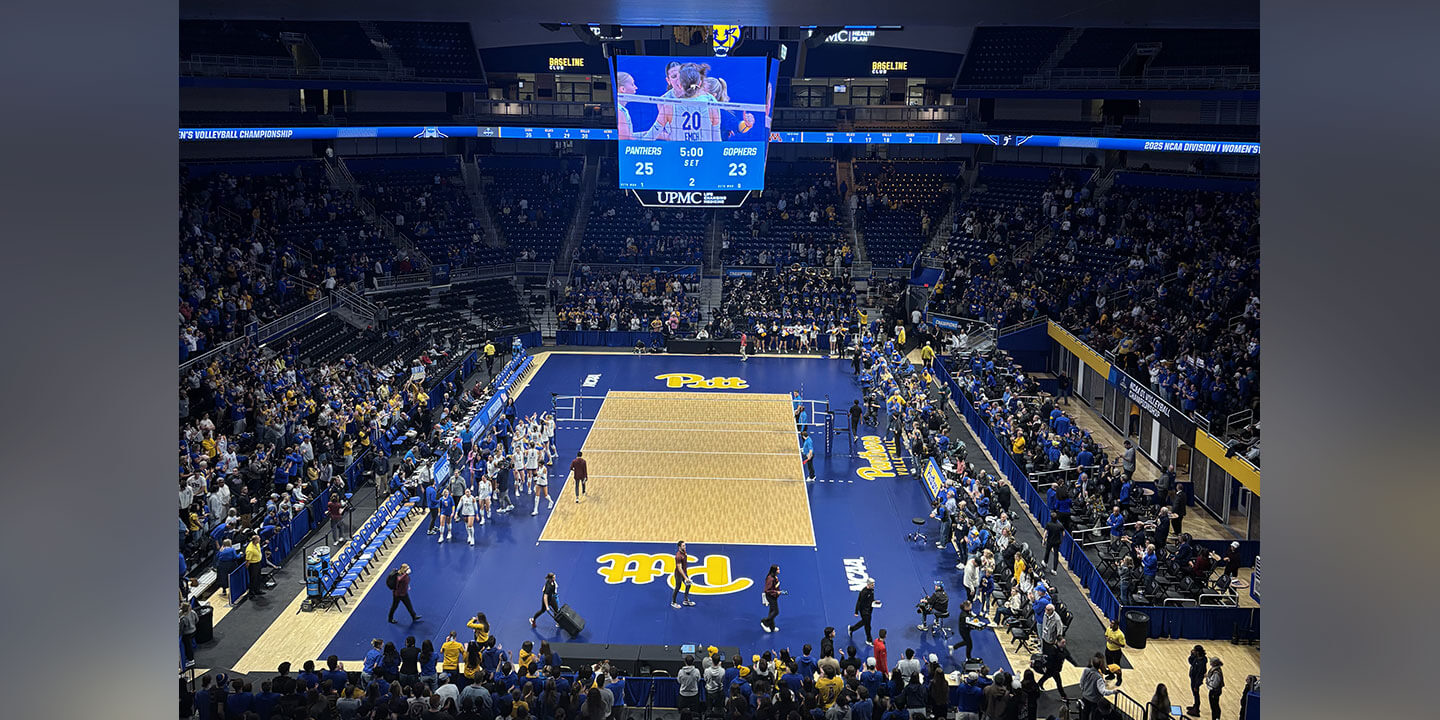
  • The scene shows a college volleyball match in a large indoor arena.

    Behind the Scenes in College Athletics

    Jordyn McLinnahan

    For some college students, sports are a quintessential part of their college experience. The lights, the action, and the warm feeling of unity within the crowd create an unforgettable atmosphere. For those students that want to go behind the scenes, here’s what it takes to contribute to the college athletics experience.

    Taking the First Step

    In high school, I played volleyball and managed my school’s first men’s volleyball team. I have always had a knack for working behind the scenes in sports and wanted to continue that in college as a first-year student.

    I was not sure how to get involved with college athletics, but I knew it was a passion of mine. This was especially true since I was pursuing a sports management certificate.

    One day, I saw an email about getting involved in athletics at the University of Pittsburgh. The opportunity that caught my eye most was the ticketing office assistant role. As a finance major, I wanted to learn about the financial side of athletics, as my goal is to work in a corporate setting for athlete entertainment.

    From Fan to Insider

    Once I got the job and the school year started, I immediately gained hands-on experience. In this role, I worked in ticket sales, customer service, and ticket scanning at a variety of sports games. This gave me direct experience interacting with fans on game day.

    I also helped handle customer ticket issues during games, which taught me how to problem-solve quickly in a fast-paced environment. I held weekly office hours where I assisted customers over the phone with ticket purchases, questions, and concerns.

    While working at different sporting events, I met other students with various roles in the athletics department. This showed me the many opportunities in the sports industry, such as marketing, game-day operations, media, broadcasting, and team management. The list goes on; if you’re interested in sports, there is a niche for you.

    Opening Doors Through Athletics

    Working in college athletics has opened many doors for me. It has allowed me to do cool things I would not have been able to do otherwise.

    For example, our Division I women’s volleyball team was one of the top teams in the NCAA this past season. Through my job, I had the honor of working at the Sweet 16 tournament hosted in Pittsburgh, an opportunity my younger self would have dreamed of.

    If you’re interested in sports, just reach out. Email the athletic department or send a direct message to a team’s social media page. You never know the amazing opportunities you’ll get to experience.

    Do you have a compelling story or student success tips you’d like to see published on the Pearson Students blog?  If you are a college student and interested in writing for us – click here to pitch your idea and get started! 
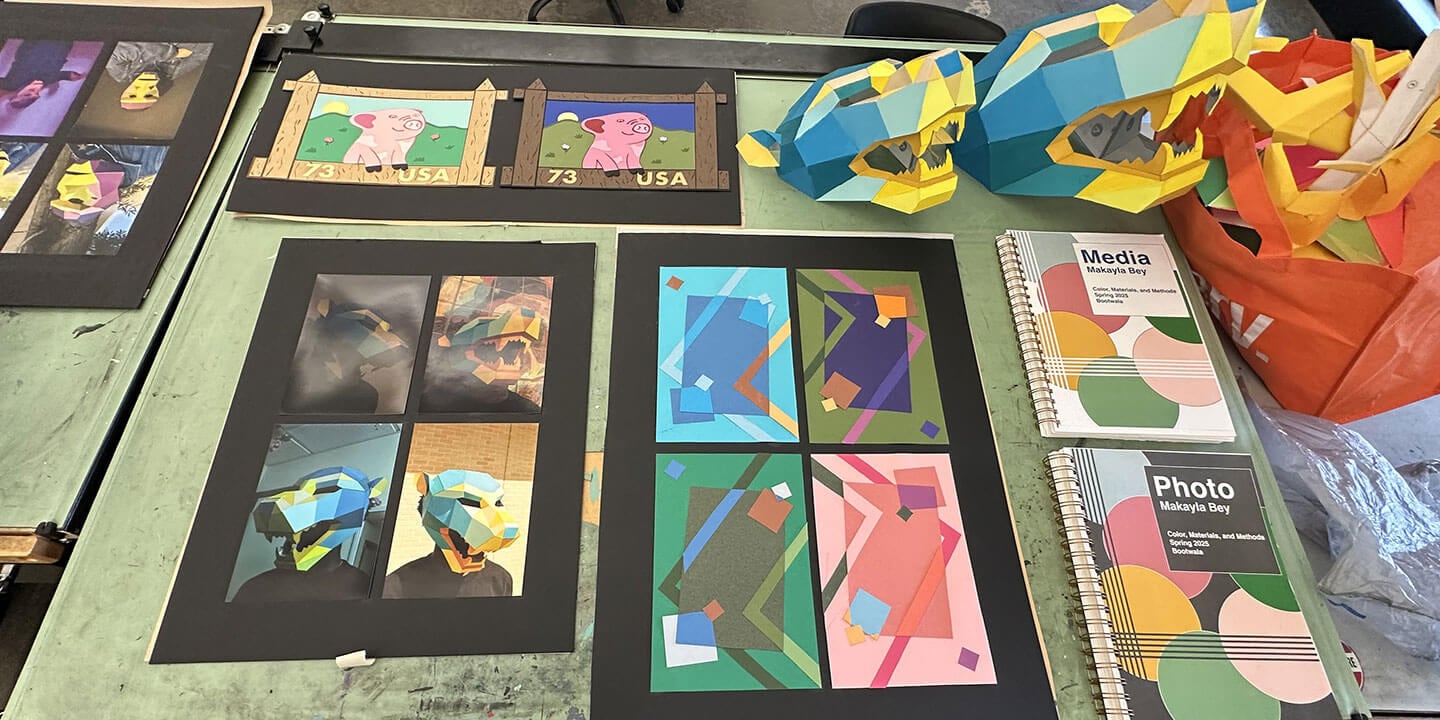
     

  • A student’s colorful art portfolio is displayed on a table most likely in an art studio or classroom.

    Life as an Art Student

    Makayla Bey

    In college, there is a wide variety of schools within a single university. Each has its own majors, stereotypes, challenges, traditions, and norms.

    However, we rarely hear about the unique quirks woven deep within each school. As a sophomore art student, I want to move beyond the stereotypes of art school and share a few unique qualities I’ve learned about my school.

    Long Classes and Critiques

    The first thing I noticed about the art school was how long the classes are. Typically, a studio art class at my university is three hours long. This time is used for working on projects in the studio, collaborating with classmates, observing art demonstrations, and much more.

    Another common practice in the art school is holding class critiques. These are days when we present our projects to the class and explain the process, any challenges, the meaning of the work, and other details. In return, we receive feedback from peers and professors that helps refine our techniques, strategies, and artistic presentation skills.

    A Living Studio

    In the art community, displaying artwork is just as important as the process of creating it. It is very common to see flyers for student-run gallery shows all over the walls. There are gallery rooms located throughout the building that are open for students to display their work for a few weeks at a time.

    It is inspiring to see these exhibitions while walking to class. Another thing you commonly see around my art school, in particular, is graffiti. Although it’s not typically legal to vandalize a building, art students are encouraged to use the entire building as a studio.

    Students are usually allowed to work on projects around the building during or outside of class. Marks and messes left from past projects in the hallways are turned into artwork through an unspoken collaboration. This gives students the freedom to create through improvisation and provides a safe space to express themselves, no matter how messy it gets.

    Curriculum and Creative Clutter

    As an art student, I follow a curriculum designed to expose me to multiple art mediums and different ways of creating. For example, everyone has to take the fundamental courses in each art medium within the school. This allows students to build a portfolio of artwork needed for the midway review system, known as the Block Review at my school.

    What happens to all those random art supplies and projects students collect over time that they may never use again? My school has lengthened the life cycle of these items through pop-up events where students can sell old projects and supplies. They can also donate scrap materials and tools to the art center.

    The Big Picture

    Long classes, critiques, and creative messes are just a few of the qualities that define life in art school. It’s more than just learning to draw or paint; it’s about being immersed in the world of art.

    This perspective has taught me to find creativity in the everyday, practice creative problem-solving, and constantly refine my techniques. Ultimately, art school is a space that encourages students to make their mark, and I can’t wait to see what else it has to offer.

    Do you have a compelling story or student success tips you’d like to see published on the Pearson Students blog?  If you are a college student and interested in writing for us – click here to pitch your idea and get started! 
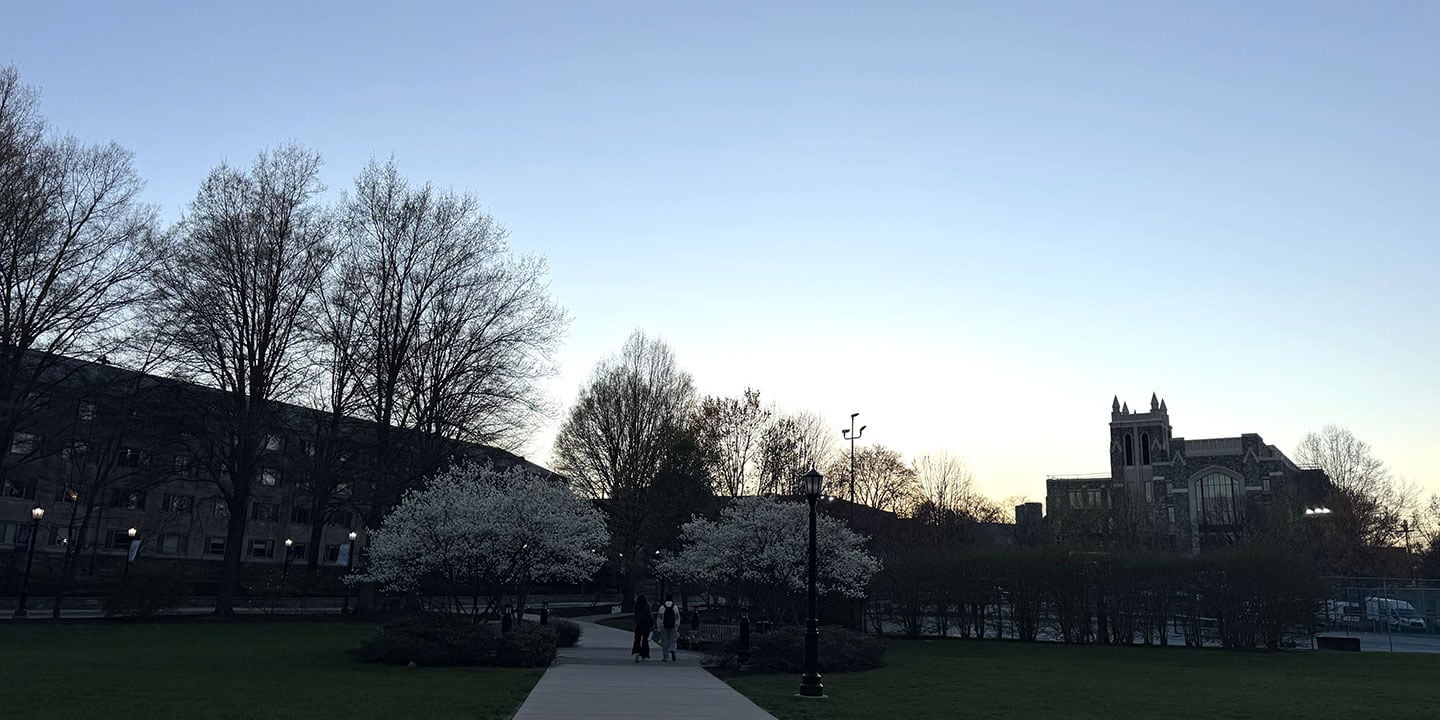
     

  • An almost deserted college campus at sunset with two people walking down a campus path.

    Savoring Senior Year

    Cara Murdock

    The college experience comes with high expectations, but I was skeptical at first. It was hard to imagine it topping my high school experience, where I had wonderful friendships, volleyball, gymnastics, and teachers who made classes enjoyable. I was sad to leave my home, family, and friends.

    If only they could see me now! Four years later, I feel the exact same way about leaving college, but to an even greater extent.

    The Gift of Time

    College has taught me so much about myself and who I want to be. It granted me the freedom to make my own choices. I was able to sign up for activities I was interested in and take classes I truly cared about.

    College also gave me the gift of time—more free time than I might ever have again. I have taken this opportunity to fill my schedule with as many activities and events as possible. Now that college is ending, the question I’m asked most often is how to best soak in senior year.

    Memories in the Making

    With just two months left, I find myself trying to fill every opening in my schedule. Between classes, I am scheduling coffee dates or lunch with friends. I have even gotten involved in all the spring intramurals: sand volleyball, softball, and tennis. I am even attending meetings for clubs that I wanted to join but never previously found the time for.

    Though I have enjoyed these planned activities, I’ve had a realization. The casual roommate time before bed, chatting on the stairs while we get ready, is what I will miss most. The best memories were made in those moments with friends when it just happened.

    Savoring the Final Weeks

    To enjoy these last couple of months to the fullest, I am going to try to be as present as I can be. I plan to have more nights in with my friends where we play cards, sit around, and just make each other laugh.

    I also plan to do the bucket list activities I haven’t gotten to yet, like visiting a neighboring city for the day and checking out the Rocky Steps.

    My final advice is this: spend time with your best friends, make a bucket list if you haven’t already, and check off every last item!

    Do you have a compelling story or student success tips you’d like to see published on the Pearson Students blog?  If you are a college student and interested in writing for us – click here to pitch your idea and get started! 

     

  • A college football stadium filled to capacity at night with fireworks exploding over the end zone.

    Prepping for the Dual Degree Storm

    Allison Yucht

    Completing a college degree is a huge achievement. Completing two can feel like enduring hurricane season each semester.

    The ‘model semester’ may be a perfect fit for one major. But creating a flawless combination for two can become a whirlwind of conflicting deadlines and priorities.

    However, you can weather this storm. Organization becomes a shutter against the chaos, and putting in extra effort from the beginning will provide a margin for error when you face the strongest winds.

    Charting Your Course

    Before starting a dual degree, think about why you want to pursue it. Will this benefit you in the job market? Do you have the time and headspace to take on two degrees in four years?

    Will your degrees overlap? Or will this path cause complete exhaustion and burnout, and leave you stranded after graduation? Will you have the opportunity to showcase both degrees, or will you just have two plaques on the wall?

    Finding the Silver Lining

    The forecast for a dual degree includes plenty of challenges. However, it also promises an abundance of opportunities. A dual degree can showcase hidden talents that might not otherwise have the chance to shine through.

    I came in as a political science major, a degree full of analysis and lengthy readings. Adding a major in marketing, however, allows me to showcase my creative side and problem-solving skills.

    I initially thought I wouldn’t want to hone these skills, especially since marketing stems from a business degree. Business degrees originally seemed boring to me, but this new path has been inspiring and allows me to see the full expanse of possibilities I could pursue.

    Both degrees combined create a clearer path to what I want to accomplish. I am on track to attend law school and study business law. These two degrees combine to give me the greatest opportunity to achieve my future goals.

    Expanding Your Horizons

    Dual degrees also increase opportunities for real-world experience, which is a major distinction in a pile of résumés. One degree provides a narrow channel for internships. Having two opens up multiple currents, or a potential crossover.

    Is a dual degree a challenge? Absolutely. But the reward is more than just two diplomas to hang on a wall. It’s the discovery of what you’re capable of when you connect different parts of yourself. You learn to synthesize ideas, manage complexity, and ultimately, build a more versatile and confident you.

    Do you have a compelling story or student success tips you’d like to see published on the Pearson Students blog?  If you are a college student and interested in writing for us – click here to pitch your idea and get started! 

     

  • A laptop surrounded by papers, a notebook, a tablet, and pens lit by blue light suggesting a late-night study session.

    The "Perfect Student" Trap

    Cameron Spence

    For as long as I can remember, I believed that being a “good student” meant being a perfect one. Straight A's weren’t just a goal but a rigid expectation I set for myself. Anything below an A felt like failure, no matter how much effort I put in.

    I felt pressure to be involved in everything from clubs to leadership roles—anything that would “look good” on my résumé. From the outside, it looked like I had everything together. In reality, I was overwhelmed and constantly afraid of falling short.

    My biggest fear wasn't something rational, like heights or spiders; it was failure.

    When Perfection Becomes Pressure

    Looking back, no one ever told me I had to be perfect. I put that pressure on myself. As an only child and a lifelong overachiever, I felt I had to keep that standard going no matter what. I thought I had to be the example for my family and for the future I was trying to build.

    That mindset stuck with me through high school and into my first year of college. It started to take a toll on me. I struggled with anxiety and depression because I tied so much of my worth to my grades.

    If I wasn’t doing well at everything, it felt like I wasn’t doing well at all.

    From Perfect to Purposeful

    The pursuit of perfection is never-ending. I found myself saying yes to every opportunity, not because I genuinely wanted to participate, but because I thought I had to. I believed that the more I did, regardless of my interests, the more successful I'd be.

    Instead, I spread myself too thin. I was involved in so many things that I couldn't fully dedicate my time to any of them.

    Over time, I realized that doing everything is not the same as doing everything well. Being part of one or two organizations you truly care about is more fulfilling. It’s far better than being part of ten organizations you don’t have time for.

    Success isn't about filling your calendar; it’s about how deeply you engage with what matters to you.

    Choosing Growth Over Perfection

    One of the most important lessons I’ve learned is that growth matters more than perfection ever will. Perfection leaves absolutely no room for mistakes, and without mistakes (and failure), there is no wisdom gained. When I started altering my mindset toward something more realistic, I allowed myself to see challenges differently.

    A grade below ninety did not mean I failed; it meant I had an opportunity to improve. Not being involved in everything did not mean I was falling behind, but rather that I was being more intentional with my time.

    A high school counselor once told me: “Everything will be okay in the end, and if it is not okay yet, then it is not the end.” That doesn’t mean you shouldn’t put effort into what you do, but it does mean that you should take a step back and breathe. It reminded me that my journey does not have to be perfect to be meaningful.

    Progress is not always linear, and that’s okay.

    Success Comes from Growth, Not Perfection

    Being the “perfect student” isn’t what leads to success. Growth and self-understanding do. It is okay to set high standards for yourself, but it is just as important to give yourself grace.

    You are allowed to make mistakes and to rest. In the long run, those who thrive are not the ones who chase perfection; they are the ones who learn to grow.

    Do you have a compelling story or student success tips you’d like to see published on the Pearson Students blog?  If you are a college student and interested in writing for us – click here to pitch your idea and get started! 

     

  • An organized, modern desk with a large monitor, keyboard, mouse, surrounded by a desk lamp, a cup, notebooks and pens, a phone, headphones on a stand, a plant, and a stack of books.

    Why College Is the Perfect Time to Experiment with Technology

    Kohle Nash

    Your early adulthood is often described as a time for exploration. College is one of the best environments to experiment with new ideas, especially when it comes to technology. For many students, technology is something they use every day for assignments, communication, and entertainment.

    College is also a space where students can move beyond the basics of technology. They can begin exploring how it works, how it shapes industries, and how it can be used creatively.

    Access to New Tools

    With tools for coding, AI, music production, and digital design, students can create in days what used to take months. A student might start by using technology only for homework. Along the way, they could discover a new interest in web design, data analysis, or digital media production.

    Low-Risk Exploration

    This experimentation is important because early adulthood is one of the few times in life when trying new things comes with relatively low risk. In college, students are encouraged to explore ideas, take courses outside of their comfort zones, and work on projects that help them discover what they enjoy.

    A business student might develop an interest in technology through data analytics. Meanwhile, a music student could experiment with production software or digital marketing.

    From Project to Portfolio

    Another interesting aspect of technology in college is how it allows students to build things that reflect their personal interests. Instead of just studying theories in class, students can create real projects. This might include launching a blog, building a website, starting a YouTube channel, producing music, or developing a small app.

    These projects often start as experiments but can grow into portfolios that show employers a student's capabilities.

    Connect and Collaborate

    Technology also allows students to connect with communities that share their interests. Online forums, social platforms, and digital communities make it easier to collaborate, ask questions, and learn from others. A student interested in programming can learn from developers worldwide.

    Likewise, someone passionate about digital media can connect with creators who share tips and ideas. These connections can lead to mentorship, collaboration, and even career opportunities.

    Discover Your Passion

    What makes this stage of life unique is that students are still figuring out who they are and what they want to do. Technology is a tool that helps them explore those possibilities. Instead of waiting until after graduation to try new things, college students can start experimenting now, learning through trial and error.

    Your time in college is not just about preparing for a career; it is about discovering what excites you. By experimenting with technology during college, students can uncover new passions, develop valuable skills, and create opportunities that might not have been possible otherwise. Sometimes the most meaningful career paths start with simple curiosity and the willingness to try something new.

    Do you have a compelling story or student success tips you’d like to see published on the Pearson Students blog?  If you are a college student and interested in writing for us – click here to pitch your idea and get started! 
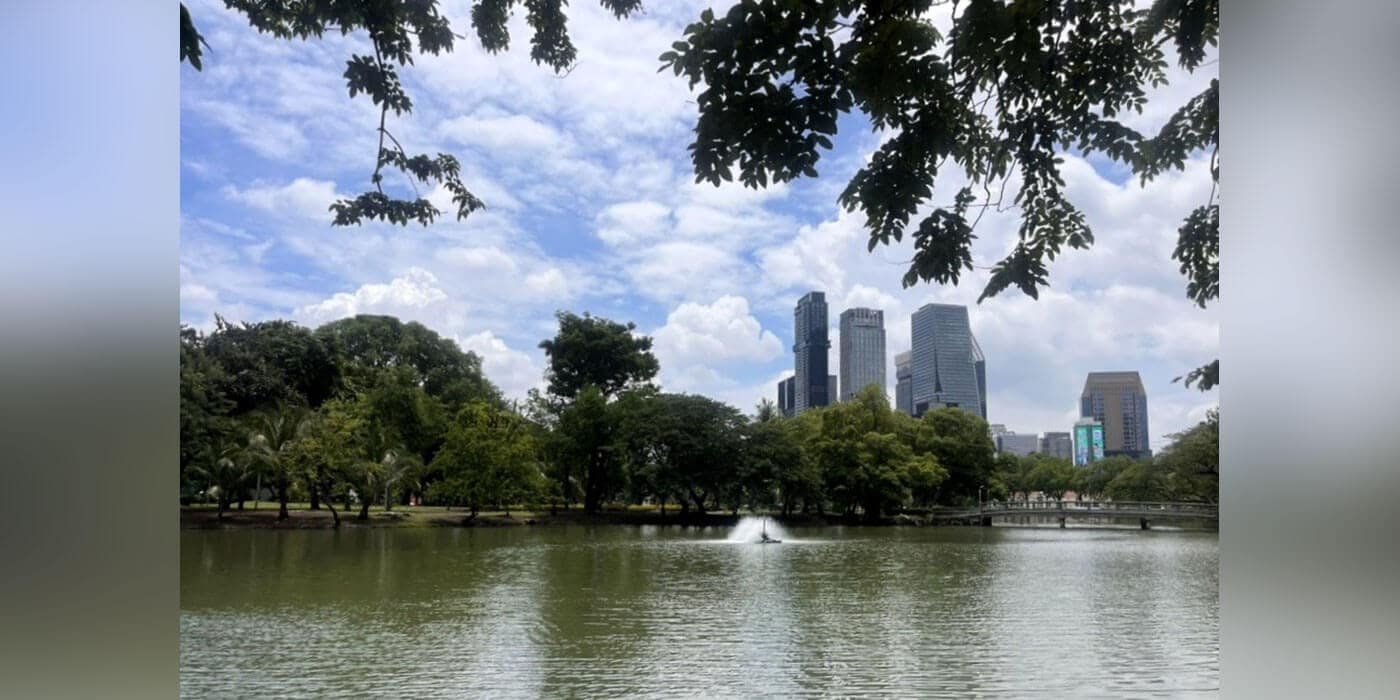
     

  • A pond with a fountain in the center and a cityscape in the background.

    Nourishing My Roots in College

    Annelise Ott

    Trips to Thailand

    I have been lucky to visit my maternal grandparents in southern Thailand every few years since I was a baby. They were born and raised in Trang, near famous islands like Phuket and Krabi, and lived in the United States for about thirty years before moving back to Thailand when my mother was in college. Staying in touch with them has been a great way to connect with my nonwhite heritage, which was a challenge while growing up in a ninety-eight percent white town on the South Shore of Massachusetts.

    Expanding My Horizons

    When I visit Thailand, I’m reminded that the world isn’t ninety-eight percent white, and it’s comforting to be surrounded by people who look like me. This feeling is why the University of Massachusetts at Amherst was a great choice for me. Its student population is much more diverse than my hometown, where microaggressions sometimes competed for my attention in school.

    The campus offers many affinity clubs, such as the Thai Student Association, the Asian American Association, and three Asian American sororities and fraternities. There’s also a renowned Ethnic Studies department named after W.E.B. Du Bois, a native of Massachusetts. I feel confident in my academic environment, among educated peers who celebrate differences and all cultures.

    A Future with Perspective

    This supportive environment is why my college experience is so important to my cultural identity. I know my college life is somewhat sheltered and doesn’t reflect the greater “real world,” but I’m learning the tools and knowledge I need to thrive in a world that isn’t always so enlightened. As a Public Health and French double major, I’m also getting in touch with the French side of my identity and hope to one day study abroad in a Francophone country.

    My ultimate goal is to pursue a public health career, perhaps in medical device sales in France. I feel blessed to be at a large public university where the student population is so diverse. In just my first two years, exposure to a variety of people has given me more perspective than I could have imagined, preparing me for a future with a global point of view.

    Do you have a compelling story or student success tips you’d like to see published on the Pearson Students blog?  If you are a college student and interested in writing for us – click here to pitch your idea and get started! 
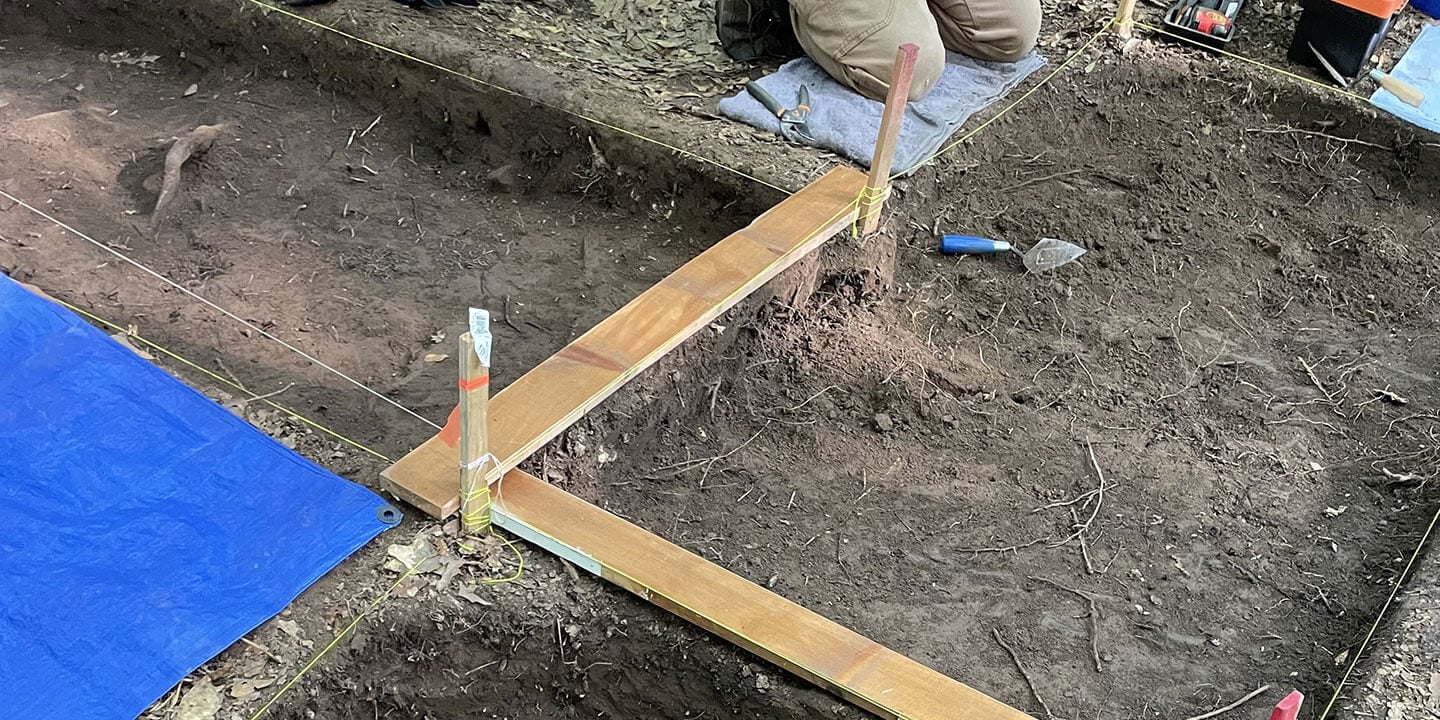
     

  • An active archaeological dig site divided into sections by stakes and string with someone kneeling in front of a trowel.

    How an Archaeological Field School Unearthed More Than Artifacts

    Lily Butler

    When I signed up for a summer archaeological field school, I was just fulfilling a requirement and earning extra credits. Of course, the experience sounded exciting, but I didn’t expect it to reshape my entire college journey. For two weeks, I joined a student team at an archaeological site in my state, and we spent our days digging, documenting, and uncovering fragments of local history.

    The Real Meaning of “Hands‑On Learning”

    Unlike a sterile lecture hall, the field school meant camping out, getting our hands dirty, and crouching in the soil all day. It was the first time I could apply what I’d been learning instead of just studying it. We learned to map units, excavate properly, screen the soil, and assess artifacts, all while fighting off mosquitoes and camping in the rain and sweltering heat.

    Working on this site also gave me a tangible connection to local history. We unearthed a variety of artifacts, including a large number of ceramic sherds, nails, a buckle, a sewing needle, and even a curry comb (used for grooming horses). Seeing how classroom lessons translated into a real-world project made abstract ideas hands-on and concrete, and I realized that I was practicing a potential job skill.

    Growth Without a Grade

    Personal growth was just as significant as the historical insights and technical skills we gained. Trying to learn while enduring the heat, bugs, and impossible-to-wash-off dirt certainly builds character. Living and working so closely with my classmates 24/7 also built lasting friendships.

    We dug side by side for eight hours a day, prepared communal meals, and chatted around the campfire in our free time. By the end of the two weeks, I knew them and myself better than I had ever imagined.

    Adventure Doesn’t Require a Passport

    That summer course became a highlight of my college experience. It connected academics, career exploration, personal growth, and a deeper appreciation for home. Field school also taught me that you don’t have to study abroad or travel very far to have an adventure; sometimes the most eye-opening experiences happen close to home.

    The Real Takeaway: Applied Knowledge

    My field school experience is a perfect example of how learning can be hands-on, collaborative, and personal. Stepping outside your comfort zone to find challenging opportunities can help you grow in unexpected ways. Education doesn’t stop at the classroom door.

    But why should this matter to a business or a chemistry major? While grades and credits are important, college is about gaining applicable experience. The ability to put theory into practice is the most valuable skill you’ll gain in college, regardless of your major.

    Do you have a compelling story or student success tips you’d like to see published on the Pearson Students blog?  If you are a college student and interested in writing for us – click here to pitch your idea and get started! 

     

  • A neatly arranged desk setup featuring an open book; a pen holder filled with colorful pens, sticky notes, books, a phone, a pen, and two stacked books.

    The Impact of a Language Class

    Madeline Ognacevic

    Starting college is overwhelming. You’re surrounded by new people, clubs, and endless academic possibilities. It’s exciting, but it’s a lot.

    At eighteen, you’re expected to have your life figured out, which is terrifying. Most students I know have questioned their major at least once, if not five times.

    That’s normal. Changing your major or exploring a new field doesn’t mean you’re lost; it means you’re figuring out who you are.

    If you had told my first-year self I’d graduate with a Spanish degree, I would have been shocked. But learning a second language was one of the best decisions I’ve ever made.

    Finding My Path

    When I first got to Marquette, I was majoring in Criminology and Law Studies. After my first semester, I became passionate about Social Welfare and Justice, so I switched majors. Shortly after, I realized my career options were limited, so I made it a minor instead and brought back my Criminology major.

    Fast-forward to sophomore year, and I found myself drawn to Psychology, so I decided to add it as a minor. When I needed one more class, I saw “Spanish 1003” and thought, “Why not?”

    That decision changed my academic path. By junior year, I was a Criminology and Psychology double major, but I kept the Spanish minor simply because I loved it.

    Language programs are often small, which made my experience special. My professors know me by name and genuinely care about my well-being.

    Every class felt personal, and I formed relationships with each professor. That connection gave me a community on a large campus that I didn’t realize I was missing.

    Spanish Tutoring for Service Learning

    Learning Spanish opened unexpected doors. A junior-year class offered Service Learning, so I chose to tutor Spanish at St. Joseph’s K-12 School in Milwaukee.

    I tutored two sixth-grade boys who had just moved from Mexico. They spoke little English and were in all-English classrooms. The school’s students were from predominantly Latinx households, but with only one bilingual aide, the need for support was huge.

    Each week, I spent two hours with them, practicing English and working on homework. Helping bridge that language gap for those kids was my most rewarding college experience.

    That experience taught me that learning a language isn’t just about speaking it. It’s about understanding people, their culture, and their struggles. It’s a window into another’s world.

    Self-Development and Community

    If you’ve ever considered learning another language, do it. Talk to your advisor or just sign up for an intro class. You never know where it might take you.

    The number of college students taking foreign language classes has dropped significantly in the past decade.[1] This is a trend I hope will change.

    Learning Spanish didn’t just shape my academics; it shaped who I am. It gave me new friends and a new way to connect with people. If you want a class to change your college experience, there’s no time like the present.

    [1] Natalia Lusin, Terri Peterson, Christine Sulewski, and Rizwana Zafer. “Enrollments in Languages Other Than English in US Institutions of Higher Education, Fall 2021.” Modern Language Association. 2023. https://www.mla.org/content/download/191324/file/Enrollments-in-Languages-Other-Than-English-in-US-Institutions-of-Higher-Education-Fall-2021.pdf.

    Do you have a compelling story or student success tips you’d like to see published on the Pearson Students blog?  If you are a college student and interested in writing for us – click here to pitch your idea and get started!