Turning Academic Setbacks into Opportunities for Growth
College can be one of the most exciting times in life, but it can also be extremely challenging. Students juggle demanding coursework, strict deadlines, high expectations, and life-altering decisions; it’s understandable when a college student faces an academic setback.
Whether it’s failing an exam, struggling in a difficult class, or feeling overwhelmed, these moments can feel discouraging. However, many students don’t realize that these setbacks are not signs of failure, but opportunities to grow.
Shift Your Perspective
Experiencing a poor grade can be frustrating, especially when you’ve put a lot of effort into something. Instead of viewing it as a reflection of your abilities and getting down on yourself, view it as feedback.
A bad score can highlight areas where your understanding is lacking. It can also show where your study strategies might need adjustment. Reflecting on what went wrong and why can turn a negative experience into a valuable learning moment.
To bounce back, you must shift your mindset. Avoid being overly critical of yourself. One test, assignment, or class grade does not define your intelligence or future.
Instead, focus on what you can control. Create an improvement plan. This could mean dedicating more time to studying, seeking a tutor, or trying new learning techniques.
Prepare Proactively
Preparation is an important factor when facing challenging coursework. Instead of waiting until you fall behind, take a proactive approach.
Review course materials regularly, stay organized, and break large tasks into manageable pieces. Developing a consistent study routine can make a significant difference.
I’ve made the mistake of cramming the night before an exam too many times. Spacing out your studying over several days will improve retention of the material and reduce stress.
Use Your Resources
Another way to overcome academic challenges is to use the resources available. Many students, including me, hesitate to ask for assistance, but professors, teaching assistants, and tutoring centers are there for a reason. Attending office hours or joining study groups can provide clarity on difficult concepts and offer different perspectives.
Adjust Your Study Habits
Adjusting study habits can also lead to better outcomes. If your current approach to studying isn’t working, trying something new may help.
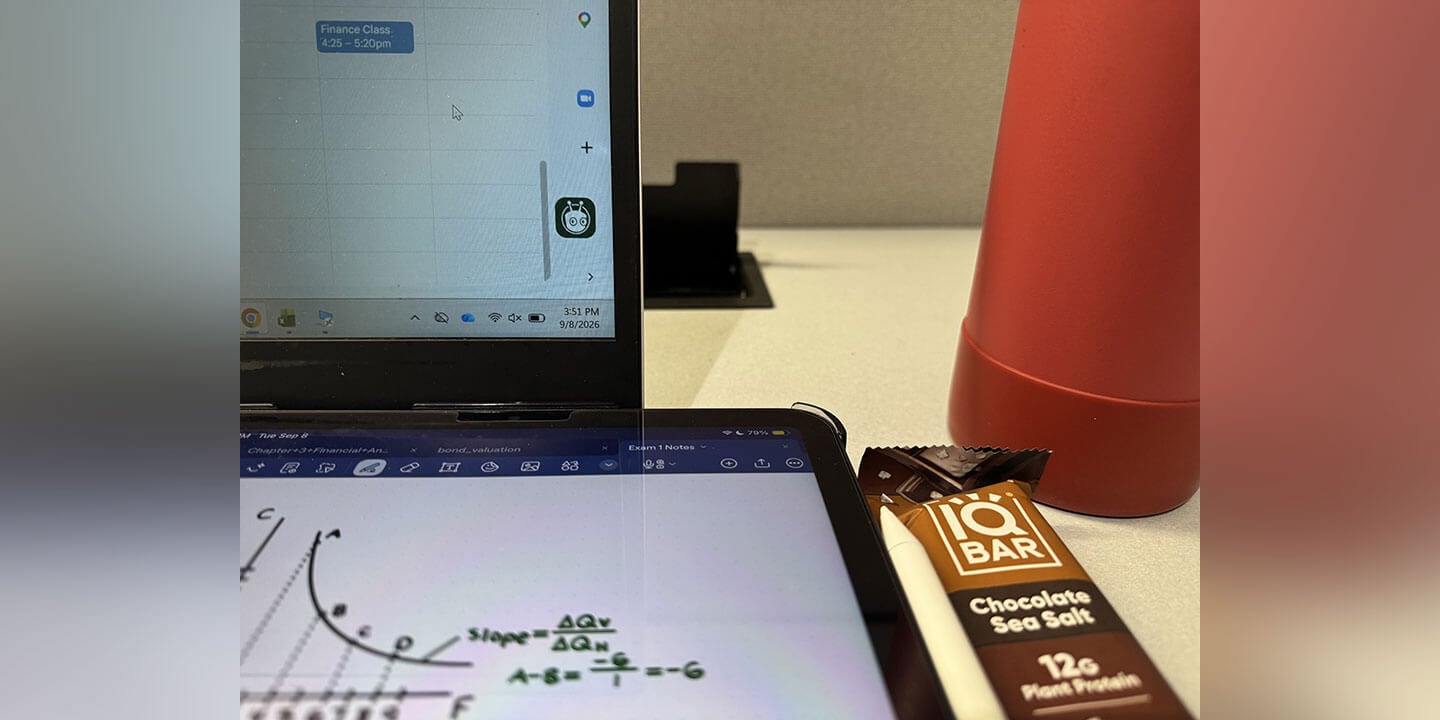
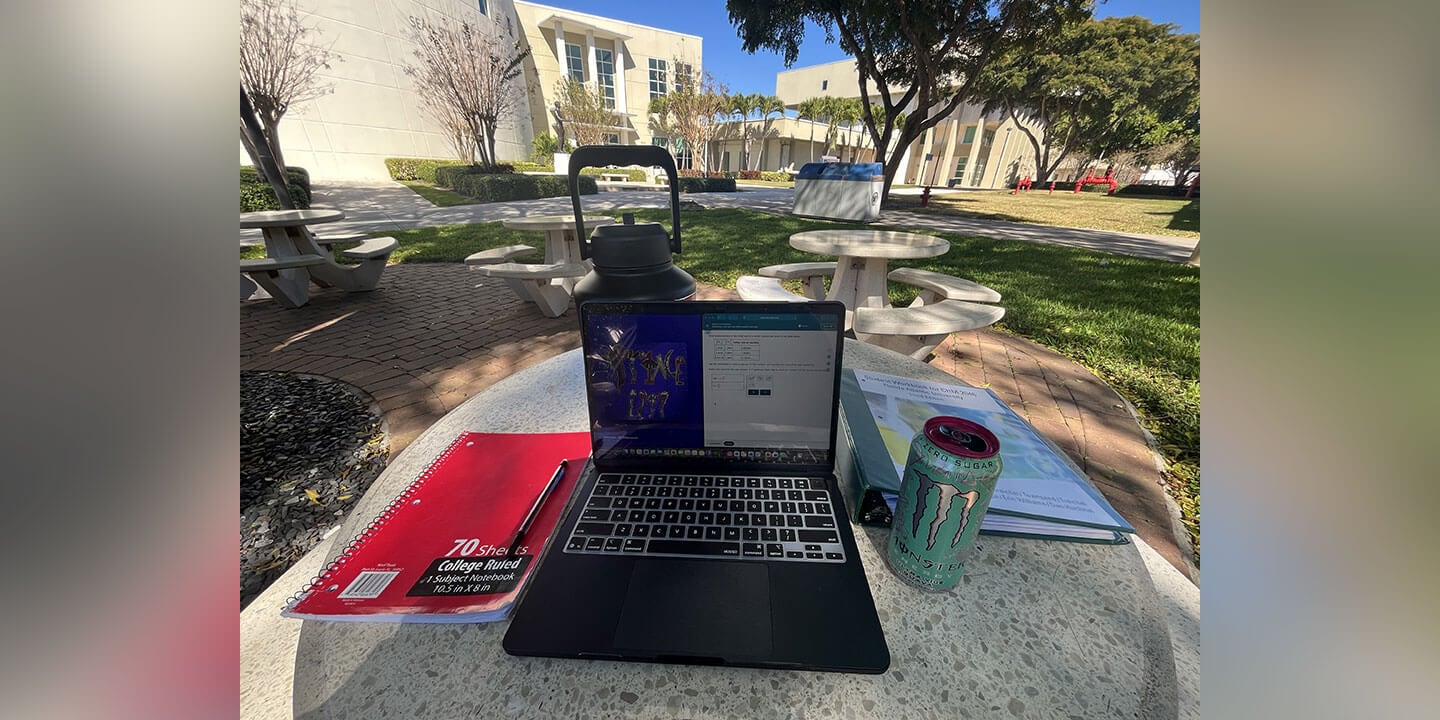
For me, it was changing my study setting. Finding new areas to do my work gave me a change of pace, and different settings made studying less boring.
You can also adjust your study habits with active learning strategies. Try working through problems, writing summaries, or teaching the material to someone else, which is more effective than just rereading notes.
Build Resilience
The most important lesson from academic setbacks is resilience. Learning to handle disappointment, adapt, and move forward is a skill that extends beyond the classroom. It allows you to grow as an individual.
Life will always present challenges, and developing the ability to persevere is essential for long-term success. Maintaining a positive outlook is crucial.
It’s easy to feel like a single failure is the end of the world, but it’s just a small part of your journey. Every successful person has faced setbacks; their response is what makes the difference. Reframing challenges as opportunities to learn and grow can reduce stress and build confidence in your ability to improve.
Academic setbacks are not obstacles to success; they are stepping stones. Embrace them, learn from them, and use them to become a better version of yourself.
Do you have a compelling story or student success tips you’d like to see published on the Pearson Students blog? If you are a college student and interested in writing for us – click here to pitch your idea and get started!
About the author

Silas King
Silas King is a student at Florida Atlantic University studying Exercise Science and Health Promotion with a focus in Physical/Occupational Therapy, and he hopes to become a physical therapist. From Jacksonville, Florida, Silas enjoys sports, music, and playing video games. Silas attended Duncan U. Fletcher High School and received his AICE Diploma. He is working as a Pearson Campus Ambassador at Florida Atlantic University while pursuing a career in the healthcare field.