
Students blog

Explore the latest trends, tips, and experiences in college life in this blog written by fellow students.

Explore posts in other areas.

PreK-12Higher EducationProfessional

  • Selfie of a winking and smiling person wearing a light blue polo and lanyard.

    How to Land a Sweet Summer Internship

    Nia Hajdukiewicz

    Would you like a sweet summer internship that is more than just something to add to your résumé? What if it could help you discover what you’re capable of, help you build lifelong connections, and give you a taste of the career you’ve been working toward? That’s exactly what I found during my summer internship with Hershey Entertainment and Resorts.

    Importantly, landing the opportunity didn’t happen through luck! It took preparation, persistence, and knowing how to make myself stand out.

    Whether you’re dreaming of working for a global brand or looking for an opportunity closer to home, your ideal internship journey starts long before your first day. Here’s how to make your next internship application process a little sweeter.

    Start Your Search Early

    To stand out and make a good first impression, apply early to the internships you hope to join. If possible, start your search during your fall semester, so you can stay up to date on openings and timelines for specific roles. Pay attention to application opening dates, as most companies hire on a rolling basis.

    Need guidance before the selection process begins? Reach out to the company's recruiters for advice, program details, and more. This helps you stand out and makes your name recognizable when the selection process begins.

    The best way to start your research is by checking your school’s job board and searching on websites like Handshake and LinkedIn. By staying ahead of the game, you’ll learn about more opportunities and have more options for where you could intern.

    Find the Right Opportunity

    Don’t be afraid to think outside the box. Your ideal internship might not include specific keywords like finance or marketing in the title, but it might still be structured to help you develop those skills! The best way to find the right fit is to read the details of the day-to-day responsibilities.

    Don’t be afraid to look beyond big-name companies. Smaller companies can provide just as much hands-on experience, sometimes with even more opportunities to make an impact. They may even extend return offers.

    Finally, investigate turning your interests into opportunities! For me, I love traveling, hospitality, theme parks, and trying new foods. I was able to combine those passions into something I got to do every day with The Hershey Company. By working on something I was passionate about, I was able to give my all and be excited to show up to work every day.

    After You Interview

    Follow up and don’t be afraid to do so. A thoughtful thank-you email can help you stay on someone’s radar and keep your name in the hiring conversation.

    No matter how much you want a specific internship, keep applying to others while you’re waiting for a decision. It’s best to pursue multiple opportunities, so you still have a backup if you don’t get the one you were hoping for. You can also use another offer to negotiate with your top choice.

    Don’t let rejection define you! Not every opportunity is for you, and that’s okay. A “no” can be just as beneficial for understanding what to improve next time. Keep persevering and building your skills.

    Final Thoughts for Sweet Success

    Your internship journey won’t always be a straight path, and that’s okay! Start early, stay persistent, and be open to unexpected opportunities. Every application, conversation, and experience is another step toward discovering your path and landing a sweet summer internship!

    Do you have a compelling story or student success tips you’d like to see published on the Pearson Students blog?  If you are a college student and interested in writing for us – click here to pitch your idea and get started! 

     

  • Image shows a large stone Gothic-style church on a college campus in the fall.  A low stone wall, black fence, and a walkway are pictured in front of the church.

    Struggle Isn't Failure: Adapting to College Life

    Joslyn Ramirez

    When I started college, I thought a successful student had everything figured out. This meant staying organized, always earning good grades, and adjusting to the new college environment smoothly.

    After all, I had spent years developing study habits and social skills that worked for me. Why would college be any different? My first year answered that question.

    Resetting My Expectations

    As a nursing student, I entered a demanding academic environment. I was also learning to navigate a new campus, meet new people, manage my own schedule, and live away from home. I realized that many of the habits that had worked before college did not automatically translate into success at the university level.

    Figuring that out was the most frustrating part. By the end, I learned my most important lesson: struggling to adjust does not mean you are failing. Sometimes, it means you just need to adapt.

    Rethinking My Time Management

    Even though I was confident in my time management, college gave that skill an entirely new meaning. There was always a new assignment, exam, meeting, or responsibility waiting. I learned to plan ahead rather than only focusing on what was due the next day.

    Breaking larger assignments into smaller tasks and planning my weeks ahead of time made everything feel more manageable. I also had to remind myself that being productive did not mean filling every hour of my day. Giving myself realistic goals and being self-aware made it easier to stay consistent without feeling behind.

    Building a Support System

    I used to think that asking for help meant I should have tried harder on my own. I saw it as a last resort.

    Professors, classmates, advisors, and campus resources became important to my success. Going to office hours allowed me to ask questions after I sat with a topic. It also helped me become more comfortable with my professors beyond the classroom.

    Forming study groups with my classmates reminded me that I was not the only person struggling with a concept or stressed about an upcoming exam. My perspective shifted to seeing the strength in recognizing when I needed support and taking the initiative to seek it.

    Updating My Study Habits

    One of the hardest things to learn was that studying longer did not mean studying better. When a method was not showing the results I wanted, I had to stop repeating it just because it was familiar.

    I visited my nursing advisors, who encouraged me to experiment with different approaches. This depended on the course and where I noticed myself repeating mistakes. These included practice questions, active recall, reviewing material in smaller sections, and forming study groups.

    By the end of the year, I had learned that effective studying requires understanding how you learn, not defining yourself by the hours you spend studying.

    Making Myself a Priority

    My biggest realization at the end of my first year was recognizing that before I am a student, I am a person. Academics are important, but so are eating, sleeping, spending time with friends, calling family, and occasionally doing nothing.

    The first year of college is definitely a canon event. It’s exciting, overwhelming, humbling, and transformative all at once. You may not be the same student you were when you first arrived. That is the point.

    Redefining Success

    Success in college is not about figuring everything out from day one. Success can be learning a new study method and seeing positive results. It can be walking into office hours to form a connection with a professor, creating a schedule you enjoy, or just making it past a difficult week.

    My first year in college taught me that growth isn't a destination but a process. It begins when you accept that old habits no longer work, and it compounds each time you give yourself the chance to discover what does. That is what success in college really looks like.

    Do you have a compelling story or student success tips you’d like to see published on the Pearson Students blog?  If you are a college student and interested in writing for us – click here to pitch your idea and get started! 

     

  • The photo shows a student inside a University Writing & Speaking Center. A display behind them promotes support for résumés, personal statements, research, brainstorming, and English conversation practice.

    How to Get the Most Out of Your University's Writing Center

    Alexis Ele

    As an English Consultant at my university's Writing and Speaking Center, I've noticed something: students don’t utilize us enough!

    I’ve helped dozens of students with their class essays, whether it’s planning them or editing them in the finest detail. I’ve also had students come in to stay accountable while they work or to ask for my perspective on the personal stories they’ve written. I enjoy these appointments and love building a schedule of regulars.

    This makes me wonder: why don’t more students use this resource? Here are some ways you can get your tuition’s worth and use your university’s Writing and Speaking Center.

    Accountability Partner

    Surprisingly, I’ve had quite a few students come in simply to get some work done. This is a technique called “body doubling,” also known as working alongside someone else to stay focused and accountable.

    If you know anyone who might get you a little too distracted, or you just need a surefire way to sit down and get your work done, my Writing and Speaking Center is a safe space to do so! You can ask the consultant questions at any point, which makes them an even better accountability partner.

    Brainstorming

    It’s a common misconception that students need to come into our center with a full plan or draft for their essays. This couldn’t be further from the truth. Many of my university’s consultants are trained to help students brainstorm, even without anything written on the page.

    The very ideas for the blogs I write for Pearson go through a consultant before anything is written. Sometimes, all you need is someone to bounce ideas off!

    Scholarship and Application Essays

    Scholarship and application essays are common appointments in our university’s Writing and Speaking Center, and it’s no surprise why. Many scholarships are reviewed by an audience that will make judgments about your character, values, and alignment with their program.

    Having a fresh set of eyes on your essay provides unbiased, objective feedback from someone you don’t know. Many of my scholarship applications went through our center so I could understand the first impression my essays made. After making the recommended edits to perfect my applications, I’ve never been disappointed!

    Lab Reports

    Lab reports are a little less common, but they really should be more common. When I wrote my first microbiology lab report, I was unfamiliar with the type of language that many lab reports expect.

    Given my preference for eloquent, sensory, and detailed language, I was taken aback by how objective and straightforward my lab report had to be. I immediately went to my university’s Writing and Speaking Center to learn about the genre expectations for a lab report, and I eventually received a good grade on that paper.

    Interview Practice

    Last but not least, our university’s writing center also often helps students practice for interviews. If your university’s career studio is full, you might be able to rely on your Writing and Speaking Center.

    In addition to writing, these consultants are also trained in speaking, such as with presentations and speeches; interviews fall under the “speaking” umbrella. As with scholarship applications, consultants can give you feedback on your first impression, which may be important to a future employer.

    Use Your University’s Resources

    Haven't used your university's Writing and Speaking Center yet? I hope this article has shown you the unique ways you can use it. Get your tuition money’s worth, and use your student centers!

    Do you have a compelling story or student success tips you’d like to see published on the Pearson Students blog?  If you are a college student and interested in writing for us – click here to pitch your idea and get started! 

     

  • The graphic shows the words The Power of Networking with Professors with a graduation cap, two people, two hands shaking, and the words Building Connections, Creating Opportunities.

    The Power of Networking with Professors

    Kohle Nash

    When most college students hear the word "networking," they likely think of career fairs, LinkedIn, or shaking hands at professional events. Networking can feel awkward or forced, especially when you're still figuring out what to do after college. However, one of the easiest places to start networking is right on campus with your professors.

    As college students, we spend a lot of time around our professors, but it’s easy to only think of them as the person teaching the class. Professors are people with their own careers, experiences, and connections. Taking the time to get to know them can be extremely helpful, both during college and after graduation.

    How to Start the Conversation

    One of the simplest ways to start is by talking to your professors outside of class. This could mean going to office hours, staying after class to ask a question, or even sending them an email. You don't always need a big reason to reach out; maybe you're interested in their career path or want to learn more about an industry.

    Starting a simple conversation can eventually turn into a meaningful professional relationship.

    Unlock Opportunities and Gain Insight

    For example, if you're a marketing student and your professor has worked with different companies, they may be able to give you advice about internships or careers. They might even know someone who is looking to hire an intern or entry-level employee. You never know what opportunities can come from simply making yourself known and showing that you're interested.

    Another major benefit of building relationships with professors is having someone who can give you honest advice. College can be confusing. There are times when students have no idea what they want to do after graduation or whether they are making the right decisions. A professor who knows you and understands your interests can provide a different perspective and help you recognize strengths you didn't realize you had.

    Secure Strong Recommendations

    When you apply for an internship, job, scholarship, or graduate program, you'll likely need references. Having someone who can speak positively about your work can make a big difference. However, it's much easier for a professor to write a meaningful recommendation if they actually know you.

    If you only show up to class, complete your assignments, and leave, your professor won't know you well. They may not have much to say about you beyond your grade.

    Build a Genuine Relationship

    It's also important to remember that networking is not about constantly asking professors for favors. The goal is to build a genuine relationship. Be respectful of their time, ask thoughtful questions, and show appreciation when they help you.

    If a professor gives you advice or connects you with someone, follow up and let them know what happened. That small step can go a long way.

    Recognize Your Untapped Network

    At the end of the day, some of the most valuable connections you make in college may be the people you see every week. Your professors can be more than just the people who grade your papers and give you exams. They can become mentors, references, and connections that help you take the next step in your career.

    So, the next time you're sitting in class thinking about what comes after college, stay for a few extra minutes to talk to your professor. You never know where that one conversation could lead.

    Do you have a compelling story or student success tips you’d like to see published on the Pearson Students blog?  If you are a college student and interested in writing for us – click here to pitch your idea and get started! 

     

  • Image shows a desk with a computer screen with a schedule pulled up, an iPad with a graph showing, an energy bar, and a water bottle.

    How I Turn Small Gaps into Small Wins

    Sammy Chilet

    As a finance major, I have to say it: time is money. College students often focus on managing major blocks of time, but some of the most useful parts of my day are the thirty-to-sixty-minute gaps between my classes.

    I have these gaps almost every day, and because I usually have nowhere else to go, I spend them in the library or outside my next classroom. I used to fill that time by doomscrolling, talking with friends, or watching an episode of a show. Those activities were entertaining, but they did not help when my assignments began piling up.

    Start with a Plan

    I finally changed my routine after realizing how stressed I felt when several assignments were waiting for me at the end of the day. Thirty minutes may not seem like enough time to accomplish much, but it can make a difficult evening easier. Now, during the first two minutes of a break, I check my calendar and the spreadsheet where I track my assignments, identify the highest-priority task, and begin working on it.

    Chip Away at Assignments

    As a finance student, I often use this time to complete part of a homework assignment. Finance problems can be time-consuming, and starting early makes them feel more manageable.

    I may not finish the entire assignment between classes, but completing even a few problems means I have less work waiting for me later. Otherwise, I know I may regret wasting that gap when it is 10 p.m. and an assignment is due at 11:59 p.m.

    Prioritize Your Well-Being

    Not every gap needs to become an intense study session. Sometimes the most useful choice is to grab a protein bar, pretzel chips, a banana, or an apple. Eating something helps me avoid going into my next class distracted by hunger.

    Before an exam, I also avoid overwhelming myself with heavy studying. I might complete a few practice problems, especially ones similar to questions I previously answered incorrectly.

    Once I feel prepared, I stop, take a few deep breaths, and repeat words of affirmation on my way to the exam. In that situation, resetting is more helpful than trying to learn everything in the final few minutes.

    Overcome Your Biggest Obstacle

    My biggest obstacle is my phone. When friends are scrolling or talking, it is easy to follow their lead without noticing how quickly the gap disappears.

    Sometimes I break that cycle by powering off my phone completely. This might sound extreme, but I remind myself that I do not need to see who posted on Instagram or who texted me immediately. The notifications will still be there when I finish.

    Own the Moment

    An in-between hour is not about forcing yourself to work every second. It is about deciding what would help your future self most. Whether you start an assignment, check your calendar, eat a snack, prepare for an exam, or intentionally rest, one thoughtful decision can turn an empty gap into a meaningful win.

    Do you have a compelling story or student success tips you’d like to see published on the Pearson Students blog?  If you are a college student and interested in writing for us – click here to pitch your idea and get started! 
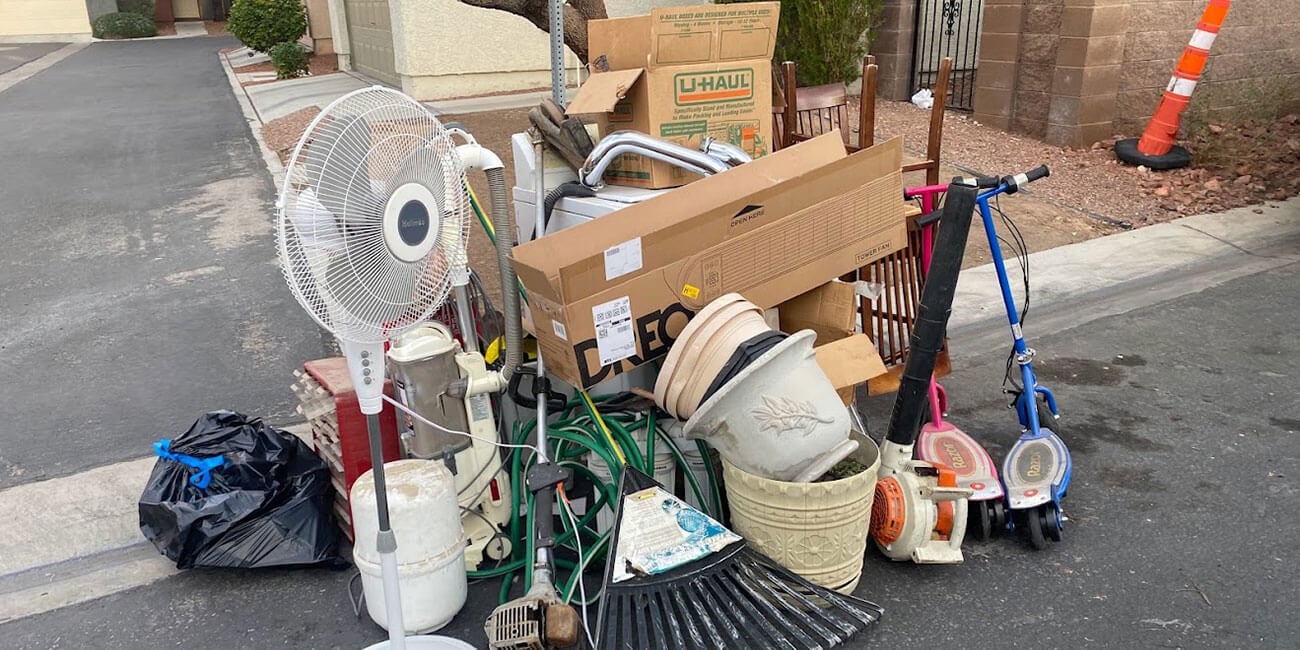
     

  • Image shows a pile of items left at a curb likely trash day for garbage pickup including boxes, a standing, a rake, a leaf blower, two toy scooters, and a trash bag among other items.

    Finding Free Stuff: A College Student’s Guide

    Alexis Ele

    Your college is a gold mine for free things. Believe it or not, I’ve gotten free guitars, scooters, furniture, and even a Roomba. Every time I share these stories, people tell me I’m lucky. The truth is, I’m not lucky; I’m courageous.

    Here are my tips for finding free things to take advantage of on your campus and during your college career.

    1. Capitalize on Move-Out Season

    College students often have a bunch of leftover items after the semester ends. Between people moving in, moving out, and moving away, there is a golden opportunity to take stuff off people’s hands. This can happen through dumpster diving or snooping around the dorms.

    It’s a win-win situation: they want to get rid of things they don’t need, and you want free things. I used this method during dorm move-outs and was able to snag a cowboy hat, tons of organizers, a new Snoopy bed sheet, and a vacuum. My friend even got a mini fridge!

    2. Attend Off-Campus Apartment Events

    One way I get tons of free food is by following the Instagram accounts of apartment complexes around my campus. Off-campus apartments often host free food events or have promotional events to get students to sign leases with them. Some will even offer gift cards if you take a tour of their property.

    Because of this, I went to a rooftop party hosted by a nearby apartment complex. They were giving out free food and holding hourly giveaways. One of these giveaways was for a Roomba. Although I initially came for the food, I ended up leaving with a Roomba as well.

    Take advantage of your college’s local apartment complexes. See if your campus even hosts an off-campus apartment fair.

    3. Shop Secondhand

    When all else fails, shop secondhand. Buying new ensures high-quality, long-lasting items, but sometimes you don’t need them for very long and don’t necessarily need them to be new. This is exactly when buying secondhand is helpful because you can often get items at a discounted price.

    Check out local marketplaces, thrift stores, and yard sales. I got my bass guitar, electric guitar, and amp through Facebook Marketplace. I also got a few computer accessories, including my monitor and webcam. Most items were only used a few times, but they worked as if they were new. Sometimes buying secondhand is all you need.

    Be careful of potential scammers, though; if a deal sounds too good to be true, it probably is. Make sure to verify the seller. Don’t give any personal information unless you’re sure it’s legitimate.

    4. My Top Tip: Just Ask

    Opportunities for free things don’t come if you never ask. Sometimes sellers are very willing to negotiate, and doing so can land you an even lower price on the items you want. Don’t be afraid to get your foot in the door and simply ask.

    Since starting college, I have been able to secure furniture, clothes, and even electronics to decorate my campus apartment, all at much lower prices. Keep an eye out for opportunities and don’t be afraid to ask around. A little courage goes a long way.

    Do you have a compelling story or student success tips you’d like to see published on the Pearson Students blog?  If you are a college student and interested in writing for us – click here to pitch your idea and get started! 

     

  • A pink planner pictured on a table with a pink mechanical pencil and a mint green pen lined up next to it.

    How to Never Miss a Deadline in College

    Olivia Kazak

    No matter what learning platform you use in college, it's easy to have the same fear: forgetting to turn in an assignment. While it may seem possible to remember everything at the beginning of the semester, it’s a lot harder than it seems.

    Between your school's website and the other applications where homework is posted, it's easy to get lost. I was constantly worried I would miss an assignment or an important deadline, but that was before I learned how to maximize my calendar!

    Find the Right Fit

    The first tip to making the most of your calendar is finding what apps or websites work best for you. For me, the apps I like to use most are Apple Calendar and Apple Reminders.

    What I like about them is that they are compatible with each other. This means that when I schedule a reminder, it shows up on my calendar, so I know I won’t miss anything.

    Some other apps that my friends use include Google Calendar and Notion. If you are someone who likes to have a physical schedule, I recommend a paper planner and a wall calendar.

    Color-Coding Your Calendar

    I love to color-code my calendar. I do this by creating a different calendar for each of my classes and extracurriculars.

    In most virtual calendars, there is an option to assign each calendar a color. I give each one a different color, so when I see it on the month view, I can tell what subject it's for. If you are using a physical calendar, you could try using highlighters or different colored pens.

    Study Your Syllabus

    My next piece of advice is to put every single thing from your syllabus onto your calendar. This is the easiest way to ensure that you will never miss a deadline.

    Your professors give you this wonderful document that outlines your entire semester. Use it to your advantage. Doing this as soon as the syllabus is published gives you a head start on a successful semester.

    Keep It Up to Date

    Things change, and deadlines can shift from what they were at the beginning of the year. Remember to regularly update your schedule, so you don’t make decisions based on outdated information. I check my school’s learning platform weekly, making sure to add or delete assignments as they come due.

    It’s also important to add things that aren’t just schoolwork, like clubs, work, or dinner with friends. Having these marked on your schedule gives you a clear view of your upcoming week and what you need to plan for.

    Plan for Future You

    Taking the time to set up your calendar may seem like one more task to manage, but it's the key to a less stressful semester. By finding the right tools for you, color-coding your schedule, and using your syllabus, you can trade that fear of missing a deadline for a sense of control.

    Remember, your calendar is yours. No matter how you set it up, it just needs to work for you!

    Do you have a compelling story or student success tips you’d like to see published on the Pearson Students blog?  If you are a college student and interested in writing for us – click here to pitch your idea and get started! 
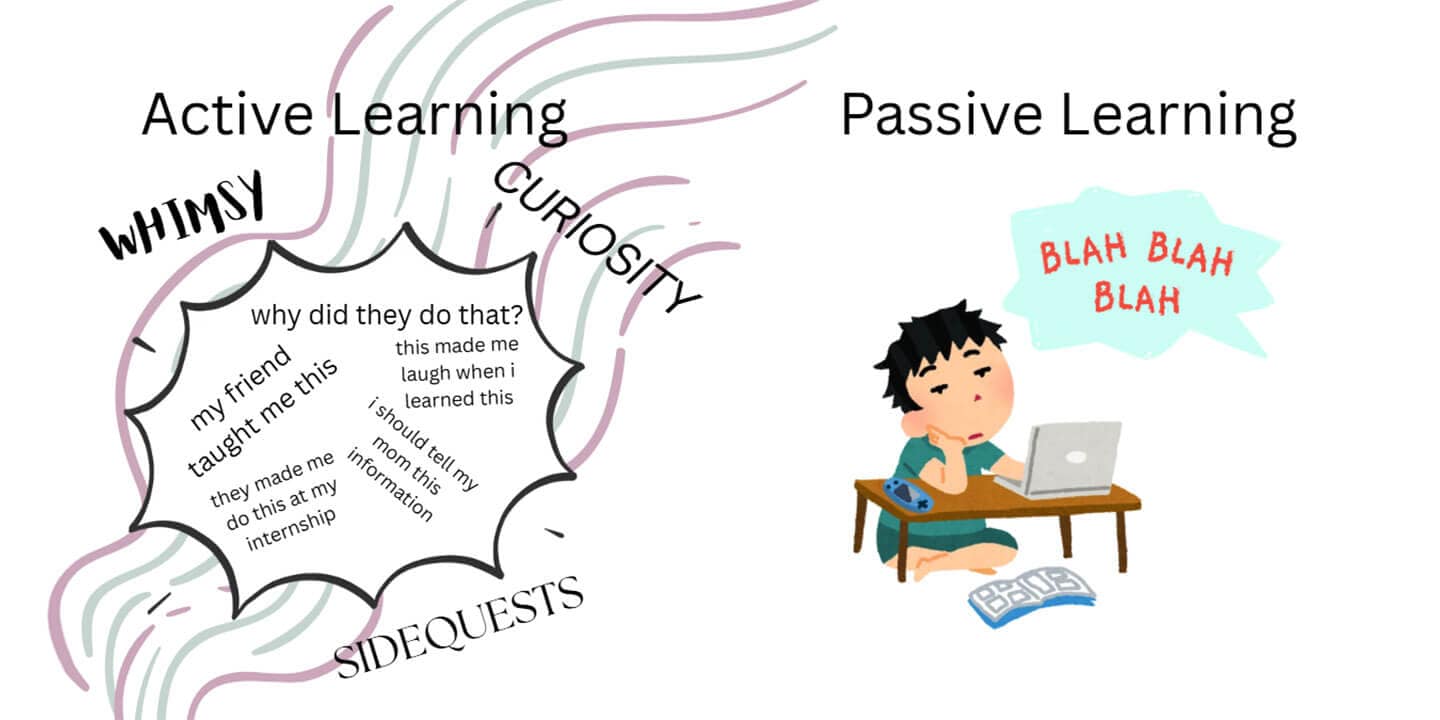
     

  • Graphic showing Active versus Passive Learning. Active Learning is characterized by words and phrases, and Passive Learning shows a bored cartoon boy sitting at a computer.

    The Power of Whimsy, Curiosity, and Side Quests

    Alexis Ele

    Many college students know that intrinsic motivation boosts productivity, but how does it work? And why is it so hard to have intrinsic motivation for classes when all we want to do is get the grade and pass?

    In this blog, I’ll discuss ways to revive our inner child’s excitement for learning. These methods can help transform that excitement into natural productivity. Behold: the power of whimsy, curiosity, and side quests!

    Whimsy vs. Curiosity

    What’s the difference between whimsy and curiosity? Many think of curiosity as figuring out the “why” of things. I like to think of whimsy, on the other hand, as figuring out the “why not?” of things.

    I’ve found that combining these two qualities makes for a fun day-to-day experience, even when I’m stuck on campus all day.

    Taking Side Quests

    You’ve probably heard the term “side quests” before. It’s pretty much as it sounds: missions you go on that stray from your “main quest,” or your typical routine.

    These side quests help me realize that my days are more than just wake up, school, and sleep. They are what motivate me to keep living life apart from academics.

    Harnessing the Power of Whimsy

    As I said, whimsy is my “why not.” It’s what gets me up and going for my side quests.

    Why shouldn’t I accompany my friend on their grocery shopping day? Why shouldn’t I go to the park and watch the sunset? Why shouldn’t I apply for this public speaking competition?

    Many times, you’ll find yourself asking why you should do certain things. Sometimes, it might also be helpful to ask yourself: why not?

    Engaging Your Curiosity

    At the heart of research and innovation is curiosity. Anything you’ve ever wondered has likely been pondered by someone else. They might have even spent their entire lives researching it.

    Curiosity also exists on a smaller scale. It can be as simple as wondering how our bodies react to certain bacteria or how to apply classical conditioning in real life. The more you wonder, the more you learn.

    How It All Connects

    Active learning involves directly engaging with problems, while passive learning, like listening to a lecture, may not have an immediate application. Active learning is often preferred because it helps the brain create and strengthen connections, which improves memory retention.

    According to neuroscientific research, this active engagement enhances synaptic plasticity, a key component of learning.1 This process allows you to engage directly with the material.

    It’s almost like being a little kid figuring out how the world works for the first time. This is where curiosity comes in, prompting you to ask the questions you need to find the right answer.

    Whimsy allows you to engage with the world on a deeper level, which can lead to new side quests. Once you've learned a subject in school, you will likely run into it in real life.

    For example, I had a full-circle moment with my information systems class. Because I chose to apply for an internship with a "why not?" attitude, I was able to apply my knowledge in a real-life opportunity, helping the company improve how they collected survey information.

    Final Thoughts

    These three values—whimsy, curiosity, and side quests—have carried me through my academic career and kept me from burning out. How much curiosity and whimsy are in your life?

    My final advice? Take more side quests!


    1 Janet M. Dubinsky and Arif A. Hamid, "The Neuroscience of Active Learning and Direct Instruction," Neuroscience and Biobehavioral Reviews 163 (August 2024): 105737, https://doi.org/10.1016/j.neubiorev.2024.105737.

    Do you have a compelling story or student success tips you’d like to see published on the Pearson Students blog?  If you are a college student and interested in writing for us – click here to pitch your idea and get started! 

     

  • Image shows a marathon race in progress with runners on the course and spectators lining both sides.

    A College Student's Guide to Marathon Training

    Kathleen List

    Becoming part of the small percentage of people who run a marathon is hard enough. Doing it in college is a completely different challenge.

    Squeezing in long runs before a packed day of classes and feeling hungry 24/7 can be difficult to manage, especially on top of a full course load, club meetings, and all the social opportunities college has to offer. However, with the right support system and unlimited dining hall access, college can be the best time for marathon training.

    Running 26.2 miles may seem daunting, but it was the highlight of my sophomore year. I could not have done it without these tips!

    1. Find a Training Partner or Join a Run Club

    I did all of my long runs with one of my best friends, which made twenty miles feel like nothing. We would spend hours debriefing our weeks and talking about our plans for the future.

    I also participated in my school's running club and did all of my shorter runs and workouts with them. Running with people not only helps the time fly; it is also a great bonding experience.

    2. Take Advantage of Your Dining Hall

    My school required students to be on the unlimited meal plan for at least two years. This was great for marathon training, as I was constantly hungry. I ate four full meals a day plus snacks, all compliments of my dining hall.

    The dining hall also had Rice Krispies Treats, which I always ate on my long runs for quick carbs and sugar. On my way out, I would always grab a couple of them, plus some bananas and oatmeal.

    3. Plan Runs Around Schoolwork

    Instead of letting my training plan rule my life, I made it fit into the life I already had.

    If I knew I would be swamped with studying on a Sunday, I would do my long runs on a Saturday. If I had a club meeting on Tuesday, I would save my longer workout for Wednesday. Marathon training should not take focus away from your other priorities.

    4. Find Running Routes That You Love

    I found a variety of routes that had different distances, elevations, and sights to see. In my opinion, running is one of the best ways to get to know a city. My runs took me to the Capitol, the outskirts of Maryland, the Potomac River, the Virginia suburbs, and even Ronald Reagan National Airport.

    Having a plethora of running options keeps things interesting and helps with motivation.

    5. Have Fun!

    I always tried to remember that no one was forcing me to run this marathon. It was completely my choice.

    So even when I felt awful on a training run or had a bad case of pre-race nerves, I grounded myself with the reminder that I was privileged to even be able to run, and especially to be able to run in my college city with all of my college friends.

    Running a marathon is an incredible opportunity that I cannot recommend highly enough, and college might just be an ideal time to do it. So lace up your shoes, take some Rice Krispies Treats from your dining hall, grab a buddy, and get out there! You will not regret it.

    Do you have a compelling story or student success tips you’d like to see published on the Pearson Students blog?  If you are a college student and interested in writing for us – click here to pitch your idea and get started!