Students blog

Explore the latest trends, tips, and experiences in college life in this blog written by fellow students.

Explore posts in other areas.

PreK-12Higher EducationProfessional

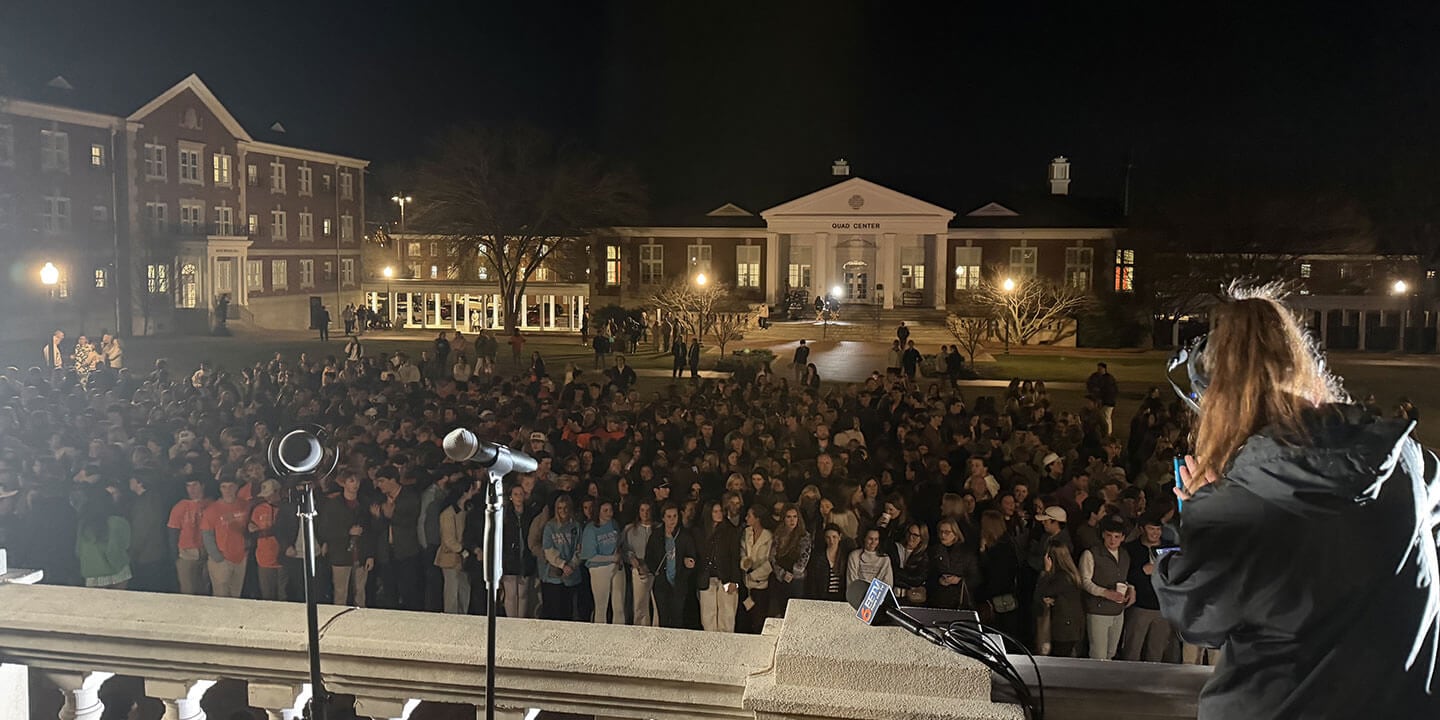
  • A large group of people gathered outdoors on a college campus at night before a speech or gathering is about to occur.

    Embracing Change & Finding Your Place on Campus

    Jonny Koeninger

    I love my school: the town, the weather, and the people. It all feels like a home away from home. However, that hasn’t always been the case.

    A Big Leap to a Big School

    As an incoming first-year student, I was aware of what a huge leap it was in my life, and the town I can now see myself living in forever felt far less comfortable back then. I came to Auburn from out of state without a single friend to a school larger than thirty of my high schools combined.

    Ultimately, a big, competitive school was the right choice for me. That’s not to say a small school isn’t the right option for others—that was my original choice until I made a last-minute leap to a big one. This post is about my experience getting involved at a big school where getting involved is competitive.

    Facing My First Rejection

    As a competitive high school snare drummer, it was my dream to bring my love for drumming to an awesome band like Auburn’s. I worked day in and day out to learn the music and technique. But I simply wasn’t ready for the line, and I got cut toward the end of auditions. In that moment, I realized I wouldn’t have the type of musical support system that had gotten me through high school to ease my transition to college.

    I checked Auburn’s involvement website. I bookmarked everything that interested me and, for the most part, put it out of my mind until after orientation.

    The Search for Connection

    Attending orientation did little to calm my nerves. What if I didn’t make friends, connections, or lifelong memories? Those thoughts ran through my head, and they didn’t ease up in the first few months of school.

    That’s when I decided to go all in on finding what I loved to do on campus. I tried everything from mock trial to jazz band.

    To my chagrin, I kept getting rejected by the places where I thought I had a guaranteed spot. The only organization that extended me an offer was student media, and I had no idea what being a news anchor entailed.

    The Turning Point

    Even with no background in media, I went all in on what I could do. I anchored and worked hard at reporting. By the end of the semester, I had real work to show for it.

    Additionally, I stayed involved with my church and tried to meet as many people as I could. Still, I didn’t quite feel at home yet.

    Christmas break arrived, and I couldn’t wait to go home. But when I returned to school, it suddenly felt different. I had come to love it more than I realized by unknowingly investing in all that I could.

    Love Your School, and It Will Love You Back

    If you love your school, your work, and your life, they will love you back. And that’s all up to you. Thankfully, you’re at a time in your life when you can choose what that looks like for the first time.

    Pursue what you love, and don’t get discouraged when you fall. You don’t have to give up something you love just because you fall once. I never gave up drumming, and now I’m in two bands just for fun.

    That love pays off.

    Do you have a compelling story or student success tips you’d like to see published on the Pearson Students blog?  If you are a college student and interested in writing for us – click here to pitch your idea and get started! 

     

  • Photograph of a sunrise over the ocean with waves breaking on the beach.

    What Summer Activity Are You Based on Your Major?

    Madeline Beavis

    It's finally here: the season of sunshine, long days, and endless possibilities! Summer isn't just a break; it's a whole mood. And just like your college major shapes your academic journey, it can also subtly influence how you soak up those glorious summer months.

    Let Your Major Guide You

    Has your love for calculus ever turned into a meticulously planned road trip? Does your passion for literature tend to lead you to a hammock with a pile of books?

    Let's pair some popular college majors with their quintessential summer activities. So, grab your sunscreen and get ready to see your academic focus reflected in your summer fun. Let's dive in!

    Business Majors: You're Sunshine Networking Gurus

    You’ve got LinkedIn open and a colorful drink (with an umbrella, of course) in hand! For you, summer isn't just about relaxation; it's about strategic growth and connection.

    You might be perfecting your elevator pitch while lounging by the pool or turning a casual brunch into a productive networking session. You see opportunities everywhere and always take advantage!

    Education Majors: You're the Ultimate Summer Camp Counselors

    You have an infectious energy and a seemingly endless supply of games. You even have that reassuringly enthusiastic “camp counselor voice” at the ready.

    Whether you're organizing a round of cornhole, leading a tie-dye session, or orchestrating a spontaneous talent show, you effortlessly bring fun and structure to every summer gathering. You thrive on guiding, teaching, and making sure everyone has a memorable time.

    Engineering Majors: You're DIY Project Pros

    Why buy it when you can build it, fix it, or dramatically improve it? Summer for you means tackling those home projects you've put off all year.

    From assembling that intricate new grill to finally balancing the wobbly patio chair, you're always on the hunt for something to optimize. Bonus points if it involves blueprints, power tools, or a perfectly organized spreadsheet of materials!

    English Majors: You're a Beachside Bookworm

    Waves gently lapping, the perfect summer read in hand, and not a care in the world: that's your ideal summer scene.

    Your summer is a literary escape. You might be tackling that intimidating classic novel, getting lost in a contemporary page-turner, or jotting down poetic thoughts inspired by the sea breeze.

    You see stories everywhere, and every sunset feels like the perfect closing chapter.

    Marketing Majors: You're Poolside Content Curators

    Your summer is a vibrant reel of spontaneous moments, perfectly captured and curated. You have a knack for turning a casual pool day into a visually stunning story, always finding the best light and angle.

    Every ice cream cone and beach sunset is an opportunity to create engaging content. You naturally want to share the joy of summer with your followers and subtly showcase your natural flair for promotion.

    Major Summer Vibes

    No matter what your major is, you can lean into those same interests while enjoying a much-deserved summer break. Your major is the perfect inspiration for summer activities that capitalize on your strengths and passions.

    Dive into a good book or build something unique. Curate lasting memories, lead the fun, or make new connections. Use your major as your guide to create the perfect summer vibe.

    Do you have a compelling story or student success tips you’d like to see published on the Pearson Students blog?  If you are a college student and interested in writing for us – click here to pitch your idea and get started! 
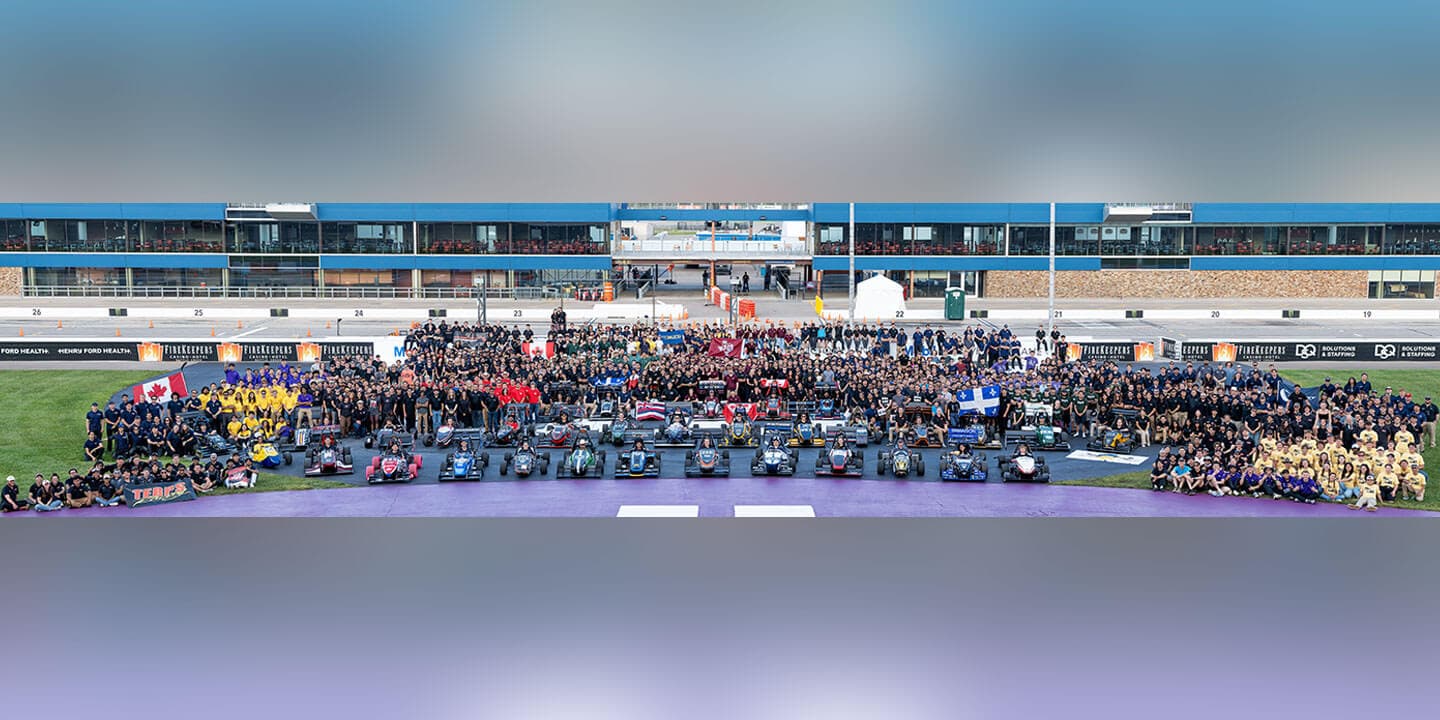
     

  • A very large crowd of racing teams is gathered at a racetrack surrounding multiple race cars.

    Your Fast Track to an Engineering Career: FSAE EV

    Jason Martinez

    What is the one thing all employers want from students, but students struggle to obtain? Experience.

    When applying to entry-level internships or jobs, it is common to see employers asking for one to two years of related experience. When seeing this, most students are confused; they think, “How am I supposed to gain experience if entry-level positions require experience?”

    For engineering students, there is a solution: your university’s Formula SAE Electric (FSAE EV) club.

    What Makes a College Club Great?

    With all of the assignments and schedules competing for your time in college, it’s important to determine what will make a club membership worthwhile for you. For engineering students, this means opportunities to apply course concepts to physical designs and develop leadership skills by managing real budgets and deadlines. A great club also allows students to collaborate with peers from other disciplines, like business and marketing, and validate design decisions through testing and professional feedback.

    If a club can meet these requirements, students will gain the necessary skills and experience to contribute meaningful work in their first technical job. Luckily for engineering students, FSAE EV clubs meet all these requirements.

    Real Industry Experience

    An FSAE EV club feels more like a fast-paced startup than a school club. The competition involves designing, manufacturing, and presenting a product every year: an open-wheel electric race car that can reach speeds close to 100 miles per hour. This means members and leads work at all hours to achieve the club’s goals.

    At SDSU, our goal is to compete in every dynamic event at the competition, a first for our club. This requires late nights, early mornings, and weekend test days from the start of summer until the end of the school year. Of course, this level of commitment is not for everyone.

    The great thing is that these clubs are what you make of them. If you only want to show up for a couple of hours each week, that is all you have to do. You won’t get the same amount of experience compared to someone who shows up every day, but that is how the industry works.

    Competitions and Networking

    The annual competition is a great event for all students involved. It gives clubs the opportunity to compete against one another and let their hard work speak for itself on the racetrack. It is also one of the best networking events of the year.

    More than one hundred teams show up, with each team typically having thirty members at the competition. That means roughly three thousand like-minded, driven, and talented students are all in the same place for a week. This is where you can build your network, learn from your peers, and make meaningful connections.

    Many industry professionals also show up as judges or guests. This makes it a great place to meet engineers from top companies. You might even land an internship or job.

    Preparing for the Future

    For students looking to turn ideas into reality, there is no comparison to an FSAE EV club. It provides the knowledge, the experience, and the network to launch you into the next stage of your career.

    Do you have a compelling story or student success tips you’d like to see published on the Pearson Students blog?  If you are a college student and interested in writing for us – click here to pitch your idea and get started! 
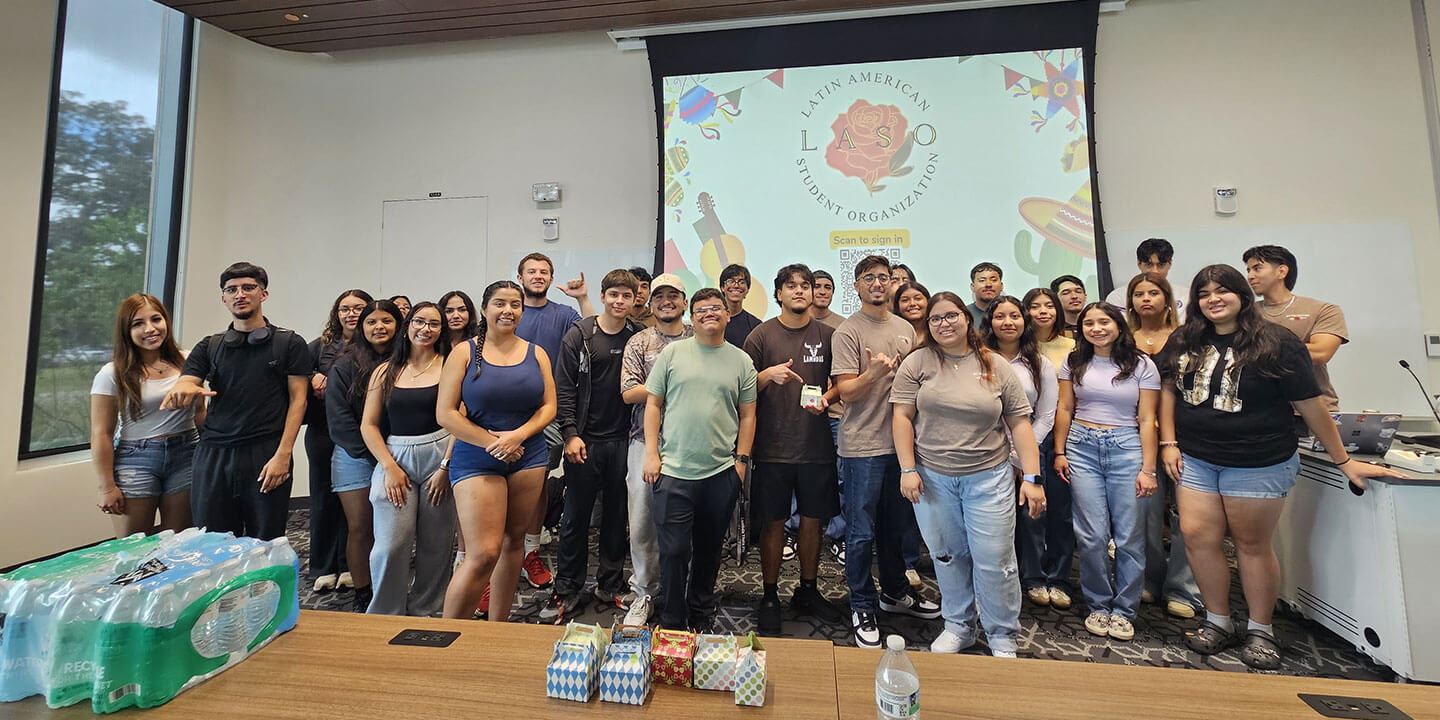
     

  • A group of students posing at the front of a classroom.

    The College Experience: Campus Involvement as a Commuter Student

    Monica Rodriguez

    A Commuter’s Perspective

    When I first started college, I never imagined how challenging it would be to get involved on campus as a commuter student. I often left campus in the late afternoon and headed straight home. By the time most events happened, I was already settled in for the night. On top of that, I’m naturally introverted, so the thought of showing up to large gatherings felt intimidating.

    For a while, I convinced myself that campus life just wasn’t for me. However, joining the Latin American Student Organization (LASO) showed me the true value of campus involvement and transformed my college experience.

    How Joining a Club Changed My Experience

    During my first year, I took a chance and went to a LASO meeting even though I didn’t feel ready. I didn’t know anyone, and it felt easier to stick to my usual routine of going to class and driving home.

    As a commuter, it’s easy to feel like campus is temporary, like you’re just passing through instead of belonging somewhere. I had no idea how much that one step would end up shaping my experience.

    Over time, LASO became more than just a student organization to me. It turned into a place where I met people who understood my culture, shared my values, and helped me feel seen. I began staying on campus longer, attending socials, and saying yes to events I would have skipped before.

    Eventually, I stepped into a leadership role as Marketing Chair on the executive board. In this role, I helped plan events, run social media, and collaborate with other organizations. Taking on that role challenged me in the best ways and helped me grow beyond the limits I had set for myself.

    Leadership brought experiences I never expected. I’ve tabled at events, met students I wouldn’t have crossed paths with otherwise, and gained confidence in talking to new people.

    As someone who’s always been introverted, I realized that being a leader isn’t about being loud. It’s about being intentional, creating space for others, and representing a community you care about.

    Finding My Place(s) on Campus

    Getting involved in LASO also made it easier to explore other organizations. I recently joined Women in Business (WIB) and participated in events like Coffee with WIB, recruiter panels, and even a season finale watch party for The Summer I Turned Pretty. I’ve attended other campus events like waffle night, and even small moments like those have helped me feel more connected.

    Looking back, I’m grateful I didn’t let commuting or being introverted keep me from getting involved. It wasn’t always easy to stay on campus longer or walk into a room alone, but the friendships, opportunities, and confidence I’ve gained have made it worth it.

    If there’s one thing I’ve learned, it’s that involvement doesn’t look the same for everyone. You don’t have to live on campus or be outgoing to find your place.

    Sometimes all it takes is showing up once and giving yourself a chance to explore something new. For me, that one step changed everything. It can do the same for other students who feel like campus isn’t built for them.

    You don’t have to be everywhere or do everything to be involved. You just have to start somewhere.

    Do you have a compelling story or student success tips you’d like to see published on the Pearson Students blog?  If you are a college student and interested in writing for us – click here to pitch your idea and get started! 
     

  • A black couch with two black and white striped pillows, a ghost pillow, a strawberry throw blanket, and a blue and white throw blanket draped over the back.

    TV Marathons for College Break

    Madeline Beavis

    As fall semester comes to an end and finals begin, college students face endless readings, problem sets, and late-night study sessions. But once the work is finally done, exams are submitted, and essays are written, nothing feels better than sinking into the couch, grabbing a snack, and launching a good old-fashioned, TV marathon. Here are four shows worth lining up to pass the time during winter break... so go relax, you've earned it!

    1. Yellowjackets

    If you haven’t been pulled into the chaos yet, now is the time. Yellowjackets is the perfect mix of psychological thriller, survival horror, and messy coming-of-age drama. The show follows a high school girls’ soccer team stranded in the wilderness after a plane crash. The story bounces between their terrifying fight to survive in the ’90s and the dark fallout in their adult lives. It’s got cult vibes, mystery boxes, and the kind of “I need to know what happens next” cliffhangers that will absolutely ruin your sleep schedule—in the best way possible.

    2. We Were Liars

    Based on the wildly popular YA novel by E. Lockhart, We Were Liars is gearing up to be an experience when it hits Prime Video. Set on a private island off Massachusetts, the story follows a wealthy family hiding dangerous secrets. It’s told through the eyes of Cadence Sinclair, who is struggling to piece together the events of a previous and pivotal summer. Think Pretty Little Liars energy but with more psychological twists and a beach-goth atmosphere. Perfect for curling up and losing track of time.

    3. Timeless

    This recommendation is a personal favorite of mine! It’s not a new show, but it has a timeless plot (no pun intended). This time-travel adventure follows a historian, a soldier, and a scientist as they chase a rogue operative through America’s past, from the Hindenburg disaster to Watergate. Each episode blends action, clever storytelling, and real historical events while weaving in deeper questions about identity, morality, and the power of rewriting history. Suspenseful yet heartfelt, Timeless is perfect for anyone who craves high-stakes drama, fascinating “what ifs,” and a touch of history.

    4. Stranger Things, Season 5

    The long-awaited final chapter of the Hawkins story will arrive in three volumes. The first drops on November 26, with later releases on December 25 and December 31. Expect Eleven, Mike, and the gang to face their darkest, most harrowing threat yet, with all the supernatural scares and nostalgic charm we’ve come to love in the previous seasons.

    Bonus Watch: The Bear

    And if you’re hungry too, check out The Bear. This award-winning dramedy follows “Carmy,” a young chef who takes over his family’s sandwich shop in Chicago. He tries to transform it into something great while barely holding his own life together. It’s chaotic, funny, and unexpectedly heartfelt, with dialogue that moves as fast as the kitchen itself. Just be warned: you’ll probably find yourself craving Italian beef by the second episode.

    Whether you’re in the mood for survival horror, family drama, or supernatural throwdowns, these shows are tailor-made for late-night marathons after long days of school and life. Stock up on snacks, silence the notifications, and let mind wander around new worlds for a while!

    Do you have a compelling story or student success tips you’d like to see published on the Pearson Students blog?  If you are a college student and interested in writing for us – click here to pitch your idea and get started! 
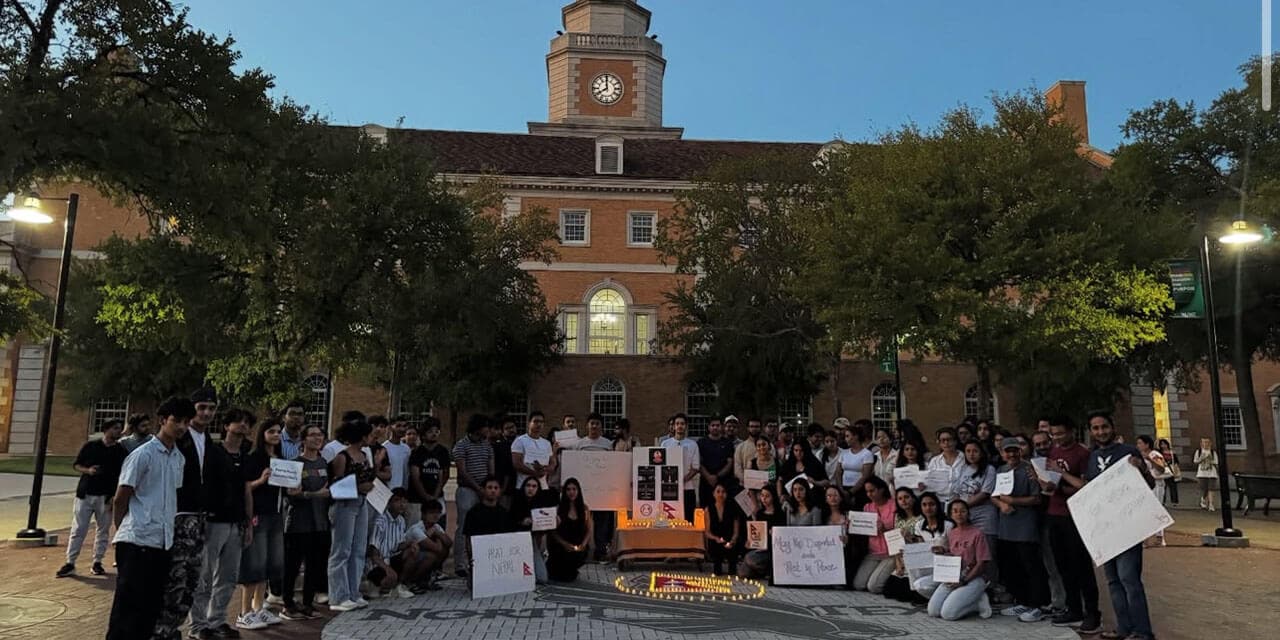
     

  • Group of students holding small signs in front of a campus building at a candlelight vigil. 

    Unity at UNT: Student Response to the Gen-Z Movement in Nepal

    Sarin Mainali

    The Gen-Z Movement in Nepal

    September 8, 2025, marked the beginning of what would soon be known as the “Gen-Z Movement” in Nepal. Thousands, if not millions, of Nepali youth filled the streets of Kathmandu and other cities. They were united under one cause: to reclaim justice, equality, and freedom for Nepali citizens.

    While the protest proved to be successful in igniting change, the victory came at a heartbreaking cost. Many young Nepalis lost their lives fighting for their country’s future during public demonstrations; the exact number is not consistently reported. Their bravery became a symbol of hope, but their loss left a deep scar across the nation.

    Far From Home

    For those of us living abroad, particularly in the U.S., the crisis hit in a completely different way. We all felt the weight of being so far from home while our friends and families were suffering.

    The government's restriction on communication apps like Messenger and WhatsApp made it nearly impossible to reach our loved ones. The silence was deafening, and every minute spent waiting for updates felt like years.

    However, in that silence, something unexpectedly beautiful happened here at the University of North Texas. UNT has one of the largest diasporas of international Nepali students, making the Nepali Student Association a vital organization during this time.

    The Nepali Student Association organized a candlelight vigil to honor the lives lost. Standing there with the soft glow of candles lighting the night, we held a moment of silence that spoke louder than words ever could.

    Surrounded by friends and strangers alike, I felt both grief and strength. Afterward, many of us gathered in the Union. We shared updates, comforted one another, and explained to non-Nepalis what was happening back home.

    More Than a University

    In those moments, UNT became more than just a university; it became a second family. The strength, compassion, and support from students across campus showed me the true meaning of unity in times of crisis. The UNT community gave international Nepali students a sense of belonging and amplified their voices, ensuring the sacrifices made in Nepal weren’t forgotten.

    The “Gen-Z Movement” in Nepal is about courage and hope. Here at UNT, it also became a story of community, showing how we stood together as one, even thousands of miles away.

    Do you have a compelling story or student success tips you’d like to see published on the Pearson Students blog?  If you are a college student and interested in writing for us – click here to pitch your idea and get started! 
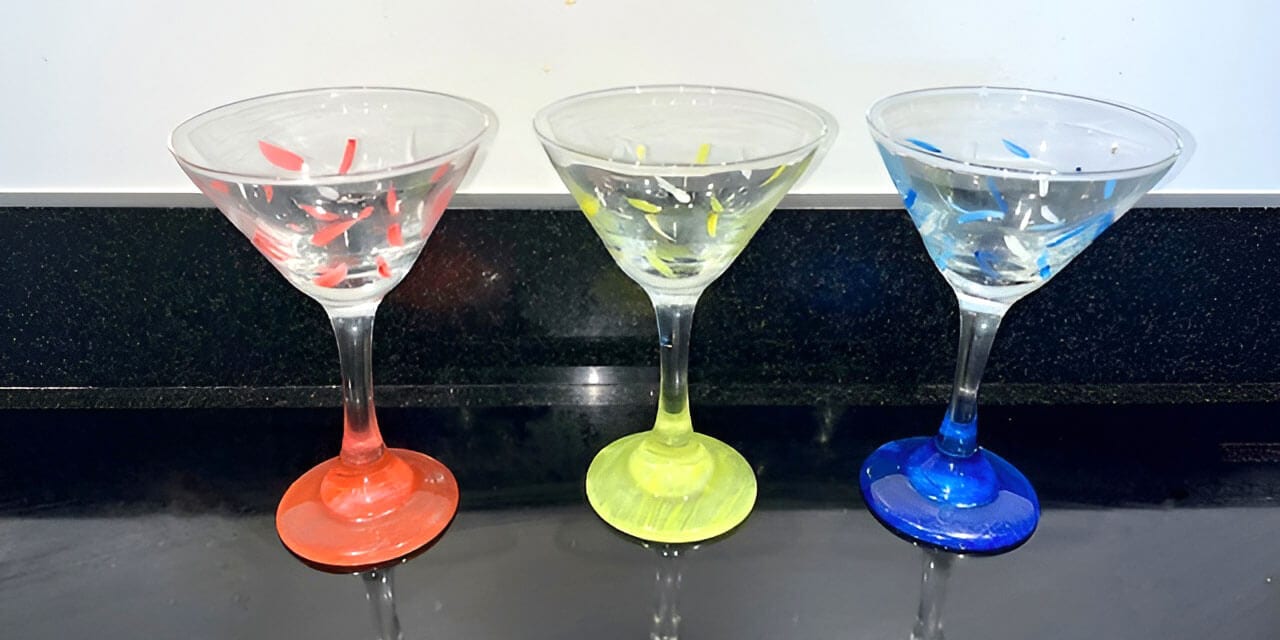
     

  • Three hand painted martini glasses in red, yellow, and blue.

    Cheers to Customization: Craft Handmade Glasses This Holiday Season

    Madeline Beavis

    Gift giving is tough! It’s so difficult to find that perfect gift every year around the holidays for those that are important in your life. Personally, I love receiving handmade gifts, and why not add a personalized touch for those that are most important in your life?

    Not only is crafting your own glassware super easy, but it allows you to create a thoughtful one-of-a-kind gift that can be used all year round! Get ready to raise a toast to craftsmanship and creativity this holiday season!

    Materials:

    • Glassware of your choice (ex. mug, cup, wine glass, etc.)
    • Rubbing alcohol
    • Glass paint (non-toxic and oven safe, there are so many options on Amazon or in stores!)
    • Paintbrushes
    • Oven

    Step 1: Clean the Glassware

    • Wash the glasses thoroughly with soap and water, and then dry completely
    • Rub the surface you will be painting with rubbing alcohol to remove any fingerprints or remaining residue

    Step 2: Pick Your Design and Start Painting

    • Tip: Research and sketch out the design you want to make! Try to think of something meaningful to the person you are gifting your glasses to!
    • Tip: Try to leave about 1 inch of empty space around the rim of your glass for more comfortable drinking!

    Step 3: Let It Dry

    • Allow the paint to dry completely! I recommend allowing 24-48 hours for the paint to dry and cure.
    • Tip: Check out the box that your paint came in to see if there are any special instructions!

    Step 4: Cure the Paint in the Oven

    • Place the glasses in a cold oven
    • Then set the oven temperature according to the paint’s instructions (usually around 350°- 400°F)
    • Leave your glasses in the oven for about 30 minutes and then let the glasses cool inside of the oven

    Step 5: Gift Away!

    • Your glasses are now ready for use!
    • Tip: Wrap up your glass set in a cute gift box and add a note that they are handmade and personalized! And don’t forget to remind the recipient that if they want them to last, don’t put them in the dishwasher!

    Happy crafting and Happy Holidays!

    Do you have a compelling story or student success tips you’d like to see published on the Pearson Students blog?  If you are a college student and interested in writing for us – click here to pitch your idea and get started! 

     

  • An aerial view of the blog author’s campus.

    Unexpected Connections: How Music Production Taught Me Teamwork and Timing

    Kohle Nash

    When I joined my college’s music production club, I thought I was simply pursuing a personal passion. I’ve always enjoyed experimenting with beats, layering sounds, and figuring out how different pieces of music come together. I did it purely for fun, as a creative break from classes and assignments.

    But over time, I noticed something surprising: the same skills I was honing in the studio were showing up in my classes, group projects, and even internships.

    At first, the club felt like a totally separate world. We’d meet in a small room filled with cables, keyboards, and speakers. There, we would bounce ideas off each other, working to turn rough ideas into polished tracks.

    I thought I was just learning how to make music. I didn’t realize I was also learning how to collaborate.

    The Rhythm of Collaboration

    Producing music with a group teaches you timing, both musically and in how you interact with others. You learn how to listen, when to speak up, and when to step back. You learn that great tracks stem from collaboration, not from one person controlling the sound.

    That exact mindset helped me become a better teammate in academic group work. I began communicating more clearly and offering more constructive feedback. I also became more open to letting go of my own ideas if another approach worked better.

    Patience in Production

    Another unexpected takeaway from music production was patience. When you’re mixing a track, it never sounds perfect on the first attempt. You adjust one sound, then another, and often go back to revise something you already “finished.”

    This trial-and-error process made me more comfortable with revising my work in school. Whether it was an essay, a presentation, or a project, I stopped striving for perfection on the first try. Instead, I learned to trust the process, just as I do in the studio.

    Confidence in Communication

    Even public speaking felt less intimidating. I used to get nervous presenting in class, but explaining beats and sound design choices to my club members helped me find confidence in my voice.

    When you talk about something you’re passionate about, you naturally become a better communicator. That skill started spilling over into all areas of my life.

    Transferable Skills in Hobbies

    I joined the music production club because I liked making beats. I stayed because it helped me grow in ways I never anticipated.

    I learned how to collaborate, how to be patient with my work, and how to express my ideas with confidence. What started as a fun, creative outlet became a transformation in the way I approach school, group settings, and even my professional life.

    If you have something you love doing outside of class, don’t underestimate its value. You might think it’s just a hobby, but it could teach you more than you realize.

    Do you have a compelling story or student success tips you’d like to see published on the Pearson Students blog?  If you are a college student and interested in writing for us – click here to pitch your idea and get started! 
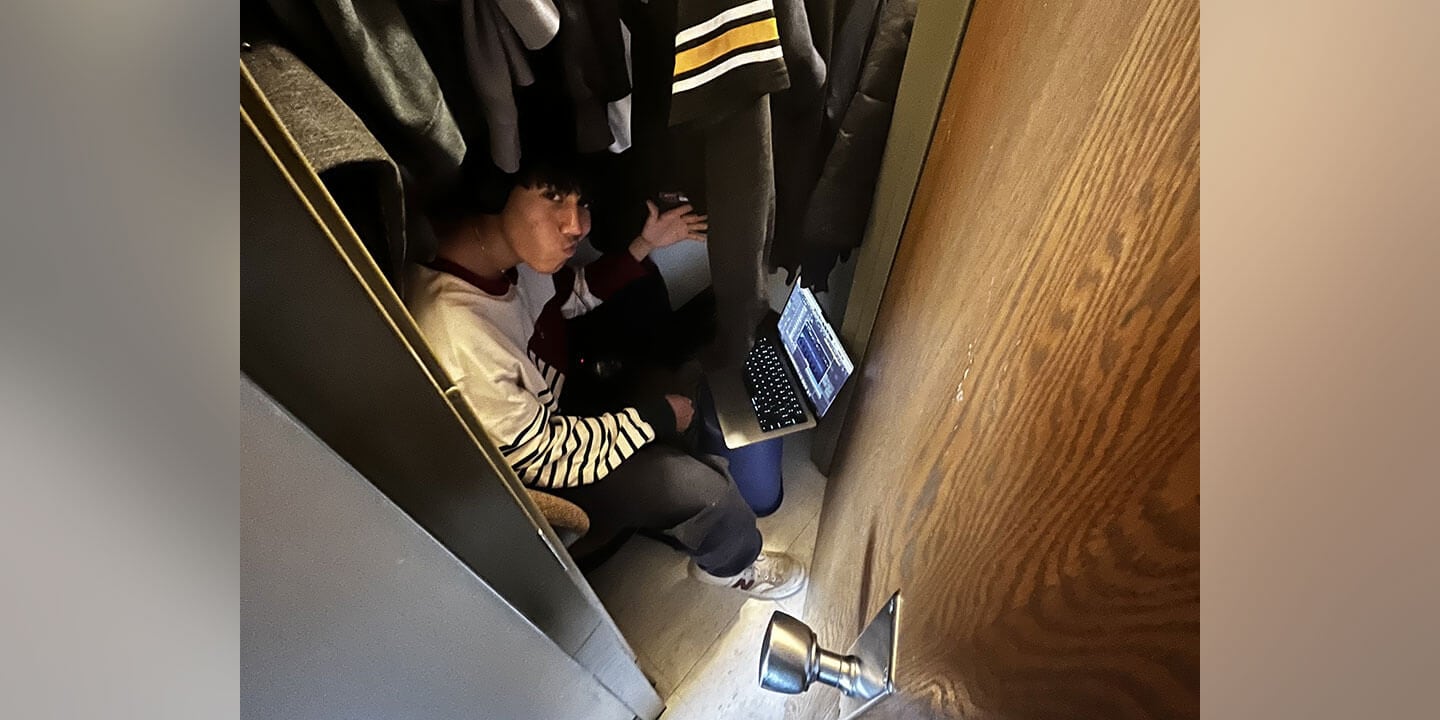
     

  • A young man sitting in a closet using recording software on his laptop.

    Recording Quality Music (On a College Budget)

    Damion Vidal Garcia

    Recording professional-sounding music on a college budget may first seem impossible, however it is not only feasible, but an opportunity to input your creativity into every process. You don’t need a high-end studio to produce great tracks. Instead, focus on technique, affordable tools, and optimizing your recording environment. Here are a few tips on how to put together high-quality songs without draining your bank account.

    Optimize Your Recording Space 

    If you’re recording in a dorm or small apartment, you can use thick blankets or moving pads to dampen reflections. Isolating areas with the most unwanted room noise is the key, focusing on creating smaller spaces within larger ones. For vocals, try recording in a closet, as the fabric is great at absorbing unwanted reverberations. If you’re micing an amp or acoustic instrument, a similar closet technique can work wonders if you have the space. Rugs and carpet can also be useful for containing sound in rooms with harder floors. 

    Choose Affordable (or Free) Gear 

    Start with a solid, budget-friendly microphone like the Shure SM57 or SM7B or any cheap large diaphragm condenser such as the Audio-Technica AT2020 or the AKG P220. Pair it with an affordable audio interface, such as a Scarlett Solo or anything that doesn’t have DI quality loss and that can provide clean preamps. For monitoring, opt for flat-response headphones like the Audio-Technica ATH-M30x or something from Sennheiser’s HD series, which will help you mix accurately without need for studio monitors. Most production can be tackled in the box these days, so focus on getting the best signal into your computer first and foremost. 

    Use Free or Low-Cost DAWs & Plugins 

    Professional DAWs can cost hundreds, but there are many free and low-cost alternatives. If you’re on Mac, GarageBand is a powerful starting point with built-in instruments and effects. Windows users can take advantage of Cakewalk by BandLab, another fully featured DAW that’s completely free. Reaper offers a 60-day free trial and only costs $60 afterward, making it a steal for its capabilities. For plugins, lookout for free options like iZotope’s Vinyl (for lo-fi effects), Spitfire LABS (for high-quality virtual instruments), and Valhalla Supermassive (for lush reverbs and delays). Tools like these will elevate your production and save a penny at the same time.

    Learn Basic Mixing Techniques 

    Even the best recordings fall flat without proper mixing principles. Learn to use EQ, compression, and different plugins like saturation and modulation effects to play with tone color while also creating a cohesive mix. When using reverb and delay, apply them subtly to avoid washing out. Panning left or right can also help to create a more immersive soundstage. Most importantly, reference mixes on multiple playback systems (headphones, car stereo, etc.) and use professional references to ensure they translate well to wherever your music is distributed. 

    Collaborate & Share Knowledge 

    The final tip, and the best way to improve while staying budget-conscious is collaboration with other musicians. Join music groups, swap feedback, or even share gear! You might find someone with better microphones or a different DAW who can enhance your recordings. Plus, learning from others accelerates your own growth and can lead to unexpected creative breakthroughs. 

    Final Thoughts 

    Great music isn’t about how much you spend; it’s about how you use what you have. By optimizing your space, choosing smart gear, leveraging free software, and honing your creative skills, you can produce tracks that rival professional recordings. The key is to keep experimenting, keep learning, and most importantly, keep creating. Your passion and resourcefulness will always matter more than the price tag of your equipment. 

    Do you have a compelling story or student success tips you’d like to see published on the Pearson Students blog?  If you are a college student and interested in writing for us – click here to pitch your idea and get started!