Students blog

Explore the latest trends, tips, and experiences in college life in this blog written by fellow students.

Explore posts in other areas.

PreK-12Higher EducationProfessional

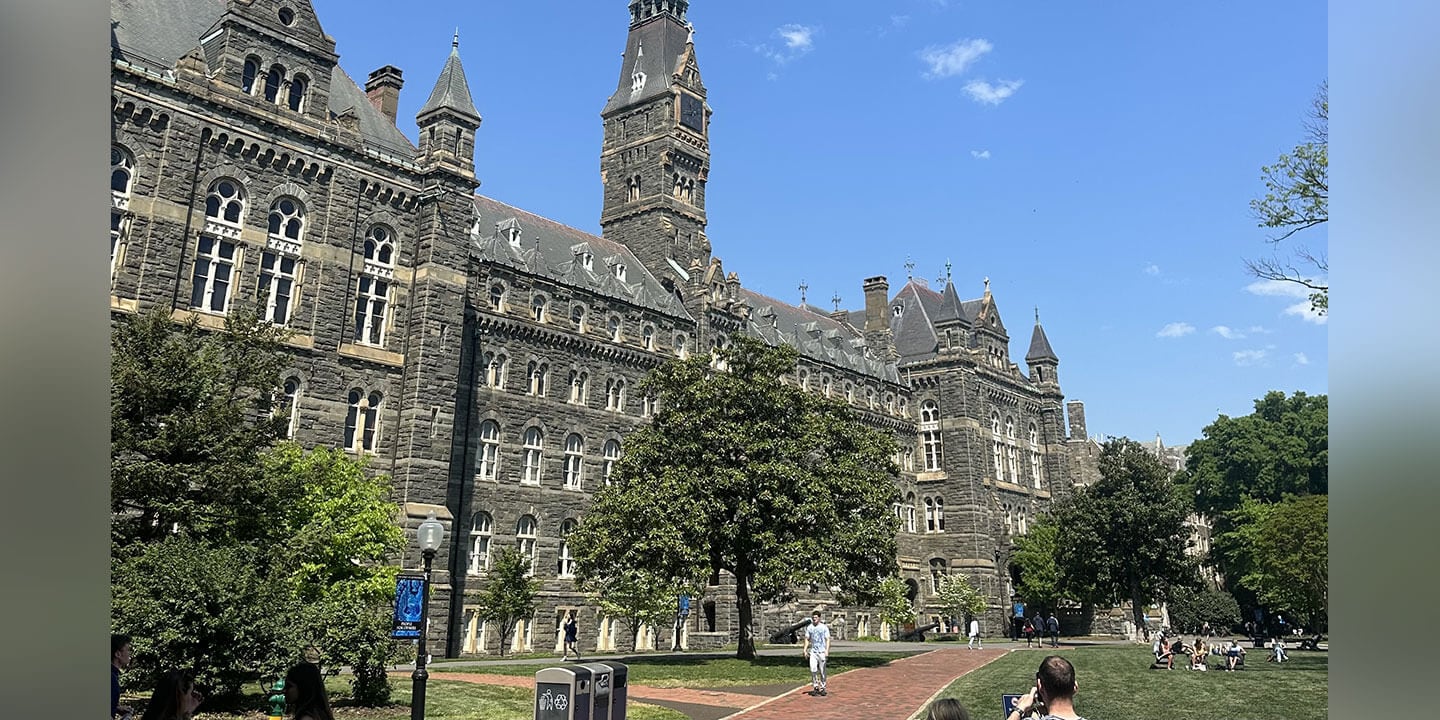
  • A large, historic stone building on a college campus.

    Conquer Your Job Search

    Whitney Bartol

    At some point, all college students find their focus shifting from their studies to the job search. This is true whether you are a fourth-year student looking for a full-time role or a second-year student seeking a summer internship.

    I completed three summer internships in finance and returned to my junior summer internship for a full-time role after graduation. Based on these experiences, I have some guidance and tips to help you land your dream job.

    Create Your Story

    To stand out in applications and interviews, you must tell a fluid, authentic story about yourself, your experiences, and your motivations. The easiest way for interviewers to move on from you is if they do not believe you want the job.

    Your resume is the first step. It should outline all relevant past experiences, professional and otherwise, that build your credibility for the role.

    Then, you need to have a two- to three-minute “Tell me about yourself” answer prepared that tells your story. Where are you from? How did your experiences lead you here, and why are you interviewing for this job specifically? It should be concise, fluid, and transparent. Let them know who you are!

    Research and Networking

    The next step in standing out is doing thorough research and networking with professionals. I will admit that there are some jobs you can get by just submitting a resume and a cover letter. However, with the ease of online applications today, recruiters often want to put a face and persona to the resume as well.

    For every job you apply for, research the company and what it does. This knowledge will demonstrate your effort and preparation before you even set foot in the interview room.

    The next step is networking. After researching the role and the company, go to LinkedIn. Look at who works at the company, see if there are any alumni from your school or other connections, and send cold emails.

    It’s daunting but effective. Ask to grab coffee or hop on the phone to learn more about their role and their experience. One connection may be all it takes to get that first interview.

    Practice, Practice, Practice

    The final step to conquering your job search is practice, practice, and then practice some more. No matter how good we think we are at interviewing or talking to professionals, we can always get better.

    Practice your elevator pitch, practice your resume walkthrough, and even practice questions that you can ask them. Bonus points if you can practice with a friend who will be honest with you about your language, etiquette, and professionalism. Not only will this improve your interviewing skills, but it will also make you less nervous when the time comes.

    No matter what kind of job you’re applying for, following these steps and being thorough in your search and preparation can help you conquer your job search and set yourself up for career success. Know yourself, connect with others, and practice your interviewing skills to land that perfect role.

    Do you have a compelling story or student success tips you’d like to see published on the Pearson Students blog?  If you are a college student and interested in writing for us – click here to pitch your idea and get started! 
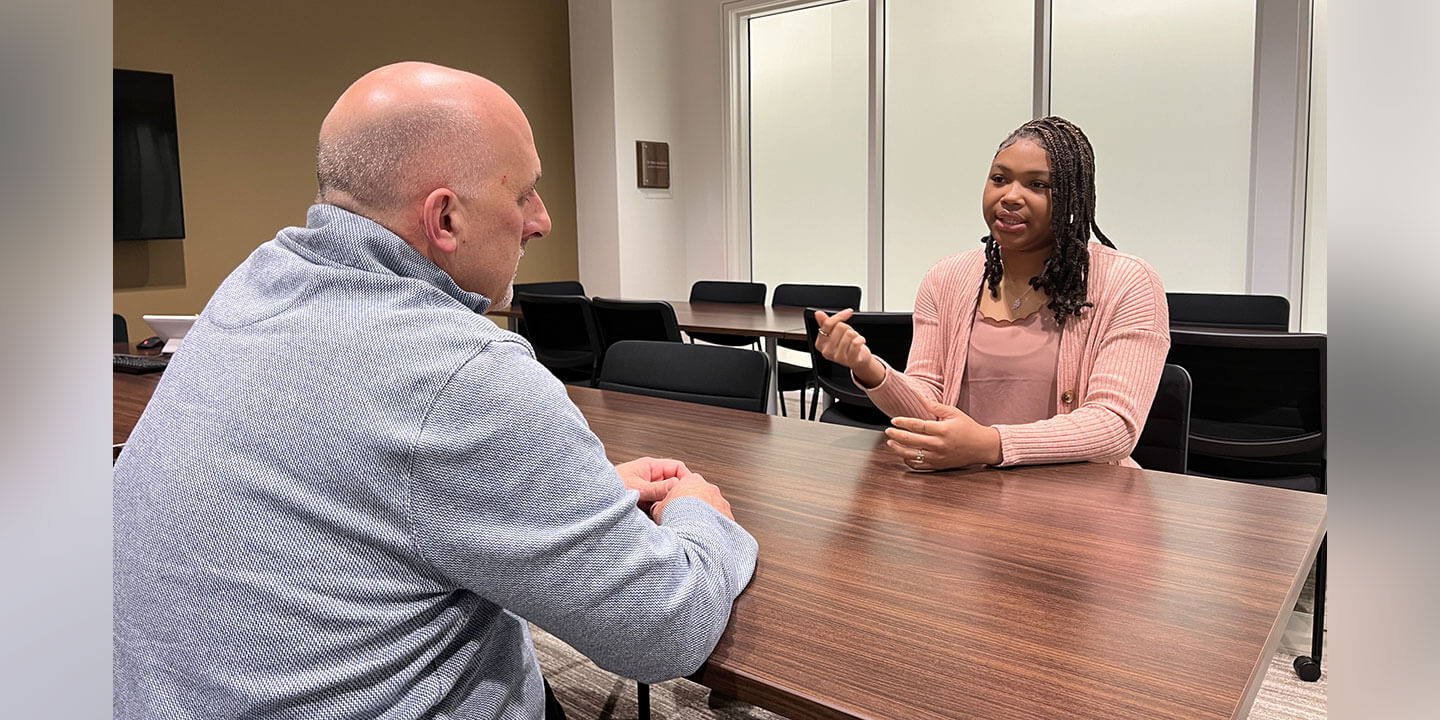
     

  • A man and a young college woman sitting at a table for an interview.

    A Guide for Interviews

    Alex Miller

    Throughout my college years there were a lot of classes which I felt helped me get ready for when I had to start interviewing.

    Notably, the classes that I thought helped me the most were my public speaking classes (SPK 230) in which the professor assigned many speeches to improve our communications skills. My early year writing classes helped me with writing skills and critical thinking, which also correlated to asking questions while in interviews. I believe a lot of my upper-level class such my capstone classes helped because they focus more on speaking emphasis and writing emphasis.

    So, to the question: What is a guide for interviews? I believe that a big piece of having a successful interview is by coming to the interview with thoughtful questions in which you can elaborate and tailor the specific question to the individual interviewing you. This allows the interviewer to know you took time to prepare and that you care.

    For example, I had an interview recently and as we wrapped up, she asked me if I had any questions. One question that I asked that I thought brought a great impression was, “What are key challenges someone may face in this role?” Although the question sounds to the point, I tailored the question back to the interviewer by asking her follow up questions of when she started at the company. That conversation based on the question I asked lasted more than ten minutes.

    Overall to have a successful interview, I believe always having questions and conversation based off the question can be the best way to be successful.

    Do you have a compelling story or student success tips you’d like to see published on the Pearson Students blog?  If you are a college student and interested in writing for us – click here to pitch your idea and get started! 
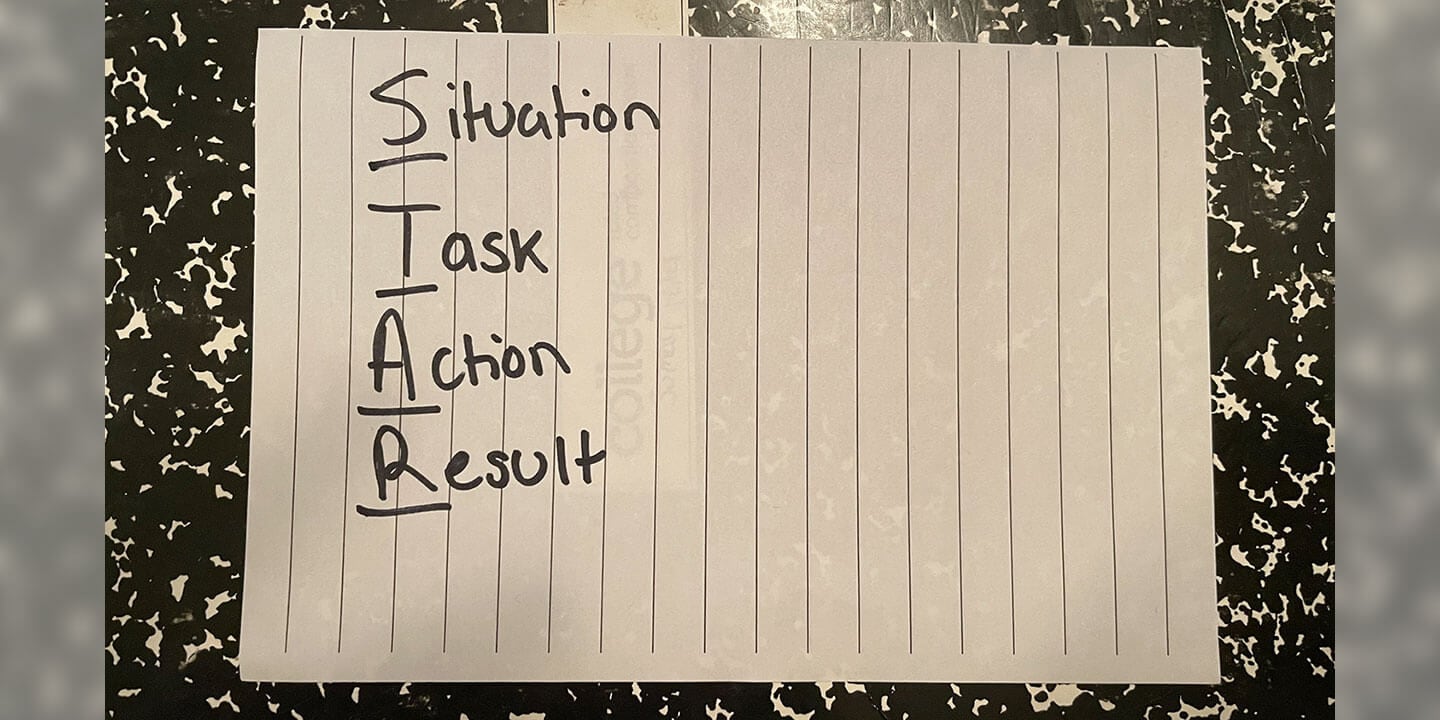
     

  • A lined notepaper paper listing the words ‘Situation’, ‘Task’, ‘Action’, ‘Result’.

    Tips for Interviewing for Jobs out of Undergrad

    Sumay Patel

    Landing a job after college can be a challenging yet exciting journey. As you start the interview process, it's important to be prepared for a variety of interview types and formats. Whether you're interviewing for a marketing position, a software development role, or a consulting job, understanding the different kinds of interviews, and honing your interview skills will make you a more confident and effective candidate.

    1. The STAR Method: Your Secret Weapon for Behavioral Interviews

    One of the most common interview formats you’ll encounter is the behavioral interview. These interviews focus on understanding how you’ve handled situations in the past to predict your future behavior. Employers want to assess your problem-solving, communication, and decision-making skills.

    The STAR method is a powerful framework to answer these questions:

    • Situation: Set the context. Briefly describe the situation or challenge you faced.
    • Task: What was the goal or task at hand? What responsibility did you have in this scenario?
    • Action: Highlight the actions you took to address the situation or task.
    • Result: Explain the outcome of your actions and, if possible, quantify the result (e.g., increased sales by 20%).

    Example question: “Tell me about a time when you had to work under pressure.”

    Using the STAR method, your response could go something like this:

    S: In my senior year, I was working on a group project with tight deadlines for both my capstone class and an internship.

    T: My role was to coordinate the team’s efforts to ensure we met our deadline while maintaining quality.

    A: I set up regular check-ins, delegated tasks based on each person’s strengths, and adjusted timelines where needed.

    R: We completed the project a week early, and it was praised for its thoroughness and creativity, which helped me secure a job offer from the company I interned with.

    2. Other Types of Interviews You Might Face

    • Technical Interviews: Common for positions in software development, asset management, investment banking, and data science, these interviews test your knowledge and problem-solving abilities. Be ready to write code, solve algorithms, or answer technical questions related to your field. Brush up on key concepts, practice problem-solving, and be clear in explaining your thought process.
    • Case Interviews: Often used in consulting and finance, case interviews test your analytical and problem-solving skills. You’ll be given a business scenario and asked to provide solutions. Practice by working through case studies, focusing on structuring your answers logically, and staying calm under pressure.
    • Situational Interviews: These questions focus on how you would handle hypothetical scenarios in the workplace. Unlike behavioral questions, which ask about past experiences, situational questions ask what you would do in a specific situation. Think through possible situations and how your skills and experiences can help you address them.
    • Group Interviews: Sometimes, employers will interview multiple candidates at once, assessing how you work in teams and how you communicate and collaborate under pressure. Stay engaged, listen carefully, and contribute thoughtfully to group discussions.

    3. How to Prepare for Post-Undergrad Interviews

    • Research the role and company: Understand the job description, the company’s culture, and the industry it operates in. Tailor your answers to show you’ve done your homework.
    • Practice common questions: Prepare answers for typical questions like “Tell me about yourself” and “Why should we hire you?” and rehearse them, but stay flexible.
    • Mock interviews: Conduct mock interviews with friends, family, or career services to build confidence and get feedback.
    • Review your resume: Be prepared to discuss everything on your resume in detail. Have specific examples ready to demonstrate your skills and achievements.

    Ultimately, preparation, practice, and using frameworks like the STAR method will help you tackle any interview with confidence and poise.

    Do you have a compelling story or student success tips you’d like to see published on the Pearson Students blog?  If you are a college student and interested in writing for us – click here to pitch your idea and get started! 
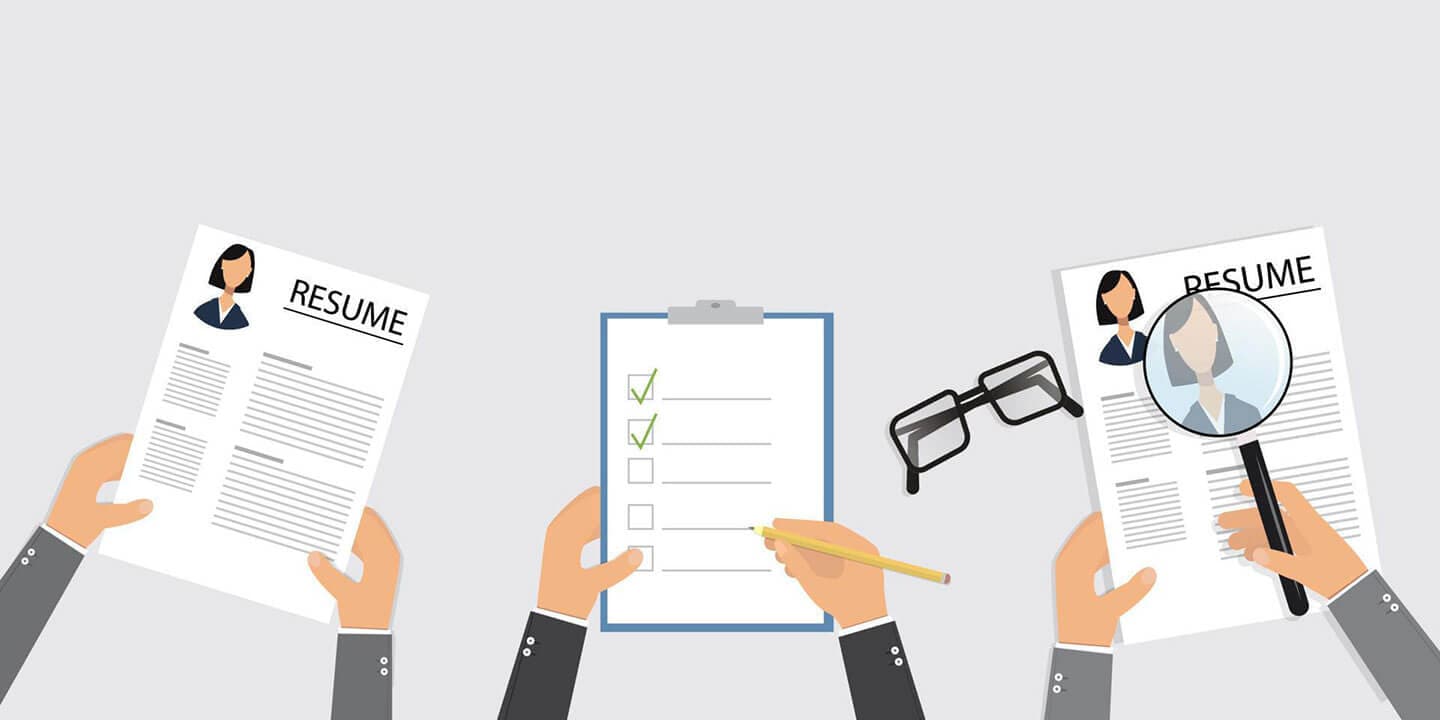
     

  • A graphic image with 2 sets of hands holding resumes and a 3rd set of hands holding an interview checklist.

    Sell Yourself: The Interview Process

    Bryson Sleeper

    “What do you want to do for your career? What industry? Do you have something lined up?” These are all frequently asked questions that most all high school and college students receive as they approach the end of their school years. The truth is the majority of students answer with broad statements and uncertainty. This then turns into nervousness and panic as you begin your job search. Envisioning the beginning of your career should be filled with thoughtful and ambitious intent towards success. Clouding these thoughts with what other people want for you or approve of is not the best way to find your next step in life.

    Securing internships and full-time job offers as a college student can be challenging, but with the right strategy and mindset, it’s entirely possible to succeed. Here are some essential tips and strategies that have proven effective for standing out in a competitive job market.

    1. Rejection is Part of the Process

    Rejection is inevitable in any job search, but persistence is crucial. A rejection should be seen as a learning opportunity rather than a setback. Following up after a rejection with a polite request for feedback can provide valuable insights for future applications. Each rejection is a chance to improve, and over time, persistence will lead to success.

    2. Leverage Networking

    Not all job opportunities are posted online. Networking is one of the most effective ways to tap into the hidden job market. Connecting with alumni, attending career fairs, and reaching out to professionals on LinkedIn can lead to valuable introductions. Employee referrals significantly increase the likelihood of an interview, making it essential to build relationships with those who can recommend candidates internally. Even when no job is immediately available, informational interviews help build connections that may lead to future opportunities.

    3. Treat the Job Search Like a Full-Time Job

    The job search process demands the same level of attention and organization as a full-time role. Setting aside dedicated time each day to research companies, tailor resumes, and write cover letters ensures consistency and focus. A customized resume for each application, highlighting specific skills and experiences relevant to the job, significantly increases the chances of getting noticed. Additionally, organizing applications in a spreadsheet helps track deadlines, follow-ups, and interview schedules.

    4. Utilize Campus Resources

    Many students overlook the valuable resources available through their university’s career services. These offices provide resume reviews, mock interviews, and connections with potential employers. Professors and academic advisors often have industry contacts that can help students land internships or full-time roles. Involvement in student organizations and career-related clubs also creates opportunities to meet professionals and expand one’s network.

    5. Optimize LinkedIn

    A strong LinkedIn presence is vital in today’s job market. A well-crafted profile with a professional photo, detailed work experience, and relevant skills increases visibility to recruiters. Showcasing school projects, internships, or side projects can demonstrate expertise beyond the classroom. Engaging with industry content by sharing posts or commenting on relevant discussions can further increase visibility and demonstrate genuine interest in the field.

    6. Prepare Thoroughly for Interviews

    Success in interviews comes down to preparation. Researching the company and the role and practicing answers to common behavioral questions using the STAR method (Situation, Task, Action, Result), ensures a confident and polished performance. Sending a follow-up thank-you email after the interview demonstrates professionalism and reinforces interest in the position.

    7. Start Internships Early

    Securing internships early in college provides valuable experience and often leads to return offers. Even internships that may not be in the desired field can help build a strong resume and provide networking opportunities. Internships also offer a chance to demonstrate work ethic and skills, which can open doors to full-time roles or other opportunities through the connections made during the experience.

    8. Maintain a Growth Mindset

    Approaching the job search with a positive mindset is essential. Viewing every interview, networking interaction, and rejection as a learning experience will help build resilience. Adaptability and confidence throughout the process are key, as the job search can be unpredictable. Persistence and a willingness to learn will ultimately lead to the right opportunity.

    With dedication, organization, and a proactive approach, securing interviews and job offers as a college student is within reach. Treating the job search process as a full-time commitment, combined with strategic networking and continual self-improvement, greatly increases the likelihood of success.

    Do you have a compelling story or student success tips you’d like to see published on the Pearson Students blog?  If you are a college student and interested in writing for us – click here to pitch your idea and get started! 

     

  • A dark business suit and tie on a wooden hanger.

    How to Prepare for your Next Job Interview

    Cooper Grahek

    Job interviews can be one of the most stressful things in life for certain people, for others, it may come naturally. However, no matter how good you are at talking, how good your resume looks, or even how serious the interview is, preparing for a job interview is one of the biggest steps when looking for work. Here are a few helpful tips to help you prepare.

    One of the most important steps in preparing for a job interview that not many people realize is research. Doing research on the company and the role they are hiring for is one of the easiest ways to make yourself stand out compared to other candidates. Whether it's talking about the company's involvement in the community, their values, or talking about specific skills you saw in the job posting, having knowledge about these topics and talking about them shows that you are interested and care.

    Another very important step is familiarizing yourself with common questions and knowing how to answer them while referencing your resume. Practicing common interview questions before an interview is one of the easiest ways to get yourself more prepared. I have participated in countless interviews, and I can confirm that lots of companies ask the same behavioral questions. Having knowledge and exposure to these questions and how to answer them will save you in future interviews. Referencing your resume is also a nice trick to do while answering questions. Talking about experiences on your resume helps the interviewers remember your answers and helps them follow along with the story you are about to tell.

    The final tip is to be yourself and don’t try too hard. It’s easy to stress over interviews, lose sleep thinking about what to say, and spend hours trying to figure out the perfect answers. The truth of it all is, you are never going to be 100% prepared and do perfect. You’ll never go into an interview knowing every question and having a perfect answer to every question. However, if you can be yourself and stay calm, the interview is bound to go better than you think a majority of the time.

    At the end of the day, nobody is perfect at interviews. You could follow all these tips, spend countless hours preparing, and pull your hair out stressing and overthinking, but nothing is guaranteed. If you are going to take anything from this entire blog, let it be this: Be yourself, make eye contact, dress to impress, and remember that all it takes is the right company, at the right time, to never have to prepare for a job interview again.

    Do you have a compelling story or student success tips you’d like to see published on the Pearson Students blog?  If you are a college student and interested in writing for us – click here to pitch your idea and get started! 


  • A group of 3 photos featuring college students working together in different settings.

    Building Connections for Success

    Kylie Guzman

    Networking is an essential skill that can significantly impact your college experience and future career. As a college student, developing a strong network can open doors to internships, job opportunities, mentorships, and valuable advice. Here’s how you can effectively network during your college years.

    1. Start with Your Peers

    Your classmates are your first network. They can offer support, study partners and eventually professional connections. Engage actively in group projects and join study groups. Building strong relationships with your peers can create a supportive community that lasts beyond graduation.

    2. Get Involved on Campus

    Joining clubs, organizations, and societies is a great way to meet like-minded individuals and expand your network. Whether it’s a professional society related to your major, a cultural club, or a hobby group, these organizations provide opportunities to develop leadership skills and meet people with diverse interests.

    3. Attend Networking Events

    Most colleges host career fairs, guest lectures, and networking events. Attend these events regularly to meet professionals from your field of interest. Prepare by researching the attendees and having questions ready. Remember to bring a resume and practice your elevator pitch to make a strong impression.

    4. Utilize Social Media

    Platforms like LinkedIn are invaluable for building a professional network. Create a compelling profile, connect with classmates, professors, and industry professionals, and join groups related to your career interests. Share relevant content and engage with others’ posts to increase your visibility.

    5. Build Relationships with Professors

    Your professors are more than just educators; they are valuable connections to the industry. Attend office hours, participate in class discussions, and seek advice on your academic and career goals. A strong relationship with a professor can lead to research opportunities, recommendations, and introductions to industry professionals.

    6. Seek Out Alumni

    Alumni can offer insights and connections that are incredibly beneficial. Many colleges have alumni networks or events. Reach out to alumni in your field, ask for informational interviews, and attend alumni gatherings to expand your network.

    7. Volunteer and Intern

    Volunteering and internships provide hands-on experience and networking opportunities. They allow you to meet professionals in your field and demonstrate your skills and work ethic. These experiences can lead to job offers and strong professional references.

    8. Follow Up

    After meeting someone new, always follow up with a thank-you email or message. Express your appreciation for their time and mention something specific you discussed to reinforce the connection. Regular follow-ups help maintain and strengthen relationships over time.

    Networking as a college student requires initiative and persistence, but the rewards are immense. By actively building and nurturing your network, you pave the way for a successful career filled with opportunities and support. Start early, be genuine, and stay engaged, and you’ll find that networking becomes a natural and beneficial part of your college journey.

    Do you have a compelling story or student success tips you’d like to see published on the Pearson Students blog?  If you are a college student and interested in writing for us – click here to pitch your idea and get started! 


  • A group of about 20 college students gathered in a college lecture classroom.

    Finding a Job Post-Grad

    Emilie Conners

    Finding a job post-grad can be stressful and a little scary. But... it does not have to be! Building strong relationships with your professors along with building and maintaining a network of professionals will give you a solid foundation to start your search before crossing the big stage.

    Faculty connections can be helpful when you begin to navigate the job-seeking process. Starting the process by applying early and conversing with professionals in your network makes it much more manageable. You might be surprised at the number of people who would be happy to have a 10-minute phone call to help you learn more about a job opportunity and/or prepare for the interview. Taking the small extra steps along the way can genuinely help alleviate your stress in the job search and increase your chances of receiving more offers to choose from.

    Along with starting early, an important step in the job search process is starting wide! Beginning your job search as early as possible allows you to have the most time to explore opportunities and go through interview processes without feeling rushed or desperate for an offer. Now, what do I mean by starting off wide? In simple terms, do not be closed off to opportunities even if you may not have considered working in a certain industry or place. Some of the best opportunities that come about are unexpected.

    You probably hear this all the time, but it’s very true. Connections create opportunities! Take advantage of the relationships you have spent the last 4 years developing to help you find opportunities. Reach out to your professors for interview advice and speak to the professionals in your network to learn more about working in that industry and what it takes. As a general tip aside from the job search, be sure to connect with the people you meet, even if you only had a brief conversation with them, because you never know what rooms you might be trying to walk into that these people are already in.

    For example, when I was applying for my dream job, I went on LinkedIn and noticed that someone I had briefly met through an internship I did the previous summer now works at the company I was applying to. I reached out to him to let him know I was interviewing and to see if he had some time to chat so I could learn about how his experience has been at this company; thankfully, I had already started a conversation with him on LinkedIn that past summer to thank him for taking the time to chat with us interns. Since we had already messaged, he remembered me and offered his time and advice, which ultimately helped me land the role. I’m so grateful that I met him that summer and took the time to connect with him and thank him.

    The job search can be stressful and scary, but it does not have to be. You can never be too early in your job search; just be sure that you are applying for jobs with start dates that align with what you are looking for. Getting started ahead of time and utilizing the relationships you have created will help you immensely, and you never know— it might help you land your dream job!

    Do you have a compelling story or student success tips you’d like to see published on the Pearson Students blog?  If you are a college student and interested in writing for us – click here to pitch your idea and get started! 
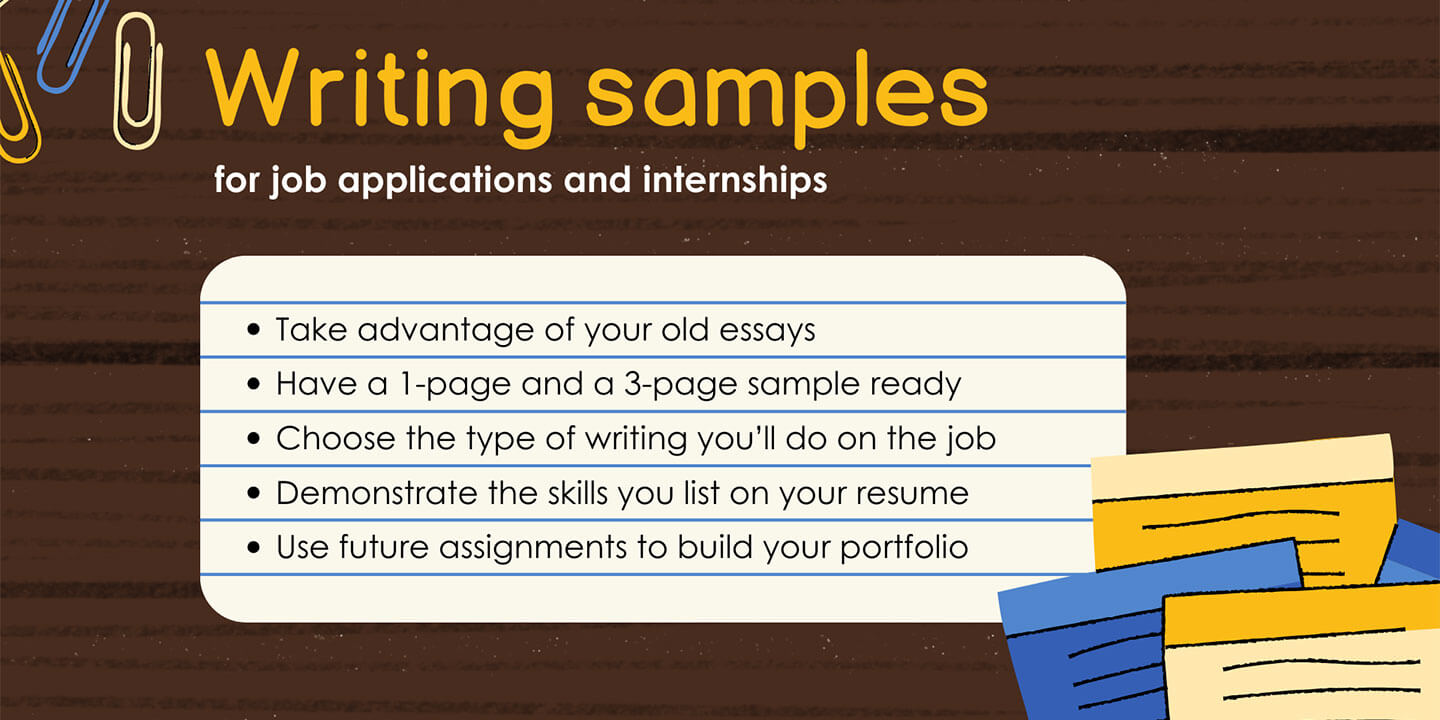
     

  • A graphic with the text: Writing samples for job applications and internships listing 5 highlights from the blog.

    Writing Samples for Job Applications: Putting college essays to work

    Lindsay Webb

    Jobs and internships that require skilled writing will almost always request a writing sample with your application. Luckily, college is filled with writing, and I’m willing to bet you already have a rough draft ready to refine for your sample. With some fine-tuning, essays, memos, and creative pieces can become excellent examples of your work. Revise papers with the appropriate tone and style for the company or industry and showcase the skills you highlight in your resume for a compelling writing sample.

    Setting standards for your writing sample

    A good place to start when refining your paper is to decide what you like about it. Do you like the topic? The format? The impact of the prose? Depending on what you like about the paper, refine it to strengthen its other attributes. Ensure your paper meets your writing standards for writing quality, tone, style, and formatting.

    Select an excerpt or revise and set your focus

    Ultimately, you’ll want to trim your piece down and create two versions: a one-pager and something under five pages. Consider whether your writing sample should include your entire essay or just an excerpt (or both to account for both versions). When revising an excerpt or full piece, focus on the job and your brand. Make sure the tone is appropriate for the job you’re applying to. Recruiters in every industry want to see your ability to synthesize information into something that is clear and concise. Then, consider your primary skills and your personal brand. Does your writing sample represent you, your resume, and your talents?

    Polish your writing sample and add an intro

    Every job will be different and will likely specify their word count or page length preferences for writing samples. As mentioned in the section above, having a one-pager and something longer (3 pages is a sweet spot) should help you cover your bases. Add an introduction to all your writing samples that briefly explains where the piece comes from and why you selected it as your sample. Here’s an example:

    This paper has been revised from a March 2024 submission for an American Politics assignment that analyzed shifts in dominant political parties in the United States. I chose this as one of my writing samples because it demonstrates my ability to synthesize original research into a concise summary and accessible visuals.

    Note: While you want your writing sample to be polished and professional, you still want it to be representative of the quality of work your future employer can expect on a regular basis. Make it pretty but keep it real.

    Prioritize your objectives for your writing sample

    1. Show you can do the job — What does the job require? Memos, articles, visuals?
    2. Support your resume — What skills are you highlighting? Research? Communication?
    3. Make it memorable — What do you want the recruiter to remember about you?
    4. Make it relevant — Bonus points for pieces relevant to the industry or job.

    Polish your writing sample to submit to jobs and be on the lookout for future opportunities to add to your portfolio. When you have that magical moment at the end of a project where you review it and think, “not bad, Me,” set it aside to refine into your next professional writing sample. Revise it to show: (1) you can accomplish the job you’re applying to, (2) you can do what you claim in your resume, (3) you’re a culture fit, and (4) you have an interest in the work.

    Do you have a compelling story or student success tips you’d like to see published on the Pearson Students blog?  If you are a college student and interested in writing for us – click here to pitch your idea and get started! 


  • A man sits at a classroom table interviewing a female college student.

    Making the Move from Graduation into the Real World

    Jykya-Makala Bell

    As a college student I am constantly thinking about “what’s next”. How many times have you thought about a world beyond college? Did these thoughts make you anxious or stressed? There are many factors that affect the transition for college students into a post-college world. These factors can determine whether you have a positive transition out of college or a negative one. A college graduate can experience a career gap when transitioning due to a variety of reasons. There are two main reasons, which include not attaining an internship and a failure to network and build connections.

    Internships

    Finding a productive post-college experience is substantially influenced by the internship you attain. To begin with, completing an internship is a way to decide whether the career you are pursuing is the right one for you. Securing the correct internship can set you up with a possible job offer after college if it goes well. Moreover, internships provide a significant advantage for those who can secure them because they can be used as recent experience for the career or specific job you are pursuing. A good internship program looks great on your resume as well.

    Networking and Connections

    The connections that you build throughout your college journey have significant importance on your transition out of college, too. Networking while still in college can be positive post-college because it can make your job search process go more efficiently. For example, in the business world it is a lot about who you know; therefore, business students spend a lot of time connecting with professors and attending job fairs to build their networks. In fact, building your network by creating connections plays a significant role in getting your brand and name out in your career field, and, as a result, makes the transition out of college more effective and efficient.

    The environment beyond college is a whole new world with all new challenges, opportunities, and people for college students to explore. Students should begin preparing for this transition as soon as possible because it can sneak up on you. Therefore, students should be given an idea and be prepared for all these new possibilities in this new world. Connections get you so far and help you find roles you never knew about or never dreamed you could reach. We never get anywhere by ourselves, so building connections and fostering relationships goes a long way.

    Do you have a compelling story or student success tips you’d like to see published on the Pearson Students blog?  If you are a college student and interested in writing for us – click here to pitch your idea and get started!