
Students blog

Explore the latest trends, tips, and experiences in college life in this blog written by fellow students.

Explore posts in other areas.

PreK-12Higher EducationProfessional

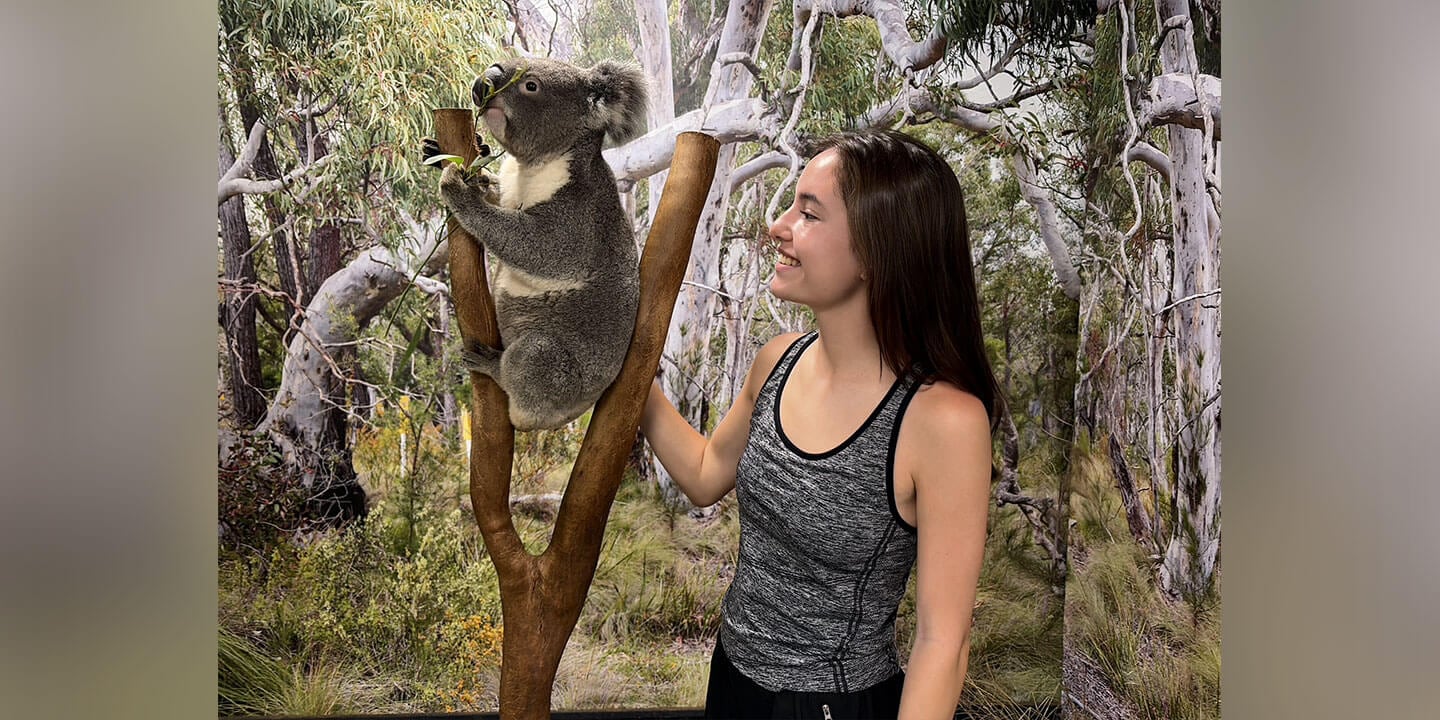
  • The blog author, Madeline, is wearing a gray athletic tank top and smiling at a koala perched on a tree branch in a wooded area.

    Up Close with Animals Down Under

    Madeline Beavis

    Australia, the land Down Under, is known for its unique and often terrifying wildlife, from giant spiders and snakes to creatures seemingly from a survival documentary. But alongside those fear-inducing legends, Australia is also home to some of the cutest animals on Earth. Wallabies, koalas, and brilliantly colored birds prove that not everything in Australia is trying to kill you; some of them just want to nap in a tree or hop by your side.

    Traveling to Australia allowed me to see wildlife in living, personal environments, not just in pictures or behind glass. These encounters reshaped how I think about animals and the growing connection between humans and their habitats.

    Close Encounters at Featherdale

    Just outside Sydney, I visited Featherdale Wildlife Park. I saw wallabies hopping freely and koalas sleeping twenty-two hours a day in eucalyptus trees (a full-time student’s dream)! Being just a few feet from these animals made them feel less like distant symbols of Australia and more like individual living beings.

    What struck me most was learning about Featherdale's origins. It opened as a wildlife park but later expanded into a hospital and rehabilitation center for injured animals when human settlement began expanding into the area. Roads and housing pushed into natural habitats, leaving many animals vulnerable to cars and displacement.

    The sanctuary still plays a role in caring for animals that can no longer survive in the wild. This is both inspiring and unsettling, as it exists because nature has been disrupted.

    Immersed in Color at Kuranda

    Later in my trip, near Cairns, I visited Kuranda Birdworld, where brightly colored birds flew freely through lush greenery. Unlike zoos in the United States, where animals are often viewed through glass or fencing, this experience felt immersive. Birds not only landed on branches inches away, but they also got comfortable on your arms and shoulders for a snack!

    Seeing them up close made their beauty impossible to ignore, but it also made their fragility more real. Many bird species depend on rainforests that are shrinking due to land-use changes like deforestation and development. The remaining forest faces additional challenges from climate change.

    Sanctuaries: A Place of Refuge

    What tied these experiences together was the realization that human presence can bring both positive impact and negative consequences. Sanctuaries like Featherdale and Birdworld exist because habitats have been disrupted, yet they also educate visitors and support animal welfare.

    Watching a wallaby graze or a parrot glide through the air made me appreciate their uniqueness. I also realized how easily they could disappear without support. More than half of the forests and woodlands that existed in New South Wales have been cleared in the past 300 years [1]. Across Australia, large swaths of wildlife habitat continue to be lost.

    Lessons on Another Continent

    Australia’s wildlife left a lasting impression on me not only as a traveler but also as a student. Experiences like these reminded me that learning does not happen only in lecture halls or through textbooks.

    Seeing environmental topics firsthand helped me understand concepts like animal welfare and sustainability. It showed me that global topics are not distant or abstract but are real and happening around us every day.

    Although this was a personal trip, it still applies to opportunities like study abroad and global learning. Exposure to different ecosystems, cultures, and perspectives can deepen a student's understanding of the world and its complexities. Seeing these animals in person reminded me of our shared responsibility to care for all wildlife and the places they call home.

    [1] Michelle Ward, David Lindenmayer, and James Watson. “More than half of NSW’s forests and woodlands are gone as ongoing logging increases extinction risks, study shows.” August 5, 2024. https://science.anu.edu.au/news-events/news/more-half-nsws-forests-and-woodlands-are-gone-ongoing-logging-increases-extinction.

    Do you have a compelling story or student success tips you’d like to see published on the Pearson Students blog?  If you are a college student and interested in writing for us – click here to pitch your idea and get started! 
     

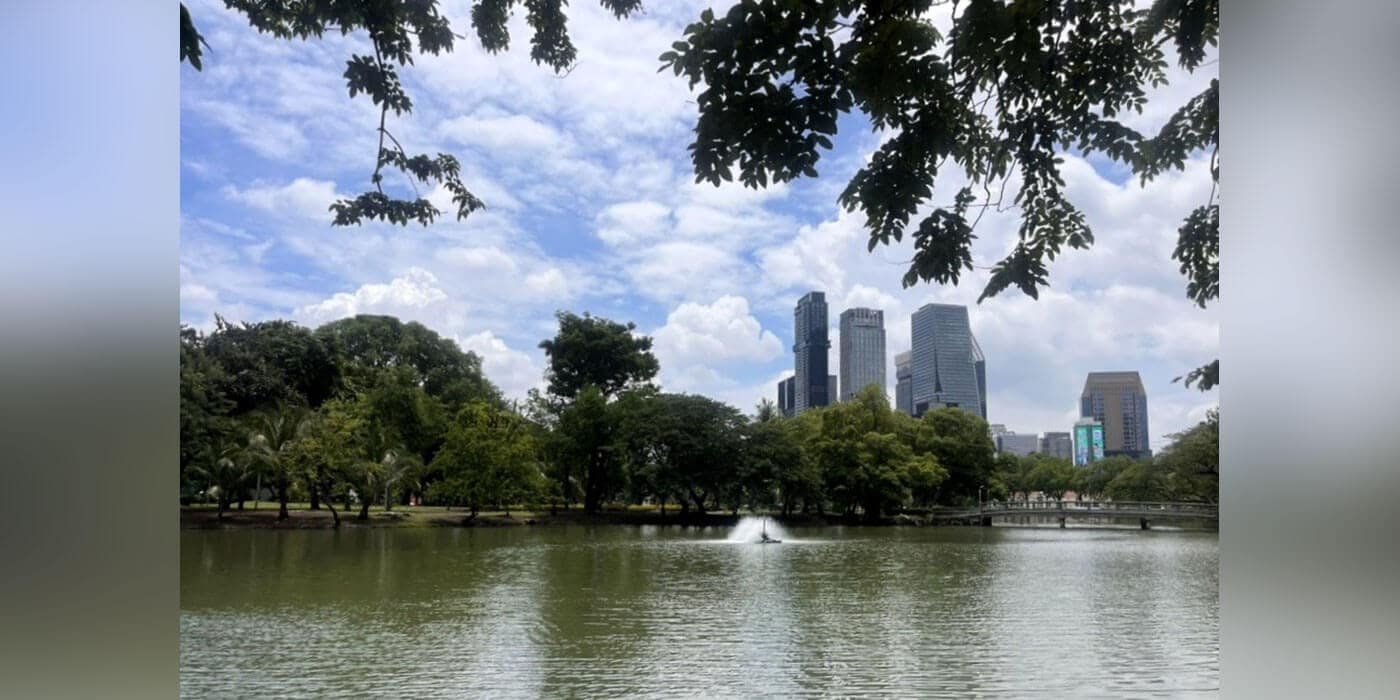
  • A pond with a fountain in the center and a cityscape in the background.

    Nourishing My Roots in College

    Annelise Ott

    Trips to Thailand

    I have been lucky to visit my maternal grandparents in southern Thailand every few years since I was a baby. They were born and raised in Trang, near famous islands like Phuket and Krabi, and lived in the United States for about thirty years before moving back to Thailand when my mother was in college. Staying in touch with them has been a great way to connect with my nonwhite heritage, which was a challenge while growing up in a ninety-eight percent white town on the South Shore of Massachusetts.

    Expanding My Horizons

    When I visit Thailand, I’m reminded that the world isn’t ninety-eight percent white, and it’s comforting to be surrounded by people who look like me. This feeling is why the University of Massachusetts at Amherst was a great choice for me. Its student population is much more diverse than my hometown, where microaggressions sometimes competed for my attention in school.

    The campus offers many affinity clubs, such as the Thai Student Association, the Asian American Association, and three Asian American sororities and fraternities. There’s also a renowned Ethnic Studies department named after W.E.B. Du Bois, a native of Massachusetts. I feel confident in my academic environment, among educated peers who celebrate differences and all cultures.

    A Future with Perspective

    This supportive environment is why my college experience is so important to my cultural identity. I know my college life is somewhat sheltered and doesn’t reflect the greater “real world,” but I’m learning the tools and knowledge I need to thrive in a world that isn’t always so enlightened. As a Public Health and French double major, I’m also getting in touch with the French side of my identity and hope to one day study abroad in a Francophone country.

    My ultimate goal is to pursue a public health career, perhaps in medical device sales in France. I feel blessed to be at a large public university where the student population is so diverse. In just my first two years, exposure to a variety of people has given me more perspective than I could have imagined, preparing me for a future with a global point of view.

    Do you have a compelling story or student success tips you’d like to see published on the Pearson Students blog?  If you are a college student and interested in writing for us – click here to pitch your idea and get started! 
     

  • Ancient ruins located somewhere in the European Union featuring partially intact columns and boulders on ground.

    European Union Travel Tips for College Students

    Alissa Ansari

    Exploring Europe as a college student is a dream come true: charming cities, historic landmarks, delicious food, and cultural experiences around every corner. Fortunately, traveling through the European Union (EU) can be surprisingly affordable if you plan wisely.

    Whether you’re studying abroad or backpacking during summer break, these tips can help you make the most of your European adventure without breaking the bank.

    1. Stay in Hostels or Student-Friendly Accommodations

    Hostels in Europe are not only budget-friendly but also great for meeting fellow travelers. Websites like Hostelworld and Booking.com allow you to filter by location, price, and ratings. Many hostels offer free breakfasts, walking tours, and social events, making them perfect for students traveling solo or in small groups.

    2. Plan Around Local Events and Walking Tours

    Most major European cities offer free walking tours led by local guides (though tips are appreciated). These tours are an excellent way to learn about a city’s history, hidden gems, and best eats. Additionally, keep an eye on local festivals, open-air concerts, and public markets for free cultural experiences.

    3. Travel Smart with Rail and Budget Airlines

    The EU’s train network is extensive and easy to navigate. For students visiting multiple countries, the Eurail Global Pass offers flexible and economical train travel across thirty-three European nations.

    If you're short on time, budget airlines like Ryanair and EasyJet offer incredibly cheap flights. However, be mindful of luggage restrictions and additional fees. Pro tip: Pack light and always compare travel times and costs before booking.

    4. Take Advantage of Student Discounts

    Many museums, historical landmarks, and cultural sites across the EU offer discounted (or even free) admission to students. Popular attractions like the Louvre, the Colosseum, and the Berlin State Museums offer reduced entry fees with a valid student ID or proof of university enrollment. Before visiting, check the official websites for student pricing, and bring your student ID or an enrollment letter to save money at the door.

    With the proper preparation and a student ID in hand, Europe is more accessible than you think. Travel safely, stay curious, and enjoy every moment of your EU adventure!

    Do you have a compelling story or student success tips you’d like to see published on the Pearson Students blog?  If you are a college student and interested in writing for us – click here to pitch your idea and get started! 

     

  • A collage of three images from the author’s Spring Break trip. Left image is a plate of gnocchi, center image is the blog author in front of a colorful mural, right image is a selection of seafood dishes.

    Foodie Highlights from a Week in Miami!

    Michelle Qi

    Spring Break can be a highlight of every college student’s Spring semester. This year, I traveled home to Miami! Here are some of my favorite culinary experiences in my hometown.

    Travel glitches

    My vacation started off chaotically. Leaving Tallahassee late meant I had no one to drive home with, so I bit the bullet and bought a plane ticket to West Palm Beach.

    On my departure date I headed to the airport, where I ran into a friend from back home. We decided to travel together. Boarding the plane was already chaotic—we had to exit the airport just to board. The cramped plane ride only got worse due to bad weather. We had a few flight delays but once we arrived home, we stopped at Wawa for a quick late-night snack—a combo meal and a sweet treat.

    Shop, Beach, Eat, Repeat

    The whole week home featured shopping, great food, and of course, the beach! I joined some friends at Brickell City Centre for some shopping, then stopped by Nordstrom to grab a quick bite of their famous crab soup and gnocchi—10/10, would recommend!

    No visit to Miami is complete without a day at South Beach and it is exactly how it looks in the movies. With a UV index of 9, we spent nearly an entire day there, only stepping away for the occasional slice of pizza. After soaking up the sun, we enjoyed a delicious dinner from Pollo Tropical.

    On day 3, our first stop was Sexy Fish, an upscale restaurant known for its exotic flavors and pricey dishes. The bathroom was stunning, featuring a $2 million mural—we spent most of our time there taking photos! Later, we grabbed a sweet treat downtown.

    A highlight of day 4, besides hanging out with my two baby brothers and the parents I had missed so dearly, was going to Crazy Buffet. It’s a family tradition to visit Crazy Buffet and eat to our heart’s content!

    Finally, it was time to return to my college home at Florida State University. This Spring Break trip was one of the most fun experiences of my life. The spontaneity, the adventures, and most importantly, spending it with my family and my best friends made it unforgettable.

    Do you have a compelling story or student success tips you’d like to see published on the Pearson Students blog?  If you are a college student and interested in writing for us – click here to pitch your idea and get started! 

     

  • A view of a body of water with the shoreline with buildings in the distance.

    How to Prepare for a Semester Abroad: A Guide for College Students

    Amanda Souter

    Studying abroad is one of the most exciting opportunities a college student can have. It’s an opportunity to experience a new culture, gain international experience, and grow in ways you never even thought about. Preparing for such an adventure takes careful planning. Here are five tips to help you get ready for your study abroad journey. 

    1. Research Your Destination: Before you travel to another country, it’s important to research the country or city you are traveling to thoroughly. Research the country’s history, language, customs, and political climate. Understand the cultural norms to help integrate better and immerse yourself into the culture. Learn more about the transportation, events, and local community before arriving. Having an agenda will make your travel flow smoothly. 

    2. Handle the Paperwork Early: Study abroad comes with lots of paperwork including passports and visas so the earlier you start, the better. Check your passport’s expiration date to ensure it’s valid for at least six months beyond your planned return date. Many countries require student visas, so once your program is confirmed, start the visa application process. This often involves gathering documents, attending appointments, and paying fees, so make sure to account for time and costs. I personally had to order a new passport which took around a month to receive and there are multiple documents and steps to require a student visa. 

    3. Sort Out Your Finances: Living abroad can be expensive, so it’s important to get your finances in order before leaving. Create a budget that covers all essentials: tuition, accommodation, food, transportation, and fun. Check out with your bank before studying abroad to acquire a debit or credit card that works internationally. My biggest advice is to save, save, save. 

    4. Learn the Language: You don’t have to be fluent in the language of the country you are studying in but learning some basic phrases can go a long way. Knowing how to say “hello,” “thank you,” and “excuse me” can make interactions smoother and more pleasant. I used apps like Duolingo and Babbel to get started with the basics. Consider taking language courses before or during your stay or in the first couple weeks of your stay. 

    5. Pack Smart: Packing for an extended stay abroad is completely different from packing for a vacation. Start by checking the climate of your destination so you can bring appropriate clothing. You’ll likely need a mix of casual, business, and weather-appropriate outfits. Remember to pack any necessary documents (passport, visa, insurance, etc.) and medications you might need. It’s also smart to bring a universal power adapter, especially if the country you’re going to has different power outlets. Try to avoid overpacking as well.

    Do you have a compelling story or student success tips you’d like to see published on the Pearson Students blog?  If you are a college student and interested in writing for us – click here to pitch your idea and get started! 

     

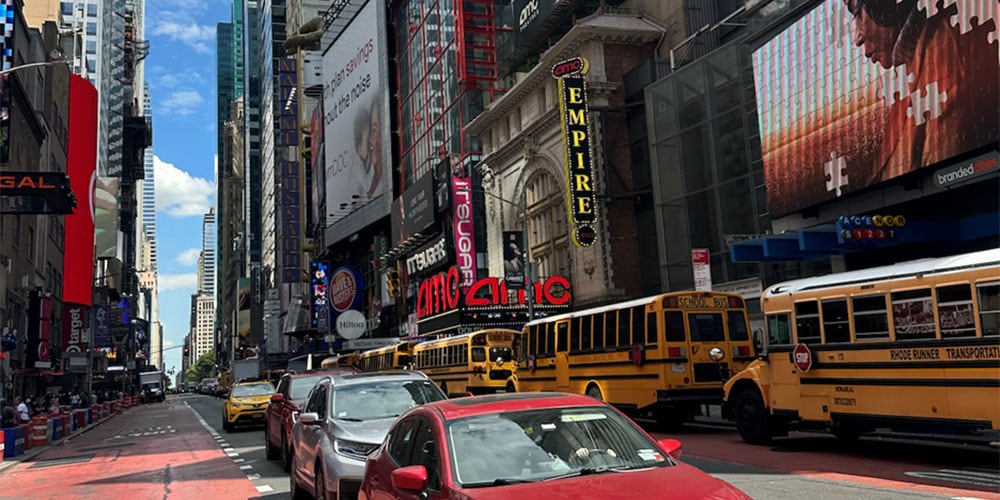
  • A street view in New York City with tall buildings, lighted signs, and cars and busses in the street.

    Being a Summer Intern in NYC

    Whitney Bartol

    This past summer I worked as an intern in New York City, and it was a whirlwind of fun and chaos all at once. Moving to a big and hustling city like this was extremely exciting but was also very unsettling to be in a new place without any familiarity. I was fortunate enough to have a lot of friends from home and from college also living in NYC for the summer, so I was able to explore, try different restaurants, and walk around new areas as much as have time outside of work. For anyone that is moving to a new city for the summer or even for full-time, here are three tips to help you adjust to an exciting and fast lifestyle.

    Get to know your coworkers.

    While this might go unsaid, it is really important to make an effort at work both tangibly and socially. You may not think that your fellow interns or even supervisors would ever be the same people you see on the weekends – but you would be surprised. It is always nice to have a familiar face in the office, and around a big city. One of the most routine events on a Thursday afternoon is office happy hour, and you want to be a part of it! Becoming close with your coworkers can make all the difference when it comes to enjoying your time in and out of the office, especially if you do not know many people.

    Sign up for classes.

    I am sure everyone has some kind of hobby or activity they have wanted to pick up and the amazing thing about cities, is that they have pretty much any kind of class you can think of. Since being here this summer, I have gone to cycling, boxing, Pilates, and barre classes around NYC. While exercise is undoubtedly great for your health and lifestyle, attending classes is a great way to make new friends or even bond with a friend you are looking to spend more time with. If you happen to hate workout classes, look for group-style classes in cooking, pottery, yoga, minigolf and even jewelry-making. Even if you only try one a month, you never know what you might learn to love or who you might meet!

    Walk around, especially without a destination.

    I know this sounds cliché, but the best adventures around a city usually come as a surprise. The great thing about a place like New York City, is it is walkable and full of different stores, restaurants, and events in every nook and cranny. When I had a free day or a free afternoon, I always tried to grab a friend and go for a walk around a new area of the city. We could catch up and do some sightseeing. Often, this ended up with us walking into small and unique thrift stores or trying a new restaurant with the most delicious sounding appetizers. It turned out to be a great way to get familiar with a new place, spend quality time with my friends, and discover new types of foods and experiences.

    Do you have a compelling story or student success tips you’d like to see published on the Pearson Students blog?  If you are a college student and interested in writing for us – click here to pitch your idea and get started! 
     

  • A coastal beach scene with palm trees in the forefront.

    The Ultimate Summer Break Bucket List

    Mandy Gonzales

    It's that time of year again! The sun is shining, and there’s still plenty of time to enjoy your well-earned free time and make the most of your summer break. From visiting new places to learning new skills, you'll find all the best ways to make the most of your summer break listed here! Start making your bucket list now! 
 

    1. Build Your Resume 


    Though nobody wants to spend their entire break working, summer is a great time to look at different career opportunities and start adding experiences to your resume! Great opportunities to consider can range from volunteer work to internships to seasonal jobs. Committing to any of these options will show future potential employers that you are hard-working and that you have valuable experience in the workforce (and will give you some extra spending cash!). Not sure where to start? Reach out to your college’s career counselor or head onto Pearson+ to check out what actively hiring career opportunities they recommend to you! 
 

    2. Learn a New Skill 


    What’s that one thing you’ve always wanted to do but just never found the time to get around  to? Well, now’s your time to get started! Whether you’ve always wanted to start playing an instrument, learn how to sew, cook up new recipes, or start a homemade garden, nothing’s stopping you now that you’re on break! Dip your toes into different hobbies and learn more about what interests you. You can also check out what clubs and organizations your school offers and connect with new people who share your passions! 
 

    3. Get Outside 


    Especially if you live someplace where the winters are long and cold (like I do!), now’s the time to get outside and enjoy the warm weather! Some of my favorite outdoor activities include hiking national parks, swimming at the pool, biking around town, having picnics in the park, or finding some local live music to listen to. Even something as simple as sitting on your porch while you read or scroll your phone can be a breath of fresh air! Make sure not to waste the days before you’ll be sitting inside of classrooms all day again! 


    4. Explore a New Place 


    Exploring someplace new can range from traveling to a different city to making it a goal to find a new coffee shop you like right in your town. One of my favorite summers was spent in London, walking all around the city and learning how to navigate the Tube. But you don’t have to save up and travel miles to have a fun summer! Whether you’re a transplant studying in a foreign city or staying close to home, there’s always tons to explore right under your nose! Try a new restaurant, check out a local concert, try to find an Instagram-able mural – get acquainted with your town and maybe find your new favorite study location! 
 

    5. Recharge Before Next Semester 

    Lastly, and most importantly, make sure that you take plenty of time to regroup over the break so that you can dive back into your next semester recharged and ready to learn. Binge a new favorite show, pamper yourself with a new haircut, and catch up on all the sleep you’ve skipped out on the past semester!  
     
    However, you choose to spend your summer break, make sure you spend plenty of time doing the things you enjoy! You’ve earned a break after a long semester of hard work– so enjoy your break! 

    Do you have a compelling story or student success tips you’d like to see published on the Pearson Students blog?  If you are a college student and interested in writing for us – click here to pitch your idea and get started! 


  • Two images – the one on the left features a group of young college students, the one on the right features a college woman eating seafood.

    The College Student’s Guide to Budget-Friendly Vacations

    Sydney Wade

    College is a time for growth, learning, and exploration, but it doesn't have to break the bank. With careful planning and smart choices, you can experience unforgettable vacations without draining your savings account. In this ultimate guide, I’ll provide tips, tricks, and strategies to plan budget-friendly vacations that won't leave you stressing over finances.

    Set A Realistic Budget

    Before planning your vacation, determine how much you can afford to spend. Consider your income, savings, and any additional funding sources such as scholarships or part-time jobs. Be realistic about what you can afford to avoid overspending.

    Choose Affordable Destinations

    Opt for destinations that are known for being budget-friendly and safe for students. Look for places where the cost of living is lower, such as Southeast Asia, Eastern Europe, or certain parts of South America. Research destinations that offer affordable accommodations, food, and activities.

    Book Flights And Accommodations in Advance

    Plan and book your flights and accommodations well in advance to secure the best deals. Airlines and hotels often offer lower prices for early bookings, so don't wait until the last minute to make your reservations. Things such as TSA precheck and Discover card offer great deals for students when purchasing TSA precheck and flights. 

    Utilize Student Discounts

    Take advantage of student discounts whenever possible. Many attractions, museums, and transportation services offer discounted rates for students with a valid ID. Look for student travel cards or memberships that offer additional discounts on flights, accommodations, and activities. 

    Use Public Transportation

    Skip the Ubers and rental cars and opt for public transportation instead. Public buses, trains, trolleys, and subways are often much cheaper than other modes of transportation and can help you save money while exploring your destination.

    Plan Free or Low-Cost Activities

    Research free or low-cost activities and attractions at your destination. Explore parks, and museums with free admission days, walking tours, or local markets. Embrace the opportunity to experience the culture and sights without spending a fortune.

    Be Flexible and Open-Minded

    Stay flexible and open-minded when planning your budget-friendly vacation. Be willing to adjust your itinerary, try new things, and embrace unexpected opportunities. By staying flexible, you can make the most of your trip without blowing your budget.

    With careful planning, research, and a bit of creativity, planning budget-friendly vacations in college is entirely achievable. By setting a realistic budget, choosing affordable destinations, utilizing student discounts, and making smart choices about accommodations, transportation, and activities, you can enjoy incredible travel experiences without breaking the bank. So go ahead, start planning your next adventure, and make memories that will last a lifetime—all while staying within your budget.

    Do you have a compelling story or student success tips you’d like to see published on the Pearson Students blog?  If you are a college student and interested in writing for us – click here to pitch your idea and get started! 


  • A group of 3 photos with outdoor vistas: a waterfall, a mountain top view, and a ski slope.

    Get Outside on Earth Day and Every Day!

    Saige O’Rourke

    Going to the University of Tennessee, I am constantly reminded of how beautiful my campus is and why it’s called “Rocky Top,” but we all tend to forget the natural beauty of the world. As college students, we are subject to submerging our heads into our laptops to meet deadlines and study for important tests; however, college students agree to set the electronics down and go outside for Earth Day every year. With many opportunities at my disposal, I tend to go outside very often. There are 3 places that have made it to the top of my list, but every day outside reminds me why this act is important.

    Ozone Falls in Rockwood, Tennessee

    Last year for Earth Day, my roommate & I visited Ozone Falls in Rockwood, Tennessee. This destination has a large waterfall accompanied by a large swimming hole at the bottom. When we arrived, we were expecting a long hike, but to our surprise this gem was easily accessible. The sight itself was breathtaking, but the freezing water of the swimming hole continued that feeling.

    Yonah Mountain, Georgia

    In the fall, I traveled down to the Georgia area and hiked Yonah Mountain with a friend. The hike itself was taxing, but the view at the top was so rewarding. It reminded me that the hard things don’t come easy, and there are so many hidden gems that people are unaware of because of the demanding work it takes.

    Pagosa Springs, Colorado

    More recently, I made my way across the country to Pagosa Springs, Colorado. My family & I visited the Wolf Creek Ski Resort which happened to be a hidden snow gem with some of the most snow in the state. We were all able to enjoy awesome powder every day, and I was able to fall without worrying about breaking my arm.

    I have not stopped thinking about these three spots since I visited them, and I will probably be a returning customer. I found myself present in the moment without digging into my phone, and I was able to fully enjoy the views in front of me. Most importantly, these areas have influenced me to explore and find similar places.

    Our Earth is beautiful, and we forget that way too often as we distract ourselves with electronics. There are many separate places to visit in every state and escape from the stressful world we live in. This is your sign to start going outside every day, not just Earth Day!

    Do you have a compelling story or student success tips you’d like to see published on the Pearson Students blog?  If you are a college student and interested in writing for us – click here to pitch your idea and get started! 

    Â