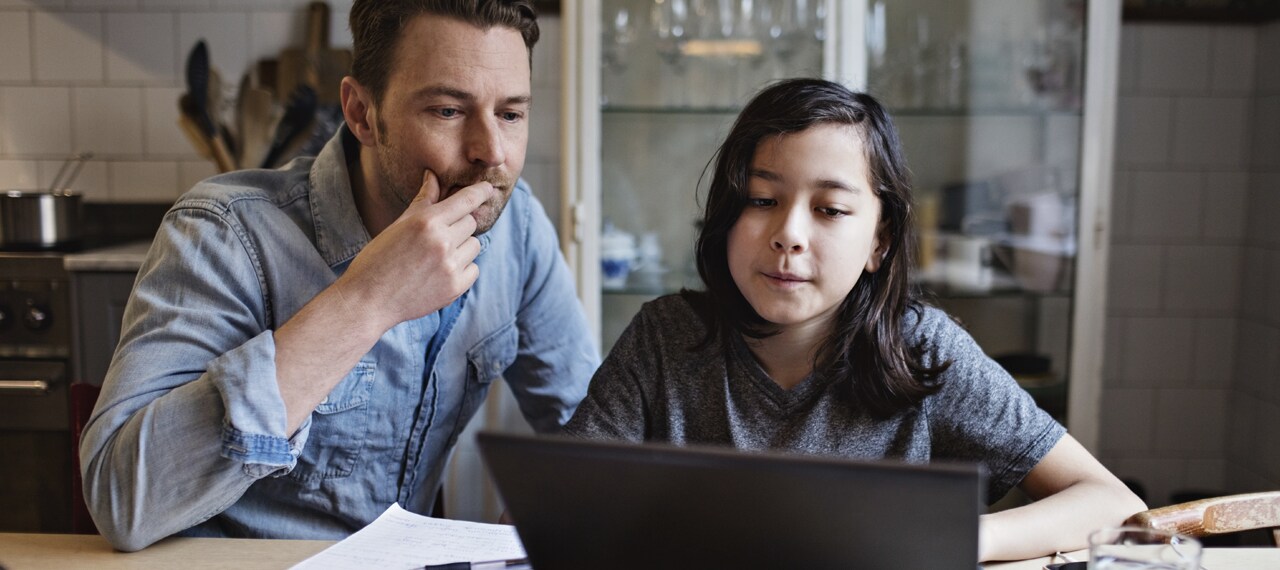
Teaching maths remotely – advice for secondary teachers
Pearson Maths Advisers, Mark and Nicola, combine their 28 years of teaching experience to offer 10 tips and considerations for secondary teachers when it comes to teaching maths remotely.
The history and geography teams at Pearson are dedicated to inspiring and developing historians and geographers of the future.
We encourage learners to develop the skills they need to understand and interrogate the world around them, so that they become well-rounded global citizens of tomorrow, leading to positive outcomes for their future careers.
As you plan for geography fieldtrips, in the local area or further afield, Eco-Schools Manager at Keep Britain Tidy, Lee Wray-Davies shares some useful tips for planning a greener fieldtrip.
Read Top tips for planning a greener fieldtrip (PDF | 2.3 MB)
Fieldwork is an important aspect of geography and helps develop an array of useful life skills. Fieldwork can be challenging, informative, sometimes messy but often a lot of fun. It allows students to explore issues and questions in a real-world context and to question their own findings. It nurtures analytical and critical thinking and helps to build resilience.
Take a look at our fieldwork videos and explore our free resources to help develop the skills you will need.
Pearson Maths Advisers, Mark and Nicola, combine their 28 years of teaching experience to offer 10 tips and considerations for secondary teachers when it comes to teaching maths remotely.
Simon Holden-White, Senior Product Manager in the Primary Maths team at Pearson, reflects on new research into teachers' views on maths education amidst COVID-19 and shares some top tips for primary schools when teaching maths remotely this lockdown and beyond.
Here the NRICH Primary Team, one of our Power of Maths partners, share their top tips for primary teachers when it comes to remote maths teaching and learning.