
Students blog

Explore the latest trends, tips, and experiences in college life in this blog written by fellow students.

Explore posts in other areas.

PreK-12Higher EducationProfessional

  • A skyline at sunrise with trees and powerlines in the foreground.

    Make Your College Town Your Home

    Kohle Nash

    When students think about starting college, they often focus on classes, residence halls, and making new friends. These are all important parts of the college experience. But another piece can make a huge difference: getting to know the community around your campus.

    For many students, college is more than just a place to attend classes; it becomes home for four years. Exploring the surrounding community can help you feel more connected, comfortable, and confident during your time in college.

    More Than a Campus

    When I first thought about college, I assumed most of my experiences would happen on campus. What I quickly learned was that some of the best memories come from exploring beyond it.

    Maybe it’s finding a favorite local restaurant, attending a community event, or simply walking around a new part of town. These experiences help students build a stronger connection to the place where they live and learn.

    Explore the Map

    Exploring the community also helps make a large university feel smaller. It's easy to fall into a routine of going from class to your residence hall and back again. Getting off campus every once in a while can be a great way to break that routine and discover something new.

    You might find a coffee shop that becomes your go-to study spot or a local business you love supporting. You could even discover a community event that introduces you to people outside of the university.

    Learn from Your Neighbors

    Another benefit of exploring your community is the opportunity to learn from the people who live there. Every college town has its own culture, traditions, and history.

    Taking the time to engage with local residents and businesses can help you better understand the area and appreciate what makes it unique. It also reminds us that being a college student means being part of a larger community, not just a campus.

    Build Skills and Your Resume

    Community involvement can also open doors to new opportunities. Volunteering, attending local events, and supporting community organizations can help students develop new skills and build professional connections. More importantly, these activities allow students to make a positive impact while they're in college.

    Enjoy the Environment

    The truth is that four years go by quickly. Before you know it, graduation will be around the corner. Looking back, many students remember not only the classes they took but also the places they explored, the people they met, and the experiences they had throughout the community.

    As you prepare for another semester or begin your college journey, challenge yourself to step outside your usual routine. Visit a new place, attend a local event, or simply spend time exploring the area around your campus.

    You never know what opportunities, friendships, or memories you might find. The community around you has a lot to offer, and taking the time to experience it can make your college years even more meaningful.

    Do you have a compelling story or student success tips you’d like to see published on the Pearson Students blog?  If you are a college student and interested in writing for us – click here to pitch your idea and get started! 
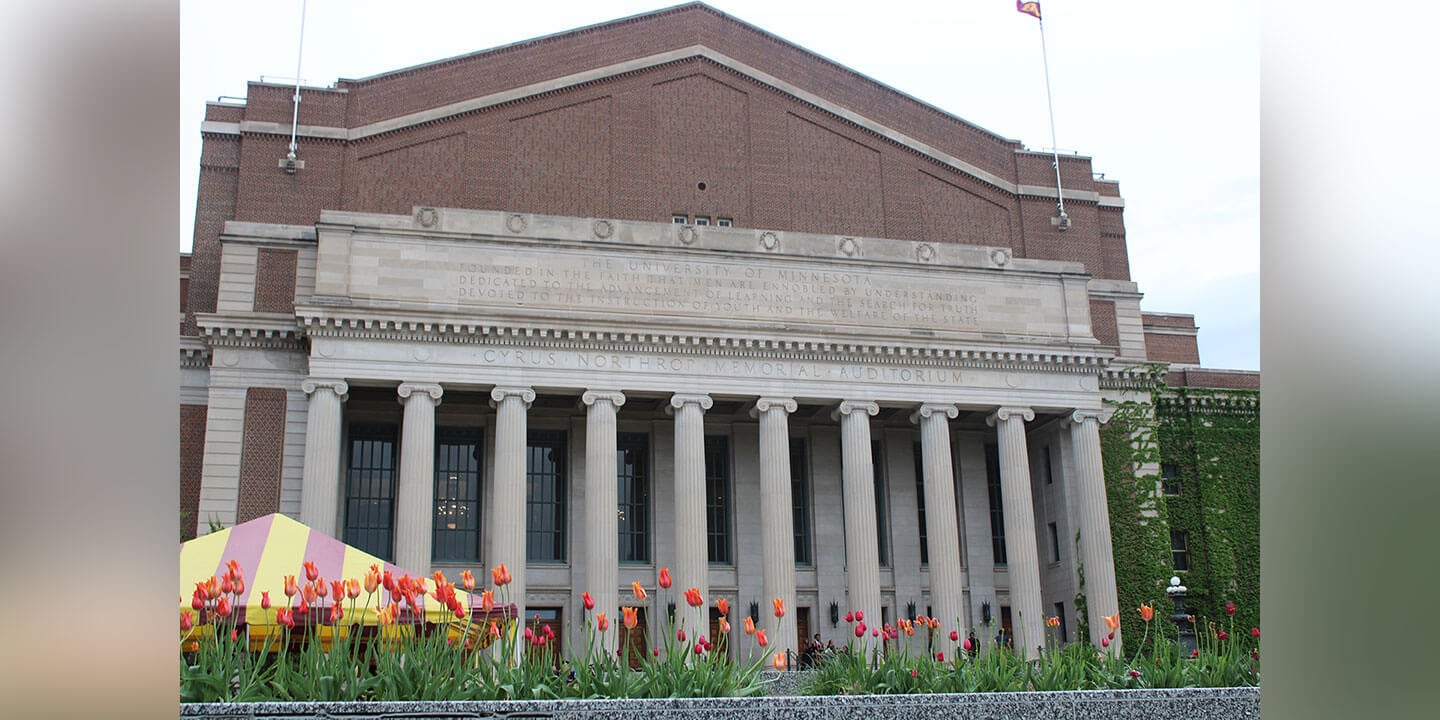
     

  • A grand brick building with columns with vibrant tulips in various colors in the foreground. A tent with red and yellow stripes is located off to the side.

    Busy vs. Productive: Study Smarter

    Joshua Corlett

    Many students think being busy means they are productive, but that is not always the case. People often spend hours studying and still feel behind. This happens because they use ineffective study habits, get distracted, and lack a clear plan.

    Things like rewriting notes, highlighting too much, and watching lectures without paying attention can feel like work. In reality, these passive methods don’t help you learn. At the same time, phones, social media, and multitasking make it harder to focus and waste even more time.

    This blog will explain why students feel busy without being productive. It will also show how to take control of your study time to save time and reduce stress.

    Ineffective vs. Active Studying

    A big reason students feel busy is that they spend time on ineffective study habits, like rewriting notes, highlighting everything, and mindlessly watching lectures. While these might feel productive, they do not actually help students learn and can waste time.

    A couple of simple fixes include active recall, practice problems, and quizzes. Actively retrieving information strengthens your memory far more than passive reading or review. Using these active study strategies will allow you to retain information faster and save time.

    Managing Your Distractions

    Another reason students are not as productive as they could be is constant distraction. The first and most obvious culprits are phones, social media, and texting. These things make it nearly impossible to stay focused and maintain a train of thought.

    A simple solution is to put your phone in another room while you do your homework. I also find it helpful to study in a quiet place with minimal distractions.

    The Importance of a Plan

    Students tend to waste more time when studying without a clear, well-thought-out plan. This can range from not knowing what to start with to jumping between tasks or studying without a clear goal in mind.

    These issues make studying disorganized and waste time on less important objectives. This can leave students feeling stressed and unprepared.

    Laying out a clear plan before studying can help avoid this headache. You should also set conceptual goals for each study session and prioritize more important tasks first.

    Be Intentional

    In conclusion, being busy and being productive are not the same thing, even though many students treat them as such. Bad study habits, constant distractions, and no clear plan can make it feel like a lot is getting done, when, in reality, time is just being wasted.

    Using better study methods, eliminating distractions, and having a clear plan can make a major difference. Once students start being more intentional with how they study, they can save time, feel less stressed, and get more out of the work they are putting in.

    Do you have a compelling story or student success tips you’d like to see published on the Pearson Students blog?  If you are a college student and interested in writing for us – click here to pitch your idea and get started! 

     

  • A graduate wearing a white dress and an open graduation gown is holding a graduation cap in front of a white fence.

    What College Taught Me (That Wasn’t in the Curriculum)

    Madeline Beavis

    People like to say college teaches you “life skills,” but most of the lessons that stayed with me were never written in a syllabus. They happened quietly and accidentally, usually in moments that didn’t feel important at the time.

    Embracing Uncertainty

    College taught me how to exist—and thrive—in uncertainty. This uncertainty makes you question everything: your major, your relationships, your friends, and even the person you’re becoming. There’s a strange transition that happens in college where you realize nobody is handing you a roadmap anymore.

    You can follow every instruction, check every box, and still feel completely unsure of where you’re headed. While this is scary, it’s also a stepping stone for growth. Adulthood is less about “having it all figured out” and more about learning how to move forward and seize opportunities without knowing the outcome.

    The Value of Being Alone

    College taught me how to be alone—not lonely. There’s a difference. For the first time in my life, I had complete control over how I spent my time.

    While college is often associated with constant socialization, some of the most important moments happened when I stepped away from it all. You do not have to accept every invitation to prove you have friends. Being comfortable alone is not isolation; it’s self-awareness.

    It’s learning who you are when nobody else is influencing your decisions. In a world that constantly pressures people to stay connected, college taught me the value of disconnecting long enough to hear my own thoughts.

    Quality Over Quantity

    College taught me that quality matters far more than quantity. I once thought success meant doing everything, knowing everyone, and filling every part of my schedule. But over time, I realized the most meaningful parts of college were never the biggest or loudest moments.

    A few genuine friendships mattered more than countless surface-level connections. A handful of experiences where I was truly invested taught me more than overloading myself just to seem accomplished. Fulfillment, both academic and social, is more than a report card or guest list; it comes from finding genuine value in what and who you choose to invest your time.

    Growth Through Action

    Confidence usually comes after action, not before it. College taught me that growth rarely comes from the sidelines. It happened when I emailed a professor, asked questions in a 300-person lecture hall, or attended a job fair where I felt underqualified.

    Somewhere along the way, I stopped waiting to feel prepared. I started realizing that the most important growth happens the moment you do something that scares you. The students who gain the most from college are not automatically the smartest or most outgoing; they are also the ones willing to risk discomfort and reach for opportunities first.

    Do you have a compelling story or student success tips you’d like to see published on the Pearson Students blog?  If you are a college student and interested in writing for us – click here to pitch your idea and get started! 

     

  • Image shows a sunset through clouds over an electrical pole.

    The Power in a Quiet Voice

    Cameron Spence

    Growing up, I always thought that confidence and success were tied to how much you spoke. The louder, the better… or so I thought.

    Leaning toward the quieter side, I was often met with comments like, “You don’t talk very much, huh?” Over time, those comments felt more like criticisms and less like simple observations.

    This led me to believe that I needed to change something about myself to keep up. Nevertheless, somewhere along the way, I started to question that assumption.

    A Professor's Simple Note

    At the end of my first semester in college, I received a note from my World of Rhetoric professor that really hit home. It read: “Cameron, you are a person of few words, but when you do speak, you are extremely thoughtful and insightful. I appreciated your contributions to this class during the semester…”

    It was such a simple note, but it hit differently. It wasn’t because someone was complimenting me, but because it confirmed something I had been slowly learning about myself. I was realizing that choosing your words carefully is not a sign of weakness, but its own kind of strength.

    Lessons from Listening

    That realization became even clearer during a two-week study abroad trip to Buenos Aires, Argentina. While many of my classmates jumped into conversations, I often found myself doing what I had always done best: observing.

    I listened to the tour guides speak for hours about the history of Buenos Aires and watched the daily life of native Argentines during my trips to the cafes. I captured small cultural differences that might have gone unnoticed if I had been focused on being heard.

    At first, I worried that I wasn’t participating enough or that the chaperones would think I was not enjoying the trip. It is common for society to equate participation with speaking. But as the trip continued, I realized that my most meaningful experiences came from listening.

    Through conversations with local students at the National University of Tres de Febrero (UNTREF), classroom discussions with our traveling group, and all the fun excursions we participated in, I gained a deeper understanding of Argentine culture than I would have by worrying about what to say next.

    Redefining Confidence

    Being quiet did not prevent me from connecting with people. It helped me connect more intentionally by listening to multiple stories and perspectives.

    When I did contribute to discussions, I found that my thoughts were often shaped by reflection and observation. I was not speaking less because I had nothing to say; rather, I spoke when I had something meaningful to add.

    For a very long time, I viewed quietness as a barrier between me and success. Now, I understand that it is one of my strengths.

    Being a listener has always helped me learn from others and build stronger relationships. Now, I know it as a skill to approach new experiences with curiosity, rather than with pressure to perform outside of my character.

    The Strengths of Silence

    In a world where the loudest voices are often celebrated, it is easy to assume that success is only for those people. But confidence does not look the same in everyone. For some, confidence means being the center of attention; other times, it is trusting that your voice has value even if you do not use it at every opportunity.

    Being quiet does not mean that you have less to contribute. The people who say the least may be the ones who are paying attention the most.

    Do you have a compelling story or student success tips you’d like to see published on the Pearson Students blog?  If you are a college student and interested in writing for us – click here to pitch your idea and get started! 

     

  • A graduation gown, cap with tassel, and purple graduation cord.

    Post-Grad Life: Myth vs. Reality

    Madeline Beavis

    Graduation is a strange milestone. Everyone celebrates it like you have "made it," but many graduates may quietly feel like they have been dropped into the middle of a game without instructions.

    One day you are turning in assignments and checking Canvas. The next, you are supposed to know what career you want, where you want to live, and how taxes work.

    The truth is, post-grad life often doesn’t look the way people imagine. And honestly, that is normal. Here are some of the biggest myths about life after college—and the realities that almost everyone experiences.

    Myth #1: You Should Have a Job Straight Out of College

    Reality: A delayed start is more common than people admit. Social media makes it seem like everyone graduates on Friday and starts their “dream job” on Monday. In reality, hiring timelines are slow, competitive, and unpredictable.

    Some people secure jobs months before graduation. Others spend the summer applying or take temporary jobs while figuring things out. Not having a job immediately after graduation does not mean you failed.

    A first job also does not have to be permanent. Your twenties are often more about exploration than perfection.

    Myth #2: You Are Supposed to Love Your First Job

    Reality: Your first job may mostly teach you what you do not want. There is a lot of pressure to find “the perfect fit” immediately, but first jobs are often learning experiences more than dream opportunities.

    You may discover you hate corporate life, remote work is not for you, or your favorite part of work has nothing to do with your degree. That is still progress. Your early twenties are often less about finding the perfect path and more about collecting information about yourself.

    Myth #3: Moving Home Means You Are Falling Behind

    Reality: It is financially smart for many people. Let’s face it, this economy is tough for many. Moving home has become incredibly common because rent is expensive, wages can be inconsistent, and many graduates are trying to save money or pay off loans.

    There is unnecessary shame around it because people associate independence with physical distance, but financial stability is independence too. Living at home for a few months or even a few years is a strategy, not a failure.

    Myth #4: You Will Stay Close With All Your College Friends

    Reality: Friendships change after graduation, even good ones. This might be one of the hardest adjustments. Most college friendships are built around proximity. After graduation, people move away, start jobs with different schedules, or enter relationships.

    That does not always mean the friendship mattered less. Post-grad friendships often require more intentionality: planning instead of spontaneity, scheduling meet-ups, and accepting different life stages. Your friendships simply have to be flexible to accommodate everyone’s new lifestyle.

    Final Reality: Nobody Really Knows What They Are Doing

    Adulthood is less about “having everything figured out” and more about adapting in real time. The people who seem most put together are often just those who have become comfortable not having all the answers.

    Post-grad life can be awkward, exciting, unstable, emotional, and full of unexpected detours. That does not mean you are doing it wrong. It just means you are in the middle of becoming who you will eventually be.

    Do you have a compelling story or student success tips you’d like to see published on the Pearson Students blog?  If you are a college student and interested in writing for us – click here to pitch your idea and get started! 


  • A graduate wearing a white dress, purple stole, and white high heels and holding a graduation cap is seated inside the "U" of a large "FSU" sculpture.

    Four Years in Garnet and Gold: Thank You, Florida State

    Michelle Qi

    From Scared Senior to Seminole

    Four years ago, as a high school senior, I thought those would be the best years of my life. I believed nothing could surpass the memories built during my teenage years.

    Choosing Florida State University was a challenge. My dad is a Gator, and FSU was seven hours from home, farther than I had ever been from my family.

    Nothing can fully prepare you for the transition to college. Living in a dorm, so far from everything familiar, felt overwhelming. It seemed like everyone already had their friend groups, while I was left alone.

    A Change in Mindset

    For a while, I was at a standstill. Although many people see me as a social butterfly, I was also self-conscious. However, I believe your life is determined by your mindset, and your mindset becomes your life. If nothing changes, nothing changes.

    It took me a while to internalize that concept, but everything slowly started shifting once I did. I began joining communities that welcomed me with open arms.

    Little by little, I became involved at Florida State. I joined organizations like Student Government, Student Foundation, and my sorority, became a Resident Assistant, and started saying yes to opportunities that once intimidated me. Each experience shaped me into the woman I am today.

    My Advice to You

    Somewhere between late-night fountain throws, Tuesday nights out, Vice Philly cheesesteaks, second-floor study sessions at Strozier, Saturday football games, and meals at Pi Beta Phi, I discovered myself. In life, there are no “good” or “bad” experiences, only experiences.

    My advice for anyone nervous about college or not yet enjoying their time on campus is simple: don’t be embarrassed to try. Embarrassment is not real unless you allow yourself to feel it. Go to karaoke, raise your hand in that big lecture class, or walk up to the person you always see at the gym.

    Another thing college taught me is the importance of saying yes. Let “yes” become part of your vocabulary so “regret” does not. You will regret saying “no” far more than you will the times you took a leap of faith.

    The time is now. Most of my mistakes came from convincing myself I would do something later. Procrastination is the thief of time and joy in everything from studying for exams to texting someone “happy birthday.”

    There is no perfect place or perfect time. The right moments are the ones you create in the present. Life moves quickly, so grab the moment like it is a present wrapped just for you.

    More Than a Degree

    Success is not measured only by grades, internships, or achievements. It is also measured by the memories you create, the people you impact, and the person you become. I leave Florida State not only with a degree but with a version of myself that I spent four years building.

    If my high school senior self could see me now, she would know this was the best decision I ever made. I came, I saw, and I left unconquered. Thank you, Florida State University, for the best four years of my life.

    Do you have a compelling story or student success tips you’d like to see published on the Pearson Students blog?  If you are a college student and interested in writing for us – click here to pitch your idea and get started! 

     

  • Image shows four teammates with their arms around each other and their backs to the camera facing the crowd cheering them on.

    Find Your Focus: Being Intentional with College Involvement

    Johnny Baratta

    In college, it can be easy to become overwhelmed with all the campus activities available. With so many clubs, jobs, classes, and opportunities, it’s easy to overcommit and fill your calendar with things you’re only somewhat interested in. But maybe being busy isn’t the problem; how you’re busy can make all the difference.

    What if, instead of doing a little of everything, you could build more meaningful experiences with fewer memberships? Taking on leadership roles, showing up consistently, and engaging in smaller events within a few organizations can be far more valuable than being loosely involved in many.

    The "Spread Too Thin" Trap

    When I first got to the University of Illinois, there were a lot of organizations I wanted to be a part of, and at first, I was. I tried them out, connected with people, and saw how they fit into my schedule.

    However, I wasn’t feeling a strong connection with any of them. I made small talk with members but wasn’t building genuine relationships. I saw those around me becoming close and wondered why.

    After some reflection, I realized they were showing up to everything and putting one hundred percent into the organizations they cared about. I wanted to do that too, but I was spread too thin.

    Finding Your Focus

    Eventually, I found the organizations that meant the most to me. I realized I was naturally gravitating toward the Student Alumni Ambassadors and my social fraternity, so I decided to prioritize them.

    Instead of trying to do a little of everything, I committed myself more fully to the organizations I was truly passionate about. I showed up to the smaller events, took on leadership opportunities, and made an effort to be consistently involved.

    The Rewards of Deeper Involvement

    With this change, I found much more than activities to fill my schedule. I made best friends, discovered new homes on campus, and developed a real sense of belonging. The other organizations slowly phased out, but I remained just as busy, if not busier.

    The difference was that my time now had greater purpose. Because I was more intentional with my involvement, I was able to make a stronger impact and serve in executive positions. This created more meaningful experiences than I ever could have by spreading myself too thin.

    The Return on Investment

    College involvement is not about doing as many things as possible. It is about finding the places where your passion naturally pulls you and investing your energy there. Staying intentional with how you spend your time can lead to deeper relationships, stronger leadership opportunities, and a much more fulfilling college experience.

    Do you have a compelling story or student success tips you’d like to see published on the Pearson Students blog?  If you are a college student and interested in writing for us – click here to pitch your idea and get started! 

     

  • The image shows a sign with the words "Counseling Services" in light blue and an arrow pointing the way posted on a wall.

    Navigating Social Anxiety with Campus Counseling

    Alexis Ele

    I don’t know about you, but my first-year experience didn’t look like what orientation presented. Sure, I made a few friends here and there, but we never stuck together. And I get it; people say I ought to be more outgoing and reach out, but for me, nothing compared to the amalgamation of judgments I was convinced everyone held about me.

    At the end of my first year, I was socially and academically burned out. I was yearning for a space to belong and a group of friends to just talk with. However, making that happen felt uncertain, risky, and scary.

    But I knew I had to find this place for myself. To do so, I had to overcome one of my biggest fears: talking to people.

    Knowing When to Reach Out

    At first, I tried to reach out to classmates. However, the idea of doing so made me very nervous, and I would imagine our future interactions before the first one even happened. I became excessively nervous about my words and body language, which led to social isolation during my first year.

    At this point, I realized my anxiety was largely affecting my social life, so I sought help at my university’s counseling center. Everyone’s reasons for pursuing counseling are different; in my case, they greatly influenced the way I made friends. I strongly wanted a place to belong on campus and was willing to go to counseling to do so.

    Exploring My Counseling Center's Options

    My counseling center at the University of Nevada, Reno, had two buildings: an annex and the main office. The annex offered quick drop-in sessions titled “Let’s Talk,” where a student could come in at any time to discuss anything they wished. This annex provided a safe listening space for students and helped me significantly with social distress on difficult days.

    I also took advantage of the main office to treat my social anxiety. I actively participated in group therapy, including an interpersonal therapy group. These sessions helped me challenge the cognitive distortions I had related to social anxiety.

    I was able not only to come out of it more socially confident but also to make more friends who experienced the same struggles as I did. Group therapy can foster a sense of community and belonging, helping students feel less isolated.

    The Life-Changing Impact

    My journey with my university’s counseling services was transformative. It provided a dedicated space to unpack common college struggles, which made me feel less alone. More importantly, I grew confident in my ability to reach out to people without my old habit of overthinking the outcome.

    Beyond simply treating social anxiety, counseling taught me invaluable life lessons in self-compassion and communication. My college experience today looks nothing like that isolating first year. I learned that seeking help is not a weakness but a courageous first step toward building the life you want.

    I will always be the number one advocate for taking advantage of campus counseling centers, especially if they are included in your tuition. If you feel like you're on the outside looking in, it might just be the key to finding the community you’ve been searching for.

    Do you have a compelling story or student success tips you’d like to see published on the Pearson Students blog?  If you are a college student and interested in writing for us – click here to pitch your idea and get started! 
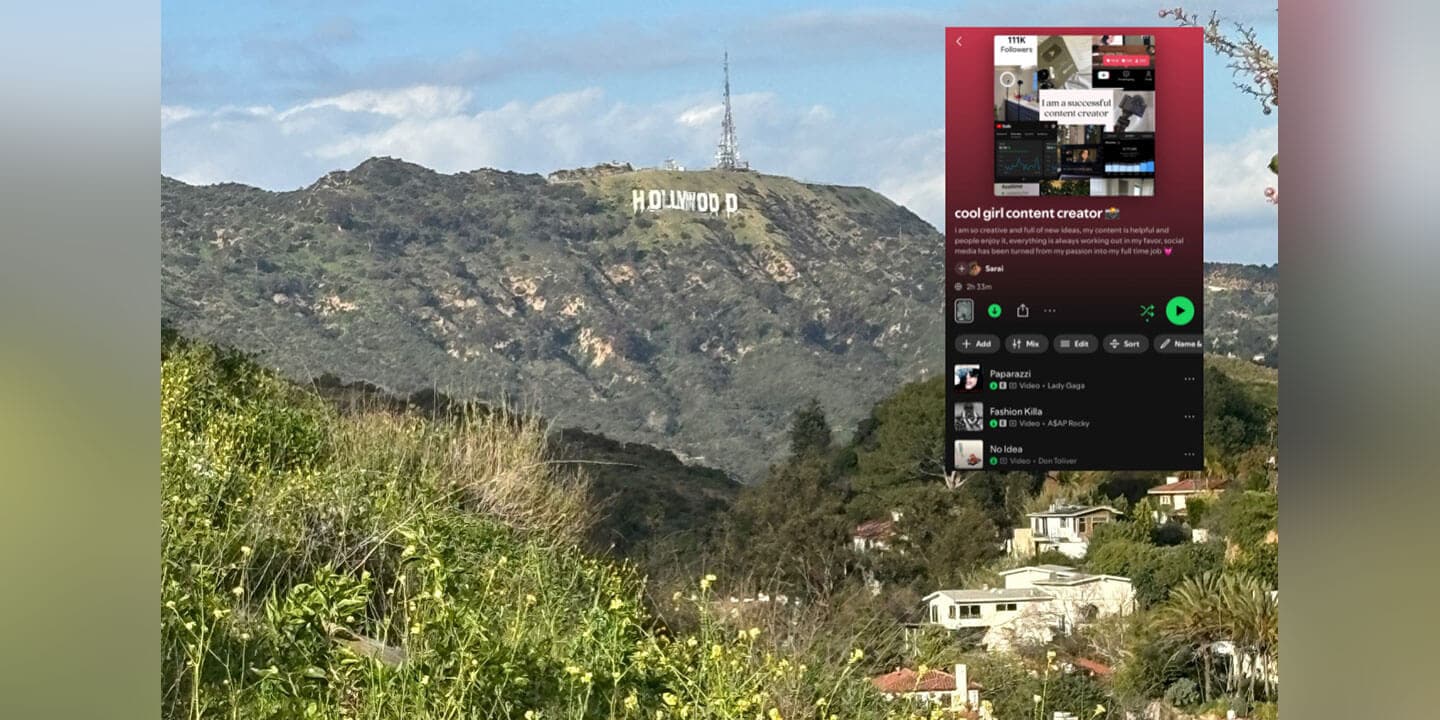
     

  • A screenshot of a Spotify playlist called “cool girl content creator" is superimposed on the scenic view of the iconic Hollywood sign, set against the hills of Los Angeles.

    A Soundtrack for Becoming

    Sarai Rhodes

    There’s a difference between walking to class in silence and walking with the right song playing. Same campus, same routine, but everything feels different. The walk feels lighter, and even my movements feel more intentional.

    At some point in college, music stopped being background noise. It became a tool I used to shape my mood and make everyday moments feel bigger than they were.

    When Everything Felt Heavy

    My first year didn’t go as expected. I came in as a biology major, got overwhelmed quickly, and ended the semester sick and drained. I was stressed all the time.

    Looking back, I wasn’t really listening to music then. When I did, I would just pick songs that matched how I already felt: slow, sad, and melancholic. I wasn’t trying to change my mood; I was just sitting in it.

    A Gift That Changed Everything

    At the end of that year, my best friend, CJ, got me a pair of headphones for my birthday. It felt like a small gift, but it changed more than I expected.

    I moved off campus for my sophomore year, so my walk to class went from ten to thirty minutes. Without really thinking about it, I started doing something different. I stopped choosing music that matched my mood and started choosing music to change it.

    From Campus Walks to L.A. Flights

    It started small. On my walks, I’d play my “hot girl walk” playlist, full of upbeat songs by Nicki Minaj, Cardi B, and Katy Perry that made me feel more confident. My walks began setting the tone for my day, and I noticed I was in a better mood.

    Soon, I started making playlists for the mindset I wanted. I wanted to create social media content but was overthinking and worried about being judged. Knowing I had to change my mindset, I made a playlist: “cool girl content creator.”

    I built it around the confident person I wanted to become, with songs like “Applause” by Lady Gaga and “Money” by Cardi B. I listened while getting ready, filming, or even just thinking about creating. It made that version of my life feel real.

    A few months later, my content took off. I grew to more than 100,000 followers on TikTok, worked with brands, and was invited to YouTube headquarters. Listening to that playlist on the flight to Los Angeles, I felt it all come full circle.

    Set the Tone with a Soundtrack

    Music went from passive to powerful, helping me move from feeling overwhelmed to feeling in control.

    Start small. Make one playlist based on how you want to feel, not how you feel now. Play it while you’re getting ready or walking to class, and notice the difference.

    Next time you put your headphones on, don’t just press play. Think about how you want to feel for that moment, that day, or that week, and choose your soundtrack from there.

    Do you have a compelling story or student success tips you’d like to see published on the Pearson Students blog?  If you are a college student and interested in writing for us – click here to pitch your idea and get started!