Students blog

Explore the latest trends, tips, and experiences in college life in this blog written by fellow students.

Explore posts in other areas.

PreK-12Higher EducationProfessional

  • The Blog Author, Royale, is standing in front of a room full of students in a lecture hall.

    Habits: The Real Superpower Behind Success

    Royale Bey

    Winners and losers both set goals. The difference between the winner (who achieves their goal) and the loser (who never achieves their goal) is their habits.

    The Habit is the Goal

    Let’s be honest: college (and life) often feels like juggling fire while riding a unicycle. With classes, commitments, and the temptation of “just one more episode,” it’s easy to rely on bursts of motivation. But motivation is like campus Wi-Fi — it works great when you have it but disappears the moment you need it most. That’s why habits are the true change-makers.

    Many people treat habits as seasonal tools — something you do just to hit a temporary goal. But this is a limited mindset. Instead, if you make the habit itself the goal, the results will naturally follow. In fact, when you make a habit part of your identity (“I am a runner” instead of “I want to run a 5K”), the goal becomes your reality almost effortlessly.

    How to Build a Habit

    If you want to hear from a habits expert instead of a college student who still procrastinates on homework, I highly recommend the book Atomic Habits by James Clear. Clear breaks down the science very “clearly” (pun intended). He emphasizes that building habits isn’t about massive overhauls, but small, consistent wins that compound like interest.

    He outlines four key steps to building a habit:

    1. Create a cue. Something triggers you to act. Walk into the kitchen? You’re suddenly opening the fridge. Your environment often cues your behavior.

    2. Lower the activation energy. Make the habit easy to start. If your guitar is stored in the attic, odds are you’ll never play it. But if it’s on a stand next to your desk, picking it up becomes effortless. Small changes in your setup can significantly lower the barrier to action.

    3. Practice the desired response. This step is like the first day at the gym: everything feels heavy, awkward, and maybe even a little embarrassing. But with repetition, what once seemed impossible becomes second nature. Think about learning to ride a bike: the first tries are wobbly, but soon you’re cruising without thinking. That’s your brain engraving a new neural groove.

    4. Make it enjoyable. If the habit feels rewarding, your brain will want to repeat it. Find ways to make it fun, reward yourself, or pair it with something you already enjoy.

    The Genius of Habit Stacking

    One of my favorite techniques from the book is habit stacking — linking a new habit to an existing one. It’s like sneaking vegetables into your mac and cheese. You don’t notice the effort as much, but the benefits add up.

    Personally, I’ve found success by stacking habits in simple but powerful ways:

    • While driving, I practice sermons or presentations. My car becomes a mobile rehearsal hall.
    • In the shower, I listen to podcasts or recordings — yes, multitasking cleanliness and personal growth.
    • When I eat, I often read a book. It nourishes both my body and my mind.

    These habit stacks have multiplied my growth without feeling like extra work.

    Turn Knowledge Into Power

    At the end of the day, knowledge alone isn’t power — the application of knowledge is power. You already know habits matter. Now it’s time to put them into practice.

    Start small. Stack wisely. Lower the barriers. Reward yourself. Before long, you’ll realize your habits aren’t chores — they’re the superpowers fueling your success.

    So here’s the challenge: don’t just read this. Go apply it. You already have the knowledge — now it’s time to unlock your power.

    Do you have a compelling story or student success tips you’d like to see published on the Pearson Students blog?  If you are a college student and interested in writing for us – click here to pitch your idea and get started! 

     

  • The blog author and her grandfather are standing outside at a picnic.

    From the Capitol to the Kitchen Table: A Veterans Day Reflection on My Grandfather's Service

    Riley Maddox

    The Personal in the Political

    As a political science student, I’ve spent a lot of time thinking about the foundations of our government and the principles that make America what it is today. It’s easy to get caught up in theoretical discussions about democracy, freedom, and citizenship—abstract ideas we study in textbooks and debate in classrooms.

    However, my understanding has evolved as I’ve learned more about our history and political system. I’ve come to realize that these concepts aren’t just ideas on a page; they’re the lived experiences of people who sacrificed so much for the freedoms we now enjoy.

    During my time in Washington, D.C., I couldn’t help but think of my grandfather’s service and what it has meant for my family and our country. I wrote the following letter to him during one of these reflective sessions. It was a moment where I found my work, studies, and family history combining into a deeper understanding.

    Dear Grandpa: A Letter from the Capitol

    As I sit here in the Library of Congress, looking out at the United States Capitol, I’m reminded of the symbolism that this place holds. Perched atop the Capitol dome is a 20-foot, 15,000-pound statue—the Statue of Freedom. This statue represents the triumph of freedom, both in times of peace and war. It’s a powerful symbol of our nation’s values, standing tall above Washington, D.C., and visible from many parts of the city.

    During my time working here, I’ve learned about the statue’s significance. Tour guides often point out that it faces east, symbolizing the welcoming of new opportunities and the protection of the freedoms we hold dear. But, while the statue is a beautiful reminder of our nation’s ideals, it’s not the statue itself that upholds these values. It’s the people who fought for those ideals—people like you, Grandpa.

    When I look at that statue, I’m reminded of you and your service. It makes me think of the sacrifices you made and how you fought not just for a statue, but for a way of life that we all cherish. The Statue of Freedom may stand tall in the Capitol, but it is your bravery, your sacrifice, and your love for this country that truly embody freedom.

    As we approach Veterans Day, I want to take a moment to reflect on everything you’ve done for this country. I think about how you left your family and your life behind to serve and protect others. You risked everything so that others wouldn’t have to. Every time I pass the Capitol, I think of you and the legacy you’ve created—not just for our family, but for our nation.

    I don’t say it enough, but I am deeply thankful for your service, Grandpa. I am proud to have you as my grandfather, and I miss you more than words can express. I can’t wait for the day we’re at your kitchen table again, debating politics and enjoying frozen Oreos together.

    Take care, Grandpa. I love you.

    – Riley Mai Maddox

    Stories Complement Our Studies

    It’s easy to get caught up in definitions, theories, and analysis while studying history and politics in college. But we all have a story to tell about our experiences in this country, and every experience is part of a shared history.

    Sharing our stories and honoring our experiences helps turn our knowledge into insight. As valuable as textbooks are, we are the source of how those theories translate into real life.

    Happy Veterans Day to all, and thank you for your service, your sacrifice, and your story.

    Do you have a compelling story or student success tips you’d like to see published on the Pearson Students blog?  If you are a college student and interested in writing for us – click here to pitch your idea and get started! 

     

  • A computer-generated graphic with the word ‘HEAL’ set against a grey and pink background.

    Change of Plans: Overcoming a Summer Injury

    Linda Roman

    Getting injured during summer break was not on my agenda. I had envisioned an active summer filled with walks, gym sessions, and trips to the park with my kids – anything that kept me moving.

    But life had other plans, and a fall left me with three stitches below my knee. While the injury wasn’t severe, it was enough to sideline my plans and force me to rethink how I could make the most of my summer break.

    Here are my tips for overcoming an unexpected injury and salvaging your summer.

    Pause: Protect Your Mental Health

    As I sat in the emergency room, all I could think about were the activities I wouldn’t be able to do. The realization hit me hard. As my plans unraveled, I felt overwhelmed, sad, and defeated.

    That wave of defeat brought a flood of emotions I couldn’t ignore. It forced me to pause and reflect on my mental health.

    Journaling became a quiet but powerful tool, helping me track small wins each week and stay connected to my progress. I also allowed myself to be vulnerable and accept help when it was offered. I’ve learned that this isn’t a sign of weakness but a strength in the healing process.

    Pivot: Prioritize Healing

    Even though my injury wasn’t as severe as it could have been, it still came as a shock. I felt discouraged and disappointed, but I quickly realized that prioritizing my healing was essential for both me and my family.

    It’s frustrating when your plans suddenly revolve around limitations. My summer goals included staying active, hitting the gym, starting a jogging routine, and keeping my kids active every day. But with the injury, I had to pivot and adjust my expectations. I adapted and found different ways to stay engaged and make the summer enjoyable while respecting the healing process.

    I’ve learned that progress isn’t about pushing through pain. It’s about listening to your body, adapting to the situation, and following your doctor’s guidance to support a full recovery. Summer doesn’t have to come to a halt; it can simply take a more mindful and intentional path.

    Adapt: Focus on Low-Impact Activities

    Although my injury wasn’t major, the stitches on my knee made it painful to walk, bend my leg, or climb stairs. Despite these limitations, I still wanted movement. Even something as simple as stepping outside for fresh air became a small but meaningful effort. I attended most of my son’s baseball games, which did wonders for my mental health.

    Rather than dwelling on what I couldn’t do, I focused on what I could do. Walking wasn’t an option, but I still found joy in sitting outside with my laptop, catching up on schoolwork, and watching my kids run around the yard. Those slower, quieter moments brought me a sense of peace and fulfillment.

    Resilience through Recovery

    An injury might change your summer, but it doesn’t have to ruin it. You can replace a summer of high-energy plans with one of intentional engagement. Embrace new, low-impact activities while prioritizing your healing and mental health.

    Overcoming a setback like this can be about more than just healing your body. It can be a path to discovering your resilience and finding peace even when things don’t go as planned.

    Do you have a compelling story or student success tips you’d like to see published on the Pearson Students blog?  If you are a college student and interested in writing for us – click here to pitch your idea and get started! 

     

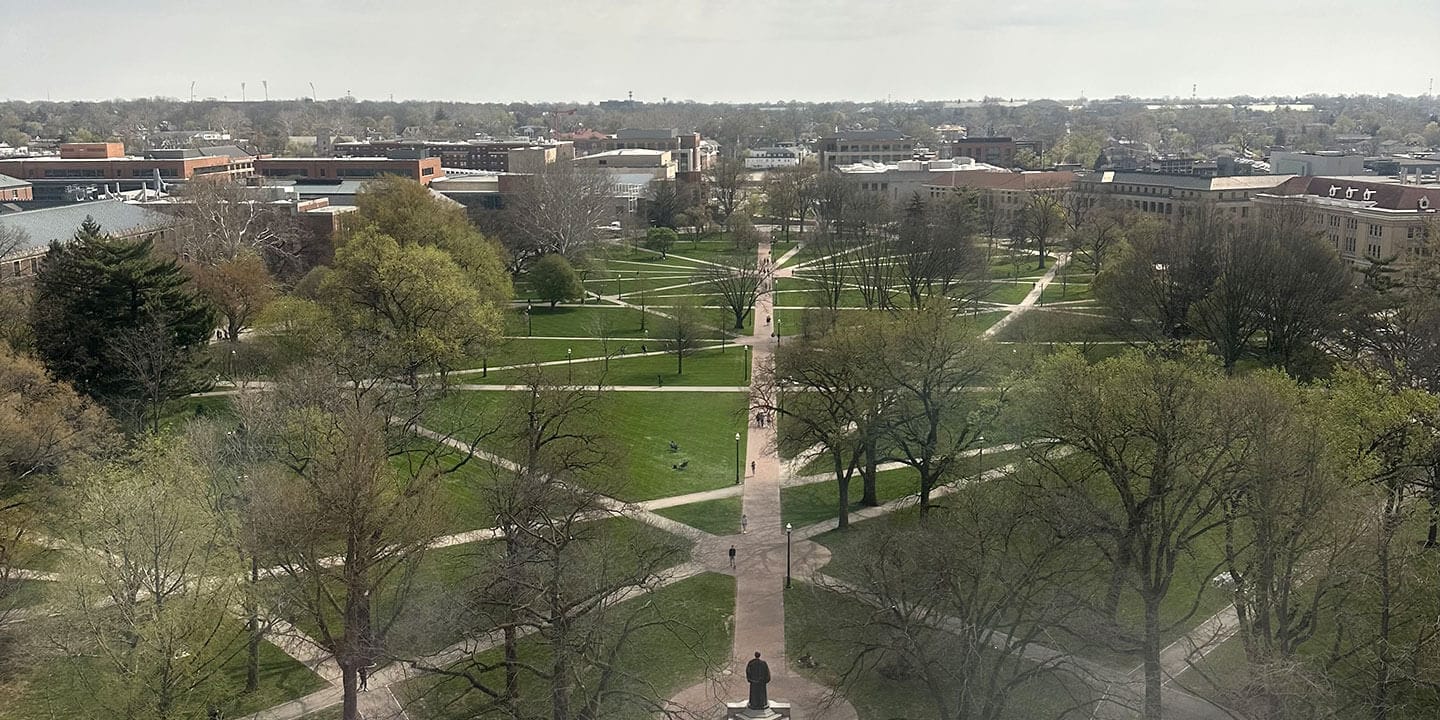
  • An aerial view of the blog author’s campus.

    Unexpected Connections: How Music Production Taught Me Teamwork and Timing

    Kohle Nash

    When I joined my college’s music production club, I thought I was simply pursuing a personal passion. I’ve always enjoyed experimenting with beats, layering sounds, and figuring out how different pieces of music come together. I did it purely for fun, as a creative break from classes and assignments.

    But over time, I noticed something surprising: the same skills I was honing in the studio were showing up in my classes, group projects, and even internships.

    At first, the club felt like a totally separate world. We’d meet in a small room filled with cables, keyboards, and speakers. There, we would bounce ideas off each other, working to turn rough ideas into polished tracks.

    I thought I was just learning how to make music. I didn’t realize I was also learning how to collaborate.

    The Rhythm of Collaboration

    Producing music with a group teaches you timing, both musically and in how you interact with others. You learn how to listen, when to speak up, and when to step back. You learn that great tracks stem from collaboration, not from one person controlling the sound.

    That exact mindset helped me become a better teammate in academic group work. I began communicating more clearly and offering more constructive feedback. I also became more open to letting go of my own ideas if another approach worked better.

    Patience in Production

    Another unexpected takeaway from music production was patience. When you’re mixing a track, it never sounds perfect on the first attempt. You adjust one sound, then another, and often go back to revise something you already “finished.”

    This trial-and-error process made me more comfortable with revising my work in school. Whether it was an essay, a presentation, or a project, I stopped striving for perfection on the first try. Instead, I learned to trust the process, just as I do in the studio.

    Confidence in Communication

    Even public speaking felt less intimidating. I used to get nervous presenting in class, but explaining beats and sound design choices to my club members helped me find confidence in my voice.

    When you talk about something you’re passionate about, you naturally become a better communicator. That skill started spilling over into all areas of my life.

    Transferable Skills in Hobbies

    I joined the music production club because I liked making beats. I stayed because it helped me grow in ways I never anticipated.

    I learned how to collaborate, how to be patient with my work, and how to express my ideas with confidence. What started as a fun, creative outlet became a transformation in the way I approach school, group settings, and even my professional life.

    If you have something you love doing outside of class, don’t underestimate its value. You might think it’s just a hobby, but it could teach you more than you realize.

    Do you have a compelling story or student success tips you’d like to see published on the Pearson Students blog?  If you are a college student and interested in writing for us – click here to pitch your idea and get started! 
     

  • A close up of someone’s hand holding a written draft of a resume.

    Embrace Being Unqualified: Why you should apply anyway

    Liana Ortiz

    Embrace being unqualified! I know, it might sound odd but hear me out. College is the perfect time to step out of your comfort zone. It’s the best time to take risks and pursue opportunities that may feel just a little out of reach. Many of us, as college students, often feel we’re not qualified for the roles or opportunities we want. I can confidently say that during my job searches, I have run into the recurring issue of not having enough experience. However, being comfortable with the experience I do have, no matter how minimal, has given me the confidence to go after opportunities I might not have otherwise considered.

    The reality is, not applying for a position doesn’t give us any better chances, so why not take the risk? I want to share why I believe we should be more comfortable trying for things we don't initially feel qualified for.

    For one, applying when you don’t expect too much can take a lot of the pressure off. The best interviews I’ve ever had were for positions I thought I had little chance of landing. Going in with low expectations allowed me to put everything I had on the table without worrying about making mistakes. Often, the pressure to succeed comes from thinking we should get the position, when that may not be the case. Letting go of that mindset can set you up for success.

    You also never know what employers/interviewers are looking for. There may be qualities and experiences you have that could make you a more well-rounded or multifaceted candidate than you realize. Employers may value things you never even thought to mention, such as transferable skills or ability to learn quickly. Sometimes, we underestimate what we bring to the table just because we don't meet all the listed qualifications. It’s easy to assume that a great opportunity is out of reach because it seems too competitive or too good to be true. But sometimes, those opportunities might not be as competitive as you think.

    One of my favorite experiences with embracing this mindset was when I reached out to a faculty member conducting research at my college. As a new freshman with no knowledge of an existing position, I never even thought I would get a response and only reached out on a whim. Still, I decided it was worth a shot. To my surprise, I was quickly offered an interview and added to the research team on the spot! A great example of you never know until you try.

    At my college, most students have to apply for jobs they don’t feel qualified for as part of the Co-op program. So, this idea is very accepted on my campus. But I can tell you from what I’ve seen that if my friends hadn’t taken these risks they would’ve missed some of their best opportunities! My roommate recently applied for several Co-op positions none of which she felt qualified for because she had no experience in her field. But she went for it anyway thinking all she needed was to get one. She ended up getting offered every single job! Another friend of mine saw an opportunity to apply to be on the executive board of her organization despite only being a 2nd year (of a 5-year program). She ended up being offered next year’s president position! The moral of the story is that sometimes we let insecurities hold us back from what could be some of our most exciting and rewarding experiences. You may be more qualified than you think!

    Do you have a compelling story or student success tips you’d like to see published on the Pearson Students blog?  If you are a college student and interested in writing for us – click here to pitch your idea and get started! 

     

  • A building on the Florida A&M University campus. It has six white pillars across the front with a brick walkway leading to the door.

    Redefining College Success: Carving Your Own Path

    Natalie Jacobs

    Before stepping foot on campus, you are often bombarded with stories about college — tales of life-changing experiences, academic achievements, and unforgettable social moments. These stories, while well-intentioned, can sometimes create an overwhelming sense of expectation. The pressure to succeed, be involved, and make every moment count can make it feel as though you are chasing an ideal rather than crafting your own experience. However, college is a deeply personal journey, and learning to filter external expectations is key to finding confidence in yourself.

    If someone tells you that joining multiple organizations was the highlight of their college life, you might feel pressured to do the same—even if balancing multiple extracurriculars isn’t what you want. Or another individual might tell you success in college means landing prestigious internships or graduating with honors, so you chase the highly coveted title of “academic weapon.” A common one that you’ll hear is that college is about personal growth, forming meaningful relationships, or simply making it through each semester while maintaining a healthy balance, so you lay back and chill out, which may stress you out more.

    Granted, advice from friends, family, and professors can be valuable, offering insights you might not have considered, and it’s okay to take guidance from those who have walked this path before you. But their experiences should serve as reference points rather than blueprints, and success in college is not one-size-fits-all. What worked for someone else may not necessarily work for you, and that’s perfectly fine.

    The key is defining what success looks like for you and allowing that definition to evolve as you grow. Instead of following someone else’s version of success, reflect on your own goals
    and personality. Are you happiest when deeply involved in a few meaningful activities, or do you thrive in a wide range of experiences? College is about discovering what fulfills you, not about replicating someone else’s path.

    Start by setting personal goals based on what truly matters to you. Maybe your priority is exploring new academic interests, or perhaps you want to focus on mental well-being while maintaining a solid GPA. Whatever your goals may be, they should align with your values, not with what others expect of you. It’s easy to get caught up in comparison, especially in a world where social media highlights everyone’s best moments. Seeing peers securing dream internships, acing exams, or attending endless social events can make you question whether you’re doing enough. But remember: people showcase their successes, not their struggles. When you start to feel overwhelmed by external expectations, take a step back. Limit your exposure to sources that fuel unnecessary pressure. Unfollow accounts that make you doubt your own progress, and instead, seek out spaces that support and encourage your unique journey. Surround yourself with people who uplift you, not those who make you feel inadequate.

    And to close this article out, remember that there’s no universal timeline for success. Some people find their passion in their first year, while others take time to explore. Some land their dream job right after graduation, while others carve their own unconventional paths. Your journey is yours alone, and it’s okay if it doesn’t mirror someone else’s. Growth and fulfillment don’t follow a strict schedule. College is a time of exploration, growth, and self-discovery. While it’s helpful to listen to advice and learn from others, the most important thing is to remain true to yourself. Define your own version of success, take the advice that resonates with you, and have the confidence to carve your own path. By doing so, you will create a colorful college experience that is a combination of all the advice you have received — all on your own.

    Do you have a compelling story or student success tips you’d like to see published on the Pearson Students blog?  If you are a college student and interested in writing for us – click here to pitch your idea and get started! 
     

  • Four college women are gathered in front of a banner with the words ‘Happy Friendsgiving’.

    Becoming Your Best Self

    Elise DeCamp

    Being in your early 20’s can be a whirlwind of uncertainty. What do I want to do with my life? Where do I want to live? Who am I? What do I like, what don’t I like? These questions seem endless. Your 20’s is a crucial time to figure out who you are independently and your experiences and values ultimately shape who you become. The truth is I feel like everyone feels like this and taking the time to ask these questions is already a step in the right direction.

    Discovering Yourself through Hobbies

    Finding hobbies that are tailored to you is the best way to get to know your interests and values. The key is finding hobbies you genuinely enjoy doing in your free time without feeling like a chore. By incorporating hobbies that fill aspects of your life —social needs, professional needs, creative needs, physical needs and self-care needs— you’ll create a well-rounded foundation for personal growth. Ultimately finding a few hobbies in each of these categories will set you up for success with truly knowing yourself.

    Social Hobbies: Building Connections

    Fulfilling your social needs is essential for personal well-being. Surrounding yourself with the right people and meaningful activities can enrich your life. Your social needs can be met in a few different ways like hosting dinner parties, joining a book club, going out with friends, going to brunch or visiting some of your favorite places with your friends. When it comes to socializing and friendships, quality often outweighs quantity. Finding like-minded friends and a support system will help you grow in ways you’ve never expected.

    Intellectual Hobbies: Expanding Your Mind

    Keeping your brain engaged is just as important as staying physically active. Intellectual hobbies challenge you, enhance your skills and help you become a more well-rounded person. Consider exploring activities like reading books, watching documentaries, learning a new language, taking online courses to grow your skills and writing. Engaging in these types of activities will not only sharpen your mind but also enhance your ability to communicate and connect with others.

    Physical Hobbies: Keeping Your Body Active

    Physical hobbies are so important for keeping both your mind and body sharp. The beauty of movement is there is something for everyone! There are so many different sports and activities you can do like swimming, tennis, volleyball, golf, Pilates, running, dancing and so much more! Finding a physical activity that you enjoy will make it easier to stay consistent and improve your well-being.

    Self-Care and Wellness: Recharging your Energy

    Taking care of yourself is just as important as any other aspect in life. Prioritizing self-care ensures that you have the energy and mental clarity to pursue your passions. Self-care can be different from person to person, but some great ones are spa days, meditation, journaling, practicing your religion, nature walks, massages and therapy and counseling. These activities should help you feel recharged and ready to take on the world!

    Embracing Your Journey

    Becoming your best self is not about having all the answers. It’s about being open to exploration, growth and creating your own happiness. Your 20’s are the perfect time to experiment and figure out what truly fulfills you. The key is to embrace the journey, stay focused and build a life that aligns with your values.

    So, what’s one new hobby you want to try?

    Do you have a compelling story or student success tips you’d like to see published on the Pearson Students blog?  If you are a college student and interested in writing for us – click here to pitch your idea and get started! 

     

  • An outdoor area featuring a walkway, landscaping, and a pond with a fountain.

    How I’m Organizing My 2025

    Taylor Perline

    At the beginning of each year and each semester, students may make all different kinds of resolutions Whether it be exercising more, making new friends, or studying harder, almost every student finds something that they want to change. No matter the change though, one thing stays the same: organizational habits need an improvement! By organizing your life, you can achieve any goal you set your mind to!

    Organize Your Day

    Utilizing different planning apps like a digital calendar, a physical planner, or other organization apps on your phone can make planning your day-to-day schedule so much easier. I often find myself not remembering to do activities like going to the gym or meeting up with friends unless I make a conscious effort to write down and plan these events! Small efforts can go a long way.

    What’s a Dopamine Menu?

    This is one of the best tools I’ve found to “organize my happiness!” A dopamine menu is a small list of tasks that can be completed to make you feel happier! The “dopamine” aspect of the name refers to the chemical known as the “happy hormone.” The “menu” aspect refers to the fact that the list is often organized as a menu. Appetizers are actions that don’t take long and could include listening to your favorite song, cuddling a pet, or stretching. Entrees take a little bit longer – maybe going for a walk, cooking a favorite meal, or taking a long shower. Sides can be done in the background – like putting on your favorite show or lighting a candle. And desserts are special treats, like buying a new outfit or going to your favorite place! I’ve utilized a dopamine menu when I’m feeling stressed from college life. It’s a quick and easy way to give myself the boost I need to get through the day!

    Organizing Your Space

    Decluttering your space is an easy way to clear your mind. I’ve found that taking time to organize my closet, deep clean my room, and throw out old things that I don’t need allows me to enjoy and relax in the space that I’m living in. A clear mind helps me to study more effectively and reach my other goals more easily!

    All in all, college life is never easy. There are constant stressors that take us farther and farther away from reaching our goals! As students, it is important to take a step back and reflect on our habits. With a few changes to our organization skills, we can easily achieve our goals!

    Do you have a compelling story or student success tips you’d like to see published on the Pearson Students blog?  If you are a college student and interested in writing for us – click here to pitch your idea and get started! 
     

  • A male college student standing behind a weight set in the gym.

    Overcoming Gym Fear: Practical Tips to Build Confidence and Consistency

    Deron Crockwell

    When it comes to our well-being and health, we were encouraged with vague statements such as “Get a good night's rest!”, “Eat healthy”, or “Make sure to exercise”. Often these conversations can be too generic, as they fail to encapsulate problems such as why someone may not exercise or why someone cannot sleep.

    Studies show that nearly 50% of people abandon their gym membership within the first six months. Why? Because getting started can be intimidating. Here are some tips for overcoming common obstacles found in individuals who want to exercise. Before I begin, I want to clarify that every individual is subject to their own impediment. As much as you think the gym influencer on Instagram is perfect, they are not. There is a high chance they have had their own exercise block before.

    A frequent problem I notice with people who want to start going to the gym is anxiety or “gymtimidation.” People fear what other gym-goers might think and are scared to be seen doing what others might perceive as “low-weight” or “low-intensity” workouts. I assure you that most gym enthusiasts are happy to see you taking time to better your life; others are just tunnel visioned on their workout. Nobody is going to degrade you for trying. Not to mention, that the whole concept of a gym routine is not an overnight process. It may be easier to take it slow by starting with things you are familiar with such as walking on a treadmill or a stair master. After a week or two you may progress onto running or weightlifting. All in all, the gym is individualized/tailored to your needs, take your time getting accustomed to it.

    Another issue is conflicting schedules and a sense of laziness. Sometimes we just want to “take today off and rest”, which becomes multiple days. One way to combat this is finding a gym partner. Having a gym partner is one of the best drivers for the gym because you both can hold each other accountable, comfort, and compete with one another safely. This can also help with the previous issue of being anxious. Another way to combat laziness is the 3-2-1 method. This method just consists of counting down to the number one. Once you reach it, it is time to jump to action and prepare yourself for the task at hand! The more consistent you are with going to the gym the sooner it becomes a regular routine. Regarding schedule conflict, it is important to remember the gym does not have to be a 2-hour session. All it takes is 30 minutes of aerobic exercise, five days a week to meet the cardiovascular exercise recommendation. During that time, you can listen to music, watch shows, or talk to friends, and before you know it 30 minutes have flown by.

    One of the biggest concerns of those beginning to exercise is the “how to”. The answer to this question starts with the question “What is your goal?” If you are like me and want to build muscle mass, then you should try out progressive overload. In short terms, progressive overload involves high-intensity weightlifting, with fewer reps and more weight to emphasize reaching hypertrophy. On the other hand, individuals who seek to lose weight must make sure that they are on a calorie deficit, a process in which you consume fewer calories than the amount required to fuel your body's essential functions and daily activities. If you maintain this deficit, you will lose weight. To attain extremely healthy weight loss, make sure you are getting adequate amounts of carbs, proteins, and fats (determined based on your demographics). Finally, if you are seeking to just stay healthy you should follow ACSM’s guidelines on frequency, intensity, time, and the type of exercise you should do weekly.

    Overall, the best way to get into the gym is to get comfortable with being uncomfortable. Everything about the gym is going to be different from what you are used to. Your body will hurt from soreness, your heart will race to provide oxygen and blood throughout your body, you will sweat to cool off, and you will be in an environment that is new to you. All it takes is for you to dedicate yourself to the process of adaptation. Do not forget to do your research and practice proper form. Good luck with your exercise endeavors!

    Do you have a compelling story or student success tips you’d like to see published on the Pearson Students blog?  If you are a college student and interested in writing for us – click here to pitch your idea and get started!