Students blog

Explore the latest trends, tips, and experiences in college life in this blog written by fellow students.

Explore posts in other areas.

PreK-12Higher EducationProfessional

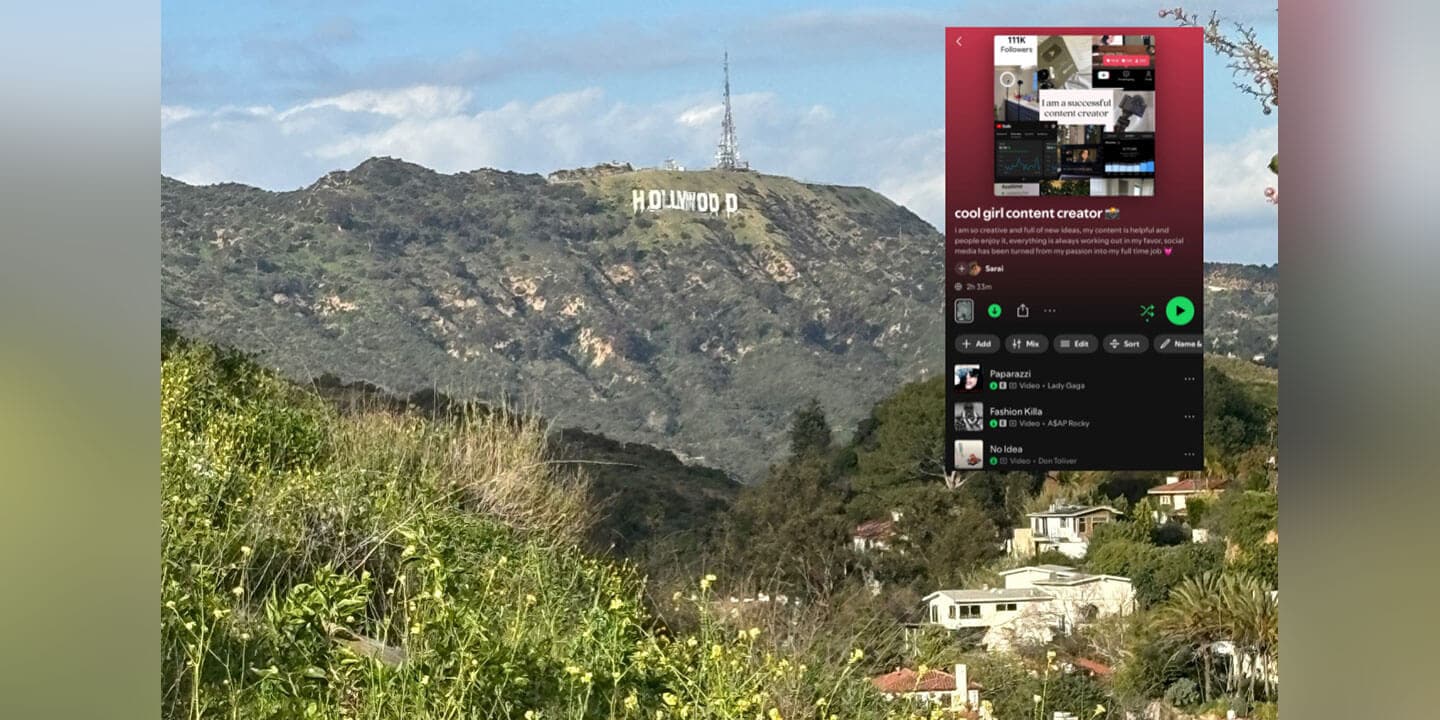
  • A screenshot of a Spotify playlist called “cool girl content creator" is superimposed on the scenic view of the iconic Hollywood sign, set against the hills of Los Angeles.

    A Soundtrack for Becoming

    Sarai Rhodes

    There’s a difference between walking to class in silence and walking with the right song playing. Same campus, same routine, but everything feels different. The walk feels lighter, and even my movements feel more intentional.

    At some point in college, music stopped being background noise. It became a tool I used to shape my mood and make everyday moments feel bigger than they were.

    When Everything Felt Heavy

    My first year didn’t go as expected. I came in as a biology major, got overwhelmed quickly, and ended the semester sick and drained. I was stressed all the time.

    Looking back, I wasn’t really listening to music then. When I did, I would just pick songs that matched how I already felt: slow, sad, and melancholic. I wasn’t trying to change my mood; I was just sitting in it.

    A Gift That Changed Everything

    At the end of that year, my best friend, CJ, got me a pair of headphones for my birthday. It felt like a small gift, but it changed more than I expected.

    I moved off campus for my sophomore year, so my walk to class went from ten to thirty minutes. Without really thinking about it, I started doing something different. I stopped choosing music that matched my mood and started choosing music to change it.

    From Campus Walks to L.A. Flights

    It started small. On my walks, I’d play my “hot girl walk” playlist, full of upbeat songs by Nicki Minaj, Cardi B, and Katy Perry that made me feel more confident. My walks began setting the tone for my day, and I noticed I was in a better mood.

    Soon, I started making playlists for the mindset I wanted. I wanted to create social media content but was overthinking and worried about being judged. Knowing I had to change my mindset, I made a playlist: “cool girl content creator.”

    I built it around the confident person I wanted to become, with songs like “Applause” by Lady Gaga and “Money” by Cardi B. I listened while getting ready, filming, or even just thinking about creating. It made that version of my life feel real.

    A few months later, my content took off. I grew to more than 100,000 followers on TikTok, worked with brands, and was invited to YouTube headquarters. Listening to that playlist on the flight to Los Angeles, I felt it all come full circle.

    Set the Tone with a Soundtrack

    Music went from passive to powerful, helping me move from feeling overwhelmed to feeling in control.

    Start small. Make one playlist based on how you want to feel, not how you feel now. Play it while you’re getting ready or walking to class, and notice the difference.

    Next time you put your headphones on, don’t just press play. Think about how you want to feel for that moment, that day, or that week, and choose your soundtrack from there.

    Do you have a compelling story or student success tips you’d like to see published on the Pearson Students blog?  If you are a college student and interested in writing for us – click here to pitch your idea and get started! 
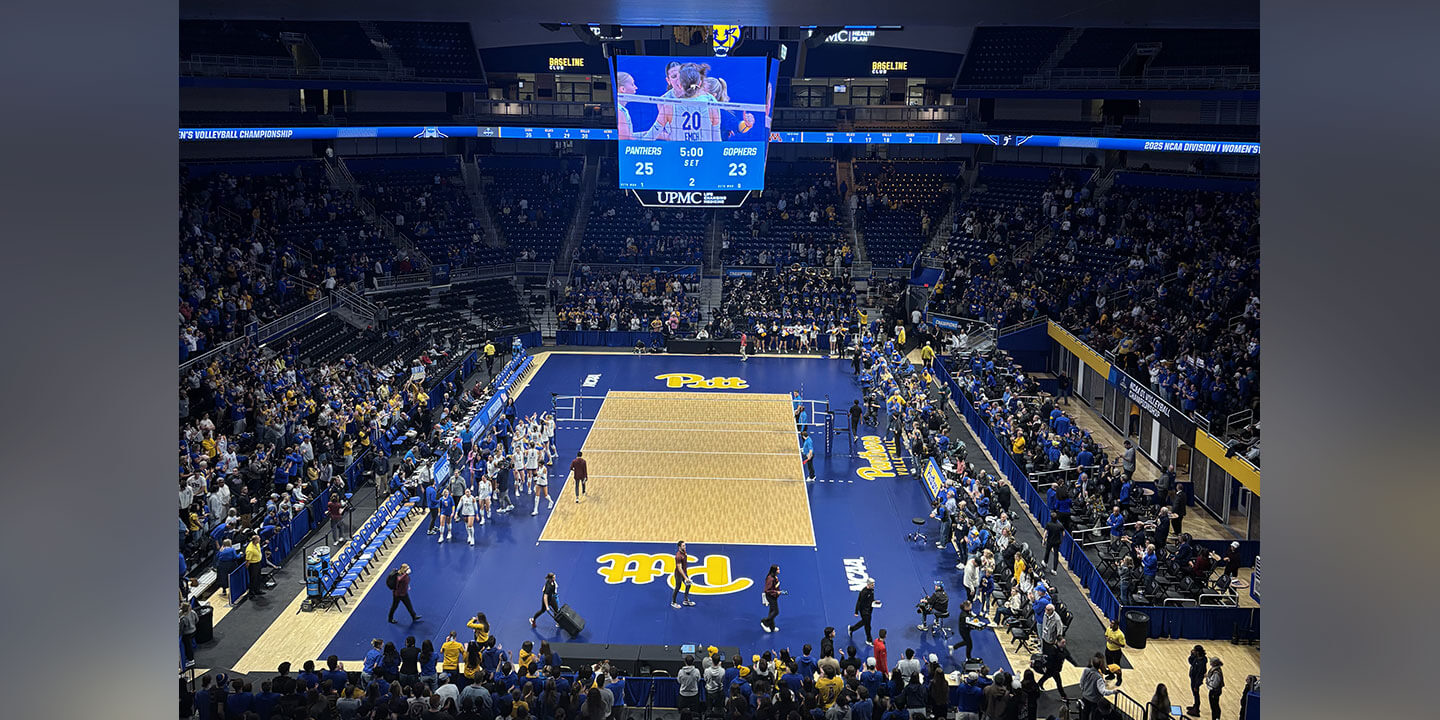
     

  • The scene shows a college volleyball match in a large indoor arena.

    Behind the Scenes in College Athletics

    Jordyn McLinnahan

    For some college students, sports are a quintessential part of their college experience. The lights, the action, and the warm feeling of unity within the crowd create an unforgettable atmosphere. For those students that want to go behind the scenes, here’s what it takes to contribute to the college athletics experience.

    Taking the First Step

    In high school, I played volleyball and managed my school’s first men’s volleyball team. I have always had a knack for working behind the scenes in sports and wanted to continue that in college as a first-year student.

    I was not sure how to get involved with college athletics, but I knew it was a passion of mine. This was especially true since I was pursuing a sports management certificate.

    One day, I saw an email about getting involved in athletics at the University of Pittsburgh. The opportunity that caught my eye most was the ticketing office assistant role. As a finance major, I wanted to learn about the financial side of athletics, as my goal is to work in a corporate setting for athlete entertainment.

    From Fan to Insider

    Once I got the job and the school year started, I immediately gained hands-on experience. In this role, I worked in ticket sales, customer service, and ticket scanning at a variety of sports games. This gave me direct experience interacting with fans on game day.

    I also helped handle customer ticket issues during games, which taught me how to problem-solve quickly in a fast-paced environment. I held weekly office hours where I assisted customers over the phone with ticket purchases, questions, and concerns.

    While working at different sporting events, I met other students with various roles in the athletics department. This showed me the many opportunities in the sports industry, such as marketing, game-day operations, media, broadcasting, and team management. The list goes on; if you’re interested in sports, there is a niche for you.

    Opening Doors Through Athletics

    Working in college athletics has opened many doors for me. It has allowed me to do cool things I would not have been able to do otherwise.

    For example, our Division I women’s volleyball team was one of the top teams in the NCAA this past season. Through my job, I had the honor of working at the Sweet 16 tournament hosted in Pittsburgh, an opportunity my younger self would have dreamed of.

    If you’re interested in sports, just reach out. Email the athletic department or send a direct message to a team’s social media page. You never know the amazing opportunities you’ll get to experience.

    Do you have a compelling story or student success tips you’d like to see published on the Pearson Students blog?  If you are a college student and interested in writing for us – click here to pitch your idea and get started! 
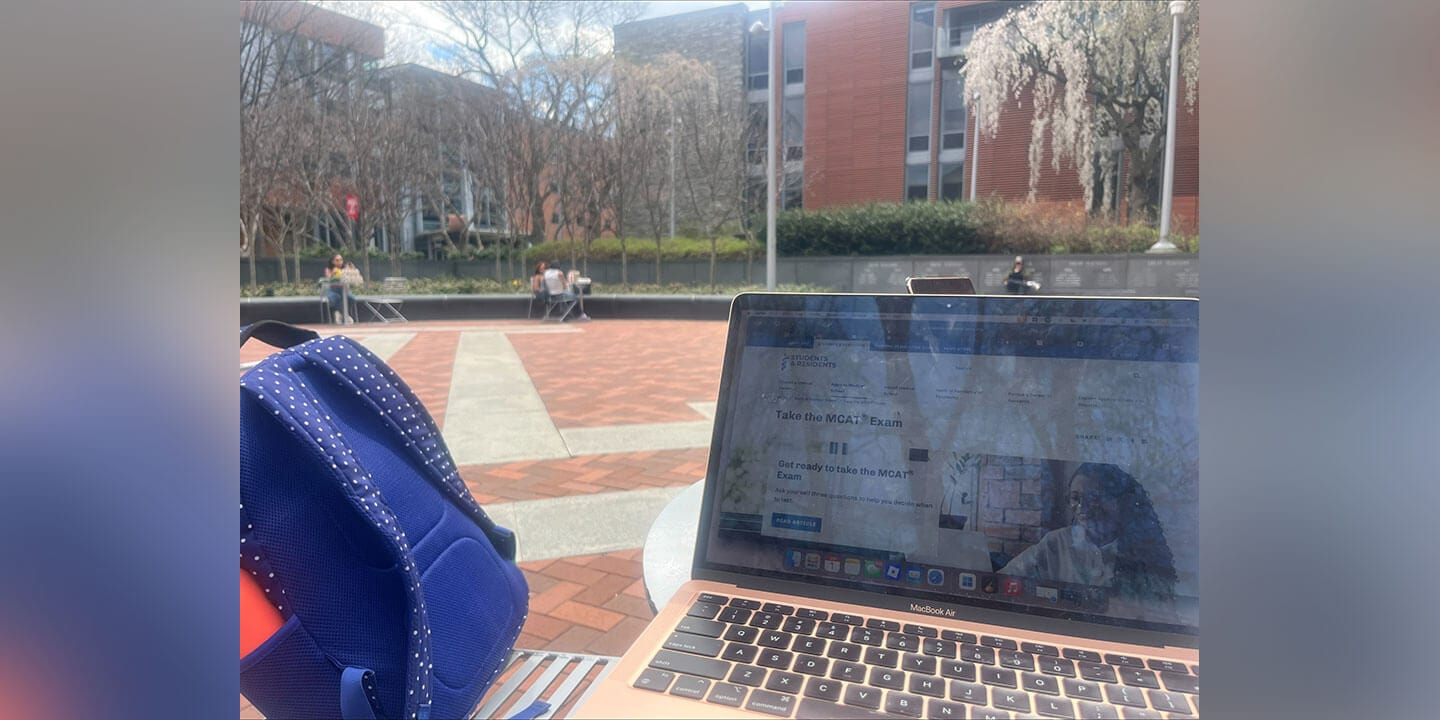
     

  • A campus scene showing an open laptop next to a bright blue backpack.

    How I Survived the MCAT

    Ariana Saray Santiago Ramos

    The Medical College Admission Test (MCAT) is one of the most important tests a pre-med student will take during their undergraduate career. It is a standardized, seven-and-a-half-hour exam required for admission to nearly every medical school in the United States.

    The test is divided into four sections: Chemical and Physical Foundations of Biological Systems; Critical Analysis and Reasoning Skills; Biological and Biochemical Foundations of Living Systems; and Psychological, Social, and Biological Foundations of Behavior.

    As a very Type B student, I lacked the foresight to prepare months in advance. Here is what I did (and what I wish I had done differently) to get my desired MCAT score.

    My Study Foundation

    As someone who knew I wanted to go into science, I did my best to take good notes in my prerequisite classes. I focused on understanding as much as possible in courses like Biology and General Chemistry. This foundation helped immensely since studying felt mostly like review.

    I purchased a study course that created a schedule for me based on my first practice exam results. It also kept me accountable for the material I was supposed to cover each day. I locked myself in my room for one and a half months to study.

    Creating a Study Zone

    Next, I ensured that I had as few distractions as possible. I bought a cage for my phone and time-restricting apps on my computer. I also bought books and an origami kit for my study breaks.

    The MCAT is a computerized test, so most of my studying was done on a computer. This made “no-screen” activities helpful to avoid eye strain.

    My Daily Schedule

    I studied ten hours a day, with a short break every two hours and one hour for lunch. As test day neared, breaks sometimes felt like a waste of time, but they had a noticeable impact on my brain function and mental health. At the end of each day, I either went to the gym or took a long walk to let go of stress.

    Practice Exam Strategy

    For the first month, I took an exam every sixth day. For the last two weeks, I took an exam every three days. I spent more time reviewing each test than it took me to take it.

    I wrote down my answer and my rationale for it. If it was correct, I stopped there. If it was incorrect, I wrote down the correct answer, the rationale behind it, and why my original answer was incorrect.

    What I’d Do Differently

    If I were to do it over again, I would extend my study time to a minimum of three months. This would allow me to study fewer hours each day and have more time for spaced repetition. Ten hours a day was honestly too much.

    The Final 48 Hours

    I took the two days right before my MCAT completely off because my brain was overloaded with information. I spent those days with friends and family, reminding myself that a test score does not define my worth.

    The night before the exam, I wrote down a “cheat sheet” of high-yield information such as formulas and diagrams for each topic. I reviewed it before heading out the next morning. My most important note to remember during test-taking is not to second-guess my answers; at that point, I trust that I know more than I might think in the moment.

    Final Thoughts

    Studying for the MCAT can be a grueling process, but it is manageable. With structure, patience, and self-compassion, you can navigate this challenge. Remember that this test is just one part of your story; the persistence and resilience you build along the way can say more about the physician you will become than any single test score. Good luck!

    Do you have a compelling story or student success tips you’d like to see published on the Pearson Students blog?  If you are a college student and interested in writing for us – click here to pitch your idea and get started! 

     

  • A futuristic city scene with a a building that has the letters “AI” on it, a large brain outlined in neon blue, and the ground outlined in neon blue circuits.

    AI in College: A New Study Partner

    Deron Crockwell

    Artificial intelligence is rapidly reshaping the college experience, sparking a mix of opinions. Some faculty members view AI skeptically due to the high risk of academic integrity violations. While this concern is understandable, there are also many ethical ways to use AI to expedite research and writing, develop unique practice materials, and support studying.

    Level Up Your Research and Writing

    One common misuse of AI is writing entire essays; instead, it can serve as a powerful academic aid. For instance, I use AI to locate peer-reviewed articles for my essays, which has saved a significant amount of time compared to my previous research process.

    Before I begin writing, AI helps me structure my essay. I provide the topic, claim, and reasons, and it suggests an outline. This generates a starting point for the organization of my argument while leaving the actual writing and critical thinking to me.

    Ace Your Exams with AI-Generated Practice

    Another effective use of AI lies in exam preparation. Before midterms or finals, I upload a practice test to give the AI a sense of the exam format. Then I provide my class notes to ensure the generated questions are relevant to the current unit of study.

    From there, the AI creates new practice questions for me. When working through these questions, I challenge myself to explain why my answer is correct. This promotes retention rather than passive memorization.

    Practice Real-World Scenarios

    A unique function of AI is its ability to generate applied learning scenarios. As an Exercise Science major, I work through case studies in which we determine possible diagnoses.

    To prepare, I simulate similar scenarios using voice conversations with AI. This improves my ability to think critically under pressure. It also helps me develop communication skills relevant to clinician–patient interactions that have carried over into my internship.

    Conquer Difficult Textbooks

    AI can also support learning when tackling difficult textbook chapters. When I face a chapter that isn’t clicking, I turn to AI because it excels at explaining difficult topics.

    If your school uses Pearson products, you may have a textbook with AI integrated into the e-text. This feature has allowed me to stay engaged with the material instead of getting discouraged if I get confused.

    Partnering with AI

    Ultimately, artificial intelligence is an evolving technology that has the potential to impact us in our education and careers. When used correctly, AI does not replace critical thinking; it enhances it. By integrating AI as a tool rather than a shortcut, students can improve their efficiency and deepen their understanding.

    Do you have a compelling story or student success tips you’d like to see published on the Pearson Students blog?  If you are a college student and interested in writing for us – click here to pitch your idea and get started! 

     

  • A party scene showing both a baby shower and a graduation party. The scene is filled with cupcakes, flowers, balloons, and party decorations.

    Motherhood and Grad School: A Journey of Challenge and Growth

    Jykya-Makala Bell

    Choosing to become a mother while in graduate school was a decision that added a profound layer of complexity to my life. While I knew pregnancy brought physical, emotional, and mental demands, I found that layering on the discipline and commitment of my graduate program intensified the experience.

    There were moments when I felt overwhelmed and discouraged, especially as my due date approached. I discovered, however, that this unique combination of graduate school and early motherhood could also be a source of motivation and personal growth. Rather than hindering my success, this journey has become a source of strength, purpose, and transformation.

    The Challenges I Faced

    One of the most immediate challenges was the physical toll that pregnancy and a busy schedule were taking. I experienced fatigue, back pain, and fluctuating energy levels that made reading-intensive assignments and late-night study sessions a new kind of challenge.

    As my due date approached, my symptoms intensified, and I found it harder to maintain the pace my coursework demanded. Tasks that were once easy required more time and patience than I could have imagined. Emotionally, I felt the combined pressure just as heavily.

    My pregnancy brought waves of anxiety and self-doubt. Balancing doctor’s appointments, preparing for labor, and managing all the changes in my life while trying to meet academic deadlines felt like a demanding juggling act. I constantly worried about falling behind, disappointing my professors, or not meeting my own standards.

    I also wasn’t prepared for the unsolicited opinions and assumptions of others. I often felt an unspoken pressure to choose one priority over the other. This forced me to rethink my entire approach to time management; I had to start assignments earlier, recognize breaks as essential, and make multitasking a daily reality.

    Finding Strength in the Struggle

    Despite these challenges, I found the experience of being pregnant while in my graduate program to be incredibly empowering. I believe the reality of becoming a mother strengthened my own qualities of patience, resilience, and determination—traits that served me well in my academic work. I felt newly motivated to succeed, knowing I was building a future for my child, not just working for myself.

    This new sense of purpose fueled a discipline and ambition I hadn’t tapped into before. My pregnancy forced me to develop stronger planning, communication, and problem-solving skills. In my own life, my priorities became clearer, and distractions became less appealing.

    I learned to work smarter, focusing on effective strategies instead of last-minute stress. Navigating this path strengthened my sense of identity by showing me that I could achieve my personal, academic, and professional goals all at once.

    Completing my degree under these circumstances became my own testament to resilience and commitment. This balancing act taught me grace and showed me that it was okay to rest, ask for help, and progress at a pace that honored both the mother and the student within me.

    A Defining Chapter

    My experience of being pregnant while finishing grad school was undeniably challenging. It brought physical strain, emotional hurdles, and constant adjustments.

    Yet, it also became one of the most rewarding and transformative chapters of my life. I found that instead of hindering my academic success, my pregnancy was a powerful motivator that drove me toward a greater sense of purpose and focus. It strengthened my skills and reinforced my resilience.

    I share my story as an example of how motherhood and higher education can coexist. For me, this journey was not only possible but became a defining chapter of courage, dedication, and triumph.

    Do you have a compelling story or student success tips you’d like to see published on the Pearson Students blog?  If you are a college student and interested in writing for us – click here to pitch your idea and get started! 
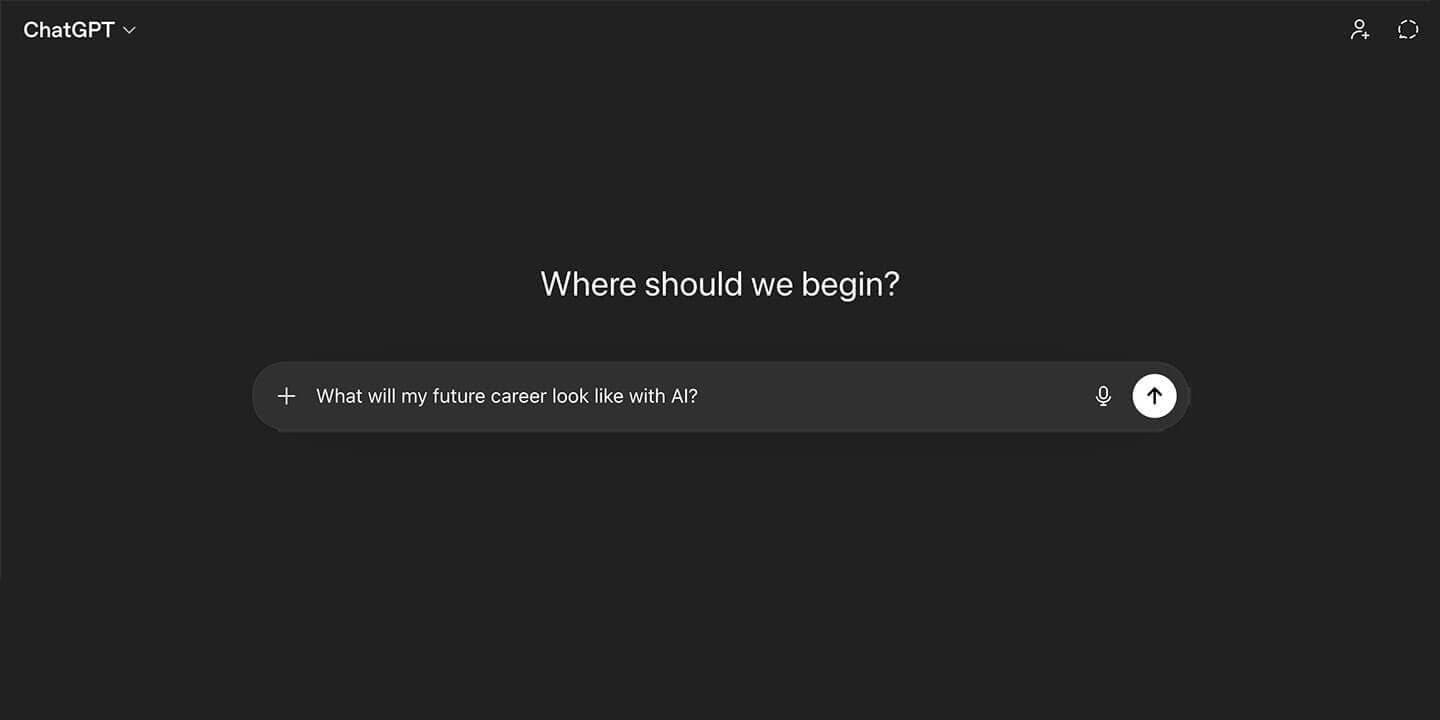
     

  • Image shows a ChatGPT prompt that reads “What will my future career look like with AI?” against a dark background with the header “Where should we begin?”

    How AI Could Shape Your Career After College

    Madeline Beavis

    Artificial intelligence isn’t sci-fi anymore. It’s reality. And it’s already showing up in the jobs students are preparing for right now. Whatever your field, AI is changing what your future day-to-day work might look like.

    A Shifting Focus in Education

    Take education, for example. Teachers can use AI tools to help create lesson plans, generate quizzes, and even give feedback on assignments. This doesn’t mean teachers won’t exist in a few years (it would be pretty strange to have a robot as a teacher); their roles are simply shifting.

    Instead of spending hours on grading or organizing, teachers can focus on connecting with students, supporting different learning needs, and making lessons more engaging. In other words, the human side of teaching is in the spotlight.

    A New Assistant for Business

    In the business and finance world, AI is basically a new personal assistant through tools like Microsoft Copilot or ChatGPT Enterprise. It can analyze huge amounts of data, predict trends, and even help companies make decisions faster. Tasks that used to take hours can now happen in seconds.

    These roles are becoming less about repetitive tasks and more about understanding the bigger picture. New skills for future professionals include thinking critically about what AI is telling them and asking good questions.

    A Creative Tool for the Arts

    The arts are where things get interesting. AI can now do everything from creating images to composing music (some of which is surprisingly good). But is that still “creativity”? Is it replacing artists? The answer isn’t simple.

    While AI can generate content, it still relies on human direction and ideas. Many artists are using AI as a tool to experiment and push their creativity further. Instead of art dying out, its creation process is evolving and its possibilities are expanding.

    Navigating Career Uncertainty

    So what jobs are actually “safe”? That’s the question many students are asking, and honestly, there’s no clear answer.

    You could argue that repetitive, predictable tasks are the easiest for machines to replicate. Careers that involve creativity, problem-solving, communication, and human connection might be more insulated from AI advancements.

    It’s completely normal to feel a little anxious about this. The idea that the job you’re working so hard toward could change, or even disappear, is stressful. But remember, that’s only one side of the story.

    New Opportunities and Skills

    There are careers now that didn’t exist a few years ago, such as AI engineers, data scientists, and roles focused on ensuring AI is used ethically. More are being created as technology evolves.

    Even in traditional fields, people who know how to use AI effectively will have a huge advantage. Today’s world requires students and professionals to keep learning and adapting to new technology.

    The Future Is Human + AI

    The bottom line? The future isn’t about humans versus AI; it’s about humans working with AI.

    As a student, the best thing you can do is stay curious, learn new tools, and build skills that machines can’t copy. Workplace dynamics are changing, but that also means there are more opportunities than ever before to find your place.

    Do you have a compelling story or student success tips you’d like to see published on the Pearson Students blog?  If you are a college student and interested in writing for us – click here to pitch your idea and get started! 
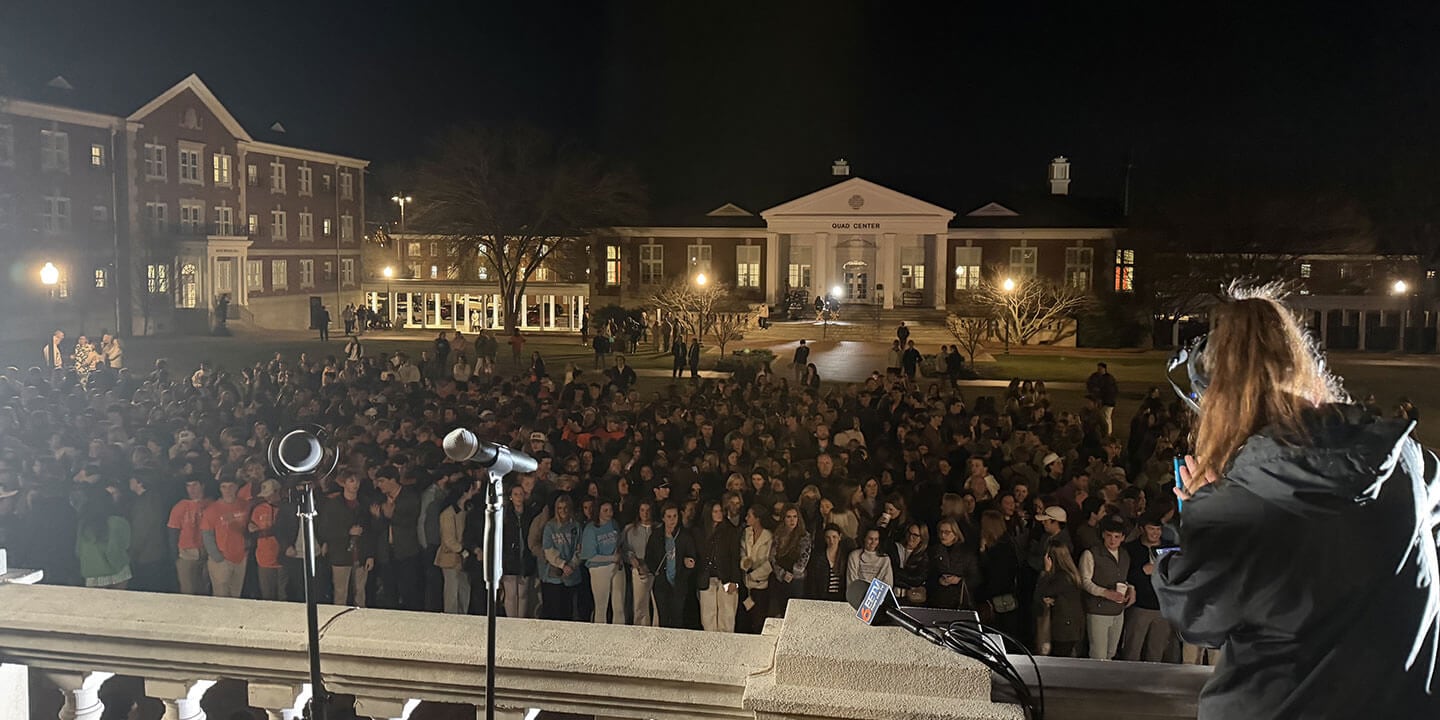
     

  • A large group of people gathered outdoors on a college campus at night before a speech or gathering is about to occur.

    Embracing Change & Finding Your Place on Campus

    Jonny Koeninger

    I love my school: the town, the weather, and the people. It all feels like a home away from home. However, that hasn’t always been the case.

    A Big Leap to a Big School

    As an incoming first-year student, I was aware of what a huge leap it was in my life, and the town I can now see myself living in forever felt far less comfortable back then. I came to Auburn from out of state without a single friend to a school larger than thirty of my high schools combined.

    Ultimately, a big, competitive school was the right choice for me. That’s not to say a small school isn’t the right option for others—that was my original choice until I made a last-minute leap to a big one. This post is about my experience getting involved at a big school where getting involved is competitive.

    Facing My First Rejection

    As a competitive high school snare drummer, it was my dream to bring my love for drumming to an awesome band like Auburn’s. I worked day in and day out to learn the music and technique. But I simply wasn’t ready for the line, and I got cut toward the end of auditions. In that moment, I realized I wouldn’t have the type of musical support system that had gotten me through high school to ease my transition to college.

    I checked Auburn’s involvement website. I bookmarked everything that interested me and, for the most part, put it out of my mind until after orientation.

    The Search for Connection

    Attending orientation did little to calm my nerves. What if I didn’t make friends, connections, or lifelong memories? Those thoughts ran through my head, and they didn’t ease up in the first few months of school.

    That’s when I decided to go all in on finding what I loved to do on campus. I tried everything from mock trial to jazz band.

    To my chagrin, I kept getting rejected by the places where I thought I had a guaranteed spot. The only organization that extended me an offer was student media, and I had no idea what being a news anchor entailed.

    The Turning Point

    Even with no background in media, I went all in on what I could do. I anchored and worked hard at reporting. By the end of the semester, I had real work to show for it.

    Additionally, I stayed involved with my church and tried to meet as many people as I could. Still, I didn’t quite feel at home yet.

    Christmas break arrived, and I couldn’t wait to go home. But when I returned to school, it suddenly felt different. I had come to love it more than I realized by unknowingly investing in all that I could.

    Love Your School, and It Will Love You Back

    If you love your school, your work, and your life, they will love you back. And that’s all up to you. Thankfully, you’re at a time in your life when you can choose what that looks like for the first time.

    Pursue what you love, and don’t get discouraged when you fall. You don’t have to give up something you love just because you fall once. I never gave up drumming, and now I’m in two bands just for fun.

    That love pays off.

    Do you have a compelling story or student success tips you’d like to see published on the Pearson Students blog?  If you are a college student and interested in writing for us – click here to pitch your idea and get started! 

     

  • A fluffy, tabby cat is wearing a colorful harness attached to a blue leash and is sitting in a bed of colorful pansies.

    The Joys of Fostering a Senior Cat in College

    Megan Morimoto

    My housemate and I made one of our best decisions when we fostered Ana, a seventeen-year-old female cat. We specifically chose an older cat because she had less energy than a kitten and spent most of her days sleeping. This was ideal for our busy schedules. We found comfort in knowing she was content in a quiet environment.

    Although Ana had several medical problems, she provided companionship. She also taught me to slow down and gave me a new sense of responsibility.

    Companionship in a New City

    Moving to college was a big adjustment, and being far from my family and pets made it harder. I craved the unique companionship that only a fur-baby could give. I started volunteering at my college’s local animal shelter to get my fur-fix, but it still wasn’t enough.

    Then I looked into fostering. Because I live in a small apartment, I specifically researched fostering cats. That’s how I welcomed Ana into my home. Every time I came home, her cute little meows greeted me and instantly put a smile on my face.

    She loved cuddling up next to me or sitting in my lap. Whenever I felt stressed or overwhelmed, Ana was there to listen. Her presence was a great comfort. Studies show that spending time with animals can release oxytocin, a “feel-good” hormone, and lower stress.

    A Reminder to Slow Down

    As a college student, I felt like I was always on the go. I had to be at this meeting, finish that project, and cram in some studying all in a single day. Running around trying to fit everything into my schedule was not sustainable in the long term.

    When we brought Ana home, her slow-paced approach to life was a breath of fresh air. She was a constant reminder to slow down and appreciate the moment before it passes. I often found myself looking forward to the “next step” in life, but Ana took everything day by day and lived in the present.

    A New Sense of Responsibility

    Having a cat added new chores to my plate, but it felt good to care for something bigger than myself. My daily routine had to include cleaning her litter box, feeding her, and playing with her when she had the energy.

    This change forced me to plan my days more strategically and intentionally. I needed to wake up earlier to care for her before I left for the day. I also had to use my time between classes more wisely so that when I got home, I had more time to spend with her.

    Though Ana is no longer with us, I will carry the lessons she taught me for the rest of my life. She showed me the power of quiet companionship, the importance of slowing down, and the purpose that comes from responsibility. Fostering a senior cat didn't just change her final years; it fundamentally shaped my college experience.

    Do you have a compelling story or student success tips you’d like to see published on the Pearson Students blog?  If you are a college student and interested in writing for us – click here to pitch your idea and get started! 

     

  • A group of sorority sisters wearing pink shirts and either white skirts or pants gathered together in front of a sorority house.

    Rethinking the College Timeline

    McKenna Vallejo

    I came into college with half of a bachelor’s degree, planning to graduate in three years by taking twelve credit hours each semester. Sounds easy, right? In reality, I had a rough time adjusting to difficult courses, and I changed my major and path twice.

    The Weight of a Rigid Plan

    I had a concrete plan: stay for three years, take the Dental Admission Test after two years, and go to dental school in the fall after my graduation. It wasn’t until recently that I accepted I could not do it. This was the best decision of my college career so far.

    Like many college students, I believed that changing my goals was a sign of weakness or outright failure. The truth is that the goals I had set took a toll on me. I resented my course load and the thought of missing out on a year of what was supposed to be the greatest era of my life.

    My grades started slipping, which, for a former straight-A student, was hurtful and confusing. I had arranged my life around studying and was now falling short.

    Giving Myself Grace

    Eventually, I figured out the solution: I needed to push back my goals and give myself grace. I realized certain things were inhibiting my learning, and it is nearly impossible to be successful if you keep up the same habits that are hurting your happiness.

    Knowing I couldn’t maintain the pace, I decided to take a step back. I contacted my advisor, and together we planned to extend my degree by one more semester.

    I could finally look at my schedule with a smile instead of intense fear. I was able to tell my friends that I could stick around for another semester, be more involved in my sorority, and have time for things other than studying and work.

    Embracing a New Momentum

    I would be lying if I said this decision did not terrify me. Truthfully, adding a semester felt like a failure.

    However, no one around me made me feel bad about this decision; they pushed me in the direction that would benefit me mentally. This meant postponing everything I had worked so hard for in high school and allowing myself to build a new timeline.

    Your Life, Your Timeline

    All I have learned from this is that life is meant to be lived on your timeline. Just because there is a conventional path does not mean it is right for you. Do what makes you happy, and when you find yourself hurting, make a change that will benefit you.

    It is nearly impossible to feel successful when the pressure you put on yourself is suffocating. Take a deep breath and consider what you want. After all, the only person who can live your life is you.

    Do you have a compelling story or student success tips you’d like to see published on the Pearson Students blog?  If you are a college student and interested in writing for us – click here to pitch your idea and get started!