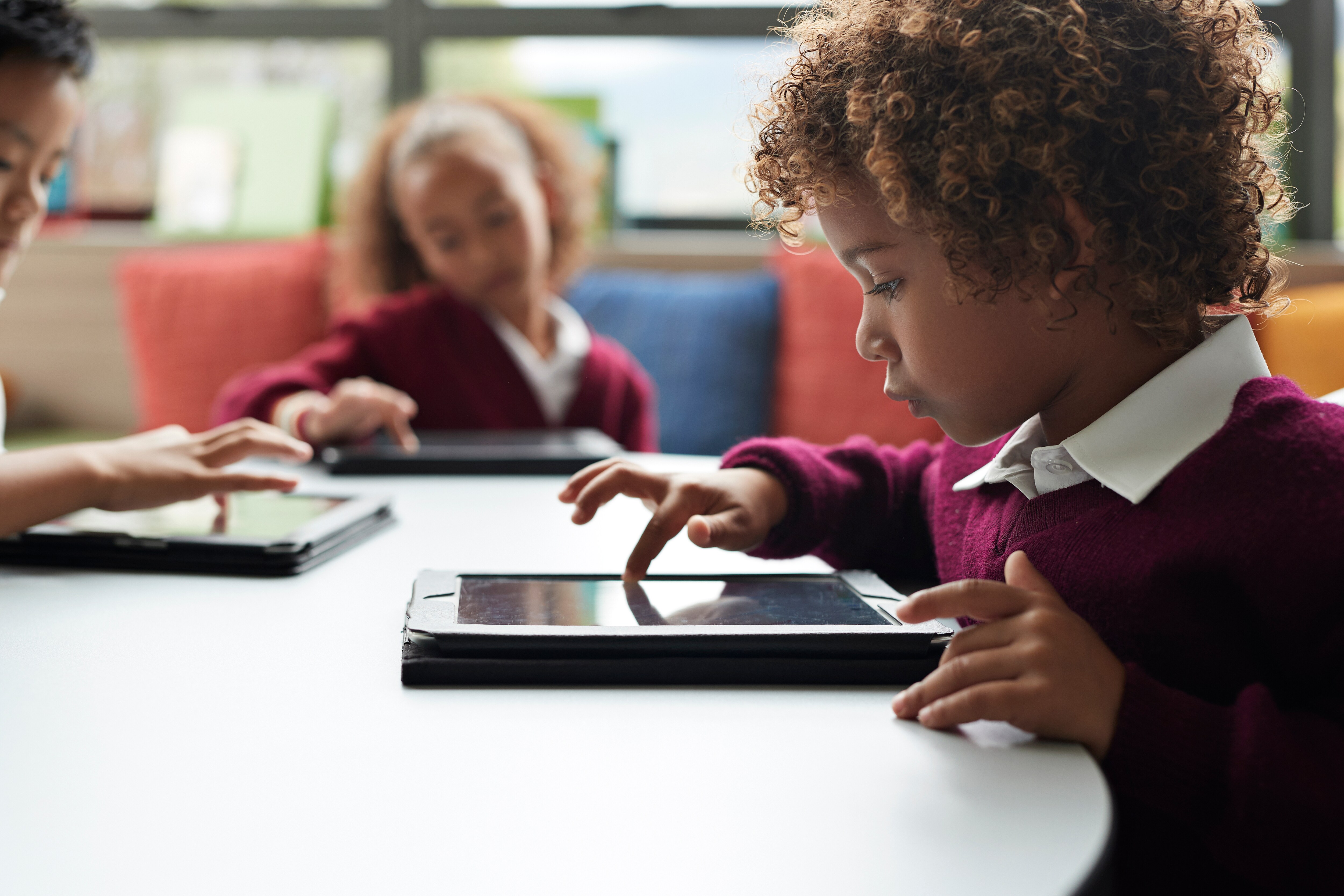
Computers for Kids: the Pearson donation that’s set to help young people nationwide
For many schools during the COVID-19 pandemic, remote learning has been the key to sustaining a semblance of normality.

Our Power of Maths Stat-Shot series highlights headline insights into different aspects of maths education based on the views of over 2,000 primary teachers and secondary maths teachers who took part in our Teacher Tapp survey in the 2020/21 academic year.
Here’s what teachers told us about digital maths teaching and learning…
Developed by Pearson and the wider Power of Maths community, here are some free expert blogs, resources and links to support you on your digital maths journeys as you navigate COVID-19 and beyond.
We want to share your maths tips and solutions too. If there's anything you're doing in your school that could help others, tag us on Twitter @PearsonSchools with the hashtag #PowerOfMaths and we'll help share this far and wide.
Simon Holden-White, Senior Product Manager in the Primary Maths team at Pearson, reflects on the new research into teacher’s views on maths education amidst COVID-19 and shares some top tips for primary schools when teaching maths remotely this lockdown and beyond.
Pearson Maths Advisers, Mark and Nicola, combine their 28 years of teaching experience to offer 10 tips and considerations for secondary teachers when it comes to teaching maths remotely.
The NRICH Primary Team understand the challenges of teaching maths remotely. In this blog, they share their top tips for primary teachers when it comes to remote maths teaching and learning.
For many schools during the COVID-19 pandemic, remote learning has been the key to sustaining a semblance of normality.
When you think of the future of AI in education, what images come to your mind? Visions of screens? Robotics and circuitry? I wonder if your first thought includes any people; the close and crucial relationships between leaders and pupils, educators, communities and employers that shape the world around us.
If the past year has taught us anything, it’s that enabling learning for primary children through digital technology is hard without preparation. Schools that had invested in pedagogy, technology and partnerships have ridden the storms of lockdowns better and with less disruption.
Primary teachers have been amazingly adaptable and creative in their solutions. So much is normally built into the physical spaces and human interactions on top of the formal curriculum, that moving to online resources to deliver the curriculum while maintaining relationships with the children was a big ask.
As we find a way out of lockdown and the 21/22 academic year comes into view this is a good time to explore how to make digital provision a more natural part of school life by integrating the best aspects of our lockdown experiences.