Students blog

Explore the latest trends, tips, and experiences in college life in this blog written by fellow students.

Explore posts in other areas.

PreK-12Higher EducationProfessional

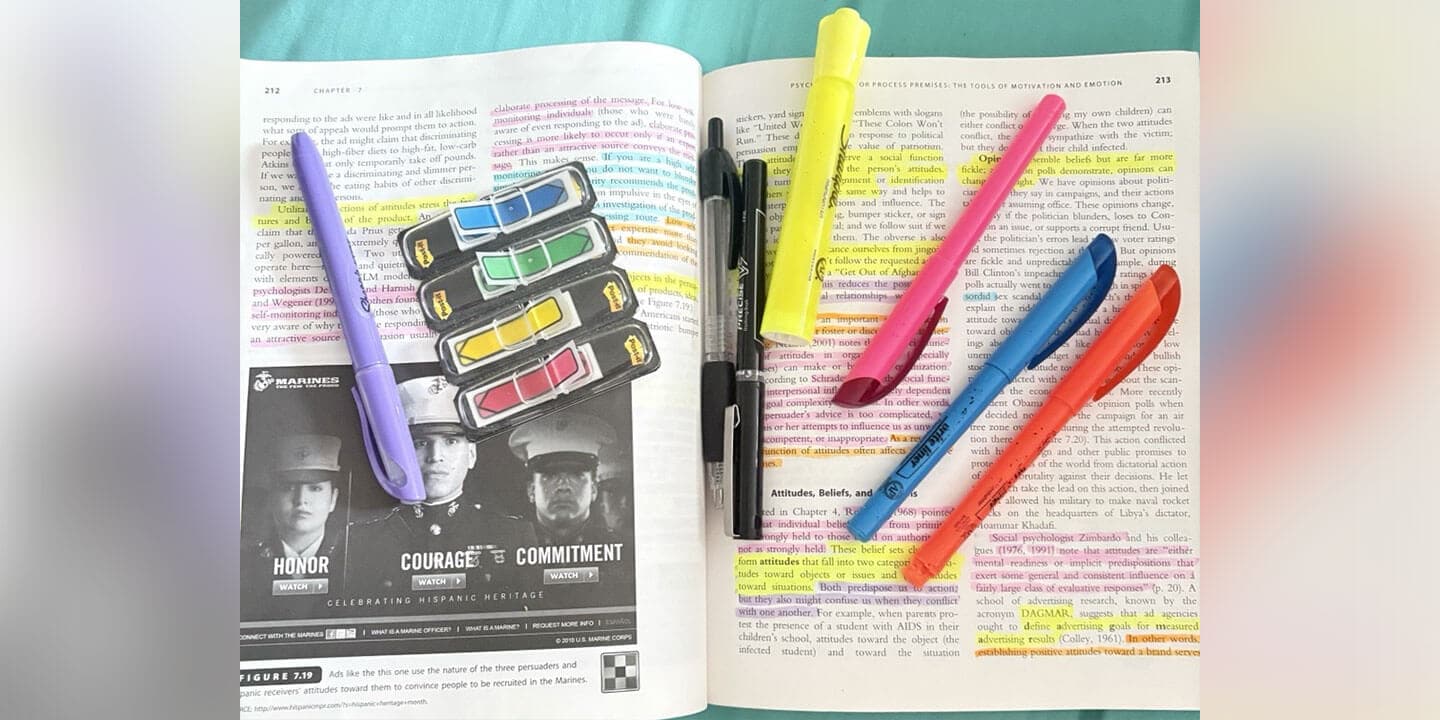
  • An open textbook covered in highlights. There are several highlighters, pens, and colorful sticky tabs lying on top of the textbook.

    My Summer Journey through an Analogue Textbook

    Katelyn Stewart

    A Devoted E-Text User

    As someone who grew up with accessible technology, I’ve been an avid E-Text user for my entire college experience. Why wouldn’t I be? E-Texts can be accessed on every device I own and often have additional features for an extended learning experience.

    However, during the summer of 2026, I decided to take four online classes (idle hands and whatnot). One class required a 2011 textbook on persuasion. This niche textbook was unavailable as an E-Text, so I did the unimaginable... I bought the thing.

    An Unexpected Connection

    When the used copy of the book showed up at my door, I flipped through the pages and immediately noticed handwritten notes and highlighted markings throughout. In that moment, I felt like I was holding the Half-Blood Prince’s potions book from Harry Potter. The only difference was the name signed on the front page: some guy named Artie (RIP, maybe).

    As I began reading for the class, I noticed that despite Artie’s best efforts, he had skimped on highlighting details that I felt were important. I ran around my house until I found some highlighters in a drawer and began making my own highlights and penning comments directly into the textbook.

    Suddenly, I felt like I was becoming a part of the textbook in a way I had never experienced with my E-Texts. When I flew down to Texas, my carry-on held my Persuasion textbook and a bag of highlighters. Pretentiously, I sat, flying more than 30,000 feet above the Earth, making wild and free comments in this textbook.

    Unlearning Old Rules

    I wondered to myself why this was the first time in my life I had ever felt the urge to make comments directly into a paper textbook. I remember being young and my mother scolding me for coloring in a picture book my grandma had given me for my birthday.

    A few years later, I would dog-ear my place in a chapter book, and my adoptive mom told me that I was disrespecting the book. I don’t remember picking up many physical books after that. I was afraid I would once again ruin these precious troves of knowledge.

    A Convert to Paper

    I learn fine with E-Texts; they have all served me well enough. As I move into my senior year, I still maintain a 4.0, but never in my entire life have I felt more connected to a text. After finishing the class with a solid ninety-eight percent, Persuasion now sits on my bookshelf as a reminder of something I not only learned from but became a part of.

    I now find myself hungry for my paperback texts. For my fall semester, I ordered every single text I could find in printed form. I have purchased more highlighters in a wide assortment of colors and eagerly await their arrival so that I can begin making comments and highlighting phrases that I find profoundly meaningful.

    Maybe I will write my name on the front covers and sell them back when I am finished. Someone else might find them one day, notice untouched phrases, and feel free enough to mark them on their own.

    Do you have a compelling story or student success tips you’d like to see published on the Pearson Students blog?  If you are a college student and interested in writing for us – click here to pitch your idea and get started! 

     

  • Image shows a view from a small plane's cockpit on a clear day with blue skies.

    My Winding Path: From Pilot to Psychologist

    Alexis Ele

    According to the National Center for Education Statistics, about one-third of all undergraduate students change their major. I have many interests and have considered being a chemist, a pilot, a video game developer, an animator, a psychologist, and a nurse. This blog will share my journey of changing career paths and why we, as college students, should normalize this winding path.

    The Pilot Dream

    In high school, I decided that being a pilot was my dream. I loved the logistics of an airport and figured that piloting might be a good career for me. With my parents' support, I enrolled in a local magnet high school with a private pilot program and went full force. For four years, I studied FAA regulations and prepared for my private pilot written test.

    After passing the test, I took to the skies and realized it was stressful. I practiced takeoffs, landings, and talking to air traffic control, but my heart was not in this profession. The charts I had to read, the pilot language I had to learn, and the weather I needed to plan for were all cool, but not personally fulfilling. And that’s okay!

    After an emotional discussion with my parents, who drove me to the airport and school, both forty minutes away, I felt regretful about switching paths. However, they said something that stuck with me: They’d rather I change paths than be unhappy. Suddenly, all the hesitation about dropping the profession went away.

    A Change of Heart

    When I went to college, I initially wanted to be a clinical psychologist. However, I wasn't sure if I wanted to stay in higher education for that long. I wanted to finish college as soon as possible and travel while I was young. To stick to that value, I decided to pursue psychiatric nursing and to double major in psychology and nursing.

    While taking my prerequisites for nursing school, I realized I had a passion for psychotherapy. Everything about mental wellness and human connection stuck with me. Even if I took time to travel while I was young, I also wanted to grow old doing something I loved—helping and connecting with others.

    So, what did I decide? Well, both! I still love the security and stability that nursing provides, but I also want the opportunity to connect with patients well into the future. Hopefully, I’ll get to pursue graduate school and research while I work as a nurse.

    Embracing Your Own Journey

    Why is there so much shame associated with changing careers? Many students feel they must commit to one thing due to societal norms or familial expectations. While feeling ashamed or embarrassed about changing paths is normal, it should not stop you from pursuing your passions.

    My last piece of advice is not to get too carried away with worrying about the future. It’s important to plan for the future, but it’s also important to take care of yourself and stay in the present. Both can absolutely be true. Good luck with your journey in college, no matter where you end up!

    Do you have a compelling story or student success tips you’d like to see published on the Pearson Students blog?  If you are a college student and interested in writing for us – click here to pitch your idea and get started! 

     

  • A winter scene with snow covered trees and shrubs and a road pictured in the foreground.

    Flip-Flops to Snow Boots: A Guide to Moving North for College

    Meredith White

    Imagine the culture shock I experienced moving from an always-sunny, 110-degree area to one of the snowiest cities in the U.S. Trading flip-flops for snow boots at 7,000 feet was an adjustment I never expected.

    I went from worrying about staying cool to learning how to prepare for freezing temperatures and snow-covered sidewalks. I also learned to anticipate mornings when the weather could completely change my plans.

    Moving to a colder climate for college is a major transition. The first snowfall may feel exciting, but the reality of walking to class in freezing temperatures requires preparation.

    It is easy to focus on just getting through the season. However, when you learn to embrace it, your first winter can become one of the most rewarding parts of your college experience.

    Build Your Winter Wardrobe

    The biggest lesson I learned was that the right winter clothing can completely change your experience. When I first arrived on campus, all I had was a pair of snow boots and a coat. Dressing for winter isn’t just about owning a big coat; it’s about building a wardrobe that allows you to stay comfortable while still enjoying your daily routine.

    A quality winter coat, waterproof and slip-resistant snow boots, a set or two of thermal clothing, warm gloves, a hat or earmuffs, and thick thermal socks are essential when temperatures drop. Your shoes, especially, matter because snow and ice can turn a normal walk to class into a major challenge.

    Master the Art of Layering

    Layering is another winter skill that makes all the difference. Temperatures can change throughout the day, and going from a cold walk outside to a warm classroom means you need clothing that can adapt.

    Wearing a base layer, sweatshirt, and coat allows you to stay warm outside without overheating once you are indoors. Small additions like scarves, thermal leggings, and hand warmers can also make cold days feel much more manageable.

    Even if you think you look silly, I promise that being warm matters more.

    Adjust Your Daily Routine

    Beyond clothing, preparing for winter means adjusting your daily habits. Check the weather before leaving for class, give yourself extra time to walk on snow or ice, and keep winter essentials easily accessible. A few extra minutes of preparation can prevent a stressful morning and help you feel more confident navigating a new environment.

    Embrace the Winter Wonderland

    Winter is about more than just learning how to survive the cold. It is also an opportunity to experience a side of life that may be completely new.

    Take time to appreciate the beauty of snowy mornings, explore winter activities, make a snowman, spend cozy evenings with friends watching a movie, or enjoy a warm drink after being outside. The season that once felt intimidating can become something you genuinely look forward to.

    From Sixty Degrees to Snowstorms

    Coming from a place where winter meant sixty degrees, not snowstorms, taught me that adapting to the cold is about more than just the right gear. It is about being open to change, creating new routines, and finding joy in unfamiliar experiences.

    Your first winter may come with a learning curve, but it can also become one of the most memorable chapters of your college journey. Cozy up with a blanket, a good book or show, and a hot beverage, and enjoy a season that offers so much more than just cold temperatures.

    Do you have a compelling story or student success tips you’d like to see published on the Pearson Students blog?  If you are a college student and interested in writing for us – click here to pitch your idea and get started! 
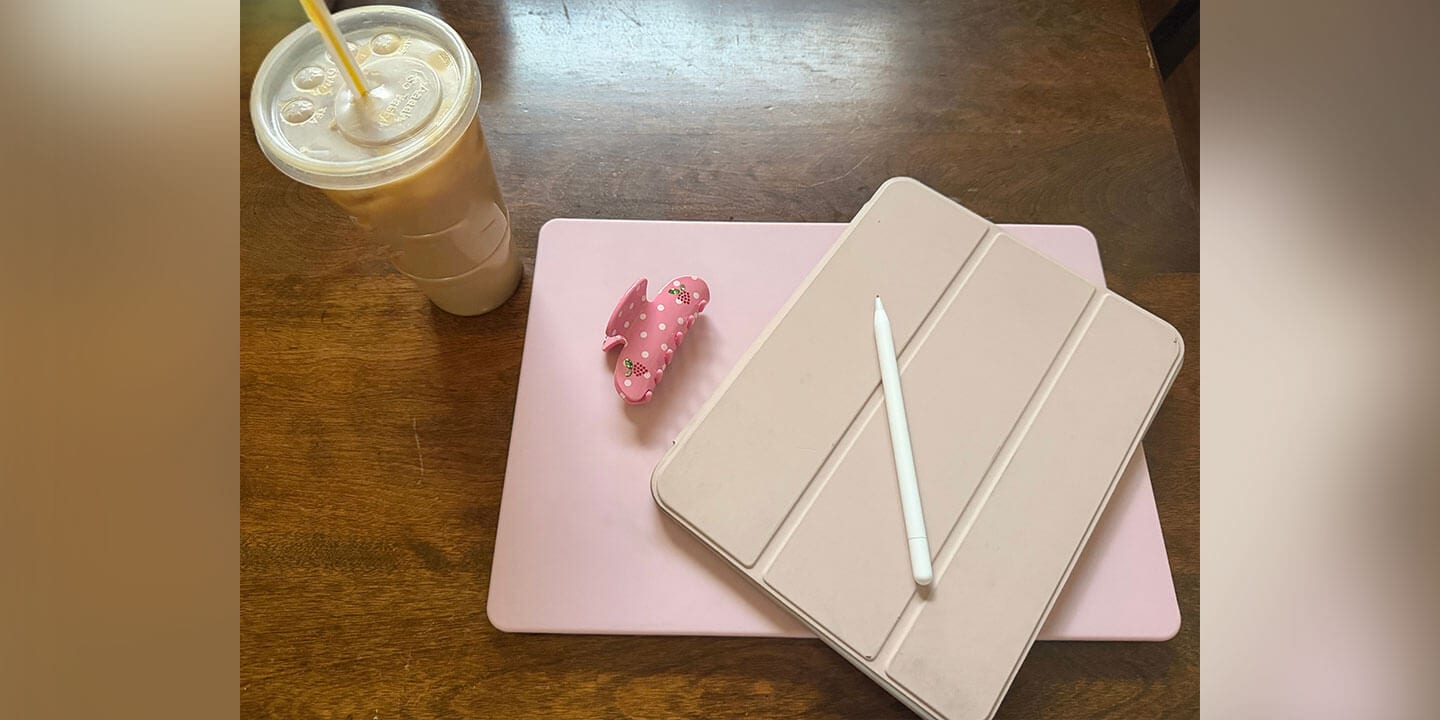
     

  • A closed beige iPad with a white stylus rests on a pink pad with an iced coffee and yellow straw placed next to it on a wooden table.

    The Power of a Pause

    Meredith White

    What if taking a break is actually one of the most productive things you can do? In college, it feels like there’s always another assignment to finish or an exam to study for. Responsibilities constantly compete for your attention.

    It’s easy to believe that every free moment should be spent being productive, but that mindset can quickly lead to stress and burnout. The truth is, taking a break isn’t something that needs to be earned; it’s an important part of doing your best. Allowing yourself to pause is essential for dealing with everything that comes with being a college student.

    Why Breaks Are Essential

    Breaks improve focus. After studying for a while or working on assignments, your concentration naturally starts to fade. Stepping away for even a few minutes can help you return with a clearer mind, making your study time more effective.

    Pausing helps prevent burnout. Constantly pushing yourself without taking time to relax and recharge can leave you feeling mentally and physically exhausted. Regularly taking breaks helps reduce stress before it becomes overwhelming, which allows you to stay motivated throughout the semester.

    Your mental health deserves attention. College is about more than coming out on top with the best GPA. Activities like spending time with friends, taking a walk, listening to music, or simply relaxing can improve your mood and help you maintain a healthier balance.

    Why We Feel Guilty About Rest

    Some college students associate being busy with being successful. It can be tempting to compare yourself to classmates who seem to be studying constantly, especially on social media. What we don’t see are the moments they spend resting and recharging.

    Productivity isn’t measured by how busy you look; it’s a subjective measurement about what’s most important to you. In college, productivity might be measured by how effectively you learn, grow, and take care of yourself.

    How to Pause Guilt-Free

    • View rest as part of your routine, not a reward. Taking breaks shouldn’t be conditional. Finishing every task first isn’t necessary.
    • Choose breaks that help you feel refreshed. You could go for a walk, grab a snack, stretch, read for fun, spend time outside, or, my favorite, get a coffee. Even a short change of pace can make a difference.
    • Focus on working smarter, not longer. A focused hour of studying after a break can be more productive than several distracted hours without one.
    • Give yourself permission to unplug. You don’t have to be productive every minute. Being productive all day isn’t necessary for success.

    Press Pause to Move Forward

    College will always come with deadlines and responsibilities, but constantly running on empty isn’t the answer. Success isn’t measured by how exhausted you are; it’s measured by how well you care for yourself while working toward your goals.

    Whether you need a ten-minute or an hour-long break, allow yourself to take it. You may have tons of assignments that need to be done, but by taking a break, you can come back refreshed and ready to tackle them.

    The next time you feel guilty about stepping away, remember that the power of a pause might be exactly what helps you move forward.

    Do you have a compelling story or student success tips you’d like to see published on the Pearson Students blog?  If you are a college student and interested in writing for us – click here to pitch your idea and get started! 

     

  • Image shows an empty sports bracket page.

    The Ultimate Bracket of Academic Struggles

    Madeline Beavis

    Every student has moments that feel like the universe is actively coordinating against them. It’s not just stress—it’s the perfectly timed academic chaos that turns a normal week into survival mode.

    This bracket ranks the most painful student experiences, as experienced first-hand by a final-year grad student. We're here to determine which one truly deserves the title of "worst of the worst." Let the college woes showdown begin!

    Round One: The Devastating Eight

    Match 1

    (1) Everything due at once vs. (8) Attendance is graded in your 8 a.m. class on Fridays

    Winner: (1) Everything due at once

    As bad as having attendance graded in an 8 a.m. class is, it’s predictable and at least manageable. Everything being due at once is total academic overload: multiple deadlines, competing priorities, and zero breathing room. It’s not just stressful; it’s complete overstimulation.

    Match 2

    (2) Your laptop dies during an exam vs. (7) Exams scheduled right after spring break

    Winner: (2) Your laptop dies during an exam

    Post-spring-break exams are rough, but a laptop dying mid-exam means immediate panic. There’s no workaround, no recovery, just watching your ability to function academically disappear in real time.

    Match 3

    (3) The exam looks nothing like the study guide vs. (6) Realizing you studied the wrong unit

    Winner: (6) Realizing you studied the wrong unit

    The study guide mismatch is frustrating, but discovering you prepared entirely for the wrong material is a deeper level of betrayal. It’s not just a surprise—it’s wasted effort for a completely different reality.

    Match 4

    (4) Oversleeping for an exam vs. (5) Group projects where no one responds

    Winner: (4) Oversleeping for an exam

    A group project is an annoying, drawn-out stress, but oversleeping for an exam is pure chaos. You wake up already behind and already failing. Your brain does emergency math on how much damage control is even possible. A zero-out-of-ten experience.

    Round Two: The Terrible Four

    Match 1

    (1) Everything due at once vs. (2) Your laptop dies during an exam

    Winner: (1) Everything due at once

    It’s still the ultimate sustained overload: multiple crises happening in parallel with no recovery window.

    Match 2

    (6) Realizing you studied the wrong unit vs. (4) Oversleeping for an exam

    Winner: (4) Oversleeping for an exam

    Studying the wrong unit is a brutal disappointment. Oversleeping is full-blown shock and panic. You’ve already lost the starting line, and now you’re trying to process the consequences while time is actively disappearing. It’s immediate, irreversible chaos.

    Round Three: The Championship of Chaos

    (1) Everything due at once vs. (4) Oversleeping for an exam

    Champion: 🏆 (4) Oversleeping for an exam 🏆

    This is the worst struggle of all time! It is overwhelming to have everything due at once, but at least you can plan for it. Oversleeping for an exam is a complete loss of control.

    There’s no buildup, no negotiation, no multitasking your way out of it. You go from sleep to panic, regret, and fear in about seven seconds.

    There are plenty of other student struggles like these, and in the moment they can feel catastrophic. But the truth is they’re all just part of the college experience. Everyone runs into these situations in one form or another.

    Somehow, you always get through them, even if it’s messy, last-minute, or not as you planned. In the bigger picture, they’re just small blips in a much longer journey. Eventually, most of them turn into the kinds of stories you look back on and laugh about.

    Do you have a compelling story or student success tips you’d like to see published on the Pearson Students blog?  If you are a college student and interested in writing for us – click here to pitch your idea and get started! 

     

  • Bacon frying in a pan on a gas stove.

    Fire Safety in College: Small Habits That Make a Big Difference

    Kohle Nash

    College is often the first time many students experience living independently, and with that independence comes new responsibilities. When students balance classes, social activities, jobs, and everyday routines, safety can sometimes become an afterthought.

    One area that students often overlook is fire safety. Understanding and practicing basic fire prevention habits can make a major difference in protecting people, property, and the campus community.

    Don't Multitask While Cooking

    One of the leading causes of fires in college housing is unattended cooking. Whether living in a residence hall, apartment, or off-campus house, students often prepare quick meals while multitasking.

    Walking away from the stove, leaving food in the oven too long, or becoming distracted by phones or conversations can quickly create dangerous situations. Remaining in the kitchen while cooking and turning appliances off immediately after use are simple but effective habits.

    Practice Smart Electrical Habits

    Electrical safety is another important concern for students. College rooms are often filled with electronics, including laptops, gaming consoles, televisions, chargers, lamps, and mini-refrigerators.

    Plugging too many devices into one outlet can overload circuits and increase the chance of electrical fires. Students should use approved power strips, avoid plugging extension cords into one another, and replace cords that appear damaged or worn.

    Avoid Open Flames

    Open flames also present unnecessary risks in student living environments. Candles, incense, and other flame-based products may seem harmless, but they can easily ignite bedding, papers, curtains, or clothing. Many campuses prohibit candles for this reason.

    Battery-powered candles and alternative room décor options provide similar comfort without increasing fire hazards.

    Respect Your Smoke Alarms

    Smoke alarms and fire detection systems are among the most important tools for staying safe. Students should never disable alarms, remove batteries, or ignore warning signals.

    Testing alarms regularly and immediately reporting maintenance issues help ensure that these systems function properly when needed. Fire alarms are designed to provide early warning and valuable evacuation time.

    Know Your Evacuation Plan

    Knowing what to do during an emergency is just as important as prevention. Students should familiarize themselves with building exits, stairwells, and designated gathering locations.

    Practicing an evacuation plan with roommates or discussing emergency procedures ahead of time can reduce confusion during stressful situations. Elevators should never be used during a fire emergency.

    Safety is a Community Effort

    Fire safety extends beyond individual actions and is part of creating a safer campus environment. Looking out for roommates, reporting unsafe conditions, and encouraging responsible habits contribute to the well-being of everyone in the community.

    College is meant to be a time of growth, learning, and new experiences. By making fire safety part of everyday routines, students can protect themselves and others while creating a safer and more prepared campus community.

    Do you have a compelling story or student success tips you’d like to see published on the Pearson Students blog?  If you are a college student and interested in writing for us – click here to pitch your idea and get started! 

     

  • A skyline at sunrise with trees and powerlines in the foreground.

    Make Your College Town Your Home

    Kohle Nash

    When students think about starting college, they often focus on classes, residence halls, and making new friends. These are all important parts of the college experience. But another piece can make a huge difference: getting to know the community around your campus.

    For many students, college is more than just a place to attend classes; it becomes home for four years. Exploring the surrounding community can help you feel more connected, comfortable, and confident during your time in college.

    More Than a Campus

    When I first thought about college, I assumed most of my experiences would happen on campus. What I quickly learned was that some of the best memories come from exploring beyond it.

    Maybe it’s finding a favorite local restaurant, attending a community event, or simply walking around a new part of town. These experiences help students build a stronger connection to the place where they live and learn.

    Explore the Map

    Exploring the community also helps make a large university feel smaller. It's easy to fall into a routine of going from class to your residence hall and back again. Getting off campus every once in a while can be a great way to break that routine and discover something new.

    You might find a coffee shop that becomes your go-to study spot or a local business you love supporting. You could even discover a community event that introduces you to people outside of the university.

    Learn from Your Neighbors

    Another benefit of exploring your community is the opportunity to learn from the people who live there. Every college town has its own culture, traditions, and history.

    Taking the time to engage with local residents and businesses can help you better understand the area and appreciate what makes it unique. It also reminds us that being a college student means being part of a larger community, not just a campus.

    Build Skills and Your Resume

    Community involvement can also open doors to new opportunities. Volunteering, attending local events, and supporting community organizations can help students develop new skills and build professional connections. More importantly, these activities allow students to make a positive impact while they're in college.

    Enjoy the Environment

    The truth is that four years go by quickly. Before you know it, graduation will be around the corner. Looking back, many students remember not only the classes they took but also the places they explored, the people they met, and the experiences they had throughout the community.

    As you prepare for another semester or begin your college journey, challenge yourself to step outside your usual routine. Visit a new place, attend a local event, or simply spend time exploring the area around your campus.

    You never know what opportunities, friendships, or memories you might find. The community around you has a lot to offer, and taking the time to experience it can make your college years even more meaningful.

    Do you have a compelling story or student success tips you’d like to see published on the Pearson Students blog?  If you are a college student and interested in writing for us – click here to pitch your idea and get started! 
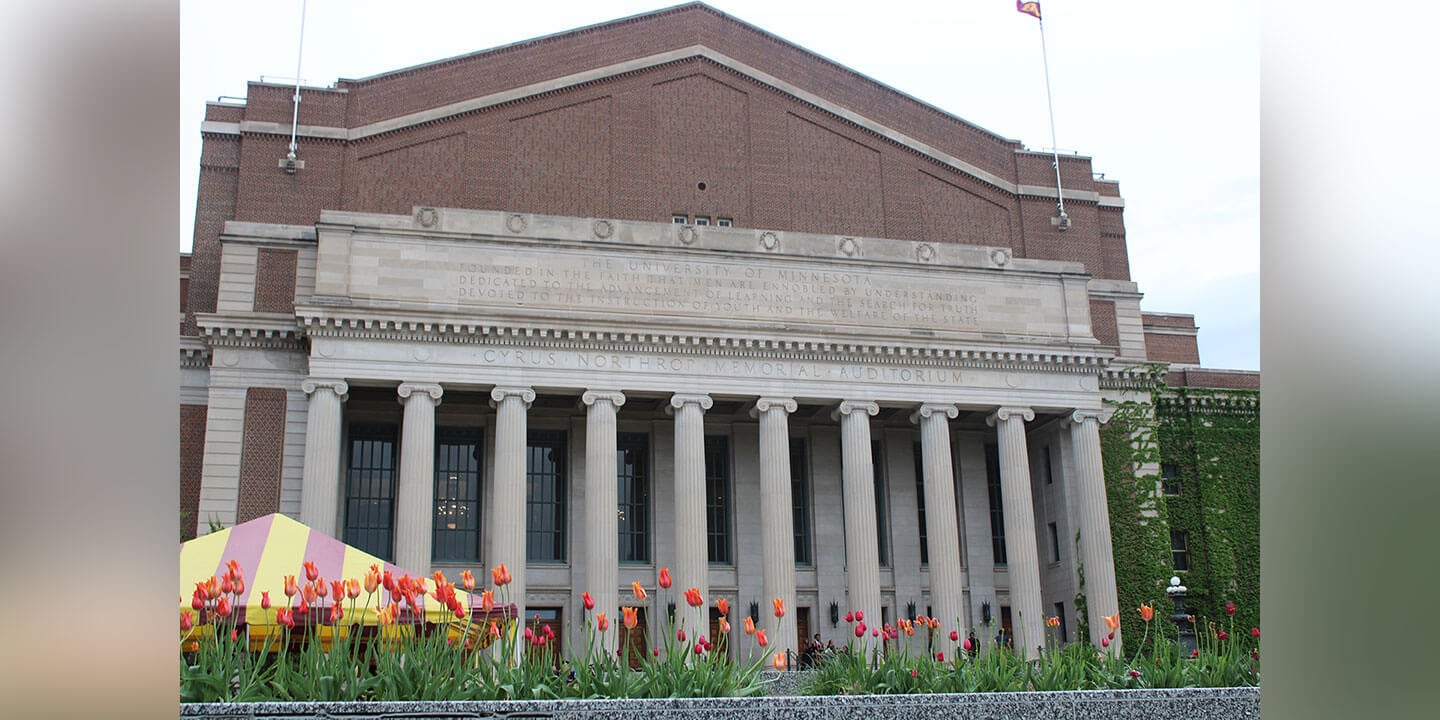
     

  • A grand brick building with columns with vibrant tulips in various colors in the foreground. A tent with red and yellow stripes is located off to the side.

    Busy vs. Productive: Study Smarter

    Joshua Corlett

    Many students think being busy means they are productive, but that is not always the case. People often spend hours studying and still feel behind. This happens because they use ineffective study habits, get distracted, and lack a clear plan.

    Things like rewriting notes, highlighting too much, and watching lectures without paying attention can feel like work. In reality, these passive methods don’t help you learn. At the same time, phones, social media, and multitasking make it harder to focus and waste even more time.

    This blog will explain why students feel busy without being productive. It will also show how to take control of your study time to save time and reduce stress.

    Ineffective vs. Active Studying

    A big reason students feel busy is that they spend time on ineffective study habits, like rewriting notes, highlighting everything, and mindlessly watching lectures. While these might feel productive, they do not actually help students learn and can waste time.

    A couple of simple fixes include active recall, practice problems, and quizzes. Actively retrieving information strengthens your memory far more than passive reading or review. Using these active study strategies will allow you to retain information faster and save time.

    Managing Your Distractions

    Another reason students are not as productive as they could be is constant distraction. The first and most obvious culprits are phones, social media, and texting. These things make it nearly impossible to stay focused and maintain a train of thought.

    A simple solution is to put your phone in another room while you do your homework. I also find it helpful to study in a quiet place with minimal distractions.

    The Importance of a Plan

    Students tend to waste more time when studying without a clear, well-thought-out plan. This can range from not knowing what to start with to jumping between tasks or studying without a clear goal in mind.

    These issues make studying disorganized and waste time on less important objectives. This can leave students feeling stressed and unprepared.

    Laying out a clear plan before studying can help avoid this headache. You should also set conceptual goals for each study session and prioritize more important tasks first.

    Be Intentional

    In conclusion, being busy and being productive are not the same thing, even though many students treat them as such. Bad study habits, constant distractions, and no clear plan can make it feel like a lot is getting done, when, in reality, time is just being wasted.

    Using better study methods, eliminating distractions, and having a clear plan can make a major difference. Once students start being more intentional with how they study, they can save time, feel less stressed, and get more out of the work they are putting in.

    Do you have a compelling story or student success tips you’d like to see published on the Pearson Students blog?  If you are a college student and interested in writing for us – click here to pitch your idea and get started! 

     

  • A graduate wearing a white dress and an open graduation gown is holding a graduation cap in front of a white fence.

    What College Taught Me (That Wasn’t in the Curriculum)

    Madeline Beavis

    People like to say college teaches you “life skills,” but most of the lessons that stayed with me were never written in a syllabus. They happened quietly and accidentally, usually in moments that didn’t feel important at the time.

    Embracing Uncertainty

    College taught me how to exist—and thrive—in uncertainty. This uncertainty makes you question everything: your major, your relationships, your friends, and even the person you’re becoming. There’s a strange transition that happens in college where you realize nobody is handing you a roadmap anymore.

    You can follow every instruction, check every box, and still feel completely unsure of where you’re headed. While this is scary, it’s also a stepping stone for growth. Adulthood is less about “having it all figured out” and more about learning how to move forward and seize opportunities without knowing the outcome.

    The Value of Being Alone

    College taught me how to be alone—not lonely. There’s a difference. For the first time in my life, I had complete control over how I spent my time.

    While college is often associated with constant socialization, some of the most important moments happened when I stepped away from it all. You do not have to accept every invitation to prove you have friends. Being comfortable alone is not isolation; it’s self-awareness.

    It’s learning who you are when nobody else is influencing your decisions. In a world that constantly pressures people to stay connected, college taught me the value of disconnecting long enough to hear my own thoughts.

    Quality Over Quantity

    College taught me that quality matters far more than quantity. I once thought success meant doing everything, knowing everyone, and filling every part of my schedule. But over time, I realized the most meaningful parts of college were never the biggest or loudest moments.

    A few genuine friendships mattered more than countless surface-level connections. A handful of experiences where I was truly invested taught me more than overloading myself just to seem accomplished. Fulfillment, both academic and social, is more than a report card or guest list; it comes from finding genuine value in what and who you choose to invest your time.

    Growth Through Action

    Confidence usually comes after action, not before it. College taught me that growth rarely comes from the sidelines. It happened when I emailed a professor, asked questions in a 300-person lecture hall, or attended a job fair where I felt underqualified.

    Somewhere along the way, I stopped waiting to feel prepared. I started realizing that the most important growth happens the moment you do something that scares you. The students who gain the most from college are not automatically the smartest or most outgoing; they are also the ones willing to risk discomfort and reach for opportunities first.

    Do you have a compelling story or student success tips you’d like to see published on the Pearson Students blog?  If you are a college student and interested in writing for us – click here to pitch your idea and get started!