Turning Curiosity into Connection in Biology Classrooms
For educators like Lisa Urry and Rebecca Orr, biology isn’t just a subject—it’s a gateway to curiosity, discovery, and lifelong learning. Their work on Campbell Biology and Campbell Biology in Focus reflects a shared mission: to move students beyond memorization and into meaningful engagement with the living world.
A passion for teaching that sparks discovery
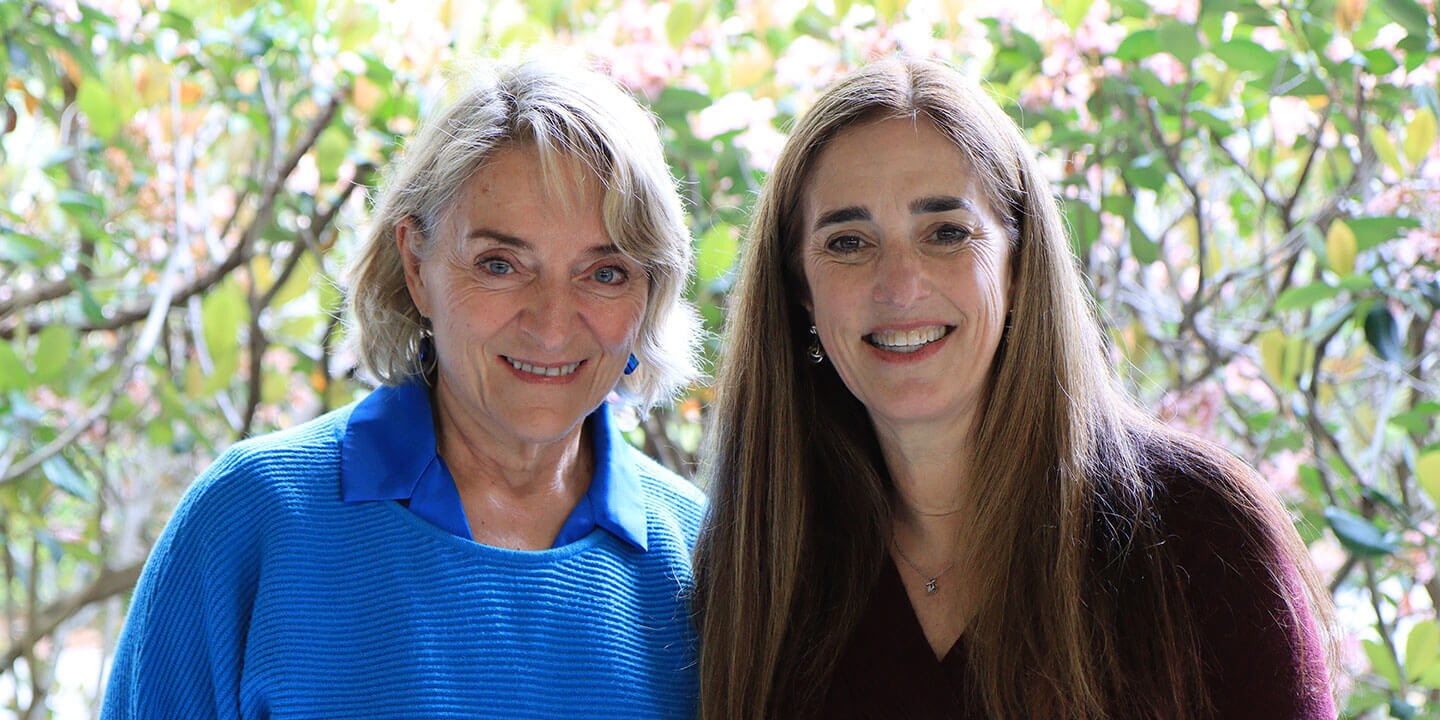
Lisa Urry, a longtime professor at Mills College, and Rebecca Orr, who has been teaching at Collin College since 2007, both bring decades of classroom experience to their work. What drives them is simple but powerful: helping students truly understand biology.
For Urry, the magic of teaching lies in designing moments where students take ownership of their learning—where they ask questions, explore patterns, and make sense of what they observe. Orr echoes this sentiment, finding fulfillment in watching students grow into who they aspire to be.
Together, they represent a shift in biology education—from delivering information to creating experiences that inspire transformation.
Creating a dynamic learning environment
A major turning point came with the evolution of digital learning. For Urry and Orr, the transition to eTextbooks wasn't simply a change in format—it was an opening of possibility.
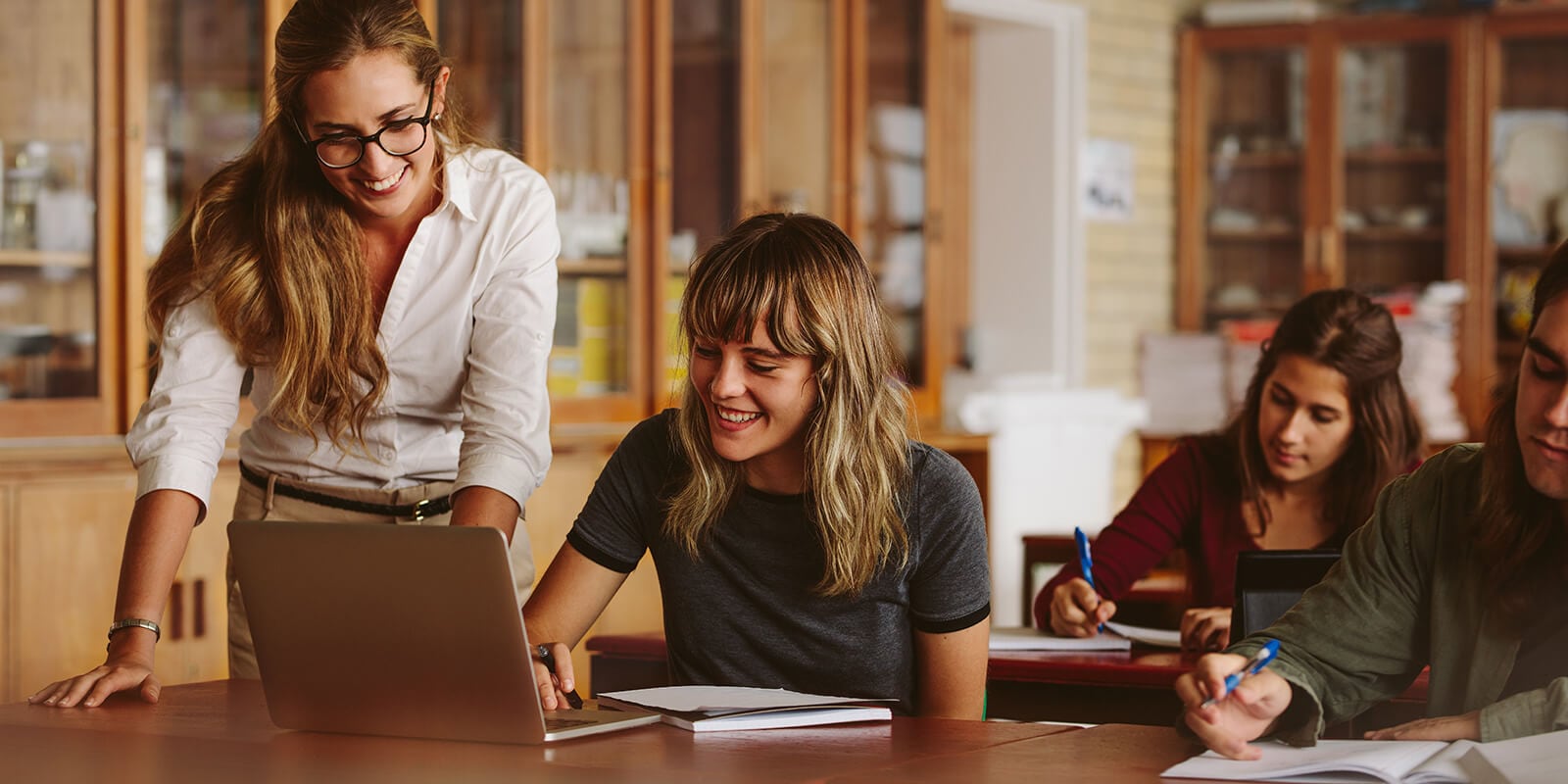
Static pages gave way to something far more engaging. Today's biology students can interact with dynamic visuals and videos, answer questions in real time, and actively test their understanding as they learn. Reading alone is no longer enough. The goal is to read, do, and interact—building deeper understanding through every step of the process.
This shift reflects a broader philosophy that shapes everything Urry and Orr create: learning should be dynamic.
They also recognize a very real challenge facing today's students—maintaining attention and focus in an increasingly distracted world. Rather than fighting against this reality, they design with it in mind. Their approach breaks content into short, digestible segments, weaves in frequent low-stakes assessments, and delivers immediate feedback that reinforces learning in the moment.
The result? Bite-sized interactions that keep students engaged, build confidence, and make even the most complex concepts feel approachable.
Making biology relevant and exciting in the age of AI
At the heart of Urry and Orr's approach is a simple but powerful idea: relevance. By intentionally connecting concepts to students' everyday lives, they transform biology from an abstract subject into something immediate, exciting, and worth caring about. The goal was never just comprehension—it was curiosity.
That same commitment to meaningful engagement extends into how they approach one of education's newest challenges: AI.
Rather than viewing artificial intelligence as a threat to learning, Urry and Orr see it as an opportunity to teach students how to think more intentionally. Instead of turning to outside tools for quick answers, students are encouraged to stay within the learning environment, using Mastering Biology and AI study tools in the etextbook – drawing from vetted Campbell Biology content. As educators, Urry and Orr want students to use AI to ask deeper questions, sit with complexity, and develop the kind of critical thinking that no shortcut can replace.
In this way, AI becomes less of a crutch and more of a catalyst, pushing students to engage more deeply rather than simply think less.
Curiosity: the heart of modern biology education
If there's one message Urry and Orr want every student and educator to carry with them, it's this: don't just memorize, wonder.
True learning begins with curiosity. When students pause to study a diagram, ask a question they don't yet know the answer to, or test their understanding just to see how far they've come, something powerful happens. Biology stops being a subject they need to survive and becomes a world they want to explore.
This is the vision that drives everything Urry and Orr do. By blending innovative tools, intentional teaching strategies, and a genuine passion for student success, they are helping reimagine what biology education can look like.
For students, that means showing up with an open mind and a willingness to engage. For educators, it means trusting that the right tools and the right approach can make all the difference.
Together, curiosity and intention can transform the classroom—one eager learner at a time.